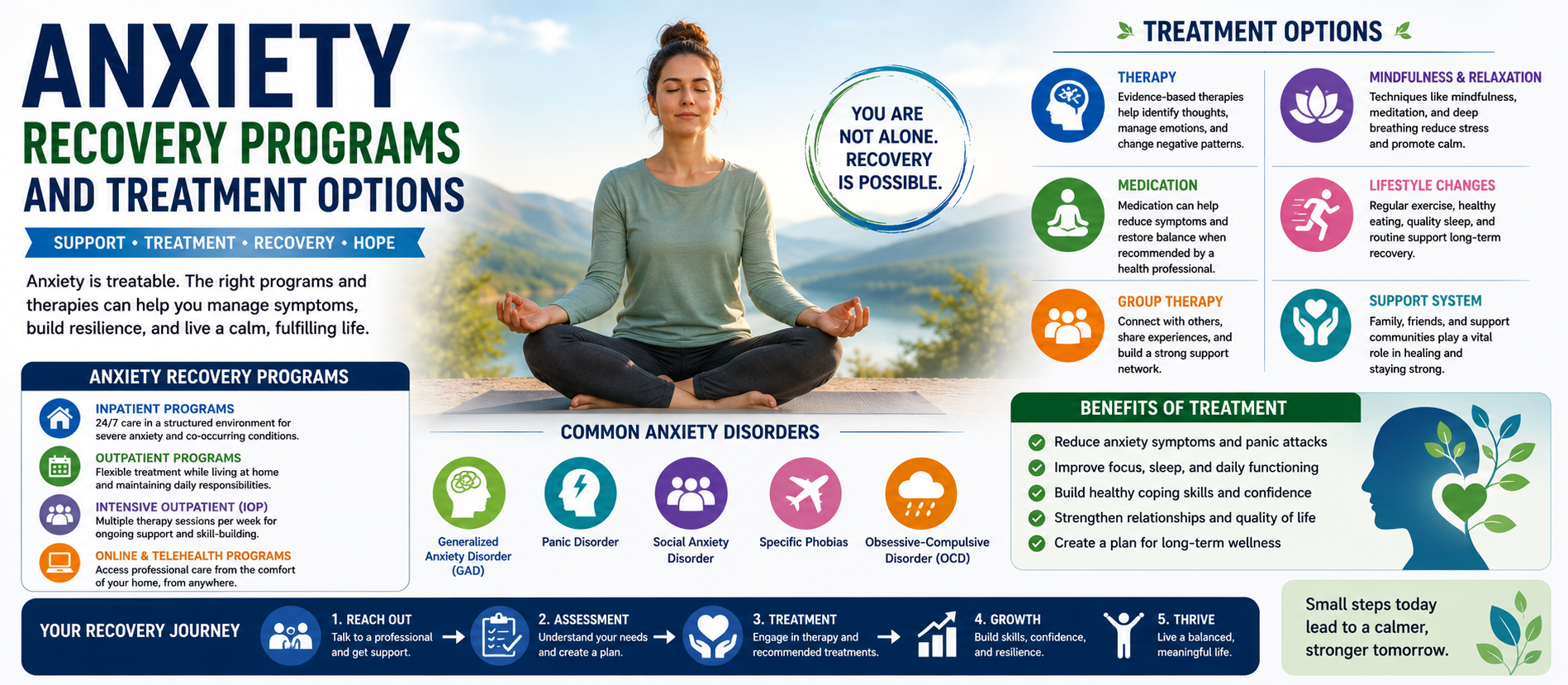
📋 Quick Summary
In this article:
Understanding Anxiety Disorders
Introduction
Anxiety disorders are among the most common mental health conditions worldwide. While occasional anxiety is a normal response to stress, persistent anxiety that interferes with daily life may benefit from professional evaluation and treatment. Recovery is possible, and many people experience significant improvement through evidence-based therapies, healthy lifestyle changes, medication when appropriate, and ongoing support.
Website: www.digiifrog.com
Understanding Anxiety Disorders
Anxiety disorders can include generalized anxiety disorder, panic disorder, social anxiety disorder, specific phobias, and other related conditions. Symptoms vary from person to person and should be evaluated by a qualified healthcare professional.
Common Symptoms
- Excessive worry
- Restlessness
- Difficulty concentrating
- Muscle tension
- Sleep disturbances
- Rapid heartbeat or panic symptoms
Treatment Options
- Cognitive Behavioral Therapy (CBT)
- Acceptance and Commitment Therapy (ACT)
- Exposure-based therapy when appropriate
- Medication prescribed by qualified clinicians
- Mindfulness and relaxation training
- Support groups and peer support
Recovery Programs
Recovery programs may include outpatient counseling, intensive outpatient programs (IOP), partial hospitalization programs (PHP), telehealth services, group therapy, psychoeducation, and individualized treatment plans.
Healthy Lifestyle Strategies
- Regular physical activity
- Consistent sleep schedule
- Balanced nutrition
- Stress management techniques
- Reducing alcohol and recreational drug use
- Building supportive relationships
Family and Community Support
Friends and family can provide encouragement, help reduce stigma, support treatment participation, and create a stable environment that promotes recovery.
Frequently Asked Questions
Can anxiety be treated?
Many people experience meaningful improvement with evidence-based treatment and ongoing support.
Should I seek professional help?
If anxiety is persistent, distressing, or interferes with daily life, consult a qualified healthcare professional for assessment and guidance.
Conclusion
Recovery from anxiety is a gradual process that often combines professional care, healthy coping strategies, lifestyle improvements, and continued support. Working with qualified healthcare providers helps individuals develop personalized plans that improve wellbeing and quality of life.
Digiifrog
Website: www.digiifrog.com
This draft is designed for expansion into a fully original 2,000–2,500+ word article with detailed treatment comparisons, recovery planning, case examples, practical checklists, and 25+ AEO-focused FAQs.
Ready to Grow?
Talk to us about a strategy tailored to your brand — we will help you stand out in search, AI discovery and social.


Comments (0)
Log in to leave a comment.