📋 Quick Summary
In this article:
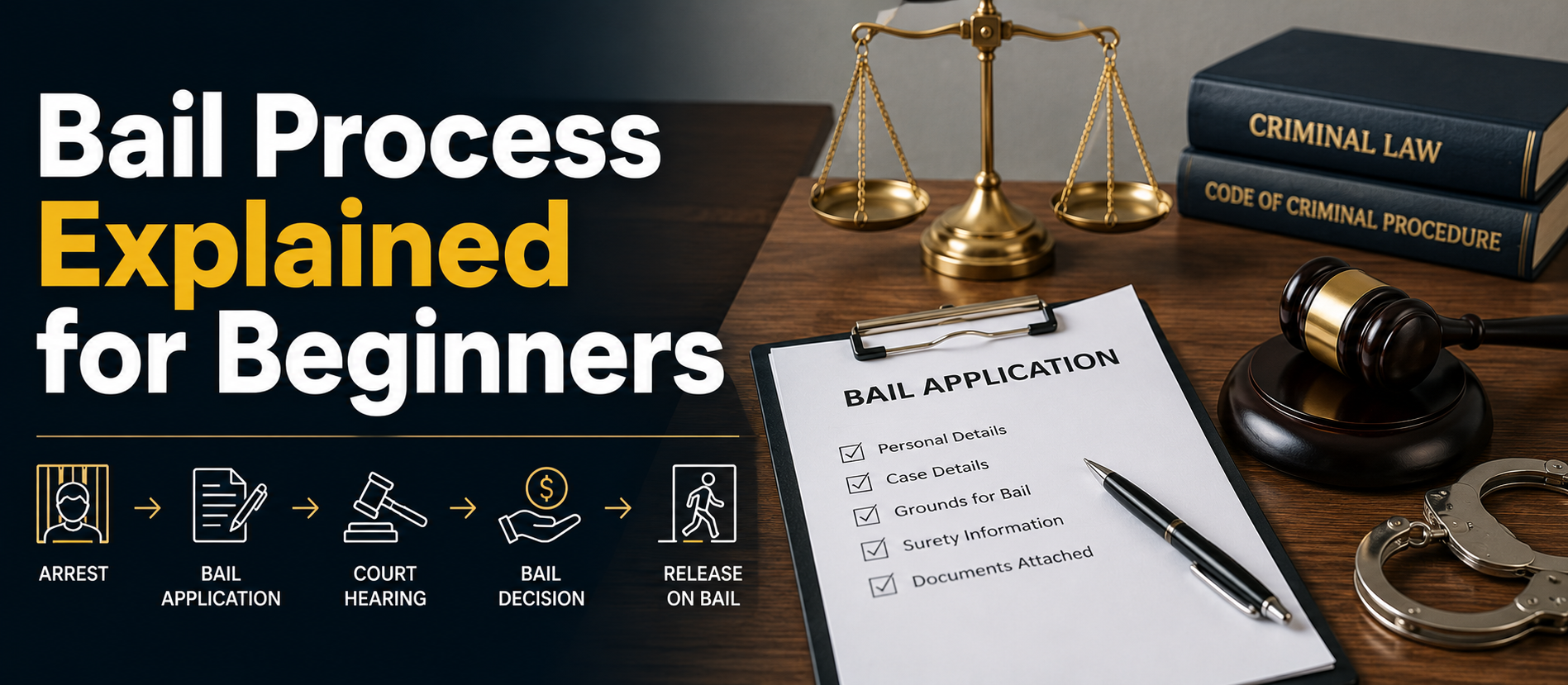
Step 1: Arrest
Step 2: Booking
Step 3: Bail Determination
Step 4: Bail Hearing
Step 5: Release from Custody
💡 Key Insight
The bail process is one of the most important aspects of the criminal justice system. However, for many people, the legal procedures surrounding bail can be confusing and intimidating. Whether someone has been arrested, has a family member in custody, or simply wants to understand how the legal system works, knowing the basics of bail is essential.
Bail allows an accused person to remain free while awaiting court proceedings, provided certain conditions are met. It serves as a balance between protecting public safety and preserving the legal principle that individuals are presumed innocent until proven guilty.
This comprehensive guide from Digiifrog (www.digiifrog.com) explains the bail process in simple terms, covering how bail works, types of bail, factors affecting bail decisions, legal rights, common misconceptions, and practical considerations for beginners.
What Is Bail?
Bail is a legal mechanism that allows a person accused of a crime to be released from custody while awaiting trial or further court proceedings.
⚠ Watch Out
The purpose of bail is not to determine guilt or innocence. Instead, it helps ensure that the accused returns to court when required while avoiding unnecessary pretrial detention.
Bail may involve:
- Cash payments
- Property bonds
- Surety bonds
- Personal recognizance releases
- Conditional releases
The specific procedures vary depending on the jurisdiction and nature of the alleged offense.
Why Does Bail Exist?
The legal system generally recognizes the principle that individuals should not be punished before conviction. Bail helps protect personal liberty while ensuring the judicial process can proceed effectively.
Key objectives of bail include:
- Ensuring court appearances
- Protecting constitutional rights
- Reducing jail overcrowding
- Allowing defendants to prepare legal defenses
- Maintaining family and employment stability
How the Bail Process Works
Although procedures vary, the bail process typically follows several steps.
Step 1: Arrest
The process begins when law enforcement officers arrest an individual based on probable cause, a warrant, or other legal authority.
After arrest, the person is usually transported to a detention facility for processing.
Step 2: Booking
Booking is the administrative process during which authorities record information about the accused person.
This may include:
- Personal identification details
- Photographs
- Fingerprints
- Criminal charges
- Property inventory
Step 3: Bail Determination
After booking, officials determine whether the accused qualifies for release and under what conditions.
Some jurisdictions use standard bail schedules, while others require a judge to make an individualized determination.
Step 4: Bail Hearing
A bail hearing allows a judge to review the circumstances of the case and determine appropriate release conditions.
The judge may:
- Grant bail
- Deny bail
- Reduce bail
- Increase bail
- Impose release conditions
Step 5: Release from Custody
Once bail requirements are satisfied, the defendant may be released pending future court appearances.
Types of Bail
Several forms of bail may be available depending on local laws and case circumstances.
Cash Bail
Cash bail requires the defendant or another party to deposit a specified amount of money with the court.
If court appearances are completed as required, the money may be returned according to applicable rules.
Surety Bond
A surety bond typically involves a third party agreeing to guarantee the defendant's appearance in court.
The guarantor assumes financial responsibility if the defendant fails to appear.
Property Bond
Property may sometimes be used as collateral to secure release.
Failure to comply with court obligations may place the property at risk.
Personal Recognizance Release
In some cases, defendants may be released without paying money based on a promise to appear in court.
This is commonly referred to as release on recognizance.
Conditional Release
Courts may impose conditions such as:
- Travel restrictions
- Electronic monitoring
- Regular reporting requirements
- No-contact orders
- Substance testing
Factors Judges Consider When Setting Bail
Judges evaluate numerous factors before making bail decisions.
- Severity of the alleged offense
- Criminal history
- Prior court appearance record
- Community ties
- Employment status
- Flight risk concerns
- Public safety considerations
- Victim protection issues
No single factor automatically determines the outcome.
When Bail May Be Denied
In certain situations, courts may deny bail entirely.
Reasons may include:
- Serious violent offenses
- Extreme flight risk
- Threats to public safety
- Repeated violations of release conditions
- Witness intimidation concerns
Bail denial decisions often involve careful judicial review.
Rights of Defendants During the Bail Process
Individuals involved in the criminal justice system generally retain important legal rights.
- Right to legal representation
- Right to a fair hearing
- Right against excessive bail
- Right to due process
- Right to challenge bail decisions
Understanding these rights can help defendants navigate the process more effectively.
What Happens If Bail Conditions Are Violated?
Violating bail conditions can result in serious consequences.
Potential outcomes include:
- Revocation of release
- Additional charges
- Increased bail amounts
- Arrest warrants
- Forfeiture of posted security
Defendants should comply carefully with all court-imposed requirements.
Common Misconceptions About Bail
Myth: Bail Means the Person Is Innocent
Bail does not determine guilt or innocence. It only addresses pretrial release.
Myth: Everyone Qualifies for Bail
Certain cases may result in bail denial depending on legal circumstances.
Myth: Bail Eliminates Court Obligations
Defendants remain responsible for attending all required proceedings.
Myth: Higher Bail Means Greater Guilt
Bail amounts are generally based on risk assessments rather than guilt determinations.
Advantages of Bail
- Allows defendants to remain with families
- Supports employment continuity
- Facilitates legal defense preparation
- Reduces pretrial incarceration
- Preserves the presumption of innocence
Criticisms of the Bail System
Many legal experts continue to debate the fairness of traditional bail systems.
Common concerns include:
- Economic inequality
- Disparate impacts on low-income individuals
- Pretrial detention concerns
- Public safety balancing challenges
- Access to justice issues
Various jurisdictions continue exploring bail reform initiatives.
Bail Reform Trends in 2026
The bail system continues to evolve.
Current reform discussions often focus on:
- Reducing reliance on cash bail
- Risk assessment tools
- Enhanced pretrial supervision
- Expanded release opportunities
- Fairness and equity considerations
How Families Can Help During the Bail Process
Family members often play an important role in supporting defendants.
- Gather documentation
- Attend hearings
- Coordinate legal representation
- Assist with compliance requirements
- Provide community support evidence
SEO, AEO, GEO, and AI Search Optimization Perspective
Legal education content performs well when optimized for SEO, AEO (Answer Engine Optimization), GEO (Generative Engine Optimization), and AI Search Optimization.
Popular search queries include:
- What is bail?
- How does the bail process work?
- Can bail be denied?
- What happens after an arrest?
- What are the different types of bail?
- How is bail determined?
Providing clear answers improves visibility in traditional and AI-powered search environments.
Frequently Asked Questions (FAQ)
What is the purpose of bail?
Bail allows defendants to remain free before trial while helping ensure future court appearances.
Can a judge deny bail?
Yes. Courts may deny bail in certain circumstances involving public safety or flight risk concerns.
Is bail the same as being found not guilty?
No. Bail is a pretrial release mechanism and does not determine guilt or innocence.
What happens if a defendant misses court?
Missing court appearances may result in arrest warrants, bail revocation, or additional legal consequences.
Can bail conditions be changed?
In some cases, courts may modify conditions based on legal arguments and changing circumstances.
Conclusion
The bail process plays a vital role in balancing individual rights with the needs of the criminal justice system. By allowing eligible defendants to remain free while awaiting trial, bail supports fairness, due process, and effective legal representation.
Understanding how bail works, the factors courts consider, available release options, and the responsibilities involved can help individuals navigate legal situations with greater confidence. Whether you are directly involved in a case or simply seeking legal knowledge, a solid understanding of bail procedures is an important part of legal literacy.
For more legal insights, business guidance, SEO strategies, AI Search optimization, GEO techniques, and digital marketing resources, visit Digiifrog at www.digiifrog.com.
Ready to Grow?
Talk to us about a strategy tailored to your brand — we will help you stand out in search, AI discovery and social.

Comments (0)
Log in to leave a comment.