📋 Quick Summary
In this article:
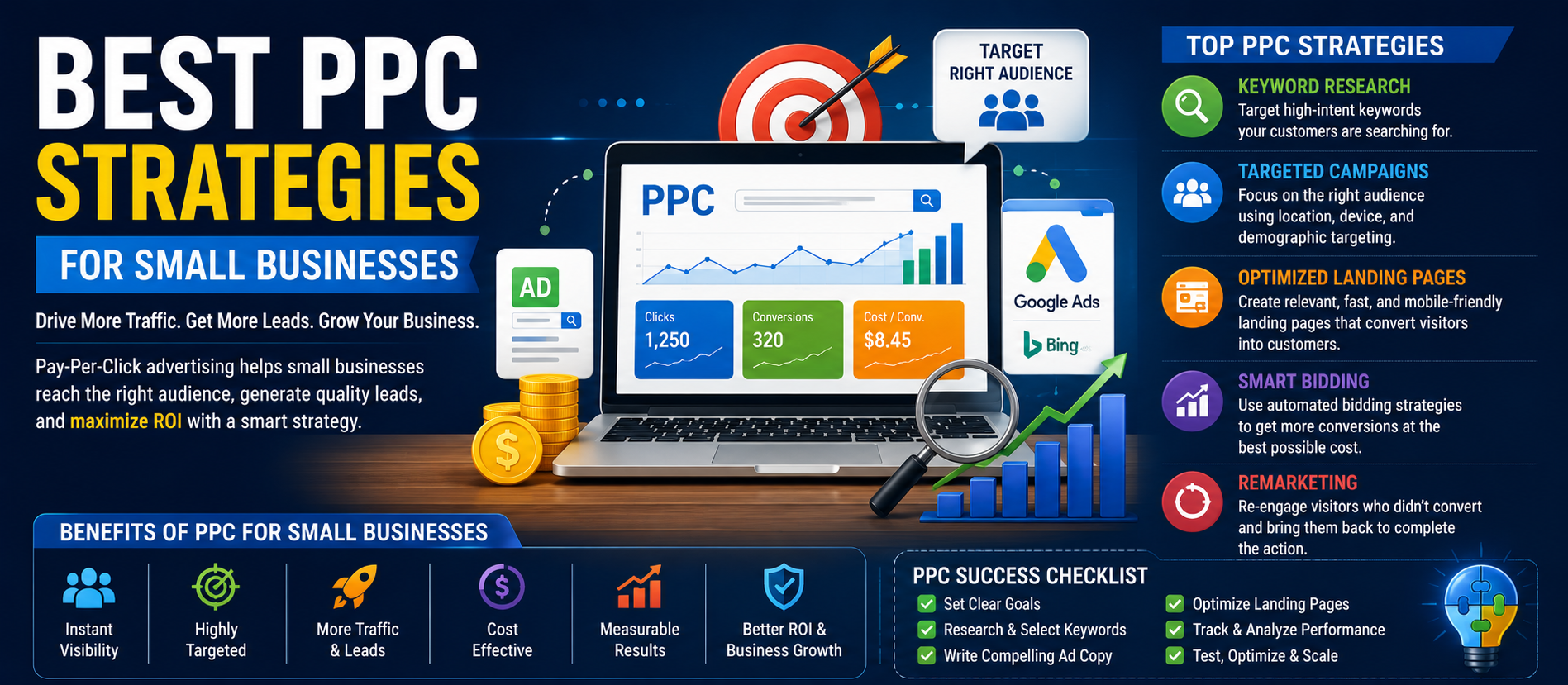
Benefits of PPC for Small Businesses
1. Focus on High-Intent Keywords
2. Use Location Targeting
3. Create Compelling Ad Copy
4. Optimize Landing Pages
5. Improve Quality Score
6. Use Negative Keywords
7. Test Everything
SEO + AEO + GEO + AI Search
Introduction
Pay-Per-Click (PPC) advertising is one of the fastest ways for small businesses to generate qualified traffic, leads, and sales. Unlike SEO, which takes time to build momentum, PPC allows businesses to appear at the top of search results almost immediately. When campaigns are properly planned and optimized, PPC can deliver measurable ROI even with limited marketing budgets.
This WordPress-ready guide from Digiifrog explains the most effective PPC strategies for small businesses, including keyword research, audience targeting, bidding strategies, landing page optimization, AI-powered campaign management, and performance tracking. The content is optimized for SEO, AEO, GEO, and AI Search Optimization.
Website: www.digiifrog.com
What Is PPC?
PPC is an online advertising model where advertisers pay only when someone clicks on their advertisement. Popular PPC platforms include Google Ads, Microsoft Ads, social media advertising, and shopping campaigns.
Benefits of PPC for Small Businesses
- Immediate visibility
- Highly targeted traffic
- Budget control
- Measurable performance
- Fast lead generation
- Scalable growth
Best PPC Strategies
1. Focus on High-Intent Keywords
Target keywords that indicate buying intent rather than broad informational searches.
2. Use Location Targeting
Restrict campaigns to cities, regions, or service areas where your customers are located.
3. Create Compelling Ad Copy
Write clear headlines, strong calls to action, and highlight unique selling points.
4. Optimize Landing Pages
Ensure landing pages are fast, mobile-friendly, relevant, and designed for conversions.
5. Improve Quality Score
Align keywords, ads, and landing pages to improve Quality Score and potentially reduce costs.
6. Use Negative Keywords
Exclude irrelevant searches to reduce wasted ad spend.
7. Test Everything
Run A/B tests on headlines, descriptions, CTAs, landing pages, and bidding strategies.
AI in PPC Advertising
Artificial intelligence helps automate bidding, predict conversions, optimize audiences, generate ad variations, and improve campaign performance through machine learning.
SEO + AEO + GEO + AI Search
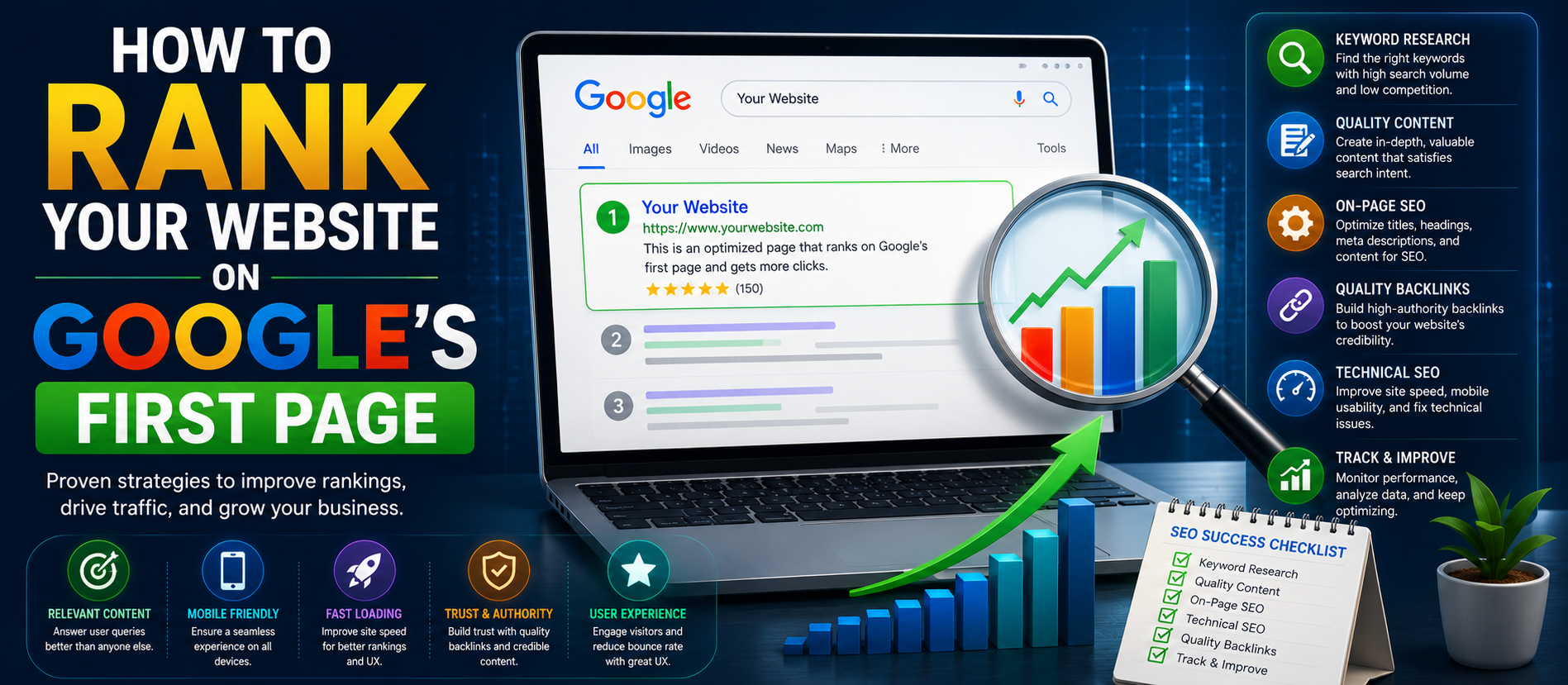
Successful digital marketing combines PPC with SEO, Answer Engine Optimization (AEO), Generative Engine Optimization (GEO), and AI Search Optimization to maximize visibility across search engines and AI-driven discovery platforms.
Common PPC Mistakes
- Ignoring search intent
- Sending traffic to weak landing pages
- Not tracking conversions
- Using broad keywords only
- Failing to review search term reports
Frequently Asked Questions
Is PPC suitable for small businesses?
Yes. With careful targeting and budget management, PPC can deliver excellent ROI.
How much should I spend?
Budgets vary depending on competition, goals, and industry. Start small and optimize using real performance data.
Can AI improve PPC?
Yes. AI assists with bidding, targeting, optimization, forecasting, and campaign automation.
Final Thoughts
PPC remains one of the most effective digital marketing channels for small businesses. Combining strategic keyword research, compelling ads, optimized landing pages, AI-powered automation, and continuous testing can help maximize conversions while controlling advertising costs.
Digiifrog
Website: www.digiifrog.com
This draft is structured for expansion into a complete 2,000–2,500+ word article with advanced Google Ads strategies, Microsoft Ads, Performance Max campaigns, remarketing, shopping ads, case studies, comparison tables, and 25+ AEO-optimized FAQs.
Ready to Grow?
Talk to us about a strategy tailored to your brand — we will help you stand out in search, AI discovery and social.
Comments (0)
Log in to leave a comment.