
📋 Quick Summary
In this article:
What Are Network Vulnerabilities?
Common Network Vulnerabilities
1. Weak Passwords
2. Unpatched Software
3. Misconfigured Firewalls
4. Open Network Ports
5. Insecure Wi-Fi Networks
6. Poor Access Controls
7. Phishing and Social Engineering
8. Unsecured Remote Access
This WordPress-ready guide explains the most common network vulnerabilities, their business impact, practical mitigation strategies, and modern cyber security best practices. The content is optimized for SEO, AEO, GEO, and AI Search optimization.
What Are Network Vulnerabilities?
Network vulnerabilities are weaknesses in hardware, software, configurations, processes, or user behavior that attackers can exploit to compromise systems, steal information, or interrupt business operations.
Why Network Security Matters
- Protects sensitive business data
- Prevents ransomware attacks
- Supports regulatory compliance
- Maintains customer trust
- Ensures business continuity
Common Network Vulnerabilities
1. Weak Passwords
Simple or reused passwords remain one of the leading causes of account compromise.
Fix: Use password managers, strong password policies, and Multi-Factor Authentication (MFA).
2. Unpatched Software
Outdated operating systems, applications, and firmware expose known vulnerabilities.
Fix: Implement regular patch management and automatic security updates.
3. Misconfigured Firewalls
Improper firewall rules may expose unnecessary services to the internet.
Fix: Review firewall configurations regularly and follow the principle of least privilege.
4. Open Network Ports
Unused or unnecessary open ports increase the attack surface.
Fix: Disable unused services and restrict access to required ports only.
5. Insecure Wi-Fi Networks
Weak encryption or default credentials allow unauthorized wireless access.
Fix: Use WPA3 where available, strong passwords, and separate guest networks.
6. Poor Access Controls
Excessive user permissions increase the risk of insider threats and account abuse.
Fix: Implement Role-Based Access Control (RBAC) and Zero Trust principles.
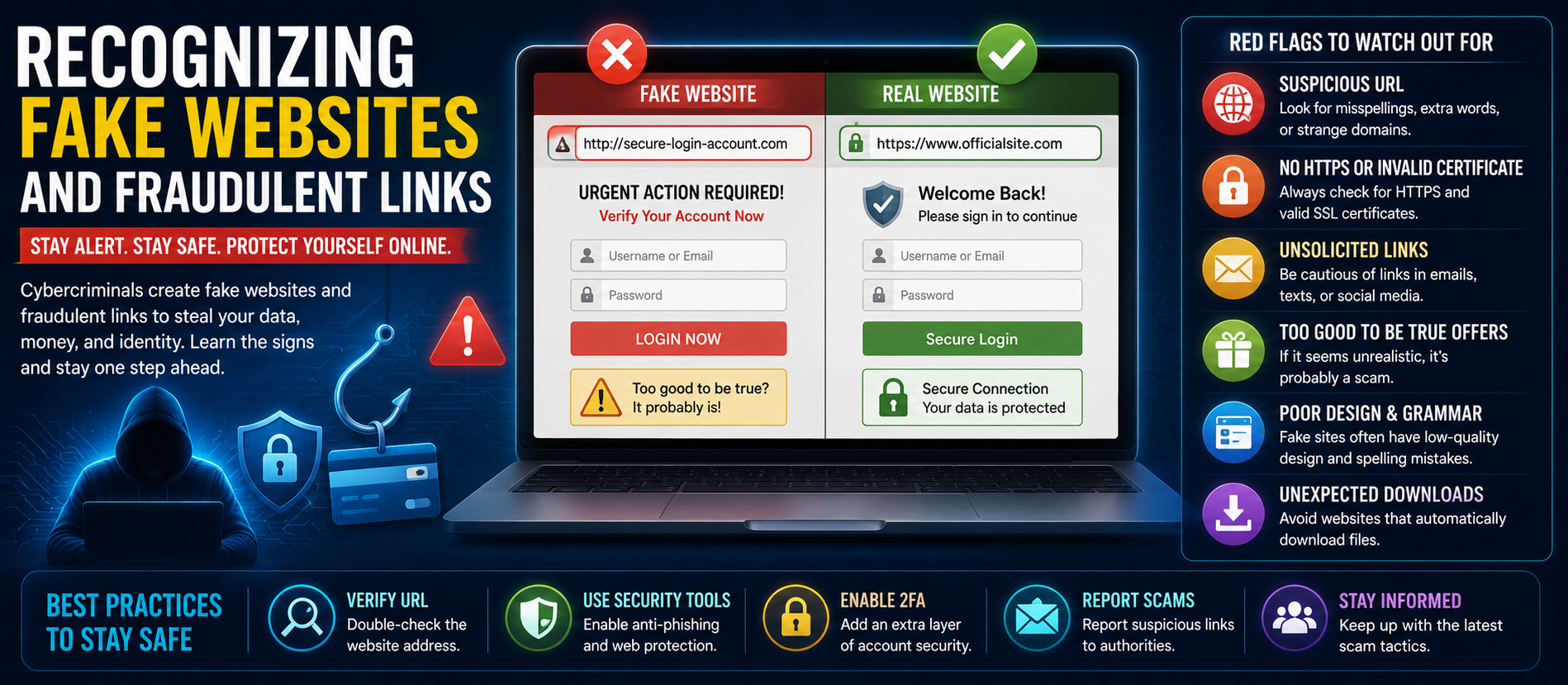
7. Phishing and Social Engineering
Employees can unknowingly provide credentials or install malware.
Fix: Conduct regular security awareness training and phishing simulations.
8. Unsecured Remote Access
Remote connections without proper protection are attractive targets.
Fix: Require VPNs, MFA, device verification, and continuous monitoring.
Modern Network Security Technologies
- Zero Trust Architecture
- Endpoint Detection & Response (EDR)
- Extended Detection & Response (XDR)
- Security Information & Event Management (SIEM)
- Intrusion Detection & Prevention Systems (IDS/IPS)
- Network Access Control (NAC)
How AI Improves Network Security
Machine Learning identifies unusual network behavior, detects malware, automates threat hunting, reduces false positives, and accelerates incident response.
Best Practices
- Perform regular vulnerability assessments.
- Maintain secure backups.
- Segment critical networks.
- Encrypt sensitive data.
- Monitor logs continuously.
- Review third-party access.
SEO, AEO & GEO Best Practices
Use structured headings, semantic keywords, FAQs, and authoritative explanations to improve discoverability across Google, Bing, ChatGPT, Gemini, Copilot, and other AI-powered search systems.
AEO & GEO Optimized FAQs
What is the most common network vulnerability?
Weak passwords, outdated software, and phishing remain among the most common vulnerabilities.
How can organizations reduce network risk?
Use Zero Trust, MFA, patch management, network segmentation, employee training, and continuous monitoring.
Does AI help secure networks?
Yes. AI improves anomaly detection, threat analysis, automated response, and behavioral monitoring.
Conclusion
Strong network security requires more than a firewall. By combining proactive vulnerability management, Zero Trust, modern monitoring, AI-powered detection, and employee awareness, organizations can significantly reduce cyber risk in 2026 and beyond.
For more expert insights on Cyber Security, SEO, AEO, GEO, AI Search Optimization, Cloud Security, and Digital Transformation, visit Digiifrog at www.digiifrog.com.
Ready to Grow?
Talk to us about a strategy tailored to your brand — we will help you stand out in search, AI discovery and social.

Comments (0)
Log in to leave a comment.