📋 Quick Summary
In this article:
1. Dripping Faucets
2. Running Toilets
3. Clogged Drains
4. Completely Blocked Drains
5. Leaking Pipes Under Sinks
6. Low Water Pressure
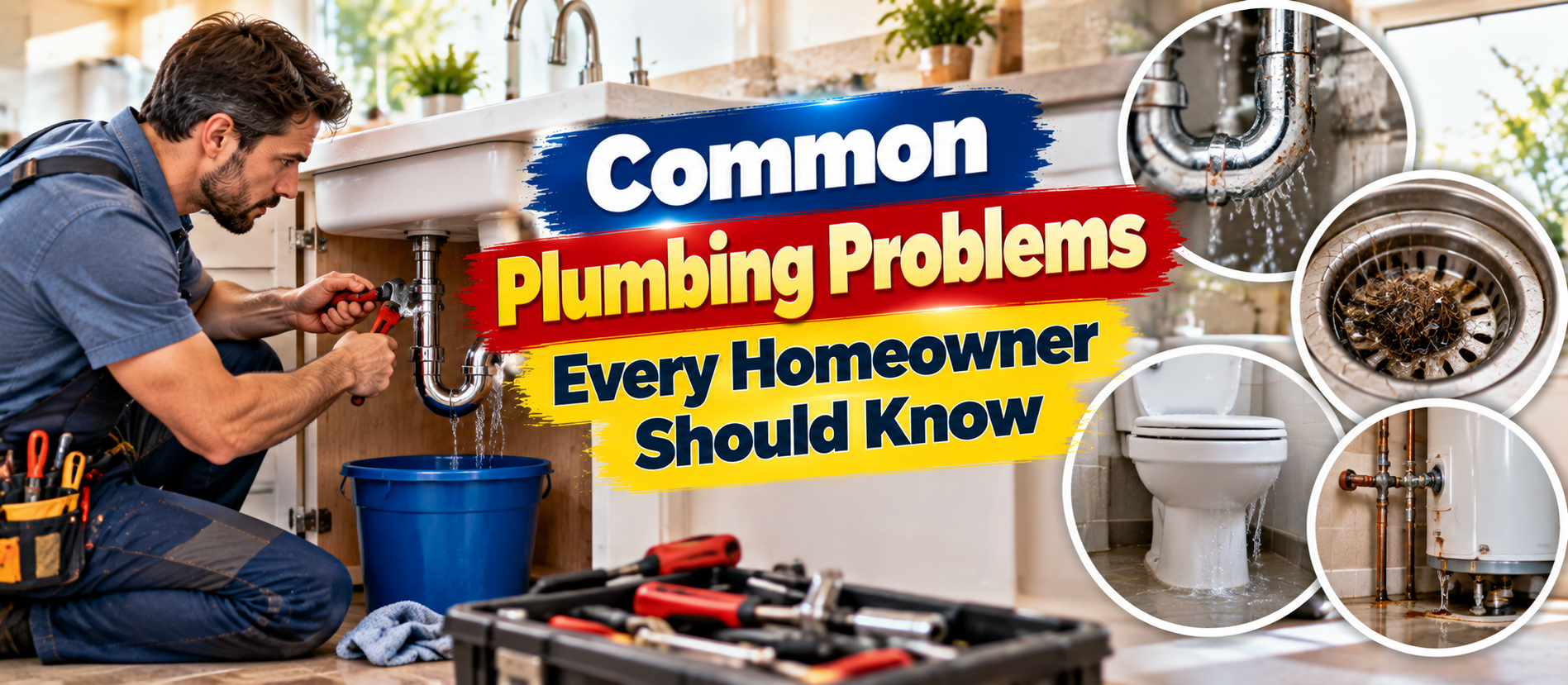
Common Plumbing Problems Every Homeowner Should Know are not always dramatic. A plumbing issue may begin with a slow drain, a dripping faucet, a running toilet, low water pressure, or a small damp spot under a sink. These problems can look minor at first. If they are ignored, however, they can waste water, damage cabinets and flooring, increase utility costs, or develop into larger repairs.
⚠ Watch Out
Good plumbing maintenance starts with knowing what is normal and what is not. Homeowners do not need to become professional plumbers. They simply need to recognize common warning signs and understand when a problem can be handled safely and when it needs professional attention.
The U.S. Environmental Protection Agency recommends regular checks for leaks in toilets, faucets, showerheads, pipes, appliances, and other water-using fixtures. EPA Water Sense also notes that household leaks can waste thousands of gallons of water each year, making early detection useful for both water conservation and property protection.
This guide covers the most common plumbing problems homeowners should know, what may cause them, what you can check safely, when to call a plumber, and how regular maintenance can prevent expensive plumbing emergencies.
Your plumbing system works every day. It supplies clean water, removes wastewater, supports bathrooms and kitchens, and connects to appliances such as washing machines, dishwashers, and water heaters.
Because plumbing is used constantly, small failures are common. A worn seal can cause a faucet to drip. Hair and soap can restrict a drain. A toilet valve can fail and allow water to run continuously. A loose connection can create a slow leak under a cabinet.
Recognizing these problems early gives you more options. You may be able to make a simple repair, schedule a plumber before the situation becomes urgent, or stop water flow before it causes serious damage.
1. Dripping Faucets
A dripping faucet is one of the most common plumbing problems in a home. It may be caused by a worn washer, gasket, cartridge, O-ring, valve seat, or another internal component.
A slow drip may not seem important, but continuous leaks waste water. EPA WaterSense reports that a faucet dripping once per second can waste more than 3,000 gallons of water per year.
Warning Signs
- Water continues to drip after the faucet is closed.
- The handle feels loose or difficult to operate.
- Water appears around the faucet base.
- Mineral buildup develops around the outlet.
- The faucet makes unusual noises.
What to Do
Check whether the leak is coming from the faucet outlet or from a connection below the sink. If the problem is a simple worn component and you are comfortable with basic repairs, you may be able to replace it. Otherwise, a plumber can identify the exact failed part.
2. Running Toilets
A toilet that keeps running after flushing is another common plumbing problem. The cause may be a worn flapper, faulty fill valve, incorrect water level, damaged seal, or another tank component.
EPA WaterSense recommends checking toilets for silent leaks. One simple test is to place a few drops of food coloring in the tank and wait about 10 minutes without flushing. If color appears in the bowl, the toilet may have a leak.
Warning Signs
- You hear water flowing when nobody has flushed.
- The toilet cycles on and off by itself.
- The water bill suddenly increases.
- Water is visible around the toilet base.
- The flush is weak or inconsistent.
Do not ignore a running toilet. The repair may be simple, but continuous water loss can add up over time.
3. Clogged Drains
Slow or blocked drains are common in kitchens, bathrooms, showers, tubs, and utility areas. Hair, soap residue, grease, food particles, sediment, and inappropriate materials can restrict the pipe.
Early Signs of a Drain Clog
- Water drains more slowly than usual.
- The sink fills while water is running.
- The shower floor holds water.
- You hear gurgling from a drain.
- An unpleasant odor comes from the drain.
A slow drain is often easier to address than a completely blocked drain. Avoid repeatedly pouring harsh chemicals into a stubborn drain. Chemical drain cleaners can create safety concerns and may not solve the underlying problem.
4. Completely Blocked Drains
A complete blockage can stop water from draining at all. In some cases, more than one fixture may be affected.
If a single sink is blocked, the obstruction may be local. If several fixtures drain slowly at the same time, the problem may be farther down the plumbing system.
Multiple slow drains, sewage odors, or wastewater backing up into a tub or floor drain are reasons to contact a professional plumber quickly.
5. Leaking Pipes Under Sinks
Leaks under kitchen and bathroom sinks are easy to overlook because the cabinet can hide the plumbing connections. A small leak can damage the cabinet base, flooring, stored items, and nearby walls.
What to Check
- Supply-line connections.
- Drain connections.
- Shutoff valves.
- Trap connections.
- Water around the cabinet floor.
- Musty odors or swollen cabinet materials.
EPA Water Sense recommends checking under sinks and around pipe connections for water, puddling, and other signs of leaks.
6. Low Water Pressure
Low water pressure can make showers frustrating and can slow down everyday tasks. The cause may be a clogged faucet aerator, partially closed valve, mineral buildup, pressure-regulator issue, pipe problem, or a wider supply issue.
Start With Simple Checks
See whether low pressure affects one fixture or the entire house. If only one faucet has low pressure, inspect the aerator for mineral buildup. If several fixtures have suddenly lost pressure, investigate further.
A sudden and significant change in water pressure should not be ignored, especially when it occurs with leaks, unusual noises, or visible water damage.
7. High Water Pressure
Very high water pressure can also create plumbing problems. Excessive pressure can place stress on fixtures, valves, connections, and appliances.
If you notice unusual banging, repeated leaks, or pressure that seems much stronger than normal, have the system checked. A plumber can measure pressure and determine whether a pressure-regulating device or other repair is needed.
8. Leaking Water Heater
Water heaters have several connections and components that can develop leaks. A small amount of water around the unit should never be dismissed without investigation.
Possible Warning Signs
- Water around the base of the tank.
- Moisture around supply connections.
- Rust or corrosion.
- Water from a relief valve or discharge pipe.
- Unusual noises.
- Hot water running out faster than usual.
Water heaters combine water, heat, electricity or fuel, and pressure. If the source of a leak is unclear, use caution and call a qualified professional rather than opening or dismantling the unit yourself.
9. No Hot Water
A sudden lack of hot water can have several causes. The issue may be related to the heating element, thermostat, burner, electrical supply, gas supply, tank condition, or system capacity.
If there is no hot water at all, first check whether the problem affects the entire home or only one fixture. If the system has an accessible user reset or control specified by the manufacturer, follow the manufacturer's instructions.
Do not attempt to work on gas controls, electrical components, or internal water-heater parts unless you are properly qualified.
10. Water Heater Making Strange Noises
Some water heaters can make popping, rumbling, cracking, or other unusual sounds. Sediment buildup can contribute to noise in tank-style systems, but different sounds can have different causes.
Persistent or worsening noise, especially when combined with leaks, poor heating performance, or unusual pressure behavior, deserves professional inspection.
11. Leaking Showerheads
A showerhead that continues to drip after use may have a worn connection, seal, valve, or buildup. Mineral deposits can also affect water flow.
EPA Water Sense includes showerheads among the fixtures homeowners should inspect for leaks.
Clean accessible mineral buildup according to the fixture manufacturer's instructions. If the leak comes from inside the valve or wall connection, call a plumber.
12. Toilet Clogs
Toilet clogs are usually caused by too much paper or inappropriate materials being flushed. Children can also accidentally flush toys or other objects.
A plunger may resolve a simple clog. If the toilet repeatedly clogs, drains slowly, bubbles, or backs up, the issue may be deeper in the drain system.
Repeated clogs should not be treated as normal. They may indicate a partial blockage, drain-line problem, or other plumbing issue.
13. Toilet Overflowing
An overflowing toilet can quickly cause water damage. If a toilet begins overflowing, stop the water supply using the shutoff valve near the toilet if it is accessible.
Do not keep flushing. Clean up standing water promptly and investigate the cause. If the toilet continues to overflow or cannot be isolated, professional assistance may be necessary.
14. Sewer Line Problems
Sewer problems can be more serious than ordinary drain clogs. Warning signs may include multiple slow drains, repeated backups, sewage odors, gurgling fixtures, wastewater returning through drains, or unexplained wet areas in the yard.
A sewer line issue may involve tree roots, damaged pipes, buildup, blockages, or structural deterioration. A professional plumber may use a camera inspection to locate the problem.
Do not ignore sewage backups. They can create sanitation concerns and can cause extensive property damage.
15. Foul Plumbing Odors
Unpleasant odors from drains may come from food residue, organic buildup, a dry trap, sewer-gas issues, or another plumbing problem.
If a rarely used drain smells bad, adding water to the trap may restore the water seal. If odors continue, appear throughout the house, or smell strongly like sewage, contact a plumbing professional.
16. Gurgling Drains
Gurgling sounds may occur when air is moving through a partially blocked drain or when a drainage or venting issue affects normal flow.
A single occasional sound may not indicate a major problem. Repeated gurgling, especially with slow drainage or bad odors, should be investigated.
17. Burst or Majorly Leaking Pipes
A burst pipe is a plumbing emergency. Large amounts of water can damage walls, ceilings, floors, furniture, electrical equipment, and personal belongings very quickly.
What to Do Immediately
- Turn off the main water supply if it is safe to do so.
- Open a faucet carefully to relieve remaining pressure where appropriate.
- Move valuables away from the water.
- Avoid electrical hazards and do not enter unsafe flooded areas.
- Call an emergency plumber.
After the water is controlled, dry the affected area as quickly as practical and address any resulting water damage.
18. Frozen Pipes
In climates where freezing temperatures occur, water inside pipes can freeze and expand. This can increase pressure and contribute to pipe failure.
Warning signs can include little or no water from a faucet during freezing weather, frost on exposed pipes, unusual pressure changes, or visible cracks.
If you suspect a frozen pipe, do not use an open flame to thaw it. If a pipe has burst or you cannot safely identify the problem, contact a plumber.
19. Corroded Pipes
Older plumbing systems can develop corrosion. Corrosion may appear as discoloration, pitting, mineral deposits, or recurring leaks around pipe sections.
When several sections begin failing, repeated spot repairs may not be the most practical long-term solution. A plumber can assess the condition of the system and explain whether targeted repairs or replacement makes more sense.
20. Discolored Water
Brown, yellow, cloudy, or otherwise unusual water can have different causes. Temporary discoloration may occur after utility work or disturbance in a water system. Internal plumbing corrosion can also affect water appearance.
If the discoloration is persistent, affects hot or cold water unexpectedly, or comes with unusual taste or odor, investigate the cause before assuming it is harmless.
21. Water Backflow
Backflow occurs when water flows in an unintended direction. It can potentially create a contamination risk if non-potable water enters a drinking-water supply.
Backflow prevention requirements vary by location and plumbing system. Certain properties and irrigation systems may require specific backflow-prevention devices.
If you suspect a backflow problem or need a backflow device tested, contact an appropriately qualified plumbing professional.
22. Leaking Washing Machine Hoses
Washing machines use pressurized water connections. A failed hose or loose connection can release a large amount of water.
Inspect accessible hoses and connections for cracks, bulges, corrosion, or moisture. Replace damaged components according to manufacturer recommendations and make sure connections are secure.
EPA Water Sense includes clothes-washer supply connections and valves among the areas homeowners can inspect for leaks.
23. Dishwasher Leaks
Water under or around a dishwasher can come from supply connections, drain connections, door seals, or internal components.
Do not ignore repeated moisture under the appliance. Even a small leak can damage flooring and cabinetry over time.
24. Sump Pump Problems
Homes with basements or areas vulnerable to groundwater may depend on a sump pump to move water away from the property.
A failed sump pump may not be noticed until heavy rain or rising groundwater occurs. Test the pump periodically according to the manufacturer's instructions and check that the discharge path is clear.
If the pump runs constantly, fails to start, makes unusual noises, or cannot keep up with incoming water, have it inspected.
25. Hidden Plumbing Leaks
Not every leak appears as a visible puddle. A hidden leak may occur inside a wall, under flooring, beneath a fixture, or around a pipe connection.
Possible Warning Signs
- Unexpectedly high water bills.
- Damp or discolored walls.
- Peeling paint or wallpaper.
- Musty odors.
- Warped flooring.
- Persistent sounds of running water.
- Unexplained moisture.
EPA Water Sense recommends checking the water meter during a period when no water is being used. If the meter changes during that test, it may indicate a leak.
26. Low or Uneven Drainage in the Yard
Outdoor plumbing problems can affect more than the garden. Leaking irrigation lines, hose connections, outdoor faucets, or buried water lines can create wet areas or unusual vegetation growth.
EPA Water Sense includes irrigation systems and hose bibbs among the areas homeowners should inspect for leaks.
27. Outdoor Faucet Leaks
Outdoor faucets can develop worn washers, loose connections, cracked components, or freeze-related damage. Check the faucet when it is turned on and after it is shut off.
If water continues to leak from the wall connection or inside the structure, do not simply tighten the exterior fitting repeatedly. The problem may be deeper in the plumbing.
When Is a Plumbing Problem an Emergency?
Some plumbing problems can wait for a scheduled appointment. Others require immediate action.
Call for Emergency Plumbing Help When:
- A pipe has burst.
- Water cannot be stopped.
- A major sewer backup is occurring.
- Water is reaching electrical equipment.
- A ceiling is actively leaking or sagging.
- A major water heater leak is occurring.
- There is severe flooding.
When safety is involved, do not attempt repairs that require entering flooded or electrically hazardous areas.
Plumbing Problems You May Be Able to Handle Yourself
Some minor problems can be suitable for careful DIY maintenance if you understand the task and can shut off the water safely.
- Replacing a faucet aerator.
- Cleaning accessible drain strainers.
- Using a suitable plunger for a simple clog.
- Replacing a basic toilet flapper.
- Cleaning mineral buildup from removable fixture parts.
- Checking visible connections for moisture.
Always follow manufacturer instructions. If you are uncertain, stop and call a professional.
When You Should Hire a Professional Plumber
Professional help is appropriate when the problem is hidden, recurring, structural, hazardous, or outside your experience.
- Repeated drain clogs.
- Multiple slow drains.
- Hidden leaks.
- Sewer backups.
- Major pipe leaks.
- Water-heater repairs.
- Gas-related water-heater concerns.
- Persistent low or high water pressure.
- Pipe replacement.
- New plumbing installation.
- Backflow problems.
How to Prevent Common Plumbing Problems
Fix Leaks Early
Do not wait for a small drip to become a major leak. Regularly inspect faucets, toilets, visible pipes, appliances, and outdoor connections. EPA Water Sense recommends addressing leaks as soon as they are identified because they waste water and can contribute to home damage.
Do Not Put Grease Down the Drain
Grease and cooking oils can contribute to drain buildup. Dispose of them using appropriate household waste methods instead of routinely washing them down the kitchen sink.
Use Drain Screens
Hair and debris can be reduced by using suitable strainers in showers and sinks.
Be Careful What You Flush
Only flush materials intended for your toilet and local wastewater system. Do not treat the toilet as a general waste bin.
Know Your Main Water Shutoff
Every homeowner should know where the main water shutoff is located. In an emergency, finding it quickly can limit water damage.
Inspect Under Sinks
Open the cabinet periodically and look for moisture, corrosion, stains, or damaged materials.
Check Your Water Bill
A sudden unexplained increase in water use can be a clue that a leak exists. EPA Water Sense recommends comparing current water use with previous periods as part of leak detection.
Simple Monthly Plumbing Checklist
- Check all visible faucets for drips.
- Look under sinks for moisture.
- Listen for running toilets.
- Check the toilet base for water.
- Inspect visible water-supply connections.
- Check the water heater area.
- Look at washing-machine hoses.
- Check the dishwasher area.
- Inspect outdoor faucets.
- Review your water bill for unusual changes.
How to Choose a Plumbing Professional
When a professional is needed, compare plumbers based on more than price. Ask whether the plumber is licensed where required, insured, experienced with your type of problem, and willing to provide a clear written estimate.
Ask These Questions
- What is causing the problem?
- What repair do you recommend?
- Are there alternative repair options?
- Is the quoted price for labor, materials, or both?
- Will additional work require approval?
- Is the work covered by a warranty?
- Are permits required?
- How long should the repair take?
- What should I do if the problem returns?
Common Plumbing Mistakes Homeowners Should Avoid
- Ignoring small leaks.
- Using excessive chemical drain cleaner.
- Forcing stuck plumbing fittings.
- Ignoring repeated clogs.
- Putting grease down kitchen drains.
- Flushing inappropriate items.
- Ignoring unusual water pressure.
- Failing to locate the main shutoff.
- Attempting unsafe water-heater or gas repairs.
- Choosing a contractor without checking credentials and scope.
Common Plumbing Problems: Quick Reference
| Problem Common Warning Sign Recommended Response | ||
| Dripping faucet | Continuous drip | Inspect or repair the faucet |
| Running toilet | Water keeps flowing | Check tank components and leak |
| Clogged drain | Slow drainage | Clear simple blockage; call plumber if recurring |
| Pipe leak | Dampness or water stains | Stop water if necessary and repair promptly |
| Low water pressure | Weak flow | Check fixture first; investigate system if widespread |
| Water heater leak | Water around unit | Seek professional inspection |
| Sewer backup | Wastewater returns through drains | Call a professional promptly |
| Hidden leak | High bill or damp wall | Arrange leak detection and repair |
Frequently Asked Questions
What is the most common plumbing problem in a home?
Dripping faucets, running toilets, clogged drains, and leaking connections are among the common residential plumbing problems. The exact frequency varies by home, plumbing age, water quality, and usage.
How do I know if I have a hidden water leak?
Unexpectedly high water use, damp spots, musty odors, peeling finishes, warped flooring, or unexplained sounds of running water can indicate a hidden leak. Checking the water meter when no water is being used can also help identify possible leaks.
How can I tell if my toilet is leaking?
A toilet that runs when nobody has flushed may have a leak. You can also use the EPA Water Sense dye test by adding a few drops of food coloring to the tank and checking the bowl after about 10 minutes without flushing.
Why does my drain keep getting clogged?
Recurring clogs may be caused by buildup, an obstruction deeper in the pipe, poor drainage, damaged piping, or another issue. Repeated clogs should be inspected instead of repeatedly treating the symptom.
Why is my water pressure suddenly low?
A clogged aerator or fixture valve can cause low pressure at one fixture. If the entire house has low pressure, the cause may be a supply, valve, pressure-regulator, or plumbing-system issue.
How often should I inspect my plumbing?
Do simple visual checks regularly and inspect visible plumbing whenever you clean cabinets or utility areas. More detailed maintenance should follow the recommendations for your fixtures, appliances, and plumbing system.
Should I repair or replace old pipes?
That depends on pipe material, age, condition, leak frequency, accessibility, water quality, and repair cost. A plumber can assess whether targeted repairs or broader replacement is the better long-term option.
Can plumbing leaks increase my water bill?
Yes. Even small leaks can waste water over time. EPA Water Sense reports that household leaks can account for thousands of gallons of wasted water annually.
When should I call an emergency plumber?
Call for urgent help when you have a burst pipe, uncontrolled water flow, major sewer backup, severe flooding, a major water-heater leak, or water near an electrical hazard.
Final Thoughts
Common plumbing problems every homeowner should know include dripping faucets, running toilets, clogged drains, leaking pipes, low water pressure, water-heater problems, sewer backups, hidden leaks, and many smaller fixture issues.
💡 Key Insight
The most important lesson is simple: do not ignore changes in your plumbing system. A drip, stain, unusual sound, slow drain, or unexplained water-bill increase can be an early warning.
Regular inspections, quick leak repairs, sensible drain habits, proper appliance maintenance, and knowing where the main shutoff is can help protect your home. When a problem is hidden, recurring, hazardous, or too complex for a safe DIY repair, call a qualified plumbing professional.
Good plumbing maintenance is not only about preventing emergencies. It also helps reduce water waste, protect building materials, maintain fixtures, and keep your home's water systems working reliably.
About Digiifrog
Digiifrog creates practical, search-optimized content that helps businesses and customers find clear answers online. Visit www.digiifrog.com for digital marketing, SEO, AEO, GEO, AI Search, and content marketing resources.
Sources and Further Reading
- U.S. EPA Water Sense — Home Maintenance and leak detection guidance.
- U.S. EPA Water Sense — Fix a Leak Week and household leak information.
- U.S. EPA Water Sense — Free of Water Leaks technical reference.
- U.S. EPA Water Sense — Water efficiency and leak prevention resources.
Ready to Grow?
Talk to us about a strategy tailored to your brand — we will help you stand out in search, AI discovery and social.


Comments (0)
Log in to leave a comment.