📋 Quick Summary
In this article:
Factors That Influence Outcomes
Evidence-Informed Treatment
Why Relapse Statistics Need Context
Introduction
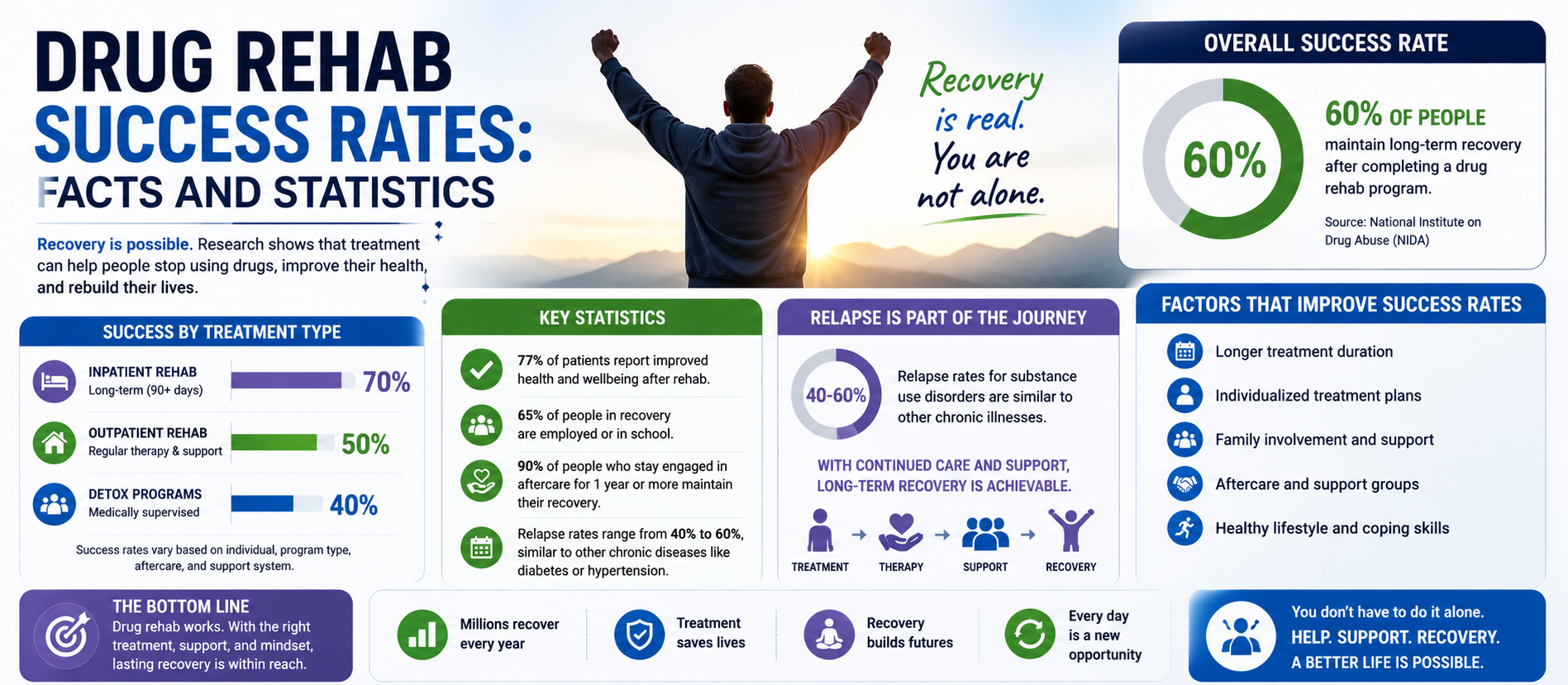
Drug rehabilitation is designed to help people stop using substances, improve their physical and mental health, and build the skills needed for long-term recovery. Success cannot be measured by a single number because recovery is influenced by many factors, including the type of substance, treatment length, co-occurring mental health conditions, family support, and ongoing aftercare. Modern rehabilitation programs focus on sustained recovery, improved quality of life, reduced substance use, and healthier daily functioning rather than only whether relapse ever occurs.
Website: www.digiifrog.com
How Success Is Measured
- Reduced or stopped substance use
- Improved physical and mental health
- Employment or education participation
- Healthier relationships
- Lower criminal justice involvement
- Long-term engagement in recovery
Factors That Influence Outcomes
Treatment duration, motivation, individualized care, family involvement, evidence-informed therapy, medication when appropriate, housing stability, and aftercare all contribute to better recovery outcomes.
Evidence-Informed Treatment
- Medical detoxification when needed
- Cognitive Behavioral Therapy (CBT)
- Motivational Interviewing
- Group and family counseling
- Relapse prevention planning
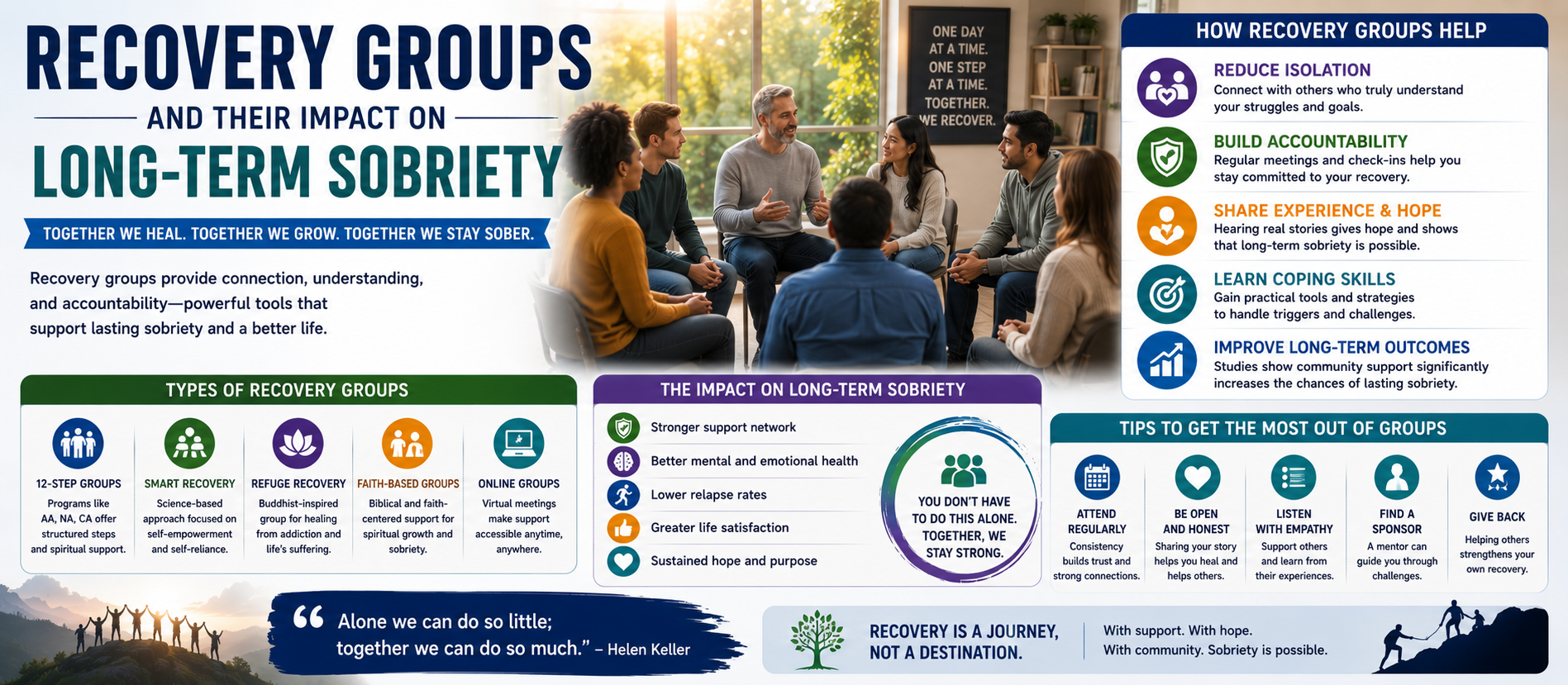
- Aftercare and peer support
Why Relapse Statistics Need Context
Relapse can occur in many chronic health conditions. A relapse does not automatically mean treatment failed. Many people benefit from returning to care, adjusting their recovery plan, and continuing treatment.
Frequently Asked Questions
Can rehab work?
Yes. Many individuals experience meaningful improvements in health, relationships, and daily functioning through professional treatment and continued support.
Is aftercare important?
Yes. Ongoing counseling, support groups, and healthy routines often improve long-term recovery outcomes.
Conclusion
Drug rehabilitation success should be viewed as long-term progress rather than a single statistic. Comprehensive treatment, personalized care, family support, and ongoing recovery planning help many individuals achieve lasting improvements and a healthier future.
Digiifrog
Website: www.digiifrog.com
This draft is structured for expansion into a fully original 2,000–2,500+ word article with detailed research summaries, evidence-informed treatment discussions, recovery planning, case examples, checklists, and 25+ AEO-focused FAQs.
Ready to Grow?
Talk to us about a strategy tailored to your brand — we will help you stand out in search, AI discovery and social.

Comments (0)
Log in to leave a comment.