📋 Quick Summary
In this article:
Employment & Society
Best Practices for Responsible AI
SEO + AEO + GEO Optimization
Meta Title: Ethical Challenges of Artificial Intelligence – Complete Guide
💡 Key Insight
Artificial Intelligence (AI) is transforming industries, improving productivity, and enabling new innovations. However, as AI becomes more powerful, organizations, governments, and society must address important ethical challenges. Responsible AI development requires fairness, transparency, accountability, privacy protection, security, and human oversight. Understanding these issues helps businesses and developers build trustworthy AI systems that benefit society while minimizing risks.
Why AI Ethics Matters
- Fair and unbiased decision-making
- Privacy and data protection
- Transparency and explainability
- Accountability for AI decisions
- Cybersecurity and misuse prevention
- Building public trust
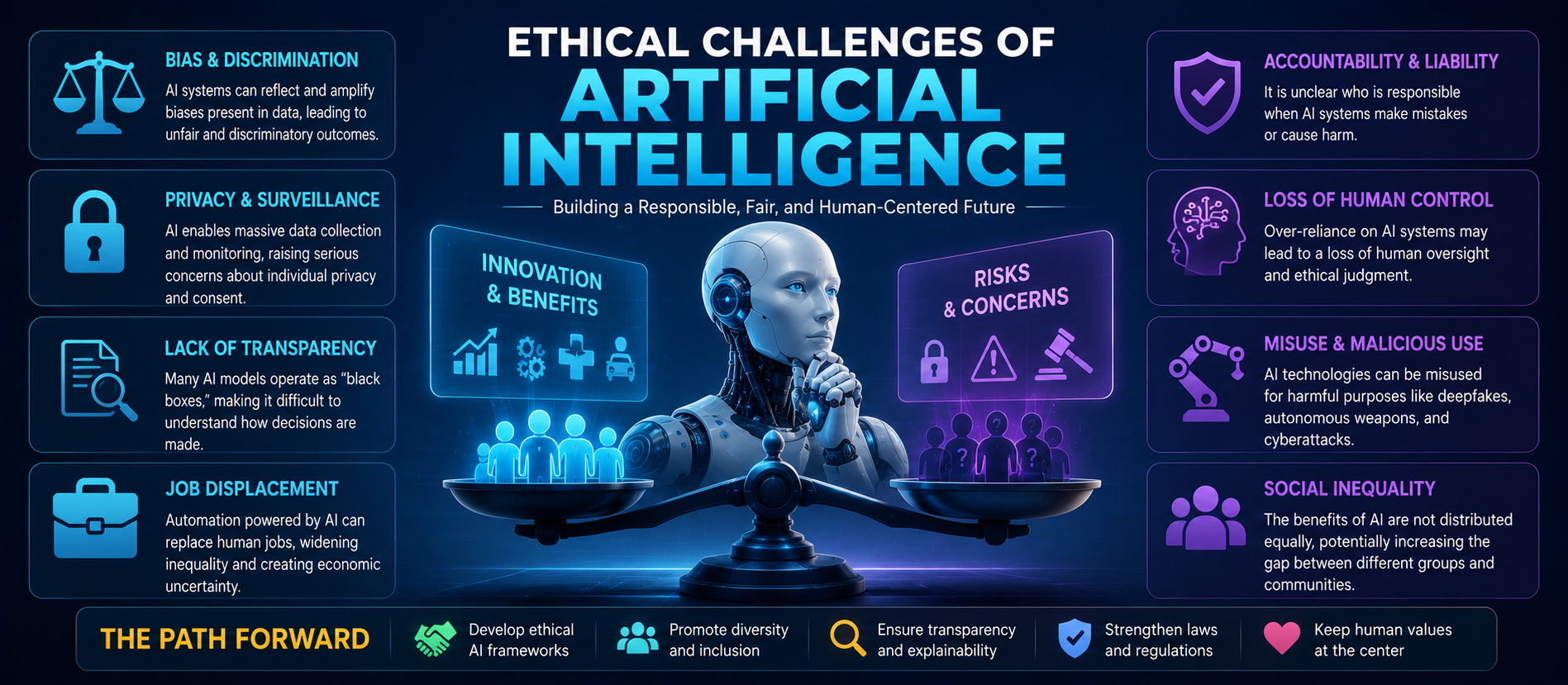
Major Ethical Challenges
Bias and Fairness
AI models can reflect biases present in training data, making continuous evaluation, diverse datasets, and fairness testing essential.
Privacy
Organizations must protect personal information through responsible data collection, encryption, consent, and governance.
Transparency
Users should understand how AI systems make recommendations and decisions whenever practical.
Accountability
Businesses need clear governance, human oversight, auditing, and responsibility for AI-assisted outcomes.
Misinformation
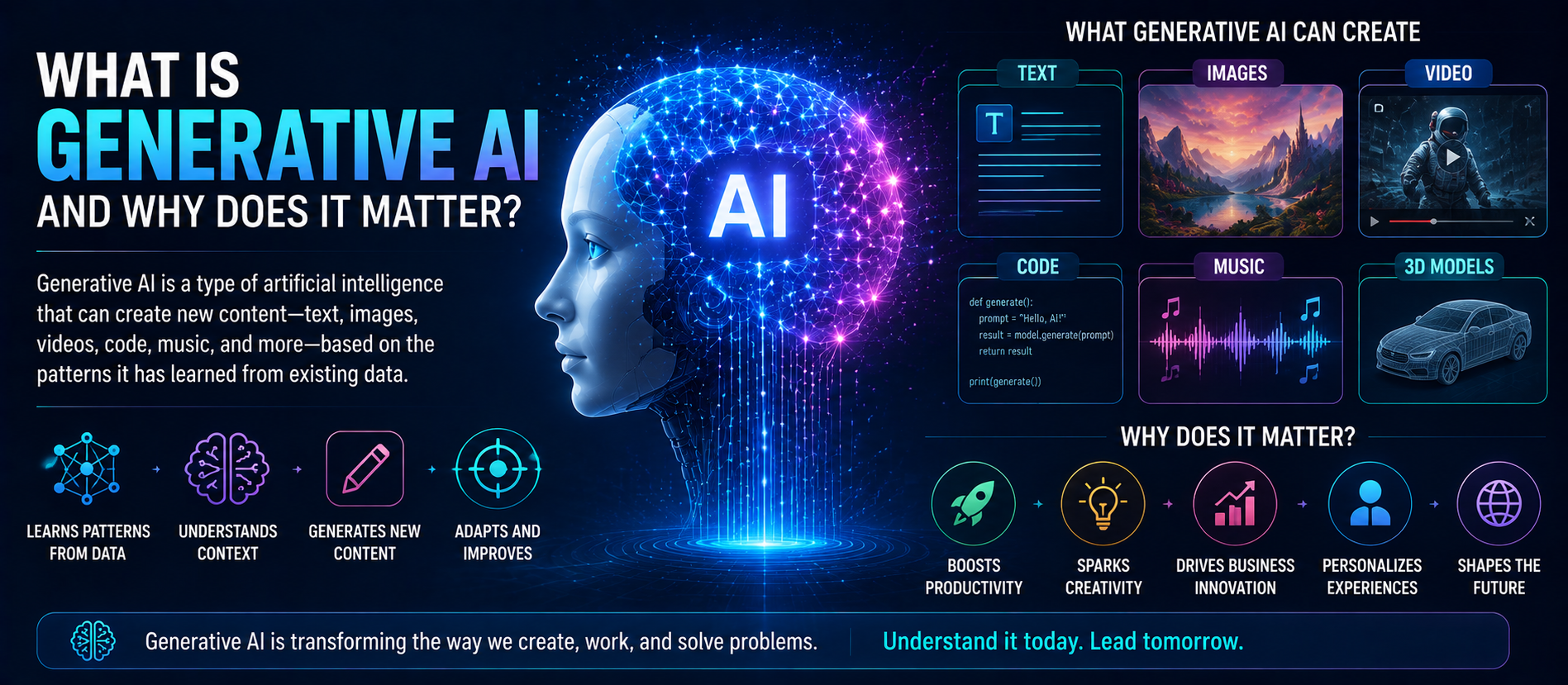
Generative AI can create convincing synthetic content, making verification and responsible use increasingly important.
Employment & Society
AI changes the nature of work, creating opportunities while also requiring workforce reskilling and thoughtful adoption.
Best Practices for Responsible AI
- Human oversight
- Regular bias testing
- Data governance policies
- Security by design
- Transparent AI documentation
- Continuous monitoring and auditing
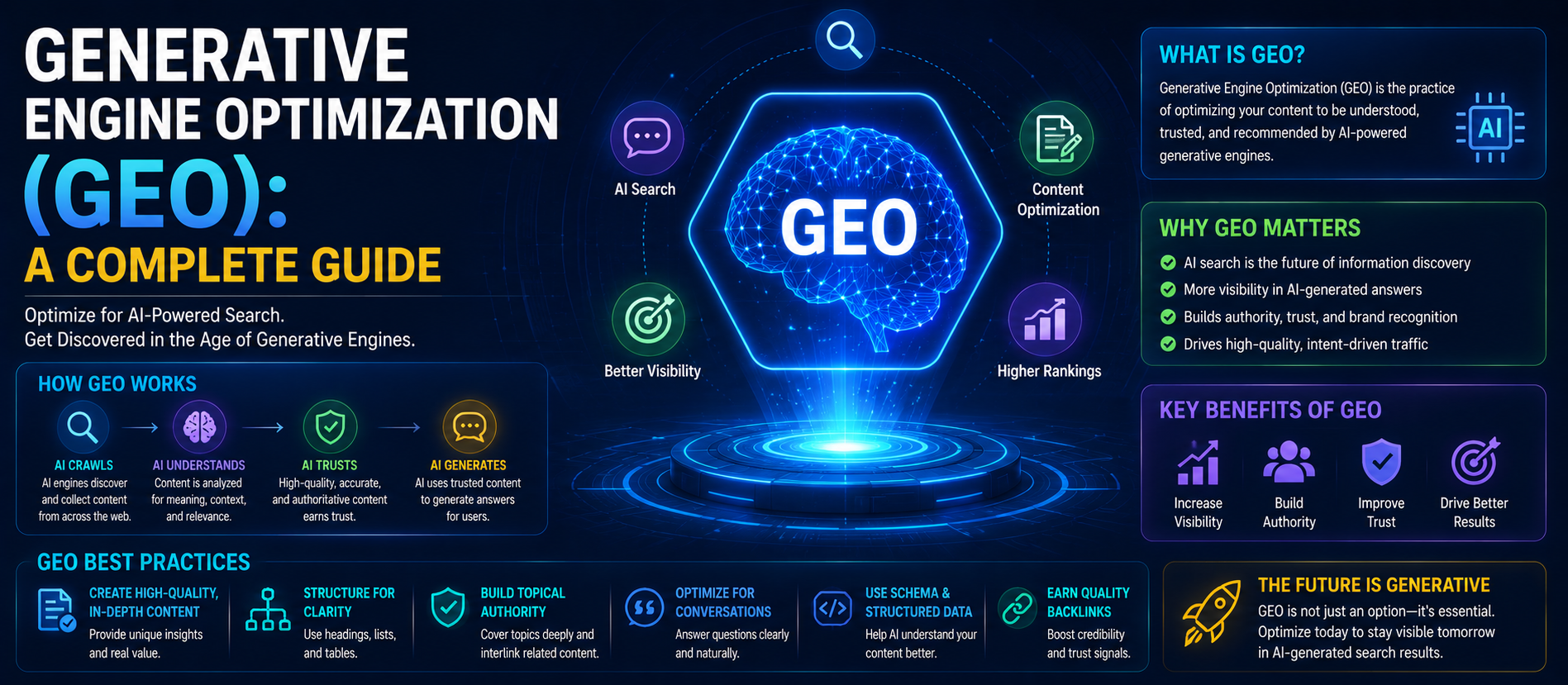
SEO + AEO + GEO Optimization
Use semantic HTML, structured FAQ sections, entity-rich keywords, descriptive metadata, and conversational content to improve visibility across Google Search, Bing, AI assistants, and generative search platforms.
Frequently Asked Questions
Why is AI ethics important?
AI ethics helps ensure that AI systems are fair, secure, transparent, and beneficial for individuals and society.
Can ethical AI improve business?
Yes. Responsible AI practices strengthen customer trust, reduce risk, support compliance, and encourage sustainable innovation.
Conclusion
Ethical Artificial Intelligence is essential for building trustworthy technologies that balance innovation with responsibility. Organizations that prioritize ethics, governance, and transparency will be better prepared for the future of AI.
About Digiifrog
Digiifrog (www.digiifrog.com) publishes expert resources on Artificial Intelligence, Digital Marketing, SEO, AEO, GEO, AI Search Optimization, cybersecurity, and emerging technologies.
Target Keywords: AI ethics, ethical AI, responsible AI, AI bias, AI privacy, AI governance, SEO, AEO, GEO, AI Search.
Template note: Expand this WordPress-ready HTML template into a complete 2,000–2,500+ word article with real-world examples, case studies, implementation strategies, statistics, and advanced FAQs.
Ready to Grow?
Talk to us about a strategy tailored to your brand — we will help you stand out in search, AI discovery and social.
Comments (0)
Log in to leave a comment.