
📋 Quick Summary
In this article:
How Alcohol Rehab Centers Support Recovery
What Happens Before Treatment Begins?
Medical Detox and Withdrawal Support
Residential and Inpatient Rehab
Medication for Alcohol Use Disorder
Managing Triggers and Cravings
Dual Diagnosis and Mental Health Care
Building Healthy Daily Routines
How Alcohol Rehab Centers Support Recovery
Alcohol rehab centers provide structured support for people who want to stop drinking or reduce harmful alcohol use. Good programs do more than remove alcohol from a person's daily environment. They help address physical health, mental health, behavior, relationships, and the practical challenges of long-term recovery.
There is no single treatment plan that works for everyone. The National Institute on Alcohol Abuse and Alcoholism (NIAAA) explains that alcohol treatment can include behavioral therapy, medications, and mutual-support groups. The right combination depends on the person's needs, health, goals, and level of alcohol use.
Rehab may be provided in residential, inpatient, intensive outpatient, or standard outpatient settings. Some people need a highly structured environment. Others can receive effective care while continuing to live at home.
What Happens Before Treatment Begins?
Recovery usually starts with an assessment. A qualified professional may ask about drinking patterns, withdrawal history, physical health, medications, mental health, previous treatment, family support, housing, and other substances.
This information helps the treatment team choose an appropriate level of care. It also helps identify risks that need attention before treatment begins. A strong program should use a customized plan rather than a fixed approach for every client. NIAAA identifies comprehensive assessment and customized treatment as signs of quality alcohol care.
Medical Detox and Withdrawal Support
Alcohol withdrawal can be dangerous for people who have been drinking heavily for a long time. Symptoms can include anxiety, shaking, sweating, nausea, sleep problems, confusion, and seizures. Severe withdrawal can become life-threatening.
For this reason, someone with a history of heavy alcohol use should not assume that suddenly stopping at home is safe. Medical professionals can assess withdrawal risk and provide appropriate monitoring and treatment.
Detox is only the beginning of recovery. It helps the body move through withdrawal, but it does not by itself address the reasons behind harmful drinking. Continued treatment is often needed after detox.
Residential and Inpatient Rehab
Residential treatment allows a person to live at a treatment facility while receiving structured care. Inpatient treatment may provide a higher level of medical supervision when health or withdrawal risks require it.
A structured setting can be helpful when alcohol is readily available at home, family or social pressures make recovery difficult, or the person has repeatedly returned to drinking.
Daily schedules may include therapy, group sessions, health education, recovery planning, meals, exercise, rest, and other supportive activities. The goal is to create a stable environment where the person can focus on recovery.
Outpatient Alcohol Treatment
Outpatient care allows people to live at home while attending treatment sessions. This can be useful for people who are medically stable and have a reasonably safe living environment.
Programs vary in intensity. Standard outpatient care may involve weekly counseling. Intensive outpatient programs can provide several treatment sessions each week. Some people move from residential care to outpatient care as their stability improves.
NIAAA notes that modern alcohol treatment is available at different levels of intensity and in different settings. Many outpatient options allow people to maintain work, family, and other daily responsibilities.
Behavioral Therapy
Therapy is a central part of many alcohol treatment programs. It helps people understand drinking patterns and develop practical skills for change.
Cognitive behavioral therapy (CBT) can help identify thoughts, feelings, situations, and habits that contribute to drinking. Therapy can then focus on healthier ways to manage stress and respond to triggers.
Motivational approaches can help people explore their reasons for changing their drinking. They can also help build confidence and create realistic goals.
Family and couples counseling may help repair communication and relationships affected by alcohol use. NIAAA lists CBT, motivational enhancement, family counseling, and other evidence-based approaches among treatment options for alcohol use disorder.
Medication for Alcohol Use Disorder
Alcohol rehab is not limited to counseling. Some people may benefit from FDA-approved medications as part of a broader treatment plan.
NIAAA identifies three FDA-approved medications for alcohol use disorder: naltrexone, acamprosate, and disulfiram. These medications work in different ways. Naltrexone can reduce alcohol cravings and rewarding effects. Acamprosate can support abstinence. Disulfiram can discourage drinking by causing unpleasant reactions when alcohol is consumed.
Medication is not appropriate for everyone. A qualified healthcare professional should review medical history, other medicines, liver or kidney concerns, pregnancy status when relevant, and other factors before recommending treatment.
Managing Triggers and Cravings
One of the main goals of rehab is learning how to handle situations that increase the urge to drink.
Common triggers can include stress, loneliness, conflict, certain social groups, financial problems, celebrations, places connected with drinking, and difficult emotions.
⚠ Watch Out
Therapists may help clients create a trigger plan. This can include recognizing warning signs, leaving high-risk situations, contacting a support person, using coping skills, changing routines, and practicing healthier responses.
Recovery becomes stronger when a person learns what to do before a craving turns into a decision to drink.
Dual Diagnosis and Mental Health Care
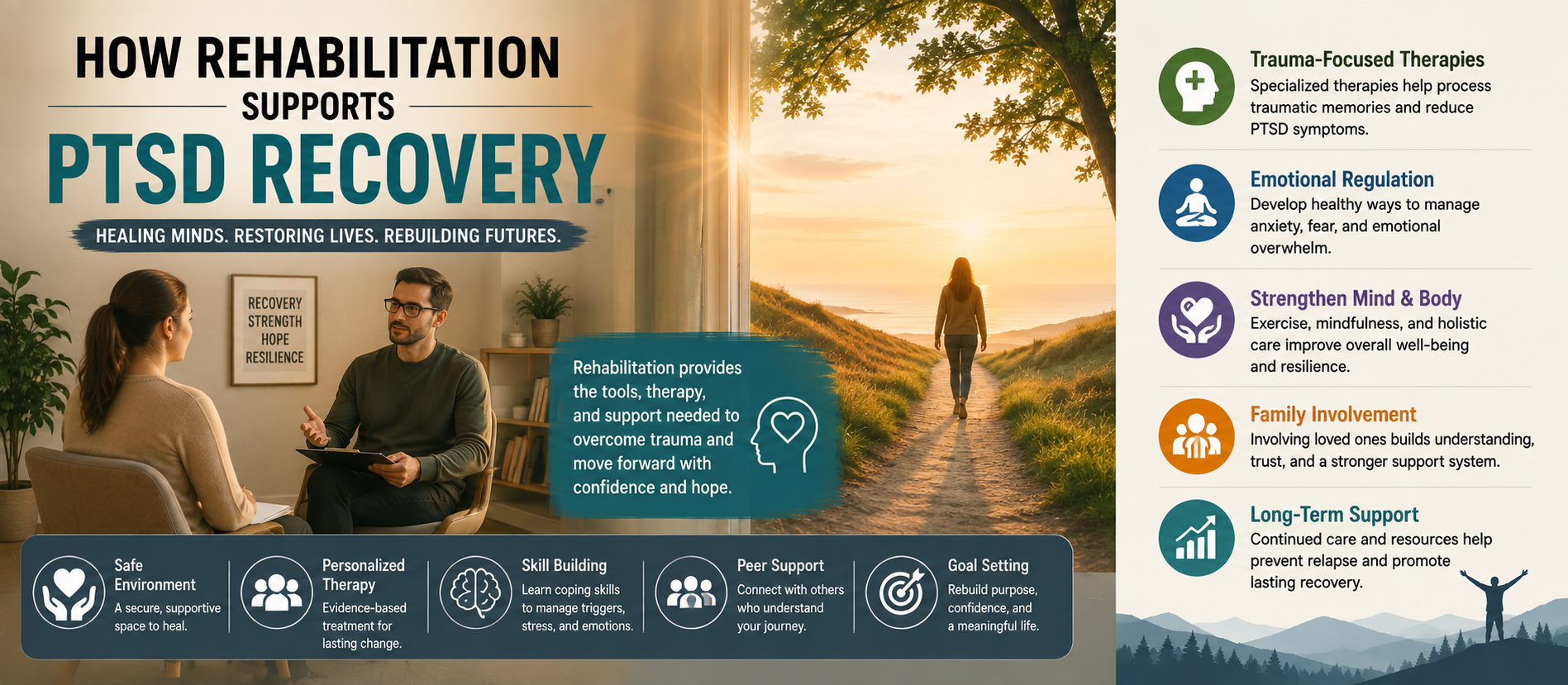
Alcohol problems can occur alongside depression, anxiety, trauma-related conditions, sleep problems, or other mental health concerns. These issues can affect each other.
💡 Key Insight
A good rehab program screens for co-occurring mental health needs and coordinates care when appropriate. Treating only alcohol use may leave an important source of distress unaddressed.
Integrated care can help a person understand the connection between emotions, stress, mental health symptoms, and drinking behavior.
Peer and Group Support
Group treatment can reduce isolation. It gives people a place to hear other experiences, practice communication, and receive encouragement.
Mutual-support groups such as Alcoholics Anonymous and other peer recovery programs can provide an additional layer of support. NIAAA notes that mutual-support groups can be especially useful when combined with professional treatment.
Not every support group feels right for every person. A quality treatment plan can help someone explore different options and find support that fits their beliefs, schedule, and recovery goals.
Family Support and Education
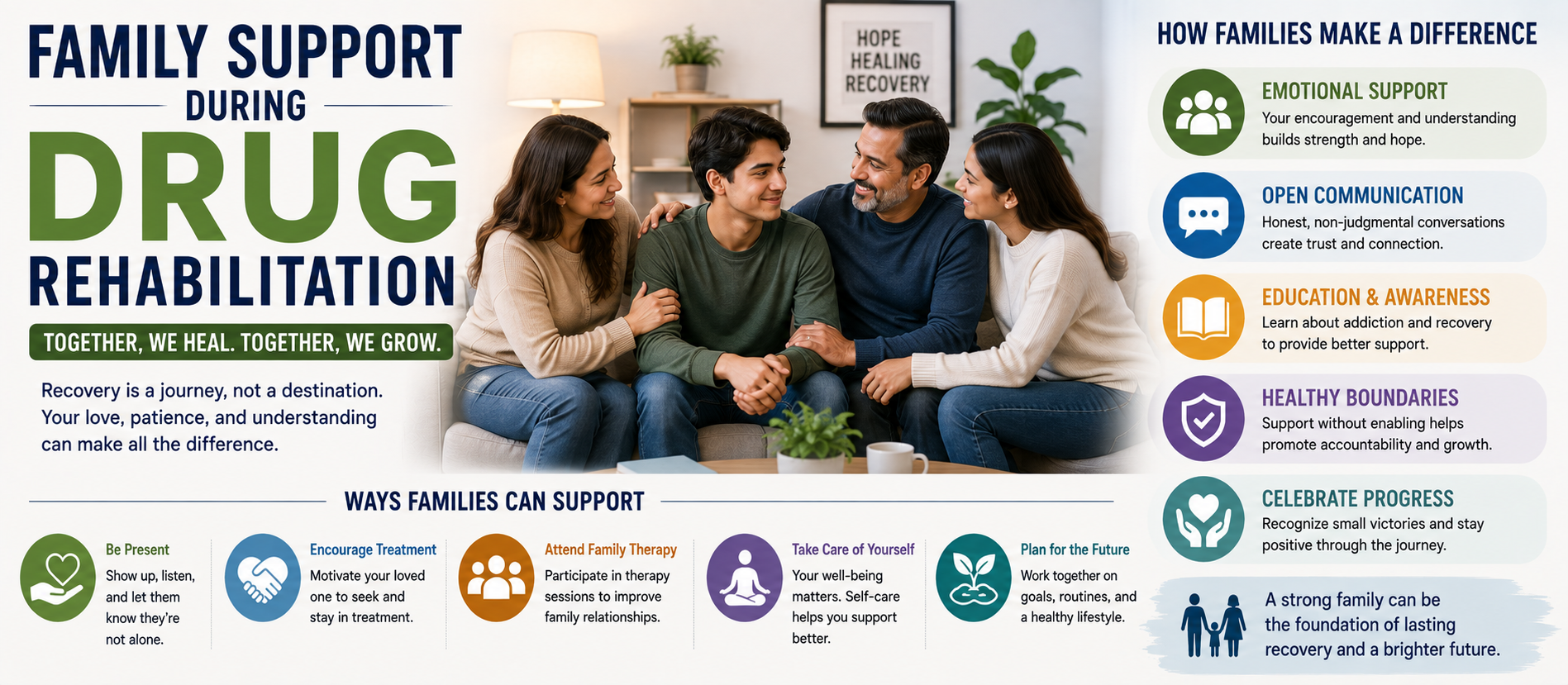
Alcohol misuse can affect partners, children, parents, and close friends. Family members may feel angry, worried, confused, or exhausted.
Rehab programs may provide family education or counseling. These services can explain how alcohol use disorder works, improve communication, and help families create healthy boundaries.
Family support does not mean controlling another person's recovery. It means encouraging treatment, supporting healthy choices, and avoiding behaviors that make harmful drinking easier.
Building Healthy Daily Routines
Recovery involves more than avoiding alcohol. Rehab can help people rebuild daily habits that support physical and emotional health.
- Regular sleep and meals.
- Physical activity when medically appropriate.
- Stress-management skills.
- Healthy social connections.
- Work, education, or meaningful activities.
- Time for hobbies and positive interests.
- Strategies for handling difficult emotions.
Small routines can become important protective factors. They create structure and give a person alternatives to drinking when stress appears.
Relapse Prevention
Rehab centers often create a relapse-prevention plan before discharge. The plan identifies warning signs, triggers, coping strategies, emergency contacts, treatment appointments, and recovery supports.
Relapse can happen during recovery. NIAAA describes it as a setback rather than proof that recovery is impossible. When someone returns to drinking, the treatment plan can be reviewed and adjusted.
Early action matters. Strong cravings, missed appointments, isolation, major stress, or renewed contact with drinking environments can be signals to ask for additional help.
Aftercare and Continuing Support
Recovery does not end when a person leaves rehab. Continuing care helps people apply treatment skills in everyday life.
Aftercare may include outpatient therapy, medication management, peer support, family counseling, recovery meetings, check-ins, or other community services.
NIAAA recommends asking treatment programs about their follow-up plans. A strong program should help clients transition from the initial treatment setting to the next stage of recovery.
How to Choose a Quality Alcohol Rehab Center
Choosing a rehab center is an important decision. Look for a program that is transparent about its services and treatment methods.
- Does the program provide a comprehensive assessment?
- Are treatment plans customized?
- Are evidence-based therapies available?
- Can medical professionals manage withdrawal risks?
- Can the program arrange appropriate medications for alcohol use disorder?
- Does it screen for mental health conditions?
- Is family counseling available?
- Does the program offer continuing care after discharge?
- Are costs, insurance, and payment policies explained clearly?
- Are staff credentials and qualifications easy to verify?
NIAAA recommends looking for credentials, comprehensive assessment, customized treatment, evidence-based care, and continuing recovery support when evaluating treatment providers.
What Recovery May Look Like After Rehab
Recovery looks different for every person. Some people stop drinking completely. Others may have a treatment goal developed with a healthcare professional that focuses on reducing harmful drinking.
For people with severe alcohol use disorder, abstinence may be the safest goal. Treatment decisions should be made with qualified professionals.
Long-term recovery can involve better health, improved relationships, stronger coping skills, stable work or education, and greater confidence in handling stress without alcohol.
Frequently Asked Questions
What do alcohol rehab centers do?
Alcohol rehab centers provide structured treatment for alcohol use disorder. Services may include assessment, withdrawal support, therapy, medication management, group support, family services, relapse prevention, and aftercare.
How long does alcohol rehab take?
There is no standard treatment length. Some people need short-term intensive care, while others benefit from longer residential or outpatient support. Treatment should be based on individual needs rather than a fixed number of days.
Can alcohol withdrawal be dangerous?
Yes. Withdrawal after heavy, prolonged alcohol use can become dangerous and sometimes life-threatening. Medical assessment is important before someone with significant alcohol dependence stops drinking.
Are medications used in alcohol rehab?
Yes. FDA-approved medications such as naltrexone, acamprosate, and disulfiram may be used for appropriate patients. A healthcare professional should determine whether medication is suitable.
Is inpatient rehab better than outpatient treatment?
Neither is automatically better. The appropriate setting depends on medical risk, drinking severity, home environment, mental health, support, and other needs.
What happens after alcohol rehab?
Many people continue with therapy, medication management, peer support, family counseling, or other recovery services. Continuing care helps maintain progress after the structured treatment period ends.
Final Thoughts
Alcohol rehab centers support recovery by combining structure, professional care, practical skills, and ongoing support. Effective treatment looks beyond drinking itself. It addresses health, mental well-being, relationships, triggers, routines, and long-term goals.
The most important point is that there is no one-size-fits-all recovery plan. A quality program assesses the person, creates a customized plan, uses evidence-based treatment, and provides a clear path into continuing care.
If alcohol use is causing health, relationship, work, or safety problems, professional help can be an important next step. Recovery is possible, and treatment can provide a practical path forward.
Digiifrog provides clear digital content for health, wellness, and business. For SEO, AEO, GEO, and AI Search services, visit www.digiifrog.com.
Sources and Further Reading
- National Institute on Alcohol Abuse and Alcoholism (NIAAA), Treatment for Alcohol Problems: Finding and Getting Help.
- NIAAA Alcohol Treatment Navigator, What Types of Alcohol Treatment Are Available?
- NIAAA Alcohol Treatment Navigator, Choosing Quality Alcohol Treatment.
- Substance Abuse and Mental Health Services Administration (SAMHSA), Treatment Options for Substance Use Disorder.
Medical note: This article is for general education and is not a substitute for medical advice. Alcohol withdrawal can be dangerous. Anyone with heavy or prolonged alcohol use should seek professional guidance before stopping suddenly. Seek emergency medical care for severe withdrawal symptoms or other urgent health concerns.
Ready to Grow?
Talk to us about a strategy tailored to your brand — we will help you stand out in search, AI discovery and social.
Comments (0)
Log in to leave a comment.