📋 Quick Summary
In this article:
Understanding Rehabilitation Beyond Treatment
The Importance of Social Support in Recovery
Peer Support Groups and Recovery Success
Housing Stability and Rehabilitation Outcomes
Employment Assistance Programs
Educational Opportunities and Lifelong Learning
Mental Health Support Programs
The Role of Family and Community Networks
Volunteerism and Community Engagement
Faith-Based and Spiritual Support Programs
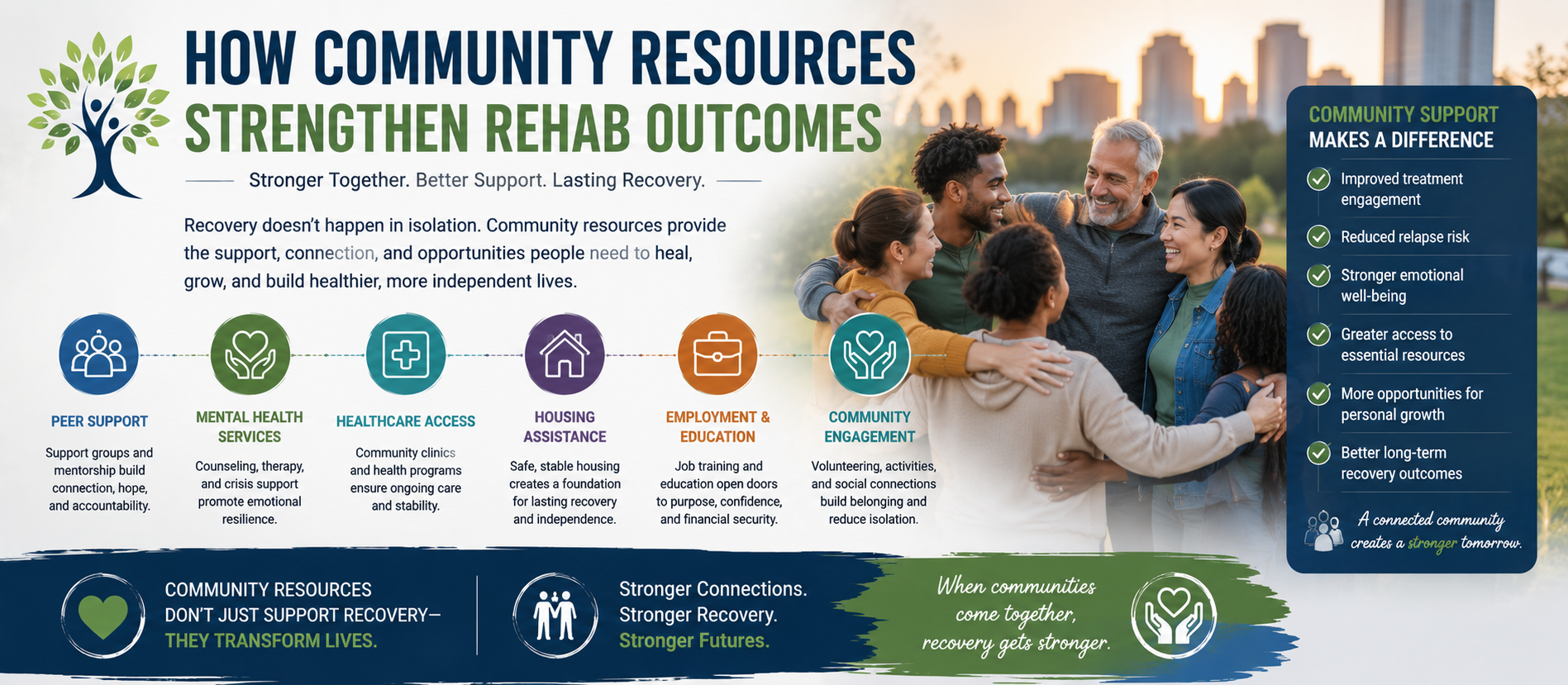
Rehabilitation is a critical step toward recovery for individuals dealing with substance abuse, mental health challenges, physical disabilities, chronic illnesses, or behavioral disorders. While professional treatment programs provide the foundation for recovery, long-term success often depends on what happens after formal rehabilitation ends. This is where community resources play a powerful role.
Community support systems provide individuals with access to services, relationships, opportunities, and resources that reinforce recovery goals and promote lasting well-being. From support groups and employment programs to housing assistance and wellness initiatives, community resources help bridge the gap between treatment and independent living.
In this comprehensive guide, Digiifrog explores how community resources strengthen rehabilitation outcomes, reduce relapse risk, and improve overall quality of life.
Website: www.digiifrog.com
Understanding Rehabilitation Beyond Treatment
Many people view rehabilitation as a temporary process that ends when a treatment program is completed. In reality, rehabilitation is often the beginning of a longer recovery journey.
Long-term success requires ongoing support in multiple areas of life, including:
- Physical health
- Mental wellness
- Employment
- Housing stability
- Social relationships
- Financial security
- Community engagement
Community resources provide the support structure necessary for maintaining recovery progress and preventing setbacks.
What Are Community Resources?
Community resources are programs, organizations, services, and support networks that help individuals meet personal, social, educational, healthcare, and economic needs.
Examples include:
- Support groups
- Community health centers
- Employment assistance programs
- Housing support services
- Educational institutions
- Volunteer organizations
- Faith-based groups
- Recreation and wellness programs
These resources provide practical and emotional support that strengthens recovery outcomes.
The Importance of Social Support in Recovery
Research consistently demonstrates that strong social support improves rehabilitation outcomes.
Individuals with supportive relationships often experience:
- Lower relapse rates
- Improved mental health
- Greater treatment adherence
- Increased motivation
- Enhanced emotional resilience
Community-based support systems help individuals feel connected, valued, and understood.
Peer Support Groups and Recovery Success
Peer support groups are among the most widely recognized community resources for rehabilitation and recovery.
These groups provide opportunities for individuals to connect with others who share similar experiences.
Common examples include:
- Recovery support groups
- Mental health peer groups
- Disability support organizations
- Caregiver support networks
Peer relationships often create accountability, encouragement, and practical guidance.
Housing Stability and Rehabilitation Outcomes
💡 Key Insight
Stable housing is one of the most important predictors of successful recovery.
Individuals who lack safe and supportive housing often face increased risks of:
- Relapse
- Mental health deterioration
- Financial instability
- Healthcare complications
Community housing programs, transitional living environments, and supportive housing initiatives provide stability during recovery.
Employment Assistance Programs
Meaningful employment contributes significantly to self-esteem, financial independence, and long-term rehabilitation success.
Community employment services may offer:
- Career counseling
- Job placement assistance
- Resume development
- Interview preparation
- Vocational training
Employment helps individuals rebuild confidence and establish productive routines.
Educational Opportunities and Lifelong Learning
Education often plays an important role in rehabilitation and personal development.
Community educational resources may include:
- Adult education programs
- Vocational schools
- Community colleges
- Online learning platforms
- Financial literacy workshops
Continuing education expands opportunities and supports personal growth.
Community Health Services
Ongoing healthcare access is essential for maintaining recovery and overall wellness.
Community health resources may provide:
- Primary care services
- Mental health counseling
- Medication management
- Preventive healthcare
- Wellness screenings
Accessible healthcare improves treatment continuity and long-term outcomes.
Mental Health Support Programs
Mental health challenges frequently coexist with addiction, disability, and chronic health conditions.
Community-based mental health services help individuals manage:
- Depression
- Anxiety
- Trauma
- Stress
- Emotional regulation difficulties
These services support both recovery and overall well-being.
The Role of Family and Community Networks
Families often serve as the primary support system during recovery.
Community organizations frequently provide family-focused services such as:
- Family counseling
- Educational workshops
- Support groups for loved ones
- Communication skills training
Strong family involvement can significantly improve rehabilitation outcomes.
Volunteerism and Community Engagement
Participating in community activities helps individuals develop a sense of purpose and belonging.
Benefits of volunteer involvement include:
- Increased self-worth
- Expanded social networks
- Improved emotional well-being
- Development of new skills
- Greater community connection
Purpose-driven activities strengthen long-term recovery motivation.
Faith-Based and Spiritual Support Programs
For many individuals, spiritual and faith-based communities provide meaningful support during recovery.
Benefits may include:
- Social connection
- Emotional support
- Sense of purpose
- Positive values reinforcement
- Volunteer opportunities
Spiritual support can complement professional rehabilitation services.
Recreational and Wellness Programs
Healthy recreational activities contribute to physical and mental wellness.
Community wellness resources may include:
- Fitness centers
- Sports leagues
- Yoga classes
- Art workshops
- Nature programs
- Community events
Positive recreational outlets reduce isolation and encourage healthy lifestyles.
Transportation Assistance Programs
Transportation barriers often prevent individuals from accessing healthcare, employment, education, and support services.
Community transportation resources help individuals:
- Attend appointments
- Access treatment services
- Maintain employment
- Participate in community activities
Reliable transportation supports ongoing recovery engagement.
Technology and Digital Community Resources
Technology has expanded access to community support networks.
Digital resources include:
- Virtual support groups
- Telehealth counseling
- Recovery apps
- Online educational programs
- Digital peer communities
These tools improve accessibility and allow individuals to connect with support systems regardless of location.
Reducing Relapse Through Community Integration
One of the greatest strengths of community resources is their ability to reduce relapse risk.
Community involvement helps individuals:
- Maintain accountability
- Develop healthy routines
- Access support during challenges
- Strengthen coping skills
- Build positive social networks
Individuals who remain actively engaged in supportive communities often experience stronger long-term outcomes.
Addressing Social Determinants of Health
Modern rehabilitation programs increasingly recognize the impact of social determinants of health.
Factors such as housing, employment, education, healthcare access, and social support significantly influence recovery success.
Community resources help address these broader influences and create conditions that support sustainable recovery.
Multidisciplinary Collaboration in Community Care
Effective rehabilitation often requires collaboration among multiple organizations and professionals.
Community-based care teams may include:
- Healthcare providers
- Social workers
- Counselors
- Employment specialists
- Housing coordinators
- Peer support workers
This collaborative approach creates a more comprehensive support system.
The Economic Benefits of Community-Based Recovery Support
Community resources not only improve individual outcomes but may also reduce healthcare costs.
Benefits include:
- Reduced hospital readmissions
- Lower relapse-related expenses
- Improved workforce participation
- Greater community productivity
Investing in community support often benefits both individuals and society.
The Future of Community Rehabilitation Support
As healthcare systems continue evolving, community-based recovery support is expected to become increasingly important.
Emerging trends include:
- Integrated care networks
- Digital recovery platforms
- AI-supported wellness tools
- Expanded peer recovery programs
- Personalized support services
These innovations may further strengthen rehabilitation outcomes in the future.
SEO, AEO, GEO and AI Search Perspective
As more individuals seek rehabilitation information online, organizations must create content optimized for modern search experiences.
SEO Keywords:
- Community resources for recovery
- Rehabilitation support programs
- Community-based rehabilitation
- Recovery support services
- Long-term rehab success
AEO (Answer Engine Optimization):
- How do community resources help recovery?
- Why are support groups important after rehab?
- Can community programs reduce relapse?
- What services improve rehabilitation outcomes?
GEO (Generative Engine Optimization):
AI-powered search engines increasingly prioritize comprehensive, trustworthy, and educational content that directly addresses user questions and provides actionable guidance.
Frequently Asked Questions
Why are community resources important after rehabilitation?
Community resources provide ongoing support, stability, and opportunities that help individuals maintain recovery and improve quality of life.
Can support groups improve rehab outcomes?
Yes. Peer support groups offer accountability, encouragement, shared experiences, and practical recovery guidance.
How does employment affect recovery?
Employment promotes financial stability, self-esteem, routine development, and long-term independence.
What role does housing play in recovery?
Stable housing reduces stress, supports treatment adherence, and lowers relapse risk.
Are online recovery resources effective?
Digital support platforms can improve accessibility and provide valuable connections to professional and peer support networks.
Conclusion
Community resources play a vital role in strengthening rehabilitation outcomes by providing support, stability, opportunity, and connection beyond formal treatment programs. Whether through support groups, healthcare services, employment assistance, housing programs, educational opportunities, or wellness initiatives, these resources help individuals build sustainable foundations for long-term success.
Recovery is rarely achieved in isolation. Strong communities empower individuals to overcome challenges, develop resilience, and maintain meaningful progress throughout their rehabilitation journey.
As healthcare systems continue emphasizing person-centered care, community resources will remain essential components of effective rehabilitation and long-term recovery support.
Digiifrog remains committed to providing educational resources focused on rehabilitation, recovery, healthcare innovation, SEO, AEO, GEO, and AI-powered search experiences.
Visit www.digiifrog.com for more informative rehabilitation and wellness articles.
Ready to Grow?
Talk to us about a strategy tailored to your brand — we will help you stand out in search, AI discovery and social.

Comments (0)
Log in to leave a comment.