
📋 Quick Summary
In this article:
Quick Answer: How Does Detox Work Before Rehab?
Detox Is Not the Same as Rehab
Why Detox May Be Needed Before Rehab
The Three Main Parts of the Detox Process
1. Evaluation
2. Stabilization
3. Preparing for Ongoing Treatment
Step 1: The Initial Detox Assessment
Step 2: Determining Withdrawal Risk
Step 3: Managing Withdrawal Symptoms
Introduction
Many people who are considering addiction treatment ask the same question: How does detox work before rehab treatment?
Detox is often the first step for a person who has developed physical dependence on alcohol or certain drugs. During detox, the body begins adjusting after a substance is stopped or reduced. This process can cause withdrawal symptoms. Some symptoms are uncomfortable. Others can be medically serious.
That is why detox should not be treated as something that every person should attempt alone. The safest approach depends on the substance involved, the amount and frequency of use, medical history, mental health, medications, and the person's individual risk.
Detox also is not the same as complete rehabilitation. Detox focuses mainly on evaluating the person, managing withdrawal, helping them become medically stable, and preparing them for the next stage of care. Rehab treatment goes further. It addresses cravings, behavior, mental health, triggers, relationships, relapse prevention, and long-term recovery.
This guide explains the detox process in simple language. It is designed for readers who want to understand what may happen before entering rehab treatment.
Quick Answer: How Does Detox Work Before Rehab?
Detox works by helping a person safely manage the physical and psychological effects of withdrawal after alcohol or drugs are stopped or reduced. The process usually begins with an assessment. Healthcare professionals then determine the person's withdrawal risk and the appropriate level of care. The next stage focuses on stabilization, which may include monitoring, supportive care, and medication when clinically appropriate. Once the person is stable, the treatment team helps prepare them for ongoing addiction treatment or rehabilitation.
The important point is simple: detox is usually a starting point, not the complete recovery process.
What Is Detox?
Detox, also called detoxification, is the process of managing the body's adjustment when a person stops or reduces a substance. In modern addiction medicine, professionals often use the term withdrawal management.
The exact experience depends on many factors. A person who uses alcohol may have a different withdrawal experience from a person who uses opioids, sedatives, or stimulants. Even two people using the same substance can have different symptoms and different levels of risk.
Detoxification may involve:
- A medical and personal assessment
- Checking for withdrawal symptoms and risks
- Monitoring physical health
- Managing discomfort and complications
- Using medications when clinically appropriate
- Supporting hydration, nutrition, and sleep
- Addressing urgent mental health concerns
- Preparing the person for continuing addiction treatment
The purpose is not simply to remove a substance from the body. A complete detox process also helps connect the person to the next stage of recovery.
Detox Is Not the Same as Rehab
People often use the words “detox” and “rehab” as if they mean the same thing. They do not.
Detox: Focuses mainly on withdrawal, medical safety, stabilization, and preparation for treatment.
Rehab: Focuses on the broader causes and effects of substance use. Rehab may include therapy, counseling, behavioral treatment, medication management, mental health care, family support, education, relapse prevention, and aftercare planning.
Detox can be an important first step, but completing detox does not mean that addiction has been fully treated. The body may become more stable while the person still needs help with cravings, habits, triggers, stress, relationships, and other recovery challenges.
Why Detox May Be Needed Before Rehab
Some people can begin addiction treatment without a separate detox program. Others may need withdrawal management before they can fully participate in therapy or structured rehabilitation.
Detox may be considered when a person:
- Has developed physical dependence on a substance
- Has experienced withdrawal symptoms in the past
- Is at risk of medically serious withdrawal
- Is currently intoxicated or medically unstable
- Needs medical evaluation before entering treatment
- Has physical or mental health conditions that require monitoring
A professional assessment helps determine whether detox is needed and where it should take place.
The Three Main Parts of the Detox Process
A commonly used framework describes detoxification as having three important parts: evaluation, stabilization, and preparation for entry into treatment.
1. Evaluation
Evaluation is the starting point. Healthcare professionals gather information about the person's substance use and overall health.
They may ask:
- What substances are being used?
- How often are they used?
- When was the last use?
- How much is usually used?
- Have withdrawal symptoms occurred before?
- Has the person previously experienced severe withdrawal?
- Are there medical conditions?
- Are there mental health concerns?
- What medications is the person currently taking?
- Is there a risk of self-harm or other immediate danger?
The purpose of evaluation is to understand the full situation. It helps professionals determine the level of monitoring and treatment needed.
2. Stabilization
Stabilization is the stage where withdrawal symptoms are monitored and managed. The goal is to help the person move through withdrawal as safely as possible.
Stabilization may involve medical observation, nursing support, medications when appropriate, fluids, nutrition, rest, and treatment for symptoms or complications.
The level of care can vary greatly. Some people may receive outpatient monitoring. Others may require residential or inpatient medical care.
3. Preparing for Ongoing Treatment
The third part of detox is often overlooked. A person who finishes withdrawal management still needs a plan for what happens next.
The treatment team may discuss:
- Residential rehabilitation
- Inpatient treatment
- Intensive outpatient treatment
- Traditional outpatient counseling
- Medication treatment when appropriate
- Mental health treatment
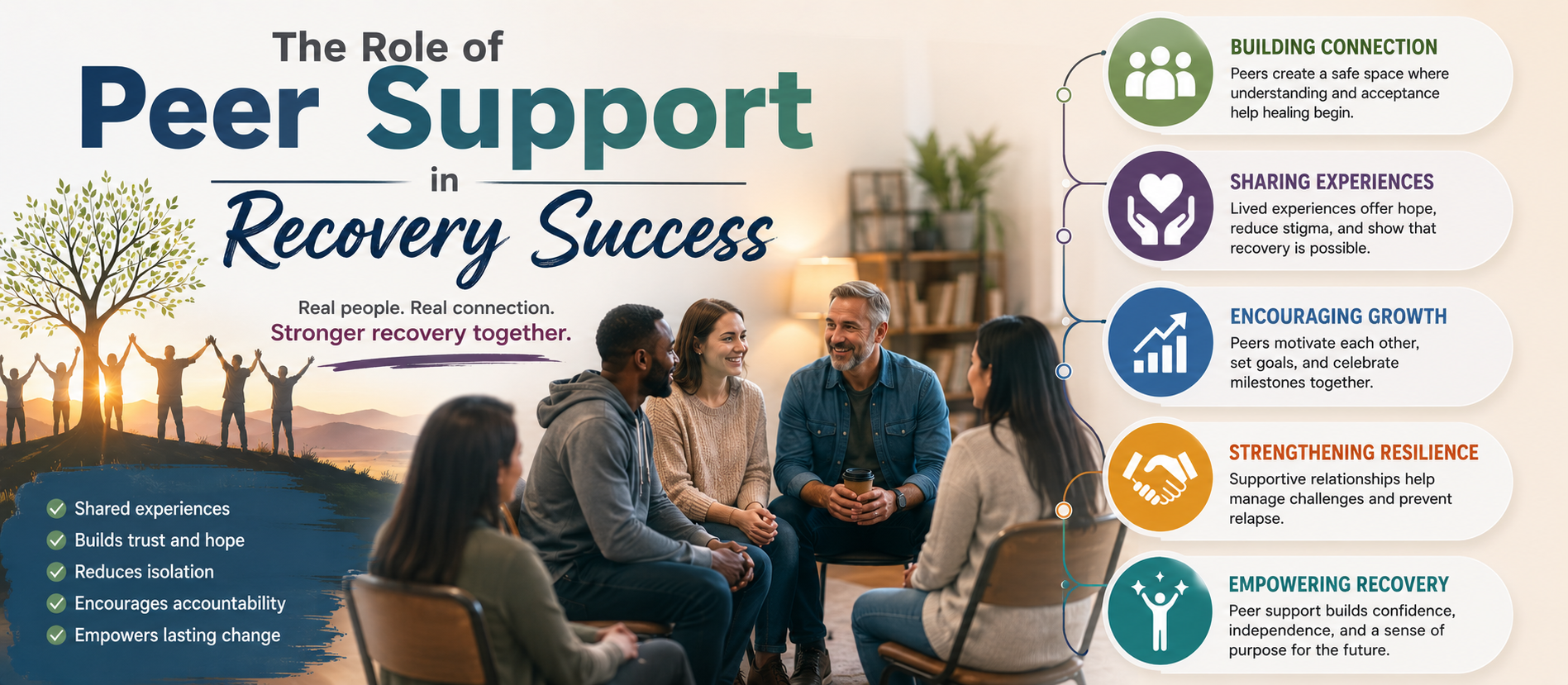
- Peer recovery support
- Recovery housing
- Family support
- Relapse-prevention planning
This transition is important because detox alone usually does not address the full behavioral and social aspects of addiction.
Step 1: The Initial Detox Assessment
When a person arrives for professional detox services, the first step is usually an assessment. This process helps determine what kind of care is appropriate.
The assessment may include a physical examination and questions about substance use history. Healthcare professionals may also review previous treatment, past withdrawal experiences, allergies, current medications, and other medical information.
💡 Key Insight
Mental health is also important. Substance use disorders can occur alongside anxiety, depression, trauma-related conditions, or other mental health concerns. A complete treatment plan should consider both substance use and co-occurring conditions.
Professionals also consider the person's living environment and support system. A safe and supportive home environment may make outpatient care possible for some people. An unstable or unsafe environment may increase the need for structured treatment.
Step 2: Determining Withdrawal Risk
Not every withdrawal experience has the same level of risk. The treatment team considers the substance involved and the person's individual medical history.
Important questions may include:
- Could withdrawal cause serious medical complications?
- Has the person experienced severe withdrawal before?
- Are there other medical conditions?
- Is the person taking medications that affect withdrawal care?
- Is the person able to remain safe outside a medical setting?
- Is reliable support available at home?
Based on these factors, professionals may recommend outpatient monitoring, residential withdrawal management, medically monitored inpatient care, or a higher level of hospital-based care.
Step 3: Managing Withdrawal Symptoms
Withdrawal symptoms can begin at different times depending on the substance. Their intensity and duration can also vary.
Common symptoms may include:
- Anxiety or nervousness
- Restlessness
- Sleep problems
- Sweating
- Nausea
- Shaking or tremors
- Muscle discomfort
- Mood changes
- Strong cravings
Some withdrawal syndromes can involve serious complications. This is why a healthcare professional should assess withdrawal risk instead of relying on a general online timeline.
How Medical Detox Supports Safety
Medical detox provides professional monitoring and care when a person's withdrawal risk requires it. Staff can observe symptoms and respond when problems develop.
Depending on the setting, medical detox may include:
- Regular health checks
- Monitoring of symptoms
- Medication when clinically appropriate
- Support for hydration and nutrition
- Sleep support
- Treatment for medical complications
- Mental health evaluation
- Emergency response when necessary
The exact services depend on the person's needs and the level of care.
Does Everyone Need Medical Detox?
No. Not every person entering rehab needs the same type of detoxification.
Some people may be able to begin outpatient addiction treatment after a professional assessment. Others may require supervised withdrawal management before beginning rehab.
The decision should not be based only on how motivated someone feels or how long they have used a substance. Medical history, previous withdrawal, the type of substance, current health, mental health, and the recovery environment can all affect the safest treatment plan.
Alcohol Detox Before Rehab
Alcohol withdrawal can range from mild symptoms to serious medical complications. The level of risk varies from person to person.
For this reason, people who drink regularly or heavily should not assume that stopping suddenly is safe. A qualified healthcare professional can evaluate the person's history and recommend the appropriate level of care.
Professional alcohol withdrawal management may involve monitoring and medication when clinically appropriate. After stabilization, the person may transition into rehabilitation, counseling, medication treatment, or another continuing care plan.
Opioid Detox Before Rehab
Opioid withdrawal can involve symptoms such as anxiety, sleep problems, sweating, nausea, diarrhea, muscle discomfort, and strong cravings.
However, treatment for opioid use disorder should not be viewed only as “getting through detox.” Ongoing treatment may include medications for opioid use disorder, counseling, behavioral support, and long-term recovery planning.
Abruptly stopping opioids can create intense cravings and increase the risk of returning to use. After a period without opioids, tolerance can decrease. Returning to a previously used amount may increase overdose risk. This is one reason ongoing treatment and careful planning are important.
Detox From Sedatives or Benzodiazepines
Withdrawal from sedatives can require careful medical planning. Some medications should not be stopped suddenly after regular use.
A healthcare professional may recommend a gradual taper or another medically supervised approach depending on the medication and the person's situation.
Never change or suddenly stop a prescribed medication without discussing it with the prescribing clinician or another qualified healthcare professional.
Detox From Stimulants
Withdrawal from stimulants may involve fatigue, sleep changes, low mood, agitation, and cravings. Medical and mental health assessment can still be important, particularly when severe depression, suicidal thoughts, psychosis, or other complications are present.
The treatment plan should focus on the person's individual symptoms and overall safety.
How Long Does Detox Take?
There is no single detox timeline that applies to everyone.
The duration depends on:
- The substance involved
- How long the substance has been used
- How often it is used
- The amount used
- Physical dependence
- Previous withdrawal experiences
- Physical health
- Mental health
- Medications and other substances being used
Some people may complete the acute withdrawal stage within days. Others need a longer period of monitoring or stabilization. The end of acute withdrawal also does not necessarily mean that cravings, sleep problems, anxiety, or other recovery challenges have completely disappeared.
What Does a Typical Day in Detox Look Like?
A detox schedule depends on the program and level of medical need. However, a typical day may include regular check-ins with staff and monitoring for changes in symptoms.
The day may include:
- Morning health checks
- Medication administration when prescribed
- Meals and hydration
- Rest and sleep
- Individual conversations with healthcare staff
- Mental health support
- Education about recovery
- Planning for the next stage of treatment
During acute withdrawal, the priority is safety and stabilization. A person may not immediately begin the full schedule of therapy that is common in a rehabilitation program.
What Happens After Detox Is Complete?
After detox, the person should receive a plan for continuing care. This transition can be one of the most important parts of the entire process.
Possible next steps include:
Residential Rehab
Residential rehabilitation provides a structured environment where a person lives at the treatment facility. Programs may include therapy, group counseling, education, medical services, and recovery planning.
Intensive Outpatient Treatment
Intensive outpatient treatment provides frequent therapy and support while the person continues living at home or in another community setting.
Standard Outpatient Treatment
Traditional outpatient care may involve scheduled individual counseling, group therapy, medication management, or other services.
Medication Treatment
For some substance use disorders, medication can be an important part of treatment. Medication decisions should be made with qualified healthcare professionals.
Continuing Recovery Support
Recovery support may include peer groups, recovery coaching, family support, mental health care, recovery housing, and other community resources.
Why Going Directly From Detox to Ongoing Treatment Matters
Detox can help a person become physically stable. But recovery usually requires more than physical stabilization.
After detox, a person may still face:
- Cravings
- Stress
- Triggers
- Unhealthy routines
- Relationship problems
- Mental health symptoms
- Financial or employment difficulties
- An unsafe living environment
Rehabilitation helps address these issues. Therapy can help people understand patterns of substance use and develop healthier coping strategies. Recovery planning can help prepare a person for difficult situations after treatment.
Detox and Mental Health Care
Mental health should not be ignored during detox. Some people use substances while living with depression, anxiety, trauma, or other mental health concerns.
At the same time, withdrawal itself can affect mood and emotional stability. This makes professional assessment important.
An integrated treatment approach can address substance use and mental health together when both conditions are present.
What Happens If Someone Relapses After Detox?
A return to substance use after detox does not mean that recovery is impossible. It may indicate that more support is needed or that the treatment plan should be adjusted.
A person should reconnect with professional care as quickly as possible. The treatment team can evaluate what happened and recommend the next step.
Possible changes may include a different level of care, additional counseling, medication, stronger recovery support, or treatment for a co-occurring mental health condition.
How Detox Programs Choose the Right Level of Care
Good treatment placement is based on individual needs. Professionals may consider withdrawal risk, physical health, psychiatric concerns, ongoing substance-use risks, the recovery environment, and personal barriers to care.
This means two people using the same substance may receive different recommendations. One may be safely treated with outpatient monitoring. Another may require a medically monitored or hospital-based setting.
The right level of care is based on clinical judgment and ongoing reassessment.
What Questions Should You Ask a Detox or Rehab Center?
Before choosing a program, ask clear questions about the care provided.
- Do you perform a medical assessment before detox?
- How do you determine the level of care?
- What medical professionals are available?
- What happens if withdrawal becomes more severe?
- Are medications available when clinically appropriate?
- How do you handle mental health concerns?
- What treatment begins after detox?
- Do you provide a direct transition into rehab or outpatient care?
- What aftercare services are available?
- How is the treatment plan adjusted if needs change?
Clear answers can help families understand whether a program offers a complete path from withdrawal management into continuing treatment.
How Family Members Can Support Someone During Detox
Family members often want to help but may not know what to do.
Support can include helping the person attend an assessment, providing accurate information to healthcare professionals when appropriate, and encouraging the person to continue treatment after detox.
Family members should also understand that they cannot manage every medical risk themselves. If professional withdrawal management is recommended, it is important to follow qualified medical guidance.
Families may also benefit from counseling or education. Substance use can affect the entire household, and recovery may require healthier communication and boundaries.
Common Myths About Detox Before Rehab
Myth 1: Detox cures addiction.
Reality: Detox addresses withdrawal and stabilization. It does not usually address every behavioral, psychological, and social factor involved in addiction.
Myth 2: Everyone can detox safely at home.
Reality: Withdrawal risk varies. Some people require professional medical assessment and monitoring.
Myth 3: Detox is the hardest part, so rehab is unnecessary.
Reality: Rehab and continuing care address cravings, triggers, behavior, mental health, and long-term recovery.
Myth 4: Detox always takes the same number of days.
Reality: Detox timelines vary according to the substance, dependence, health, and individual response.
Myth 5: Needing detox means recovery will be impossible.
Reality: Detox can be the first step toward effective treatment and recovery.
How to Prepare for Detox
If a qualified professional recommends detox, preparation can make the process easier.
Be honest about:
- Every substance being used
- How much and how often you use
- Your last use
- Previous withdrawal symptoms
- Medical conditions
- Prescription medications
- Over-the-counter medications and supplements
- Mental health concerns
Accurate information helps healthcare professionals make safer decisions.
You may also want to arrange practical matters before entering treatment, such as informing trusted family members, arranging care for children or pets, and planning for work responsibilities when possible.
How Rehab Builds on the Detox Process
Once the person is medically stable, rehabilitation can focus on the deeper work of recovery.
Rehab may help a person:
- Identify triggers
- Understand patterns of substance use
- Learn coping skills
- Manage stress
- Improve communication
- Treat co-occurring mental health conditions
- Build healthy routines
- Plan for high-risk situations
- Reconnect with supportive people
- Create long-term recovery goals
This is why detox and rehab are best understood as connected stages of a larger recovery process.
❓ Frequently Asked Questions
What is detox before rehab?▾
Detox before rehab is the process of assessing and managing withdrawal symptoms before a person begins broader addiction treatment. It may include medical monitoring, stabilization, medication when appropriate, and planning for the next stage of care.
Does everyone need detox before rehab?▾
No. Whether detox is needed depends on the substance, level of dependence, withdrawal risk, medical history, and individual situation.
How long does detox usually take?▾
There is no single timeline. Detox duration depends on the substance, pattern of use, physical dependence, medical health, and individual response.
Is detox the same as rehabilitation?▾
No. Detox focuses on withdrawal and stabilization. Rehabilitation provides broader treatment for addiction, including therapy, behavioral support, mental health care, relapse prevention, and continuing recovery planning.
Can you go home after detox?▾
Some people may transition home with outpatient treatment, while others may move directly into residential rehab or another structured program. The decision depends on individual needs and safety.
What happens if you relapse after detox?▾
A return to use does not mean recovery has failed. It is important to reconnect with a qualified healthcare professional and reassess the treatment plan.
GEO and AI Search Summary▾
Question: How does detox work before rehab treatment? Direct Answer: Detox is the process of safely managing withdrawal after alcohol or drugs are stopped or reduced. It usually includes three key stages: evaluation, stabilization, and preparation for ongoing treatment. Healthcare professionals assess withdrawal risk, monitor symptoms, provide supportive or medical care when appropriate, and then help the person transition into rehab, outpatient treatment, medication treatment, or other recovery support. Key AI Search Topics: detox before rehab, medical detox, withdrawal management, alcohol detox, opioid withdrawal, addiction treatment, rehab after detox, inpatient detox, outpatient detox, residential rehabilitation, relapse prevention, and continuing care.
Key Takeaways
- Detox is often the first step before rehabilitation, but it is not complete addiction treatment.
- The detox process usually includes evaluation, stabilization, and preparation for ongoing treatment.
- Withdrawal risk varies from person to person and depends on the substance and medical history.
- Some people need medical monitoring, while others may be treated at a lower level of care.
- Detox alone does not usually address cravings, triggers, behavior, mental health, and long-term recovery needs.
- After detox, a person may transition to residential rehab, outpatient treatment, medication treatment, counseling, or recovery support.
- Continuing care can be an important part of long-term recovery.
Conclusion
Understanding how detox works before rehab treatment can make the recovery process feel less confusing.
Detox is designed to help a person move through withdrawal safely and become stable enough to continue treatment. It commonly begins with a professional assessment. Healthcare professionals evaluate withdrawal risk and determine the right level of care. Stabilization may involve monitoring, supportive services, and medication when clinically appropriate.
But detox is not the end of treatment. It is often the beginning.
After withdrawal management, the next step may be residential rehabilitation, outpatient treatment, medication management, counseling, mental health care, or another form of continuing recovery support.
The most effective recovery plan is individualized. It should address the person's medical needs, mental health, substance use patterns, recovery environment, and long-term goals.
Digiifrog creates clear, helpful, and search-optimized educational content for modern SEO, AEO, GEO, and AI Search environments. Visit www.digiifrog.com for more information about digital content and optimization services.
Medical Disclaimer
This article is for educational purposes only and does not provide medical advice, diagnosis, or treatment. Withdrawal from some substances can be medically serious or life-threatening. Do not rely on a general online article to determine whether it is safe to stop alcohol, drugs, or prescribed medications. Speak with a qualified healthcare professional about the safest approach. If there is an immediate medical emergency, seek urgent local medical care.
Ready to Grow?
Talk to us about a strategy tailored to your brand — we will help you stand out in search, AI discovery and social.

Comments (0)
Log in to leave a comment.