📋 Quick Summary
In this article:
Quick Answer: Can Smart Home Technology Reduce Insurance Risks?
What Is Smart Home Technology?
Why Do Smart Devices Matter for Home Insurance?
1. Smart Water Leak Detectors Can Help Prevent Costly Water Damage
Where should you place leak sensors?
2. Smart Smoke Alarms Can Improve Fire Detection
3. Smart Security Systems Can Help Deter Theft
4. Temperature and Freeze Sensors Can Protect Pipes and Property
5. Smart Electrical Monitoring May Help Identify Warning Signs
6. Smart Lighting and Presence Controls Can Support Home Security
7. Connected Devices Can Help Create Better Records After an Incident
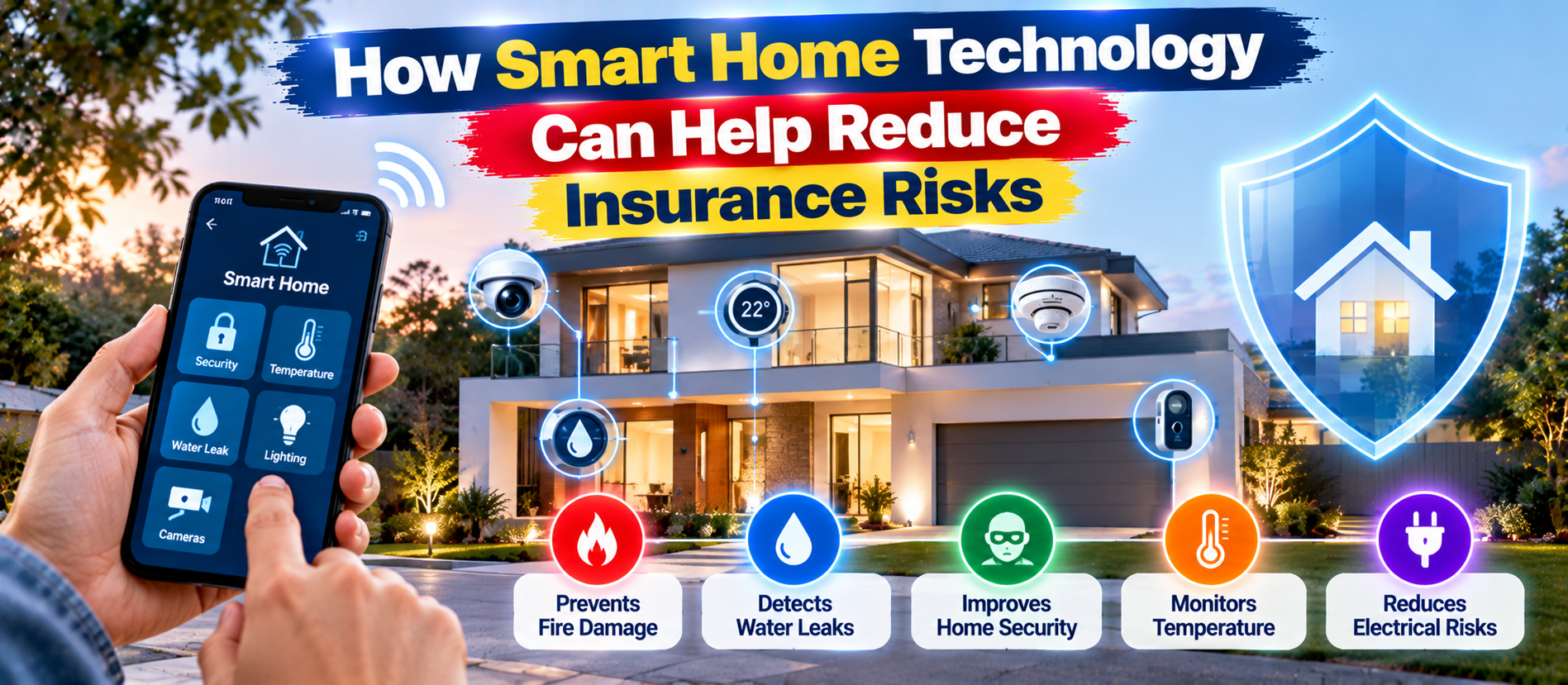
Smart home technology can help homeowners spot problems sooner, respond faster, and protect their property. Devices such as water leak sensors, smart smoke alarms, security cameras, and connected thermostats can reduce some common home risks. They do not remove every risk, and they do not replace suitable insurance. However, when chosen and maintained well, they can form a useful part of a practical home protection plan.
Quick Answer: Can Smart Home Technology Reduce Insurance Risks?
Yes. Smart home technology can help reduce certain insurance risks by detecting water leaks, smoke, unusual activity, extreme temperatures, and other warning signs. Alerts can help residents take action before a small issue becomes a major loss. Some insurers may offer discounts or other benefits for approved devices, but this varies by insurer, location, policy, and equipment. Always confirm eligibility and requirements with your insurance provider.
What Is Smart Home Technology?
Smart home technology uses connected devices to monitor or control parts of a home. Many devices communicate through Wi-Fi, a dedicated hub, Bluetooth, or another wireless connection. Residents can often view status updates or receive alerts through a mobile app.
Some devices only provide information. Others can take action automatically. For example, a basic water sensor may send an alert when it detects moisture. A more advanced system may also connect to an automatic shutoff valve that stops the water supply.
Common smart home devices include:
- Water leak and moisture sensors
- Automatic water shutoff valves
- Smart smoke and carbon monoxide alarms
- Door, window, and motion sensors
- Security cameras and video doorbells
- Smart locks and alarm systems
- Temperature, humidity, and freeze sensors
- Connected thermostats and lighting controls
- Smart electrical monitors and selected fire-prevention devices
The main insurance benefit is prevention and early detection. A device may help limit damage, but it cannot guarantee that a loss will not happen.
Why Do Smart Devices Matter for Home Insurance?
Home insurance commonly protects against specified types of sudden and accidental loss, subject to policy terms, limits, deductibles, exclusions, and conditions. Water damage, fire, theft, and weather-related damage can be expensive. The exact protection depends on the policy and the cause of the loss.
Smart devices can help manage risks in three main ways:
- Early warning: Sensors can alert residents when they detect a possible problem.
- Faster response: Remote alerts can help people act even when they are away from home.
- Damage control: Automated actions, such as shutting off water, may reduce the amount of damage.
Insurers may view risk-reduction measures positively. Some offer discounts for qualifying alarms, monitored security systems, or water-protection equipment. Others may not provide a discount. Never assume that installing a device automatically lowers your premium. Ask the insurer what equipment qualifies and whether it must be professionally installed, monitored, or certified.
1. Smart Water Leak Detectors Can Help Prevent Costly Water Damage
Water damage can start with a small leak under a sink, behind a washing machine, near a water heater, or beside a refrigerator. If nobody notices it, water may damage floors, cabinets, walls, and personal belongings. A long-running leak can also encourage mould growth.
Smart water leak detectors sense moisture and send alerts to a phone or connected hub. Some systems use several sensors around the home. More advanced systems can monitor water flow and close a connected shutoff valve when they detect a leak or unusual usage pattern.
Where should you place leak sensors?
- Under kitchen and bathroom sinks
- Near washing machines and dishwashers
- Beside water heaters and boilers
- Near refrigerators with water connections
- In basements, utility rooms, and other areas at risk of water entry
Insurance connection: Early detection may reduce the severity of some water losses. However, coverage depends on the policy and the cause of the damage. Gradual seepage, neglected maintenance, flooding, and other water events may be treated differently. Read the policy and ask your insurer about relevant exclusions.
2. Smart Smoke Alarms Can Improve Fire Detection
Fire can spread quickly. A working smoke alarm gives residents an early warning and more time to leave the building and call emergency services. Smart smoke alarms can send mobile alerts when smoke is detected. Some connected systems can also notify other alarms in the home or integrate with a monitored security service.
Smart features are useful, but the basic safety rules still matter. Install approved smoke alarms in the locations recommended by local fire-safety guidance and the manufacturer. Test them regularly. Replace batteries and the full unit when required. Keep alarms clear of dust and do not disable them because of nuisance alerts.
💡 Key Insight
Carbon monoxide alarms are also important where fuel-burning appliances, fireplaces, or attached garages create a potential risk. Use devices designed for the specific hazard. A smoke alarm is not a substitute for a carbon monoxide alarm.
Insurance connection: Smoke alarms may help detect a fire sooner and may be part of an insurer's home-safety requirements. Any discount or policy benefit depends on the insurer's rules. Ask whether a connected alarm must be monitored or meet a specific standard.
3. Smart Security Systems Can Help Deter Theft
Burglary can lead to losses involving electronics, jewellery, tools, furniture, and other belongings. A smart security system can combine door and window sensors, motion detectors, cameras, sirens, and app-based alerts. Some systems also offer professional monitoring.
These features may help residents notice unusual activity and respond faster. Visible cameras or alarms may discourage some opportunistic intruders. Video footage may also help document an incident, though footage does not guarantee that property will be recovered or that a claim will be approved.
Useful security features
- Door and window opening alerts
- Motion detection in appropriate areas
- Video doorbells and outdoor cameras
- Smart locks with secure access controls
- Alarm sirens and optional professional monitoring
- Temporary access codes for trusted visitors or service providers
Choose devices that suit your property. A flat, detached house, and holiday home may need different setups. Place cameras in lawful locations and respect the privacy of neighbours and visitors.
Insurance connection: Some insurers offer discounts for approved burglar alarms or monitored systems. Confirm the exact requirements before buying equipment. Ask whether the system must be active whenever the home is unoccupied and whether proof of installation is needed.
4. Temperature and Freeze Sensors Can Protect Pipes and Property
Very low temperatures can cause water in pipes to freeze and expand. A burst pipe may release water into walls, ceilings, and floors. Homes in colder regions may face this risk during winter, especially when residents travel or leave a property unheated.
Smart temperature sensors can send alerts when a room becomes unusually cold. Connected thermostats can help residents check heating settings remotely. Some systems can notify users when heating fails or when indoor temperatures move outside a chosen range.
Humidity sensors can also help identify damp conditions. They are useful indicators, but they cannot diagnose every moisture problem or guarantee mould prevention.
Before a trip, follow local winterisation advice. Keep heating at a safe setting, protect exposed pipes, and arrange for someone to check the property if needed. Do not rely on an app alone to protect an empty home.
5. Smart Electrical Monitoring May Help Identify Warning Signs
Electrical faults can create fire and equipment risks. Some smart plugs, circuit monitors, and energy-monitoring devices can show unusual power use or help users identify devices that remain switched on. Selected systems may also report faults or overheating, but capabilities differ widely.
Use only devices that are suitable for the electrical system and load. Follow the manufacturer's instructions. Do not overload outlets or use smart plugs with appliances they are not rated to control. Electrical work should be handled by a qualified professional when required.
Smart monitoring is not a replacement for safe wiring, correct circuit protection, appliance maintenance, or professional inspection. If you smell burning, see sparks, or notice repeated breaker trips, treat the issue seriously and seek qualified help.
Insurance connection: Reducing fire hazards can support general risk management. Do not assume an energy monitor or smart plug qualifies for a premium discount. Ask your insurer before relying on any device for a policy benefit.
6. Smart Lighting and Presence Controls Can Support Home Security
Smart lights can turn on at set times or respond to motion. When used thoughtfully, they can make an empty home appear occupied. This may support a broader security plan while residents are away.
Lighting controls work best with sensible habits. Lock doors and windows, avoid sharing travel plans publicly, secure valuables, and ask a trusted person to check the property during long absences. Do not rely on lights alone to prevent a break-in.
7. Connected Devices Can Help Create Better Records After an Incident
Some smart systems keep event logs, timestamps, sensor alerts, or video clips. These records may help a homeowner understand when a problem began and what happened next. For example, a water sensor alert may help establish when moisture was first detected.
Keep relevant records in a secure place. Save receipts, serial numbers, installation records, and warranty information. Back up important footage or logs before they expire. Ask the insurer what evidence is useful for a claim.
Device logs are only one source of information. They may be incomplete, inaccurate, or unavailable if the device loses power or connectivity. They do not replace the insurer's claim process or prove coverage on their own.
Which Smart Home Devices May Help Reduce Insurance Risks?
| Device Risk it may help manage What to check | ||
| Water leak sensor | Undetected leaks and water damage | Alert reliability, sensor placement, battery life |
| Automatic water shutoff | Ongoing water flow after a leak | Compatibility, installation, manual override |
| Smart smoke alarm | Delayed awareness of smoke or fire | Approved standards, alarm placement, testing |
| Carbon monoxide alarm | Carbon monoxide exposure | Correct device type, placement, expiry date |
| Monitored security system | Burglary and unauthorised entry | Monitoring terms, backup power, insurer approval |
| Temperature sensor | Freezing conditions and heating failures | Alert thresholds, connectivity, backup plan |
| Electrical monitor | Some unusual energy patterns | Electrical rating, safe installation, limitations |
No device eliminates a risk. The best setup depends on the home's age, layout, location, plumbing, heating, electrical systems, and the owner's budget.
Can Smart Home Technology Lower Home Insurance Premiums?
It may, but there is no universal discount. Insurers set their own eligibility rules. A provider may recognise a professionally monitored burglar alarm, an approved water shutoff system, or another specific safety feature. Another provider may offer no discount for the same device.
Before purchasing equipment, ask your insurer these questions:
- Which smart devices, if any, qualify for a discount?
- Must the equipment be professionally installed?
- Does the system need active monitoring?
- Are particular brands, certifications, or models required?
- Do I need to send proof of installation or a certificate?
- Must the device remain active to keep the discount?
- Could a device affect eligibility, policy conditions, or claim handling?
Compare the possible savings with the total cost of the device, installation, subscription, maintenance, and replacement batteries. A device may still be worthwhile because it helps protect the home, even if it does not reduce the premium.
How to Choose Smart Home Technology for Your Property
Start with the biggest risks
Think about the problems most likely to affect your home. If a leak could cause major damage, water sensors may be a sensible first step. If theft is a concern, consider a properly designed security system. If your home uses fuel-burning appliances, make sure suitable carbon monoxide alarms are installed.
Check compatibility
Not every device works with every hub, phone, router, or smart home platform. Check compatibility before buying. Confirm whether the product needs a monthly subscription or a separate hub.
Understand connectivity and power needs
Many devices depend on Wi-Fi, internet access, or household power. Find out what happens during an outage. Some devices have local alarms or backup batteries; others may lose remote features. Choose a setup that still provides essential protection when the internet is unavailable.
Protect privacy and account security
Smart devices can collect sensitive information, including video, access logs, and details about daily routines. Use strong, unique passwords and multi-factor authentication where available. Install software updates. Review app permissions and sharing settings. Secure the home Wi-Fi network and remove access for people who no longer need it.
Read the installation instructions
Place sensors where they can detect the hazard. Test the devices after installation. Use a qualified professional for plumbing shutoff valves, electrical equipment, or other work that requires specialist skills.
Smart Home Technology Is Not a Substitute for Maintenance
Technology works best alongside regular care. A sensor may alert you to a leak, but it cannot repair a damaged pipe. A camera may record an incident, but it cannot make a weak door stronger. A smart thermostat cannot replace servicing a faulty heating system.
Build these habits into your home routine:
- Inspect plumbing connections and visible pipes for leaks.
- Test smoke and carbon monoxide alarms as directed.
- Keep gutters, drains, and roof areas maintained where applicable.
- Check locks, doors, windows, and exterior lighting.
- Service heating, cooling, and electrical systems as recommended.
- Replace batteries and devices at the end of their service life.
- Review alerts and respond promptly instead of ignoring repeated warnings.
- Update your home inventory and keep purchase records for valuable items.
What Are the Limitations of Smart Home Devices?
Smart technology can improve awareness, but it also has limits. A sensor can fail. A battery can run out. A router can stop working. An alert can be missed or sent to an old phone number. A camera may not capture a clear image. Automated shutoff systems may not suit every plumbing setup.
There are also costs. Some devices require a subscription, professional installation, or replacement parts. Different products may not work together. Poorly secured devices can create privacy and cybersecurity risks.
Plan for failure. Test equipment regularly, keep contact details current, and know how to operate devices manually. For critical hazards, use approved safety equipment and follow local regulations. Do not disable a required safety system because a smart alternative seems more convenient.
How Smart Home Technology Fits Into an Insurance Claim
If an incident occurs, put safety first. Leave the area and contact emergency services when needed. Do not enter a dangerous building or attempt repairs that put you at risk.
Once it is safe:
- Take reasonable steps to prevent further damage, if safe and appropriate.
- Contact your insurer or claims representative promptly and follow policy instructions.
- Photograph or record the damage before cleanup, when it is safe to do so.
- Keep receipts for emergency work, temporary repairs, and related expenses.
- Save relevant device alerts, timestamps, photos, or video clips.
- Do not discard damaged items until the insurer says it is appropriate, unless safety or local rules require removal.
- Keep copies of communications, claim numbers, estimates, and submitted documents.
A smart device's alert or recording may support the account of an event, but coverage is determined by the policy and the insurer's assessment. Be accurate when describing what happened. Never alter footage or records.
Example: How a Smart Leak Sensor Could Limit Damage
Imagine a washing machine hose begins to leak while the homeowner is at work. Without a sensor, the water may continue flowing for hours. It could damage flooring, nearby furniture, and the room below.
With a smart leak sensor, moisture may trigger an alert on the homeowner's phone. If the system is connected to an appropriate automatic shutoff valve, it may also stop the water supply. The homeowner can then contact a plumber and arrange cleanup sooner.
This example shows how early detection may reduce the size of a loss. It does not guarantee that damage will be prevented, and it does not mean every resulting cost will be covered by insurance. The actual outcome depends on the equipment, the event, and the policy terms.
Frequently Asked Questions
1. What smart home device is most useful for reducing insurance risk?
There is no single best device for every home. Water leak sensors, smoke alarms, carbon monoxide alarms, and security systems address different hazards. Start with the risks that matter most for your property and confirm that all required basic safety devices are in place.
2. Do insurance companies give discounts for smart home devices?
Some insurers offer discounts for specific approved devices or monitored systems, while others do not. Eligibility can depend on the device, installation method, monitoring, location, and policy. Ask your insurer before buying equipment.
3. Can a smart water sensor prevent water damage?
A sensor can detect moisture and send an alert. It cannot stop water by itself unless it is connected to a suitable shutoff system. Fast action may reduce damage, but no device can guarantee prevention.
4. Are smart smoke alarms better than regular smoke alarms?
Smart alarms can add remote notifications and connected features. The most important factor is having approved, working alarms installed correctly and maintained as directed. Smart features do not replace proper placement and testing.
5. Will a security camera guarantee that my insurance claim is approved?
No. Video may provide useful evidence, but it does not guarantee claim approval. The insurer will review the policy, the circumstances, and the available evidence.
6. Do smart devices work if the internet goes down?
It depends on the device. Some local alarms and functions may continue to work, while remote alerts and cloud features may stop. Check the product specifications and have a backup plan for important hazards.
7. Can smart home technology replace home insurance?
No. Smart devices help manage certain risks, but they cannot prevent every incident or cover the cost of every loss. Suitable insurance remains an important part of financial protection.
8. Is professional installation necessary?
Some devices are designed for simple installation, while others need a qualified installer. Follow manufacturer guidance and local rules. Your insurer may require professional installation for a particular discount or policy condition.
9. How often should smart home devices be tested?
Follow each manufacturer's instructions and any local safety requirements. Check battery levels, connectivity, software updates, and alert settings regularly. Test alarms using the approved test method.
10. What should I ask my insurer before installing a smart home system?
Ask which devices qualify for discounts, whether monitoring or professional installation is required, what proof is needed, and whether the equipment affects any policy terms. Also ask how to report a change to your home protection systems.
Final Thoughts
Smart home technology can help reduce some insurance risks by providing early warnings, supporting faster responses, and limiting damage in certain situations. Leak sensors, smart alarms, security systems, temperature monitors, and selected electrical devices can all play a role.
The best approach is to match devices to your home's real risks. Choose reliable products, install them correctly, protect their digital accounts, and test them regularly. Keep up with routine maintenance and maintain suitable insurance coverage. If you hope to receive an insurance discount, confirm the insurer's requirements before you spend money on equipment.
For more practical guides and insurance-related information, visit Digiifrog.
Disclaimer
This article is for general educational and informational purposes only. It is not insurance, legal, electrical, plumbing, fire-safety, or cybersecurity advice. Smart home products and insurance discounts vary by provider and location. Policy terms, exclusions, deductibles, limits, and local requirements apply. Check product instructions, local safety guidance, and your insurer's current terms before making decisions.
Ready to Grow?
Talk to us about a strategy tailored to your brand — we will help you stand out in search, AI discovery and social.

Comments (0)
Log in to leave a comment.