📋 Quick Summary
In this article:
Which Pipes Are Most Likely to Freeze?
How to Prevent Frozen Pipes Before Winter
1. Insulate Exposed Water Pipes
2. Improve Attic, Basement, and Crawl-Space Insulation
3. Seal Cold-Air Leaks
4. Protect Outdoor Faucets
5. Winterize Irrigation Systems
6. Know Where Your Main Water Shut-Off Is
What to Do When Temperatures Drop Below Freezing
Keep the Home at a Stable Temperature
Open Cabinet Doors Where Appropriate
Let Vulnerable Faucets Drip When Appropriate
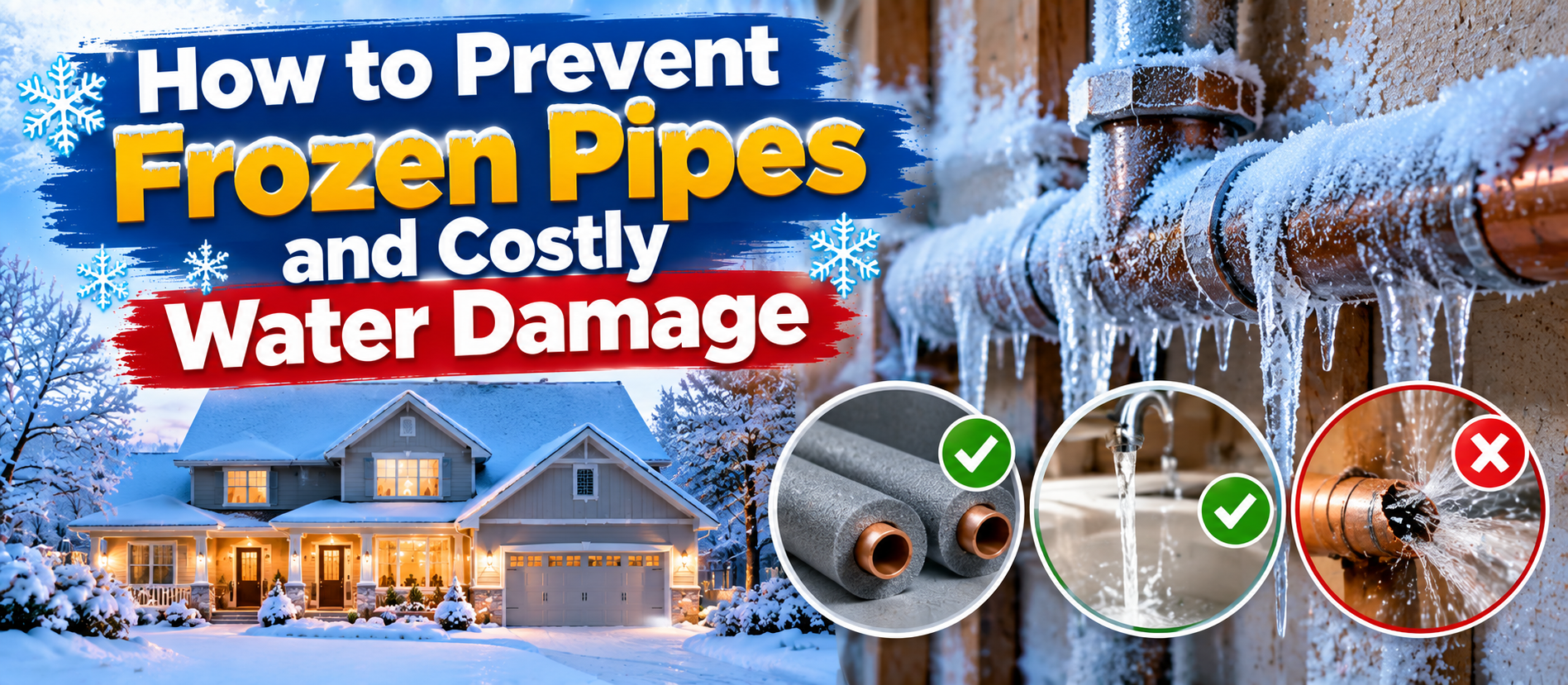
Frozen pipes can turn a cold-weather problem into a major home emergency. When water inside a pipe freezes, it expands and can create enough pressure to damage or rupture the pipe. The result may be a sudden leak, flooding, damaged flooring, wet walls, ruined belongings, and expensive repairs.
The good news is that many frozen-pipe problems can be prevented with simple preparation. Insulating vulnerable pipes, keeping cold areas warm, protecting outdoor plumbing, sealing drafts, maintaining a steady indoor temperature, and knowing where the main water shut-off valve is located can all reduce risk.
⚠ Watch Out
This guide from Digiifrog explains how to prevent frozen pipes and costly water damage. It covers which pipes are most vulnerable, what to do before freezing weather, what to do during extreme cold, early warning signs, what to do if a pipe freezes, and how to respond if a pipe bursts.
Water freezes when temperatures around the plumbing fall low enough for the water inside the pipe to turn into ice. As water freezes, it expands. That expansion can place significant pressure on the pipe and its connections. The American Red Cross notes that pipes exposed to severe cold and pipes located in unheated spaces are especially vulnerable.
A common misunderstanding is that the ice itself always creates the break at the exact place where the pipe is frozen. In many situations, the blockage creates pressure between the frozen section and a closed section of water. The pressure can eventually cause a weak section or connection to fail.
This is why a pipe that appears frozen may suddenly leak when the ice begins to thaw. Water pressure can return to a damaged section and reveal a crack or rupture.
Which Pipes Are Most Likely to Freeze?
Not every pipe in a home has the same level of risk. Pipes in heated interior spaces are generally better protected than pipes exposed to cold air or located near poorly insulated exterior surfaces.
Pay particular attention to:
- Water lines along exterior walls
- Pipes in unheated garages
- Pipes in attics
- Pipes in crawl spaces
- Pipes in unfinished basements
- Water lines beneath kitchen or bathroom cabinets
- Outdoor hose bibs and supply lines
- Irrigation and sprinkler supply lines
- Pipes near doors or drafty windows
- Plumbing entering the home through exterior walls
The CDC also recommends insulating water lines along exterior walls and improving insulation around the home as part of winter preparation.
How to Prevent Frozen Pipes Before Winter
The best time to prevent frozen pipes is before the first major freeze. Do not wait for a freezing-weather warning if your home has vulnerable plumbing. A short inspection can identify problems while they are still easy to fix.
1. Insulate Exposed Water Pipes
Pipe insulation is one of the simplest ways to reduce exposure to freezing temperatures. Focus first on pipes located in unheated areas or close to exterior walls.
Foam pipe sleeves are commonly used for accessible plumbing. Other insulation products may also be appropriate depending on the pipe location and local conditions. Follow the product manufacturer's installation instructions.
Insulation does not create heat. It slows heat loss. That distinction is important. If a pipe is in an extremely cold area, insulation may need to be combined with other measures.
2. Improve Attic, Basement, and Crawl-Space Insulation
A well-insulated home is easier to keep warm. It can also help protect plumbing located near exterior surfaces.
Check attics, crawl spaces, unfinished basements, garages, and other areas where cold air can reach plumbing. The CDC and Insurance Information Institute both recommend paying attention to insulation in areas that can expose plumbing to freezing temperatures.
3. Seal Cold-Air Leaks
Cold drafts can lower the temperature around pipes. Inspect areas where pipes pass through walls, floors, cabinets, or other openings.
Weather-stripping doors and sealing suitable gaps around windows can also reduce cold air entering the home. However, do not seal required ventilation openings or make unsafe changes to heating equipment.
4. Protect Outdoor Faucets
Outdoor plumbing is highly exposed to cold weather. Before freezing conditions arrive, disconnect garden hoses and drain outdoor faucet lines according to the plumbing system design.
The American Red Cross recommends removing, draining, and storing outdoor hoses and closing interior valves that supply outdoor hose bibs where applicable.
5. Winterize Irrigation Systems
Sprinkler and irrigation systems may contain water that can freeze and damage components. Follow the manufacturer's winterization instructions or have the system serviced by a qualified professional.
Do not add antifreeze to water lines unless the equipment manufacturer or a qualified professional specifically directs you to do so. The Red Cross warns that antifreeze can be harmful to people, pets, wildlife, and landscaping.
6. Know Where Your Main Water Shut-Off Is
Every homeowner should know where the main water shut-off valve is located. In a plumbing emergency, fast action can limit the amount of water entering the home.
Insurance Information Institute guidance also emphasizes keeping clear access to the main shut-off valve so it can be reached quickly if a pipe leaks or bursts. citeturn0search2
What to Do When Temperatures Drop Below Freezing
Winter preparation does not end when cold weather arrives. During a severe cold spell, continue monitoring the plumbing and the indoor temperature.
Keep the Home at a Stable Temperature
Avoid large temperature drops at night during periods of extreme cold. A stable indoor temperature helps reduce the risk of vulnerable pipes becoming cold enough to freeze.
The American Red Cross recommends keeping the thermostat at the same temperature during the day and night during very cold weather. It also recommends keeping the heat on if you leave home during freezing conditions, with guidance to maintain at least 55°F (about 13°C) in an unoccupied home.
If you live in a region where freezing temperatures are rare, follow local plumbing and weather guidance rather than assuming one temperature setting works for every property.
Open Cabinet Doors Where Appropriate
Kitchen and bathroom cabinets can trap cold air around plumbing. During severe cold, opening cabinet doors can allow warmer indoor air to circulate around exposed pipes.
Move cleaning chemicals and other hazardous products out of the reach of children before opening cabinets. This safety point is also included in Red Cross winter guidance.
Let Vulnerable Faucets Drip When Appropriate
In severe cold, allowing a small amount of water to flow through a vulnerable line can reduce the chance of freezing. Moving water is less likely to freeze than stagnant water under the same conditions.
This is not a substitute for proper insulation or heating. It is an additional short-term measure for vulnerable plumbing when freezing conditions are expected. The Red Cross and CDC both include controlled dripping as a frozen-pipe prevention measure.
Keep Garage Doors Closed
If plumbing is located in a garage, keep the garage door closed during extreme cold. This helps reduce the amount of cold air reaching the pipes.
How to Prevent Frozen Pipes During a Power Outage
A power outage during extreme cold can create a serious plumbing risk because indoor temperatures can fall quickly.
If safe and practical, prepare for this possibility before winter. Know how your heating system behaves during an outage. Have appropriate emergency supplies available. If you use backup power, operate generators only according to the manufacturer's safety instructions and never use them inside a home, garage, or other enclosed space.
Insurance Institute for Business & Home Safety guidance notes that backup power can help maintain heat and reduce the risk of frozen pipes during outages, while also stressing safe generator operation.
If the home cannot be safely heated during extreme cold, contact appropriate emergency services or local authorities and consider relocating to a safe heated location.
How to Identify Early Signs of Frozen Pipes
Early detection can prevent a small plumbing problem from becoming major water damage. Pay attention to changes in water flow when temperatures fall sharply.
Common warning signs include:
- Little or no water coming from a faucet
- Only a weak trickle from one fixture
- Unusual changes in water pressure
- Frost or ice visible on an exposed pipe
- Bulging or cracked pipe surfaces
- Unusual noises from plumbing
- Water stains near walls or ceilings
- Unexpected dampness near cabinets or plumbing fixtures
The American Red Cross specifically identifies a faucet producing only a trickle as a possible sign of a frozen pipe.
What to Do If You Think a Pipe Is Frozen
If a faucet produces only a trickle during freezing weather, there may be a frozen section somewhere in the supply line.
First, keep the faucet open. As ice melts, water can begin moving again. The open faucet can also help relieve pressure in the line.
If the frozen section is accessible and you are confident it is safe to do so, gradual warming may help thaw it. The Red Cross recommends methods such as an electric heating pad, hair dryer, or other controlled heat source. It strongly warns against using open flames such as blowtorches or kerosene or propane heaters.
Do not use a flame to thaw a pipe. Fire can start inside walls or near combustible materials, and excessive heat can damage the plumbing.
If you cannot locate the frozen section, cannot access it safely, or suspect the pipe has already cracked, contact a licensed plumber.
What to Do If a Pipe Bursts
A burst pipe is an emergency because water can continue flowing until the supply is shut off.
- Shut off the main water supply. Act as quickly as possible.
- Open appropriate faucets. This can help relieve pressure after the main supply is shut off.
- Turn off electricity only if it can be done safely. Never enter standing water near electrical equipment.
- Move valuables away from water. Do not put yourself at risk to save belongings.
- Call a qualified plumber. The damaged pipe needs professional repair.
- Document the damage. Take photographs or video if it is safe.
- Contact your insurer if appropriate. Coverage depends on your policy and the cause of the damage.
- Begin safe water removal. Professional water mitigation may be needed if significant areas are wet.
Insurance Information Institute guidance emphasizes the importance of locating the main shut-off and acting quickly to limit water damage.
Frozen Pipes Can Cause More Than Plumbing Damage
The pipe itself is only one part of the problem. A burst pipe can release a large volume of water into walls, ceilings, floors, cabinets, insulation, and personal belongings.
Possible secondary damage includes:
- Water-damaged drywall
- Damaged flooring
- Wet insulation
- Cabinet damage
- Damage to furniture and electronics
- Mold growth when moisture is not properly dried
- Damage to electrical systems
- Damage to stored documents and valuables
- Structural repairs in severe cases
This is why preventing frozen pipes is usually far less disruptive than dealing with a burst pipe after it happens.
How to Reduce Water Damage After a Pipe Bursts
Once the water supply is shut off and the plumbing emergency is under control, the next priority is drying the affected area safely.
Remove standing water when it is safe. Move wet belongings to a dry location if doing so does not expose you to electrical or structural hazards. Increase safe ventilation where appropriate. For significant water intrusion, contact a professional water-damage restoration company.
Wet materials should not simply be left for several days. Hidden moisture inside walls, floors, cabinets, and insulation can create additional problems.
How to Protect Your Home's Plumbing Before Winter
A simple winter plumbing inspection can be completed before temperatures fall sharply.
Indoor Inspection
- Inspect visible water pipes for cracks and leaks.
- Check plumbing beneath kitchen and bathroom sinks.
- Look for pipes near exterior walls.
- Check unfinished basements and crawl spaces.
- Inspect garage plumbing.
- Check for cold drafts near pipe penetrations.
- Confirm the main shut-off valve works.
Outdoor Inspection
- Disconnect garden hoses.
- Drain outdoor faucet lines as appropriate.
- Inspect hose bibs.
- Winterize irrigation systems.
- Check gutters and downspouts.
- Repair exterior leaks.
- Seal suitable openings around the foundation.
Keeping gutters and downspouts clear is also useful for reducing other forms of winter water damage. Triple-I recommends maintaining drainage so melting snow and ice can flow away from the property.
Should You Insulate Every Pipe?
Not necessarily. Prioritize pipes that are exposed to cold conditions. Pipes in heated interior spaces usually have less risk than pipes in unheated or poorly insulated locations.
A professional plumber can help identify vulnerable plumbing and recommend suitable insulation or heat-protection products.
Do not cover or modify plumbing in a way that creates a safety hazard. If using heat cable or heat tape, select an appropriate listed product and follow the manufacturer's instructions. Triple-I recommends properly installed pipe insulation or listed heating cables in vulnerable areas.
Common Mistakes That Increase Frozen-Pipe Risk
Ignoring Exterior-Wall Plumbing
Pipes hidden inside walls are not automatically protected. If an exterior wall has poor insulation or significant air leakage, plumbing inside it can still become vulnerable.
Turning the Heat Off While Away
Saving on heating costs can create a much larger problem if pipes freeze. During freezing conditions, maintain a safe indoor temperature even when the property is temporarily unoccupied.
Forgetting the Garage
A garage can become extremely cold, especially when the door is frequently opened. If water lines run through the garage, they need special attention.
Leaving Outdoor Hoses Connected
A connected hose can retain water and contribute to freezing problems in outdoor plumbing. Disconnect and drain outdoor hoses before freezing weather.
Using an Open Flame to Thaw Pipes
This is one of the most dangerous mistakes. Never use a blowtorch, charcoal stove, or similar open flame to thaw plumbing. Use safe controlled heat or call a professional.
Not Knowing the Main Shut-Off Location
Every minute can matter when a pipe bursts. Learn the valve location before an emergency.
How to Protect Vacant Homes During Freezing Weather
Empty properties can be particularly vulnerable because nobody may notice a leak quickly.
If you will be away during freezing weather, keep the heating system operating at a safe setting appropriate for the property and local conditions. The Red Cross recommends keeping an unoccupied home at no lower than 55°F during cold weather.
Also consider having someone check the property regularly during severe weather. Ask them to look for signs of leaks, unusual temperatures, power outages, and other problems.
If the property will be vacant for an extended period, ask a qualified plumber or property professional whether draining the plumbing system is appropriate. The correct approach depends on the building and heating system.
How Weatherproofing Helps Prevent Water Damage
Frozen pipes are not the only winter water risk. Roof leaks, clogged gutters, ice dams, poor drainage, and melting snow can also introduce water into a home.
Winter preparation should therefore include both plumbing and exterior maintenance.
- Clean gutters and downspouts.
- Repair roof leaks.
- Seal appropriate gaps around windows and doors.
- Check attic insulation.
- Inspect basement and crawl-space conditions.
- Keep water away from the foundation.
- Protect vulnerable outdoor plumbing.
Triple-I and IBHS both recommend maintaining roofs, gutters, drainage, insulation, and exposed plumbing before severe winter weather.
Does Homeowners Insurance Cover Frozen Pipe Damage?
Insurance coverage depends on the policy, the cause of the loss, and the circumstances surrounding the damage. Some homeowners policies may cover certain types of sudden water damage from burst pipes, but exclusions and maintenance requirements can apply.
Do not assume that every type of water damage is covered. Review your policy and speak with your insurer if you are unsure.
Insurance Information Institute guidance notes that homeowners insurance generally covers certain burst-pipe losses but that different water-related events can have different coverage rules.
When Should You Call a Professional Plumber?
Some prevention tasks are simple. Others require professional knowledge.
Contact a qualified plumber if:
- A pipe has burst.
- You cannot locate a frozen section.
- A frozen pipe is inside a wall or ceiling.
- You see cracks or bulges in a pipe.
- Water pressure changes suddenly.
- A pipe repeatedly freezes.
- You suspect a damaged water line.
- You need plumbing relocated away from an exterior wall.
- You need professional winterization.
- You are unsure how to safely drain or protect the system.
Prevent Frozen Pipes: A Simple Homeowner Checklist
- Inspect exposed plumbing before winter.
- Insulate vulnerable pipes.
- Improve insulation in attics, basements, and crawl spaces.
- Seal drafts around doors and windows.
- Protect outdoor faucets.
- Disconnect and drain garden hoses.
- Winterize irrigation systems.
- Keep the home at a stable temperature during extreme cold.
- Open appropriate cabinet doors to allow warm air around plumbing.
- Allow vulnerable faucets to drip when conditions require it.
- Keep garage doors closed when plumbing is exposed to cold.
- Know where the main water shut-off valve is.
- Keep access to the shut-off valve clear.
- Monitor water pressure and flow.
- Act quickly if a pipe freezes or bursts.
Frequently Asked Questions About Frozen Pipes
At what temperature do pipes freeze?
Water freezes at 32°F (0°C), but household pipes can become vulnerable before or around freezing conditions depending on insulation, airflow, pipe location, exposure time, and other factors. There is no single outdoor temperature that guarantees every pipe will freeze.
What pipes freeze first?
Pipes in unheated spaces, exterior walls, garages, attics, crawl spaces, and other cold locations are usually more vulnerable. Outdoor water lines also require special protection.
Should I leave my faucet dripping in freezing weather?
During severe cold, a small controlled flow can help protect vulnerable plumbing. It is an additional precaution, not a replacement for insulation and proper winterization. Follow local plumbing guidance for your property.
Should I turn off the water when I leave home in winter?
Do not make this decision based on a generic rule. If you will be away during freezing weather, keep the heating system operating and consider professional advice about whether shutting off or draining the plumbing is appropriate for your home.
Can I use a space heater to thaw a frozen pipe?
Do not place a portable heater where it can contact water or combustible materials. Safer controlled warming methods are preferred. Never use an open flame. If you cannot safely access the frozen pipe, call a professional.
How do I know if a pipe has burst?
Warning signs can include sudden loss of water pressure, water stains, damp walls or ceilings, unexplained water sounds, visible cracks, or water pooling near plumbing. If you suspect a burst pipe, shut off the main water supply immediately if it is safe to do so.
Can frozen pipes burst after they start thawing?
Yes. A damaged pipe may begin leaking as ice melts and water pressure returns. This is why a frozen pipe should be treated as a potential plumbing emergency.
How can I prevent frozen pipes in an empty house?
Keep the home safely heated, protect vulnerable plumbing, maintain a stable indoor temperature, and arrange regular property checks during severe cold. The Red Cross recommends keeping an unoccupied home at no lower than 55°F during freezing conditions.
Can insulation prevent pipes from freezing?
Insulation reduces heat loss and can lower the risk, but it does not generate heat. Pipes in extremely cold locations may need additional protection or relocation.
How can I prevent costly water damage from frozen pipes?
Start before winter. Insulate vulnerable pipes, protect outdoor plumbing, seal drafts, maintain heating, know the main shut-off location, monitor warning signs, and act quickly if a pipe freezes or bursts.
Should I hire a plumber for winter pipe protection?
Professional help is useful when plumbing is difficult to access, repeatedly freezes, runs through vulnerable exterior walls, or needs relocation, insulation, heat protection, or winterization.
Final Thoughts
Preventing frozen pipes is much easier than repairing the damage caused by a burst pipe. The most important work should happen before extreme cold arrives. Inspect vulnerable plumbing. Add suitable insulation. Protect outdoor lines. Improve the home's insulation and weather sealing. Keep indoor temperatures stable. Know where the main water shut-off valve is located.
During freezing weather, continue monitoring the home. Pay attention to weak water flow, exposed ice, unusual plumbing sounds, and damp areas. If a pipe freezes, use safe controlled thawing methods and avoid open flames. If a pipe bursts, shut off the water quickly and contact a qualified plumber.
Winter water damage can affect much more than the plumbing itself. Floors, walls, cabinets, insulation, furniture, electrical systems, and personal belongings can all be affected. A small amount of preventive maintenance can therefore protect both your home and your budget.
At Digiifrog, our goal is to create practical home-service content that helps homeowners understand problems before they become expensive emergencies. Use this guide as a seasonal checklist, adapt it to your local climate, and consult qualified professionals when plumbing conditions are complex or unsafe.
Brand: Digiifrog
Website: www.digiifrog.com
Ready to Grow?
Talk to us about a strategy tailored to your brand — we will help you stand out in search, AI discovery and social.


Comments (0)
Log in to leave a comment.