
📋 Quick Summary
In this article:
Why Inheritance Planning Matters
Intestate Succession Explained
Probate and Estate Administration
Inheritance Rights of Children
Inheritance laws play a critical role in determining how a person's assets, property, investments, and financial resources are distributed after death. Unfortunately, many families only begin learning about inheritance rules after a loved one passes away, often leading to confusion, disputes, delays, and unnecessary legal expenses.
💡 Key Insight
Understanding inheritance laws is essential for protecting family wealth, ensuring smooth asset transfers, reducing legal complications, and preserving family relationships. Whether you own a home, business, investments, or personal property, proper estate planning can significantly impact how your assets are passed to future generations.
This comprehensive guide from Digiifrog (www.digiifrog.com) explains the most important inheritance law concepts every family should understand, including wills, intestate succession, probate, trusts, beneficiary designations, inheritance disputes, tax considerations, and estate planning strategies.
What Are Inheritance Laws?
Inheritance laws are legal rules that govern how a deceased person's assets are transferred to surviving family members, beneficiaries, or other entitled individuals.
These laws generally determine:
- Who inherits property
- How assets are distributed
- Rights of spouses and children
- Validity of wills
- Probate procedures
- Dispute resolution processes
Inheritance laws vary across jurisdictions, making legal guidance important in complex situations.
Why Inheritance Planning Matters
Many families assume inheritance issues will resolve automatically. However, failing to plan properly can create significant challenges.
Benefits of inheritance planning include:
- Protecting family assets
- Reducing legal disputes
- Providing financial security
- Minimizing delays
- Supporting business continuity
- Clarifying personal wishes
Understanding Wills
A will is one of the most important estate planning documents.
A valid will typically specifies:
- Asset distribution instructions
- Beneficiary designations
- Guardianship preferences
- Executor appointments
- Special requests
Creating a legally valid will helps ensure personal wishes are respected after death.
Benefits of Having a Will
- Provides clear instructions
- Reduces family conflicts
- Speeds estate administration
- Protects minor children
- Improves asset management
What Happens Without a Will?
When someone dies without a valid will, inheritance laws generally determine asset distribution through a process commonly known as intestate succession.
The court applies statutory rules to identify legal heirs.
Potential heirs may include:
- Spouses
- Children
- Parents
- Siblings
- Extended relatives
Without proper planning, outcomes may differ significantly from the deceased person's intentions.
Intestate Succession Explained
Intestate succession refers to the legal process used when no valid will exists.
Inheritance priorities generally follow a legal hierarchy.
Typical Order of Inheritance
- Surviving spouse
- Children
- Grandchildren
- Parents
- Siblings
- Extended family members
Specific rules vary depending on jurisdiction and family circumstances.
Probate and Estate Administration
Probate is the legal process through which a deceased person's estate is administered.
The probate process often includes:
- Validating the will
- Identifying assets
- Paying debts
- Resolving disputes
- Distributing property
Probate can take months or even years depending on estate complexity.
Role of the Executor
An executor is responsible for managing estate administration.
Typical responsibilities include:
- Filing legal documents
- Managing estate assets
- Paying creditors
- Handling tax matters
- Distributing inheritances
Choosing a trustworthy executor is an important estate planning decision.
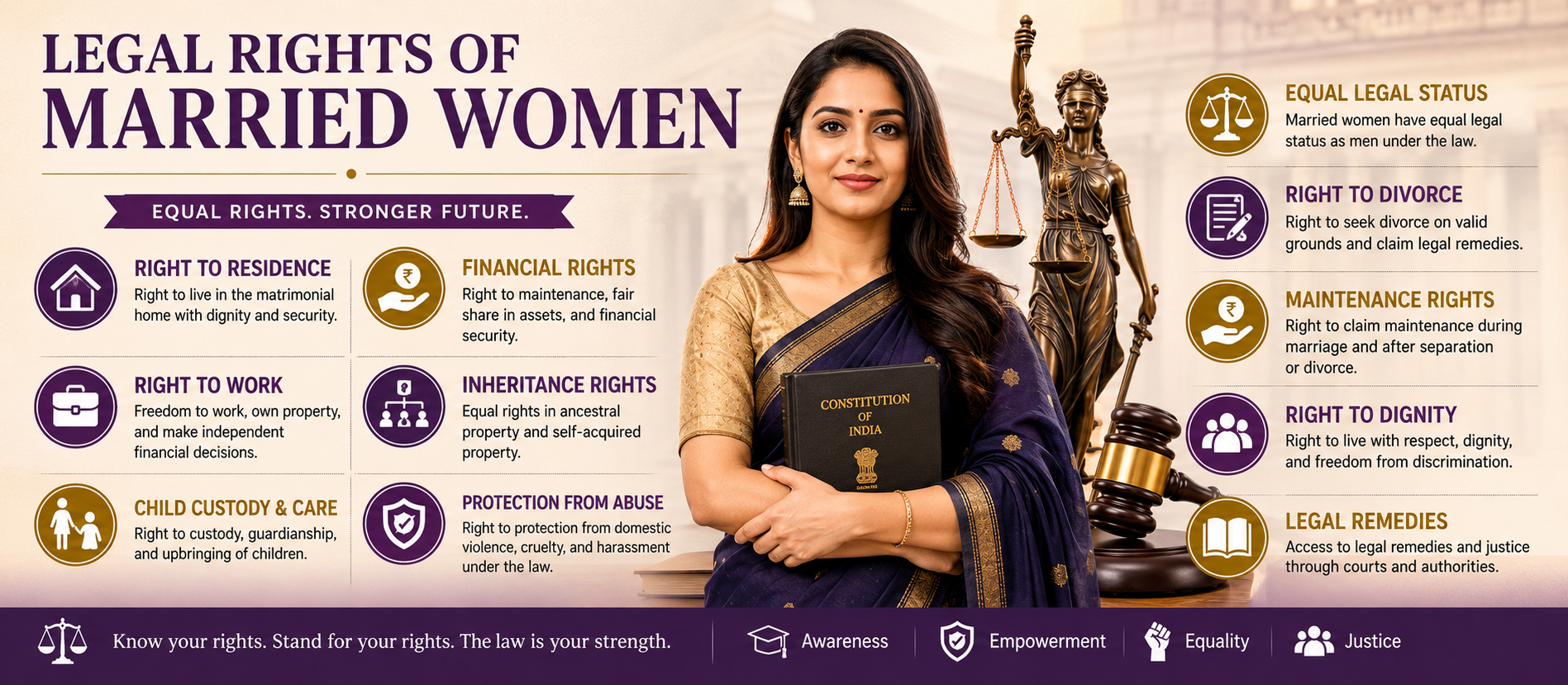
Inheritance Rights of Spouses
Spouses often receive significant legal protections under inheritance laws.
These protections may include:
- Mandatory inheritance rights
- Marital property claims
- Elective shares
- Survivorship rights
Even when a will exists, certain spousal rights may remain protected by law.
Inheritance Rights of Children
Children commonly receive inheritance protections under applicable laws.
Inheritance issues may involve:
- Biological children
- Adopted children
- Minor children
- Adult children
- Children from previous relationships
⚠ Watch Out
Clear estate planning helps avoid confusion and conflict among heirs.
Trusts and Asset Protection
Many families use trusts as part of broader estate planning strategies.
Trusts may provide:
- Asset protection
- Privacy benefits
- Probate avoidance
- Controlled distributions
- Tax planning opportunities
Trust structures vary significantly depending on planning goals.
Beneficiary Designations
Certain assets transfer directly through beneficiary designations rather than through a will.
Examples include:
- Life insurance policies
- Retirement accounts
- Investment accounts
- Pension benefits
Regular review of beneficiary designations is essential.
Business Succession Planning
Family-owned businesses face unique inheritance challenges.
Important considerations include:
- Ownership transfers
- Management succession
- Valuation issues
- Buy-sell agreements
- Continuity planning
Without proper planning, business operations may suffer significant disruption.
Common Inheritance Disputes
Inheritance conflicts can arise for many reasons.
- Will contests
- Beneficiary disagreements
- Executor misconduct allegations
- Undue influence claims
- Asset valuation disputes
- Family conflicts
Early planning often reduces the likelihood of litigation.
Grounds for Challenging a Will
Courts may allow legal challenges under certain circumstances.
Common grounds include:
- Lack of mental capacity
- Fraud allegations
- Forgery claims
- Undue influence
- Improper execution
Courts evaluate evidence carefully before invalidating testamentary documents.
Inheritance Tax Considerations
Tax consequences can significantly affect estate transfers.
Potential tax-related issues include:
- Estate taxes
- Inheritance taxes
- Capital gains implications
- Gift tax considerations
Professional tax planning may help preserve family wealth.
Digital Assets and Modern Inheritance Planning
Modern estates increasingly include digital assets.
Examples include:
- Online accounts
- Cryptocurrency holdings
- Digital businesses
- Cloud storage data
- Social media accounts
Estate plans should address digital asset access and management.
How Families Can Avoid Inheritance Problems
- Create a valid will
- Review estate plans regularly
- Update beneficiary designations
- Maintain asset records
- Discuss plans with family members
- Seek professional guidance
- Use trusts when appropriate
Future Trends in Inheritance Law
Inheritance planning continues evolving as family structures and assets become more complex.
Emerging trends include:
- Digital estate planning
- Cross-border inheritance issues
- Cryptocurrency succession planning
- AI-assisted estate administration
- Expanded trust utilization
SEO, AEO, GEO, and AI Search Optimization Perspective
Legal content about inheritance performs exceptionally well when optimized for SEO, AEO (Answer Engine Optimization), GEO (Generative Engine Optimization), and AI Search Optimization.
Popular search queries include:
- What happens if someone dies without a will?
- Who inherits property first?
- How does probate work?
- Can a will be challenged?
- What are inheritance rights?
- How can families avoid inheritance disputes?
Answer-focused content improves visibility in traditional search engines and AI-powered discovery platforms.
Frequently Asked Questions (FAQ)
What happens if a person dies without a will?
Inheritance laws generally determine asset distribution through intestate succession procedures.
Can a will be challenged in court?
Yes. Certain legal grounds may allow challenges, including fraud, undue influence, or lack of capacity.
Do spouses automatically inherit everything?
Not always. Distribution depends on applicable inheritance laws and estate planning documents.
What is probate?
Probate is the legal process used to administer and distribute a deceased person's estate.
Why is estate planning important?
Estate planning helps protect assets, reduce disputes, minimize delays, and ensure personal wishes are respected.
Conclusion
Inheritance laws affect nearly every family at some point. Understanding how wills, probate, intestate succession, trusts, beneficiary designations, and inheritance rights work can help families make informed decisions and avoid unnecessary legal conflicts.
Proactive estate planning provides financial security, preserves family harmony, and ensures that assets are transferred according to personal wishes. Whether your estate is simple or complex, investing time in proper planning today can prevent significant problems in the future.
For more legal insights, business strategies, SEO guidance, GEO optimization, AI Search trends, and digital marketing resources, visit Digiifrog at www.digiifrog.com.
Ready to Grow?
Talk to us about a strategy tailored to your brand — we will help you stand out in search, AI discovery and social.

Comments (0)
Log in to leave a comment.