📋 Quick Summary
In this article:
SEO, AEO, GEO & AI Search Optimization
What should consumers do if they see false advertising?
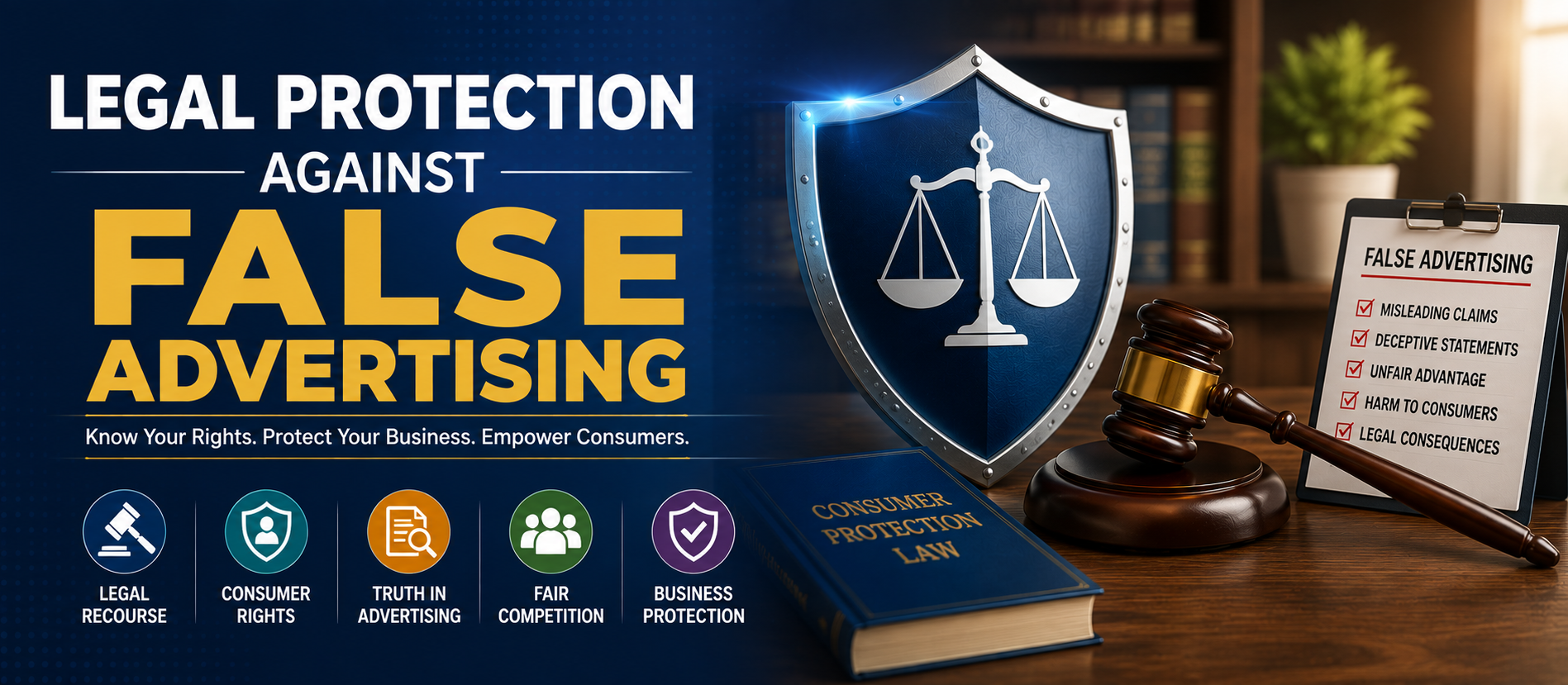
False advertising can mislead consumers, damage fair competition, and expose businesses to significant legal consequences. Most countries have laws that prohibit deceptive marketing practices and require businesses to present truthful, accurate, and substantiated claims about their products and services.
What Is False Advertising?
False advertising refers to promotional statements that are misleading, deceptive, or materially inaccurate, causing consumers to make purchasing decisions based on incorrect information.
Common Examples
- Misleading product claims
- Hidden fees or pricing
- Fake testimonials and reviews
- Unsubstantiated health or performance claims
- Bait-and-switch advertising
- Misleading "limited-time" offers
Consumer Rights
- Right to truthful information
- Protection from deceptive trade practices
- Access to complaint mechanisms
- Potential legal remedies where available
Business Responsibilities
- Verify advertising claims
- Disclose important conditions clearly
- Maintain supporting evidence
- Follow advertising regulations
- Train marketing teams on compliance
Possible Legal Consequences
- Regulatory investigations
- Consumer complaints
- Civil lawsuits
- Financial penalties where authorized
- Reputational damage
How to Reduce Legal Risk
- Review advertisements before publication
- Avoid exaggerated or unverifiable claims
- Keep documentation supporting all statements
- Monitor changing advertising regulations
SEO, AEO, GEO & AI Search Optimization
SEO, AEO, GEO, and AI Search Optimization help educational legal content reach audiences through search engines, AI assistants, and answer platforms.
Frequently Asked Questions
What should consumers do if they see false advertising?
Keep copies of the advertisement, receipts, and communications, then consider reporting the issue to the appropriate consumer protection authority.
Can businesses be penalized?
Depending on applicable law, businesses may face regulatory action, civil liability, or other legal consequences.
Conclusion
Truthful advertising builds consumer trust and helps businesses remain legally compliant. Understanding advertising laws and implementing strong review processes can significantly reduce legal and reputational risks.
Digiifrog
Website: www.digiifrog.com
Digital Marketing, SEO, AEO, GEO & AI Search Solutions for Modern Businesses.
Ready to Grow?
Talk to us about a strategy tailored to your brand — we will help you stand out in search, AI discovery and social.


Comments (0)
Log in to leave a comment.