📋 Quick Summary
In this article:
Why Legal Compliance Matters for Entrepreneurs
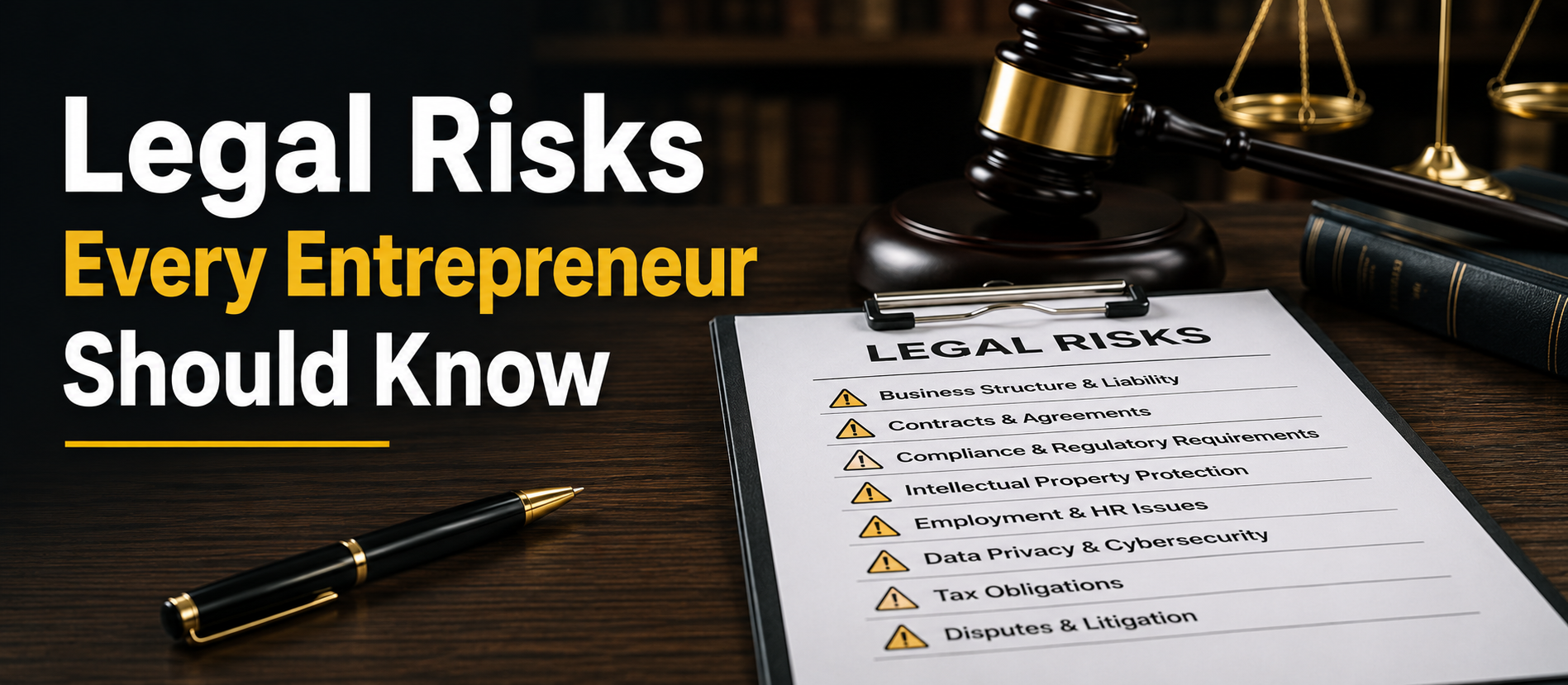
1. Business Structure Risks
2. Contract-Related Legal Risks
3. Employment Law Violations
4. Intellectual Property Risks
Types of Intellectual Property
5. Data Privacy and Cybersecurity Risks
6. Consumer Protection Violations
Starting and growing a business can be exciting and rewarding. However, many entrepreneurs focus heavily on marketing, sales, product development, and funding while overlooking critical legal risks that can threaten the success of their ventures. A single legal mistake can result in lawsuits, financial penalties, reputational damage, or even business closure.
This comprehensive guide from Digiifrog (www.digiifrog.com) explores the most important legal risks every entrepreneur should understand, how to minimize them, and the best practices for protecting a business in today's competitive environment.
Why Legal Compliance Matters for Entrepreneurs
Every business operates within a framework of laws and regulations. Whether you run a startup, eCommerce store, consulting agency, software company, or local business, compliance is essential for long-term success.
Legal compliance helps businesses:
- Avoid lawsuits and penalties
- Protect business assets
- Build customer trust
- Maintain operational stability
- Improve investor confidence
- Support sustainable growth
1. Business Structure Risks
One of the first legal decisions entrepreneurs make involves choosing the appropriate business structure.
Common Business Structures
- Sole Proprietorship
- Partnership
- Limited Liability Company (LLC)
- Corporation
Selecting the wrong structure can expose personal assets to business liabilities, increase taxes, and create compliance challenges.
Risk Reduction Tips
- Consult legal professionals
- Review liability exposure
- Understand tax implications
- Plan for future growth
2. Contract-Related Legal Risks
Contracts form the foundation of most business relationships. Poorly drafted contracts frequently lead to disputes.
Common contract risks include:
- Ambiguous terms
- Unclear payment conditions
- Missing dispute resolution clauses
- Poor termination provisions
- Lack of intellectual property protection
Every entrepreneur should use professionally drafted contracts for vendors, employees, freelancers, customers, and business partners.
3. Employment Law Violations
Hiring employees introduces significant legal responsibilities.
Common Employment Risks
- Employee misclassification
- Wage and hour violations
- Workplace discrimination claims
- Harassment complaints
- Wrongful termination disputes
Employment-related lawsuits can become costly and time-consuming.
4. Intellectual Property Risks
Intellectual property often represents one of a company's most valuable assets.
Types of Intellectual Property
- Trademarks
- Copyrights
- Patents
- Trade Secrets
Failing to protect intellectual property can allow competitors to benefit from your innovations and brand reputation.
Protection Strategies
- Register trademarks
- Protect copyrights
- Use NDAs
- Monitor infringement
5. Data Privacy and Cybersecurity Risks
Modern businesses collect large amounts of customer data. Failure to protect this information may result in significant legal consequences.
Common privacy risks include:
- Data breaches
- Unauthorized access
- Improper data storage
- Privacy policy violations
- Cyberattacks
Entrepreneurs should implement strong cybersecurity measures and privacy compliance programs.
6. Consumer Protection Violations
Businesses must ensure advertising and sales practices comply with consumer protection laws.
Potential Violations
- False advertising
- Misleading product claims
- Hidden fees
- Unfair business practices
- Warranty disputes
Consumer complaints can trigger investigations and legal action.
7. Tax Compliance Risks
Tax errors are among the most common legal challenges faced by entrepreneurs.
- Late tax filings
- Payroll tax mistakes
- Sales tax compliance failures
- Improper deductions
- Recordkeeping deficiencies
Maintaining accurate financial records significantly reduces tax-related risks.
8. Regulatory Compliance Risks
Many industries face strict regulatory requirements.
Examples include:
- Healthcare regulations
- Financial regulations
- Environmental laws
- Food safety requirements
- Consumer product standards
Failure to comply may result in fines, license suspension, or litigation.
9. Partnership and Shareholder Disputes
Business disagreements frequently arise among founders, partners, and shareholders.
Common Causes
- Profit allocation disputes
- Management disagreements
- Ownership conflicts
- Exit strategy disputes
- Voting rights issues
Written partnership agreements can help avoid costly conflicts.
10. Website and Digital Compliance Risks
Online businesses face additional legal obligations.
- Terms and conditions requirements
- Privacy policy compliance
- Cookie disclosures
- Accessibility standards
- Digital copyright compliance
Failure to address these issues can increase liability exposure.
11. Product Liability Risks
If products cause injury or damage, businesses may face product liability claims.
Risk management strategies include:
- Quality control programs
- Product testing
- Clear warnings
- Compliance documentation
- Liability insurance
12. Non-Compete and Confidentiality Risks
Businesses often rely on confidentiality agreements to protect sensitive information.
Important protections include:
- Non-disclosure agreements
- Confidentiality clauses
- Trade secret policies
- Employee training
13. Insurance-Related Legal Risks
Many entrepreneurs underestimate the importance of business insurance.
Essential Coverage Types
- General Liability Insurance
- Professional Liability Insurance
- Cyber Liability Insurance
- Workers' Compensation Insurance
- Commercial Property Insurance
14. Social Media and Marketing Risks
Marketing campaigns can create legal exposure when businesses publish misleading or unauthorized content.
- Defamation claims
- Copyright infringement
- Trademark misuse
- False advertising allegations
- Privacy violations
15. Artificial Intelligence Legal Risks
AI tools create new opportunities but also introduce emerging legal challenges.
- Copyright ownership questions
- Data privacy concerns
- Algorithmic bias issues
- Regulatory uncertainty
- Content liability risks
Entrepreneurs using AI should establish clear governance policies.
How Entrepreneurs Can Reduce Legal Risks
- Hire qualified legal counsel
- Use written contracts
- Protect intellectual property
- Maintain compliance programs
- Conduct regular legal audits
- Train employees on compliance
- Purchase appropriate insurance
- Maintain accurate records
SEO, AEO, GEO and AI Search Considerations
Modern entrepreneurs increasingly search for answers through search engines and AI-powered platforms. Optimizing legal content for SEO, AEO (Answer Engine Optimization), GEO (Generative Engine Optimization), and AI Search improves visibility and authority.
Popular search questions include:
- What legal risks do startups face?
- How can entrepreneurs avoid lawsuits?
- What business laws should founders know?
- What are common legal mistakes in startups?
- How do businesses stay legally compliant?
Frequently Asked Questions
What is the biggest legal risk for entrepreneurs?
Contract disputes, employment violations, and regulatory compliance failures are among the most significant risks.
Do startups need legal counsel?
Yes. Early legal guidance can prevent costly mistakes and support sustainable growth.
How often should businesses conduct legal reviews?
Annual reviews are recommended, with additional assessments during major business changes.
Can legal risks impact funding opportunities?
Yes. Investors often evaluate legal compliance before providing capital.
Why is intellectual property protection important?
It protects valuable business assets, innovations, branding, and competitive advantages.
Conclusion
Legal risks are an unavoidable part of entrepreneurship, but proactive planning can significantly reduce exposure. From contracts and employment law to intellectual property, cybersecurity, taxes, and regulatory compliance, understanding legal obligations helps entrepreneurs build stronger, more resilient businesses.
Successful entrepreneurs view legal compliance not as a burden but as a strategic investment in long-term growth and sustainability. By identifying risks early and implementing proper safeguards, businesses can protect their assets, reputation, and future success.
For more business, legal, SEO, AI Search, GEO, and digital marketing insights, visit Digiifrog at www.digiifrog.com.
Ready to Grow?
Talk to us about a strategy tailored to your brand — we will help you stand out in search, AI discovery and social.

Comments (0)
Log in to leave a comment.