📋 Quick Summary
In this article:
Key Differences Between Personal Loans and Credit Cards
When faced with unexpected expenses, major purchases, debt consolidation needs, or financial emergencies, many consumers find themselves choosing between a personal loan and a credit card. Both borrowing options provide access to funds, but they operate differently and offer unique advantages and disadvantages depending on your financial situation.
This comprehensive guide from Digiifrog explores the key differences between personal loans and credit cards, compares costs, benefits, risks, and ideal use cases, and helps readers determine which option is better for their financial goals.
Understanding Personal Loans
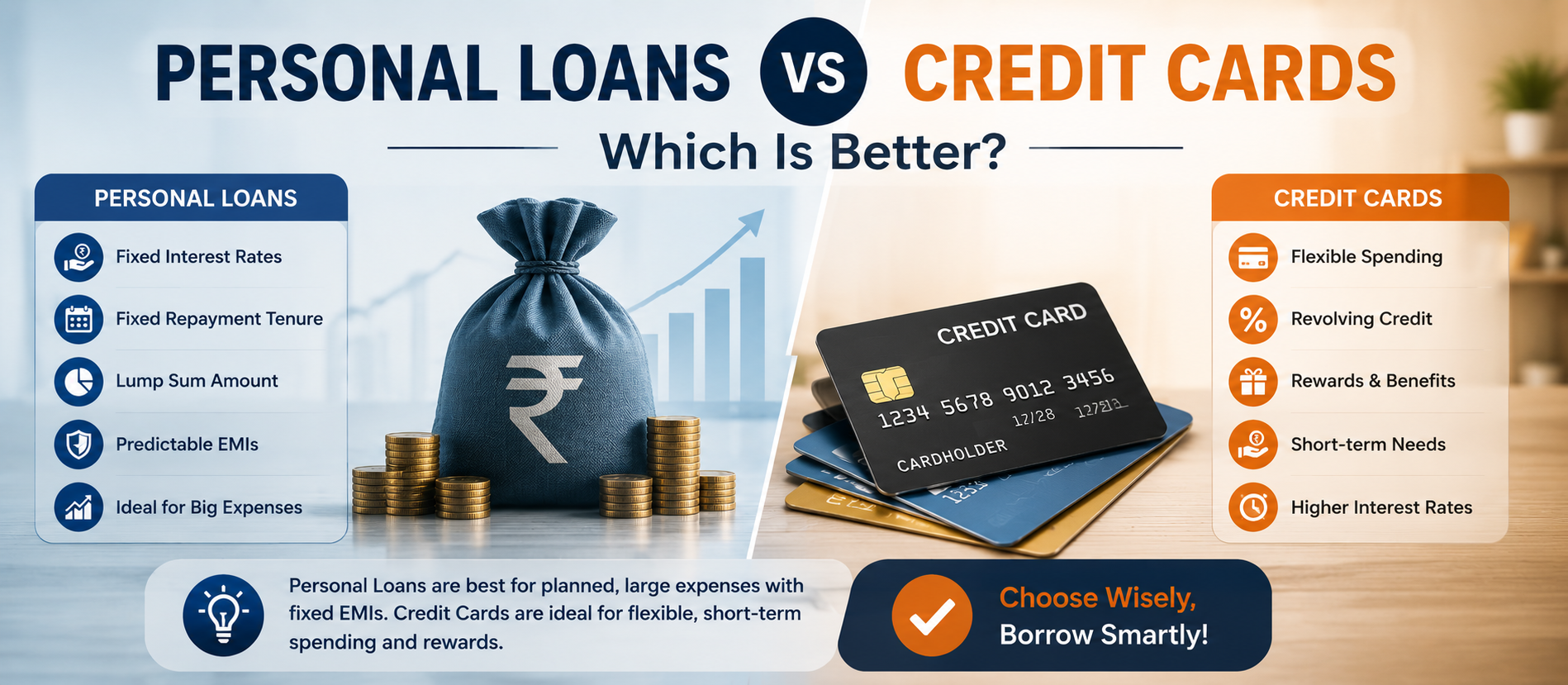
A personal loan is a lump-sum amount borrowed from a bank, credit union, or online lender. The borrower repays the loan through fixed monthly installments over a predetermined period.
Personal loans typically feature:
- Fixed interest rates
- Fixed monthly payments
- Defined repayment schedules
- Predictable borrowing costs
- Specific loan terms
Loan amounts can vary significantly depending on income, creditworthiness, and lender requirements.
Understanding Credit Cards
A credit card provides a revolving line of credit that allows consumers to borrow repeatedly up to a specific limit.
Key features include:
- Flexible spending limits
- Minimum monthly payments
- Revolving credit access
- Rewards programs
- Cashback opportunities
- Emergency funding availability
Unlike personal loans, credit cards allow continuous borrowing as balances are repaid.
Key Differences Between Personal Loans and Credit Cards
Loan Structure
Personal loans provide a fixed amount upfront, while credit cards offer ongoing access to a revolving credit line.
Repayment Terms
Personal loans have structured repayment schedules. Credit cards offer flexible payments but may extend debt repayment over longer periods.
Interest Rates
Personal loans often provide lower interest rates for qualified borrowers, especially compared to credit card balances carried over time.
Usage Flexibility
Credit cards generally provide greater flexibility for everyday purchases and short-term borrowing needs.
Advantages of Personal Loans
Lower Interest Rates
Many personal loans offer lower interest rates than credit cards, particularly for borrowers with strong credit profiles.
Fixed Monthly Payments
Predictable payments simplify budgeting and financial planning.
Debt Consolidation Benefits
Personal loans are commonly used to consolidate multiple high-interest debts into a single payment.
Defined Repayment Timeline
Borrowers know exactly when the debt will be repaid if payments remain on schedule.
No Ongoing Spending Temptation
Unlike revolving credit cards, personal loans do not allow repeated borrowing after funds are disbursed.
Disadvantages of Personal Loans
- Application approval requirements
- Potential origination fees
- Less borrowing flexibility
- Possible prepayment restrictions
- Longer approval processes
Not every borrower qualifies for favorable loan terms.
Advantages of Credit Cards
Convenience
Credit cards provide immediate access to funds for purchases, travel, and emergencies.
Rewards Programs
Many cards offer cashback, travel rewards, points, and promotional incentives.
Flexible Repayment Options
Borrowers can choose payment amounts above the required minimum.
Emergency Access
Credit cards serve as valuable emergency financial tools when unexpected expenses arise.
Purchase Protection
Many cards include consumer protections, fraud monitoring, and extended warranties.
Disadvantages of Credit Cards
- Higher interest rates
- Potential overspending risks
- Long-term debt accumulation
- Variable borrowing costs
- Penalty fees
Carrying large balances can become expensive and financially challenging.
Interest Rate Comparison
💡 Key Insight
Interest rates are one of the most important factors when comparing personal loans and credit cards.
Generally:
- Personal loans often provide lower fixed rates.
- Credit cards typically charge higher variable rates.
- Promotional offers may temporarily reduce card interest costs.
- Credit scores significantly influence borrowing rates.
Lower interest rates can save substantial amounts over time.
When a Personal Loan Is Better
A personal loan may be the better choice when:
- Financing a large purchase
- Consolidating debt
- Funding home improvements
- Covering medical expenses
- Managing planned financial needs
Structured repayment schedules make personal loans suitable for predictable borrowing requirements.
When a Credit Card Is Better
A credit card may be more appropriate when:
- Making everyday purchases
- Managing short-term cash flow gaps
- Building credit history
- Taking advantage of rewards programs
- Handling small emergency expenses
Credit cards provide flexibility that personal loans cannot always match.
Impact on Credit Scores
Both personal loans and credit cards influence credit scores.
Important factors include:
- Payment history
- Credit utilization ratios
- Account age
- Debt levels
- Credit mix
Responsible borrowing and timely payments help strengthen credit profiles.
Debt Consolidation Considerations
Many consumers use personal loans to consolidate multiple credit card balances.
Potential benefits include:
- Lower interest rates
- Single monthly payment
- Simplified financial management
- Faster debt repayment
Debt consolidation can improve financial stability when used responsibly.
Emergency Expense Management
Unexpected expenses often require quick access to funds.
Credit cards typically provide immediate availability, while personal loans may require approval and funding time.
The urgency of the situation may influence which option is more practical.
Borrowing Costs Beyond Interest
Consumers should consider additional fees such as:
- Annual fees
- Origination fees
- Late payment penalties
- Balance transfer fees
- Cash advance fees
Total borrowing costs often extend beyond stated interest rates.
Financial Discipline and Borrowing Behavior
Behavioral factors play an important role in choosing between personal loans and credit cards.
⚠ Watch Out
Individuals prone to overspending may benefit from the structured nature of personal loans. Conversely, disciplined users who pay balances in full each month may maximize credit card rewards while avoiding interest charges.
Technology and Modern Lending
Digital lending platforms have transformed borrowing experiences.
Modern innovations include:
- Online loan applications
- Instant approvals
- AI-driven credit assessments
- Mobile account management
- Automated payment systems
Technology has increased accessibility and improved borrowing convenience.
How to Choose the Right Option
Before borrowing, consider:
- Total amount needed
- Repayment timeline
- Interest costs
- Credit score impact
- Financial discipline
- Purpose of borrowing
- Available alternatives
Carefully evaluating these factors helps determine the most cost-effective solution.
SEO, AEO, GEO, and AI Search Opportunities
SEO (Search Engine Optimization)
Create educational content addressing borrowing options, debt management, personal finance strategies, and consumer lending.
AEO (Answer Engine Optimization)
Use structured headings, FAQs, and concise answers to improve visibility in answer engines.
GEO (Generative Engine Optimization)
Provide detailed comparisons and trustworthy financial information that AI systems can reference confidently.
AI Search Optimization
Focus on expertise, clarity, accuracy, and user intent to improve discoverability within AI-powered search environments.
Frequently Asked Questions (FAQ)
Is a personal loan cheaper than a credit card?
In many cases, personal loans offer lower interest rates and lower overall borrowing costs, especially for larger amounts.
Can I use a personal loan to pay off credit cards?
Yes. Debt consolidation is one of the most common uses of personal loans.
When should I use a credit card instead of a personal loan?
Credit cards are often better for everyday purchases, short-term borrowing, rewards programs, and emergency access to funds.
Do personal loans hurt credit scores?
Personal loans may temporarily affect credit scores during application but can improve credit profiles when managed responsibly.
Which option is better for debt consolidation?
Personal loans are generally considered more effective for debt consolidation due to fixed payments and potentially lower interest rates.
Conclusion
Personal Loans vs Credit Cards: Which Is Better? depends largely on individual financial circumstances, borrowing needs, and repayment habits. Personal loans often provide lower rates, predictable payments, and structured repayment schedules, making them ideal for larger expenses and debt consolidation.
Credit cards offer flexibility, convenience, rewards, and immediate access to funds, making them valuable for everyday spending and short-term borrowing. Understanding the strengths and limitations of each option enables consumers to make smarter financial decisions and maintain long-term financial health.
Digiifrog
Website: www.digiifrog.com
Ready to Grow?
Talk to us about a strategy tailored to your brand — we will help you stand out in search, AI discovery and social.

Comments (0)
Log in to leave a comment.