
📋 Quick Summary
In this article:
Quick Answer: What Is Personalized Insurance?
How Personalized Insurance Works
1. Customized Coverage Levels
2. Personalized Auto Insurance
3. Personalized Home Insurance
4. Personalized Health Insurance
5. Personalized Life Insurance
6. Personalized Business Insurance
7. Usage-Based Insurance
8. AI and Data Analytics
9. Personalized Insurance Recommendations
10. The Benefits of Personalized Insurance
Personalized insurance policies are designed to match coverage more closely with an individual's needs, risks, lifestyle, assets, and financial situation. Instead of treating every customer the same way, personalized insurance uses relevant information to help determine suitable coverage, limits, pricing, and policy options.
Personalization is becoming more common as insurers use digital platforms, data analytics, automation, and artificial intelligence. Customers may receive insurance offers based on factors such as driving behavior, property characteristics, travel plans, business activities, or selected coverage preferences.
However, personalized insurance does not mean that every policy is completely unique. Most policies still use standard contracts, eligibility rules, underwriting guidelines, exclusions, and regulatory requirements. The level of personalization depends on the insurer and product.
This guide explains personalized insurance policies in simple language. It covers how they work, their benefits, possible drawbacks, data considerations, common examples, and practical tips for choosing customized coverage.
Quick Answer: What Is Personalized Insurance?
Personalized insurance is coverage designed or priced using information that helps an insurer understand a customer's individual risk and protection needs. Personalization can affect coverage options, policy limits, recommendations, pricing, or the customer experience.
Examples include usage-based auto insurance, customized business coverage, property insurance based on home characteristics, and insurance packages selected around a customer's specific needs.
How Personalized Insurance Works
The process usually begins with information collection. Depending on the insurance product, information may come from application forms, property details, vehicle information, financial or business information, customer-selected options, connected devices, or other permitted data sources.
The insurer then evaluates relevant risk factors and determines available coverage or pricing. Digital systems can make this process faster by analyzing information automatically.
The final policy still depends on the insurer's underwriting rules, policy wording, applicable law, and the customer's eligibility.
1. Customized Coverage Levels
One major benefit of personalized insurance is the ability to choose coverage that fits actual needs. A homeowner with valuable possessions may need different protection from someone with fewer assets. A freelancer may need different liability coverage from a large company.
Choosing appropriate limits can reduce the risk of being significantly underinsured while avoiding unnecessary coverage.
2. Personalized Auto Insurance
Auto insurance is one area where personalization is especially visible.
Some usage-based or telematics programs may use information about driving behavior, mileage, or vehicle use to support insurance pricing or programs, subject to the insurer and jurisdiction.
Drivers should understand what data is collected, how it may affect pricing, and what happens if they leave the program.
3. Personalized Home Insurance
Home insurance can be influenced by property characteristics, location, construction features, replacement costs, security measures, and selected coverage.
A personalized approach may help customers identify protection that better reflects the actual property and belongings.
Homeowners should still check important exclusions. Certain risks may require separate policies or endorsements.
4. Personalized Health Insurance
Health insurance can offer different plan structures, networks, deductibles, benefit levels, and optional features.
Personalization in health coverage should be understood carefully because health insurance is highly regulated in many markets. Availability, underwriting, eligibility, pricing, and benefit rules can vary significantly by location and plan type.
Compare the complete benefits rather than focusing only on the premium.
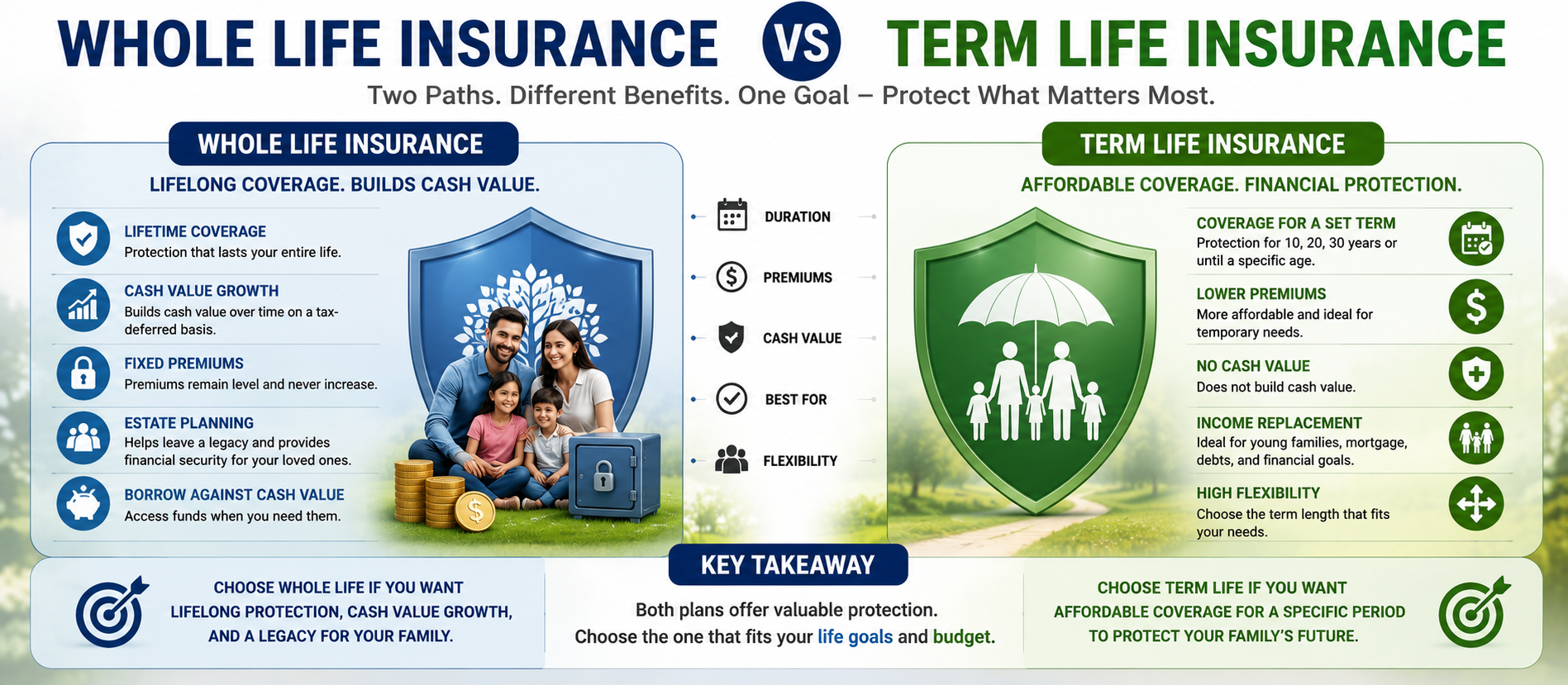
5. Personalized Life Insurance
Life insurance needs vary based on income, dependents, debts, financial goals, age, and other factors.
A personalized planning approach can help determine an appropriate coverage amount and policy duration rather than using the same amount for every person.
Applicants should provide accurate information and review policy terms, exclusions, premiums, and beneficiary arrangements.
6. Personalized Business Insurance
Businesses have different risks depending on their industry, revenue, employees, locations, technology, customers, and operations.
A software company may have significant technology and professional liability risks. A contractor may have different property, equipment, vehicle, and liability exposures.
Customized business insurance can help align coverage with actual operations.
7. Usage-Based Insurance
Usage-based insurance connects coverage or pricing more closely to actual usage or behavior. Auto insurance is a common example, but similar concepts may appear in other areas.
The attraction is simple: customers may prefer insurance that reflects how they actually use a product or service.
However, customers should understand the measurement method, privacy terms, pricing rules, and limitations before enrolling.
8. AI and Data Analytics
Artificial intelligence and data analytics can help insurers process large amounts of information more efficiently.
These technologies may support risk assessment, fraud detection, customer service, claims processing, personalization, and recommendations.
AI can improve speed, but automated decisions also require appropriate controls. Customers should have clear information about important decisions and available review processes where applicable.
9. Personalized Insurance Recommendations
Digital insurance platforms can recommend coverage based on information provided by the customer.
For example, a platform may ask about home ownership, dependents, vehicle use, travel frequency, business activities, or valuable possessions.
The goal is to identify relevant coverage rather than present a long list of unrelated policies.
Customers should treat recommendations as a starting point and verify the actual policy terms.
10. The Benefits of Personalized Insurance
- Better fit: Coverage can reflect individual circumstances.
- Greater convenience: Digital tools can simplify policy selection.
- Potentially better pricing: Some products may use individual risk factors in pricing.
- Improved relevance: Customers can focus on useful protections.
- Flexible options: Coverage levels and features may be adjusted to needs.
- Faster processing: Automation can reduce repetitive administrative steps.
11. Possible Drawbacks
Personalization also creates concerns.
More data collection can create privacy risks. Complex algorithms may be difficult for customers to understand. Pricing can change when risk information changes. A highly customized product can also make comparisons more difficult.
Customers should therefore consider both the benefits and the trade-offs.
12. Privacy and Personal Data
Data privacy is one of the most important issues in personalized insurance. Before sharing information, understand what is collected, why it is collected, how long it may be retained, and who may receive it.
Connected-device programs deserve particular attention because they may collect information continuously or frequently.
Use reputable insurers and review privacy notices before agreeing to data-sharing arrangements.
13. Personalization Does Not Mean Everything Is Covered
A personalized policy is not automatically comprehensive.
Every policy can still contain exclusions, deductibles, limits, conditions, waiting periods, and claim requirements.
Read the policy wording and do not rely only on marketing phrases such as “customized,” “smart,” or “tailored.”
14. How to Choose the Right Personalized Policy
- Identify your biggest financial risks.
- Decide which risks you can reasonably self-fund.
- Compare suitable coverage options.
- Check limits, deductibles, exclusions, and conditions.
- Understand how personalization affects price or coverage.
- Review privacy and data-sharing terms.
- Check the insurer and claims process.
- Review the policy after major life changes.
15. Questions to Ask an Insurance Provider
- What information is used to personalize my policy?
- Can this information change my premium?
- What coverage is optional?
- What are the most important exclusions?
- What deductibles apply?
- Can I change coverage later?
- How is my data protected?
- How do I make a claim?
- What happens if my circumstances change?
16. Personalized Insurance vs Traditional Insurance
Traditional insurance often uses standardized products and broad risk categories. Personalized insurance may use more individual information to adjust coverage, pricing, or recommendations.
Neither approach is automatically better. The right choice depends on the product, customer, insurer, price, coverage, privacy preferences, and regulatory environment.
17. Review Your Coverage Regularly
Insurance needs change over time.
Review coverage after marriage, having children, buying a home, changing jobs, starting a business, purchasing a vehicle, increasing your assets, or taking on new financial responsibilities.
An annual review can help identify coverage gaps and unnecessary protection.
SEO, AEO, GEO, and AI Search Optimization
This article uses direct answers, clear headings, structured lists, and FAQ-style content to support modern search experiences.
SEO targets terms such as personalized insurance policies, customized insurance, personalized insurance explained, and tailored insurance coverage.
AEO directly answers questions such as “What is personalized insurance?” and “How does personalized insurance work?”
GEO recognizes that insurance products, pricing, data rules, eligibility, and consumer protections vary by country and region.
AI Search optimization is supported through concise definitions, question-based headings, structured lists, and practical explanations.
Frequently Asked Questions
What does personalized insurance mean?
It means insurance coverage, pricing, recommendations, or service may be adjusted using information about an individual's risks, needs, usage, or circumstances.
Is personalized insurance cheaper?
Not always. Some personalized products may offer pricing based on individual risk, while others may cost more because they provide broader or specialized coverage.
Does personalized insurance require more personal data?
It can. Some products use additional information to personalize coverage or pricing. Review the insurer's privacy and data-use terms before enrolling.
Can personalized insurance change over time?
Some products can change as relevant circumstances, usage, or risk information changes. The exact rules depend on the policy.
Should I choose personalized insurance over traditional insurance?
Compare the actual coverage, price, exclusions, privacy terms, flexibility, and claims process. Choose the option that provides suitable protection for your needs.
Final Thoughts
Personalized insurance is making insurance more flexible, data-driven, and closely connected to individual customer needs. From usage-based auto coverage to customized home, life, health, and business insurance, personalization can improve relevance and convenience.
But customization should not replace careful policy review. Customers need to understand what information is being used, how pricing works, what the policy excludes, and how claims are handled.
The best insurance policy is not necessarily the most personalized one. It is the policy that provides appropriate protection at a reasonable cost while fitting your financial goals and risk tolerance.
For more educational content about insurance, personal finance, business, technology, SEO, AEO, GEO, and AI Search optimization, visit www.digiifrog.com.
Disclaimer
This article is for general educational and informational purposes only and does not constitute insurance, financial, legal, medical, or professional advice. Insurance products, pricing, underwriting, coverage, exclusions, data practices, regulations, and eligibility vary by insurer and jurisdiction. Always review the current policy documents and consult an appropriately licensed professional for advice based on your circumstances.
Ready to Grow?
Talk to us about a strategy tailored to your brand — we will help you stand out in search, AI discovery and social.

Comments (0)
Log in to leave a comment.