📋 Quick Summary
In this article:
Healthy Habits That Support Recovery
Building a Strong Support Network
Developing a Personal Relapse Prevention Plan
The Role of Professional Support
This WordPress-ready guide explains how lifestyle changes help prevent relapse, practical daily habits for maintaining recovery, and evidence-based strategies for long-term success. The content is optimized for SEO, AEO, GEO, and AI Search optimization.
Understanding Relapse
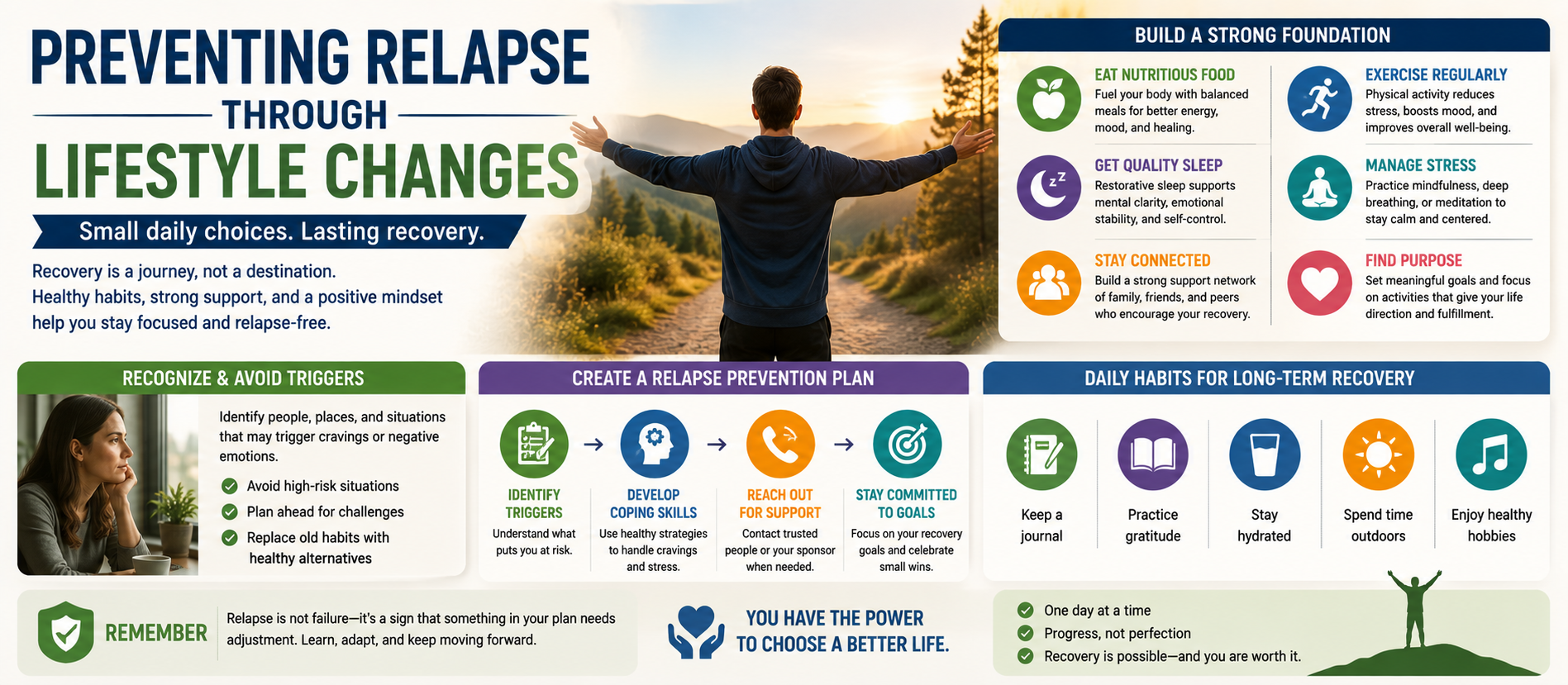
Relapse is a return to substance use after a period of recovery. It does not mean treatment has failed, but it can signal the need to review coping strategies, strengthen support systems, and reconnect with professional care. Recovery is often a gradual process that benefits from ongoing commitment and learning.
Why Lifestyle Changes Matter
- Promote physical and emotional wellness.
- Reduce exposure to high-risk situations.
- Strengthen healthy daily routines.
- Improve stress management.
- Support long-term recovery goals.
- Increase confidence and resilience.
Healthy Habits That Support Recovery
Balanced Nutrition
Eating nutrient-rich meals helps restore energy, support brain function, and improve overall health during recovery.
Regular Physical Activity
Walking, swimming, cycling, yoga, and strength training can improve mood, reduce stress, and support healthy sleep.
Quality Sleep
Maintaining a consistent sleep schedule contributes to emotional regulation, concentration, and recovery.
Stress Management
Mindfulness, breathing exercises, meditation, journaling, and relaxation techniques can help manage everyday challenges.
Building a Strong Support Network
- Stay connected with supportive family and friends.
- Participate in peer support groups.
- Attend follow-up counseling sessions.
- Communicate openly with healthcare professionals.
Recognizing Common Triggers
- High-stress situations.
- Negative emotions.
- Social environments associated with past substance use.
- Isolation and loneliness.
- Poor self-care and burnout.
Developing a Personal Relapse Prevention Plan
- Identify personal warning signs.
- Create healthy coping strategies.
- Maintain emergency support contacts.
- Schedule regular health checkups.
- Review goals and celebrate progress.
The Role of Professional Support
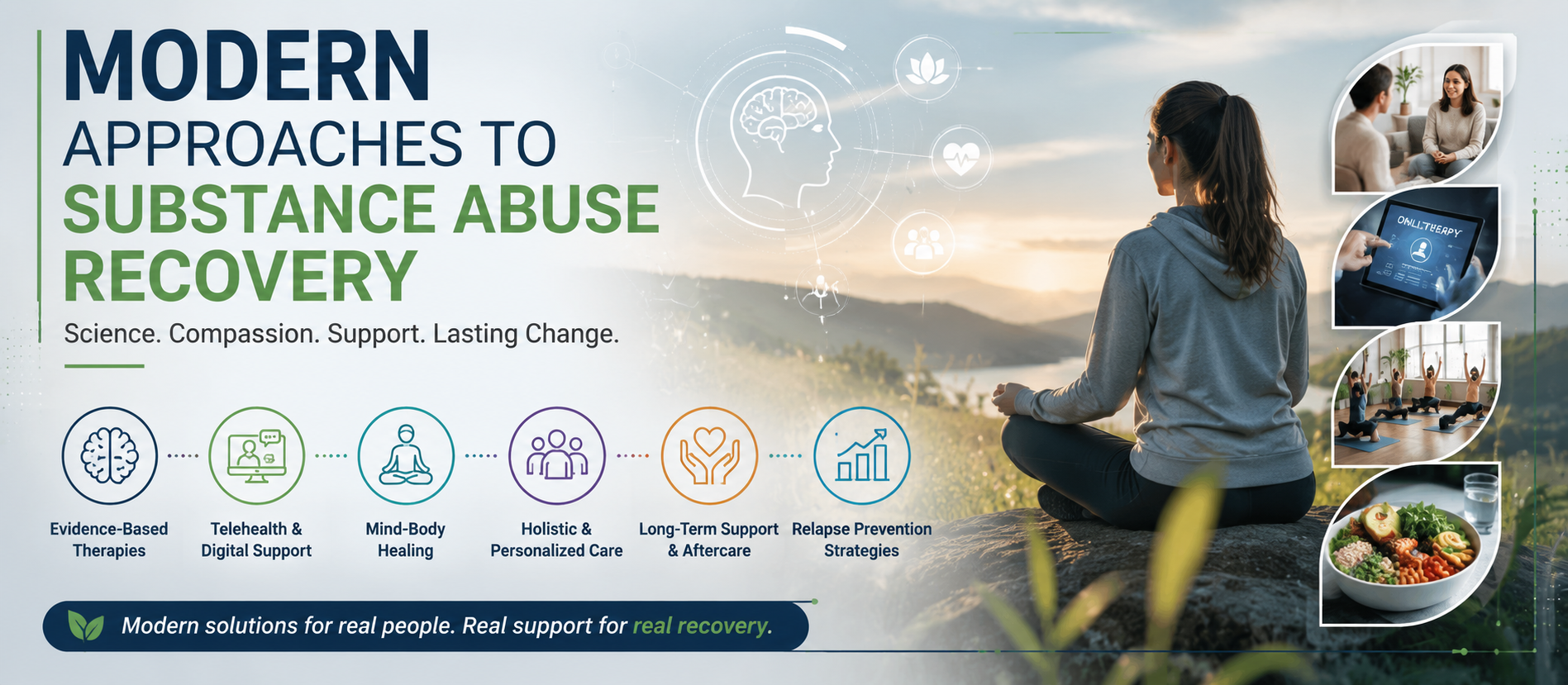
Healthcare providers, counselors, therapists, and recovery specialists can help individuals adapt recovery plans, strengthen coping skills, and address new challenges as they arise.
Technology and Recovery
Mobile health apps, telehealth appointments, wearable devices, and digital recovery communities can support accountability, monitor wellness, and encourage healthy routines.
SEO, AEO & GEO Optimized FAQs
Can lifestyle changes reduce relapse risk?
Healthy habits such as regular exercise, balanced nutrition, quality sleep, stress management, and strong social support can contribute to long-term recovery when combined with appropriate professional care.
Why is a support network important?
Supportive relationships provide encouragement, accountability, and assistance during challenging periods of recovery.
Should recovery continue after rehabilitation?
Yes. Recovery is an ongoing process that benefits from continued healthy habits, follow-up care, and personal growth.
Can technology help support recovery?
Digital tools, telehealth, and recovery applications can complement professional treatment by encouraging consistency and engagement.
Conclusion
⚠ Watch Out
Preventing relapse involves more than avoiding harmful substances—it requires building a healthier lifestyle that supports physical, emotional, and social well-being. With consistent healthy habits, professional guidance, and a reliable support network, many individuals achieve lasting recovery and an improved quality of life.
For more informative health and wellness content with SEO, AEO, GEO, and AI Search Optimization insights, visit Digiifrog at www.digiifrog.com.
Ready to Grow?
Talk to us about a strategy tailored to your brand — we will help you stand out in search, AI discovery and social.

Comments (0)
Log in to leave a comment.