📋 Quick Summary
In this article:
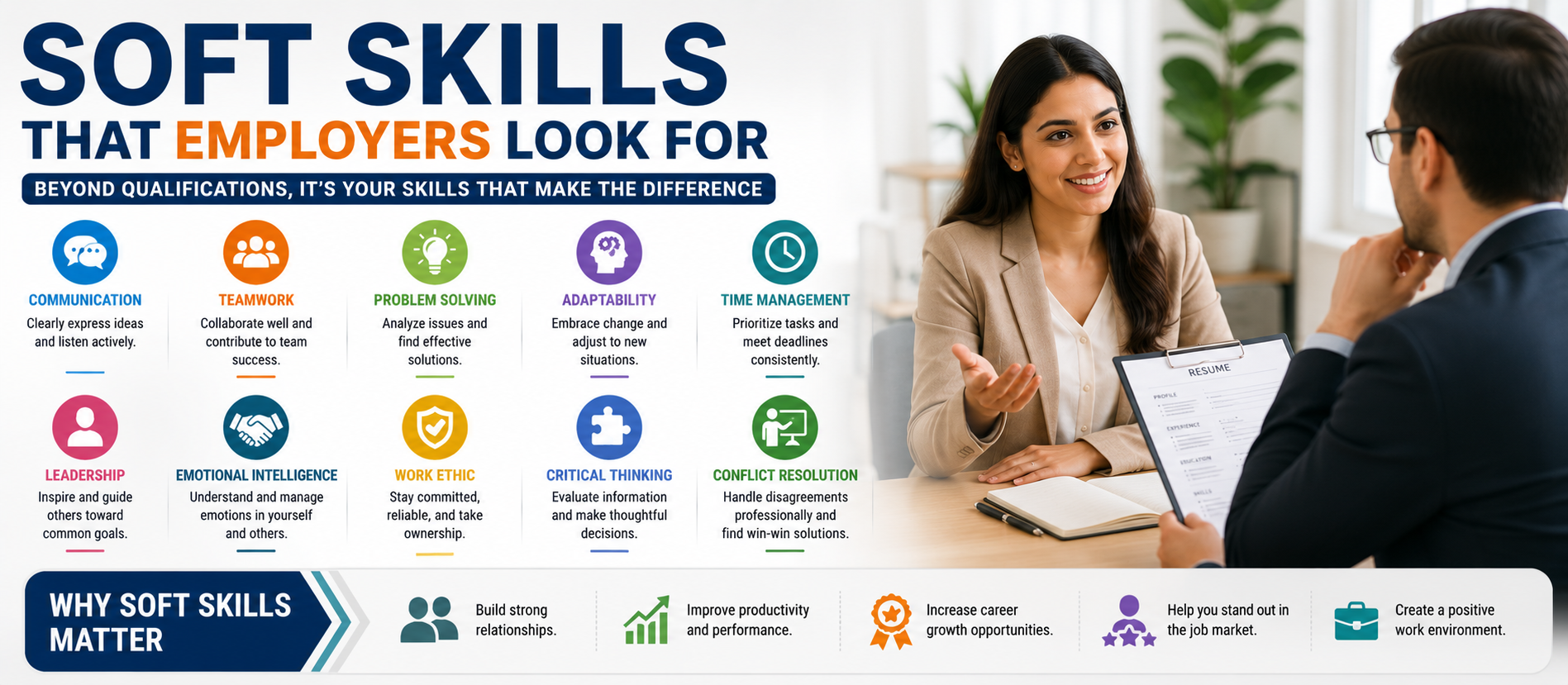
Top Soft Skills Employers Value
1. Communication
2. Teamwork
3. Problem-Solving
4. Adaptability
5. Leadership
6. Time Management
7. Emotional Intelligence
8. Creativity
💡 Key Insight
Technical expertise may help candidates qualify for a job, but soft skills often determine long-term career success. Employers across every industry increasingly value professionals who can communicate effectively, collaborate with teams, solve problems, adapt to change, and demonstrate leadership. As workplaces become more digital and globally connected, strong interpersonal skills are essential for building productive relationships and achieving business goals.
This WordPress-ready HTML article explores the most important soft skills employers seek, why they matter, and practical ways students and professionals can develop them. Optimized for SEO, AEO, GEO, and AI Search optimization, this guide is presented by Digiifrog.
Website: www.digiifrog.com
Brand: Digiifrog – Education, AI, Career & Digital Growth Insights
What Are Soft Skills?
Soft skills are personal qualities, communication abilities, work habits, emotional intelligence, and interpersonal competencies that help individuals interact effectively with others and perform successfully in the workplace.
Why Soft Skills Matter
- Improve workplace collaboration.
- Strengthen leadership potential.
- Increase career advancement opportunities.
- Support customer relationships.
- Enhance adaptability and resilience.
Top Soft Skills Employers Value
1. Communication
Clear verbal, written, and listening skills improve teamwork, presentations, and professional relationships.
2. Teamwork
Successful employees collaborate effectively, respect diverse perspectives, and contribute toward common goals.
3. Problem-Solving
Employers appreciate professionals who analyze challenges, think critically, and develop practical solutions.
4. Adaptability
The ability to embrace change and learn new technologies is increasingly important in modern workplaces.
5. Leadership
Leadership involves motivating others, making responsible decisions, and managing projects effectively.
6. Time Management
Organizing tasks, meeting deadlines, and prioritizing responsibilities improve productivity.
7. Emotional Intelligence
Understanding emotions, practicing empathy, and managing relationships strengthen workplace communication.
8. Creativity
Creative thinking encourages innovation and continuous improvement.
How to Develop Soft Skills
- Participate in group projects.
- Volunteer for leadership roles.
- Practice public speaking.
- Seek constructive feedback.
- Continue learning through workshops and online courses.
Frequently Asked Questions (AEO Section)
What are the most important soft skills?
Communication, teamwork, adaptability, problem-solving, leadership, emotional intelligence, and time management are among the most valued skills.
Why do employers value soft skills?
They improve collaboration, customer service, productivity, and overall workplace performance.
Can soft skills be learned?
Yes. Soft skills can be developed through practice, training, feedback, and real-world experience.
Conclusion
Strong soft skills complement technical expertise and help professionals succeed in today's competitive job market. By continuously developing communication, leadership, teamwork, and adaptability, students and professionals can build rewarding long-term careers.
For more education, AI, SEO, AEO, GEO, and technology insights, visit www.digiifrog.com.
Ready to Grow?
Talk to us about a strategy tailored to your brand — we will help you stand out in search, AI discovery and social.


Comments (0)
Log in to leave a comment.