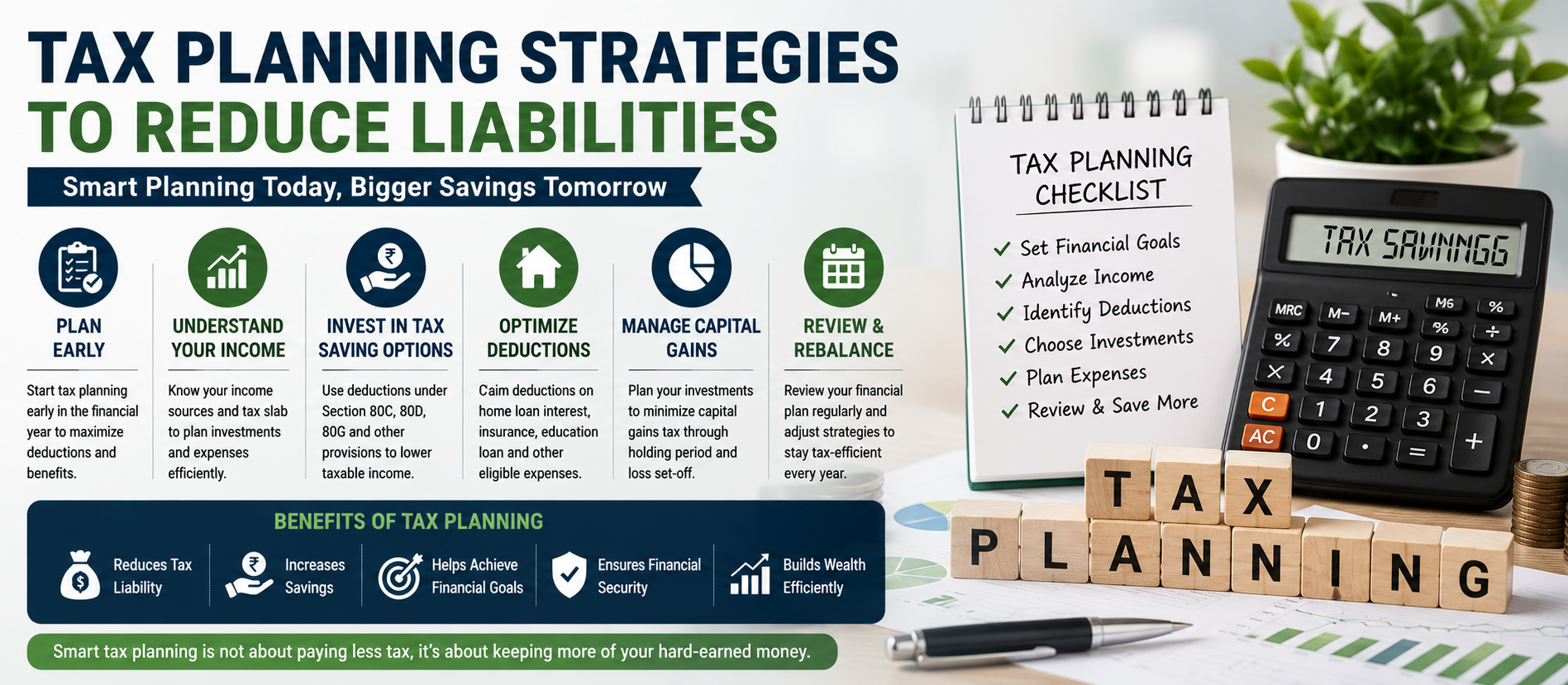
📋 Quick Summary
In this article:
Maximize Retirement Contributions
SEO, AEO, GEO & AI Search Optimization
💡 Key Insight
Effective tax planning is an essential part of personal and business financial management. Rather than waiting until tax season, proactive planning throughout the year can legally reduce tax liabilities, improve cash flow, and help individuals build long-term wealth. Understanding deductions, credits, investment strategies, retirement contributions, and tax-efficient financial decisions allows taxpayers to keep more of their hard-earned money while remaining fully compliant with tax laws.
This WordPress-ready HTML article from Digiifrog explores practical tax planning strategies, explains common tax-saving opportunities, and is optimized for SEO, AEO, GEO, and AI Search.
Why Tax Planning Matters
Tax planning helps individuals and businesses legally minimize tax obligations while improving overall financial efficiency.
- Increase after-tax income
- Improve cash flow
- Support retirement planning
- Reduce unnecessary tax burdens
- Enhance wealth accumulation
Key Tax Planning Strategies
Maximize Retirement Contributions
Contributing to eligible retirement accounts may provide valuable tax advantages while building long-term retirement savings.
Claim Eligible Deductions
Track deductible expenses such as qualified business costs, education expenses, charitable donations, and other eligible deductions where permitted.
Take Advantage of Tax Credits
Tax credits directly reduce tax liability and can often provide greater value than deductions.
Manage Investment Taxes
Consider long-term investing, tax-efficient funds, and appropriate timing of capital gains and losses.
Review Asset Allocation
Place tax-efficient investments in taxable accounts and tax-advantaged assets where appropriate.
Maintain Accurate Records
Keep organized documentation of income, expenses, deductions, receipts, and investment transactions.
Plan Charitable Giving
Strategic charitable donations may support both philanthropic goals and tax efficiency where applicable.
Common Tax Planning Mistakes
- Waiting until filing season
- Poor record keeping
- Ignoring available deductions
- Overlooking tax credits
- Not reviewing tax law changes
SEO, AEO, GEO & AI Search Optimization
SEO
Target keywords including tax planning, tax reduction, personal finance, wealth management, deductions, credits, and retirement planning.
AEO
Use structured headings and FAQ sections to answer common tax questions clearly.
GEO
Provide balanced, trustworthy financial guidance suitable for AI-generated search responses.
AI Search Optimization
Focus on expertise, clarity, practical advice, and user intent while avoiding jurisdiction-specific legal conclusions.
Frequently Asked Questions
Is tax planning legal?
Yes. Tax planning involves legally reducing taxes by using available deductions, credits, exemptions, and financial strategies.
When should I begin tax planning?
Tax planning should occur throughout the year rather than only before filing deadlines.
Should I consult a tax professional?
Complex financial situations often benefit from advice tailored to your jurisdiction and circumstances.
Conclusion
Tax Planning Strategies to Reduce Liabilities focus on making informed financial decisions throughout the year. By maximizing eligible deductions and credits, investing tax-efficiently, maintaining organized records, and reviewing financial plans regularly, taxpayers can legally reduce liabilities while strengthening long-term financial health.
Digiifrog
Website: www.digiifrog.com
Ready to Grow?
Talk to us about a strategy tailored to your brand — we will help you stand out in search, AI discovery and social.


Comments (0)
Log in to leave a comment.