
📋 Quick Summary
In this article:
What Is Technology-Based Relapse Prevention?
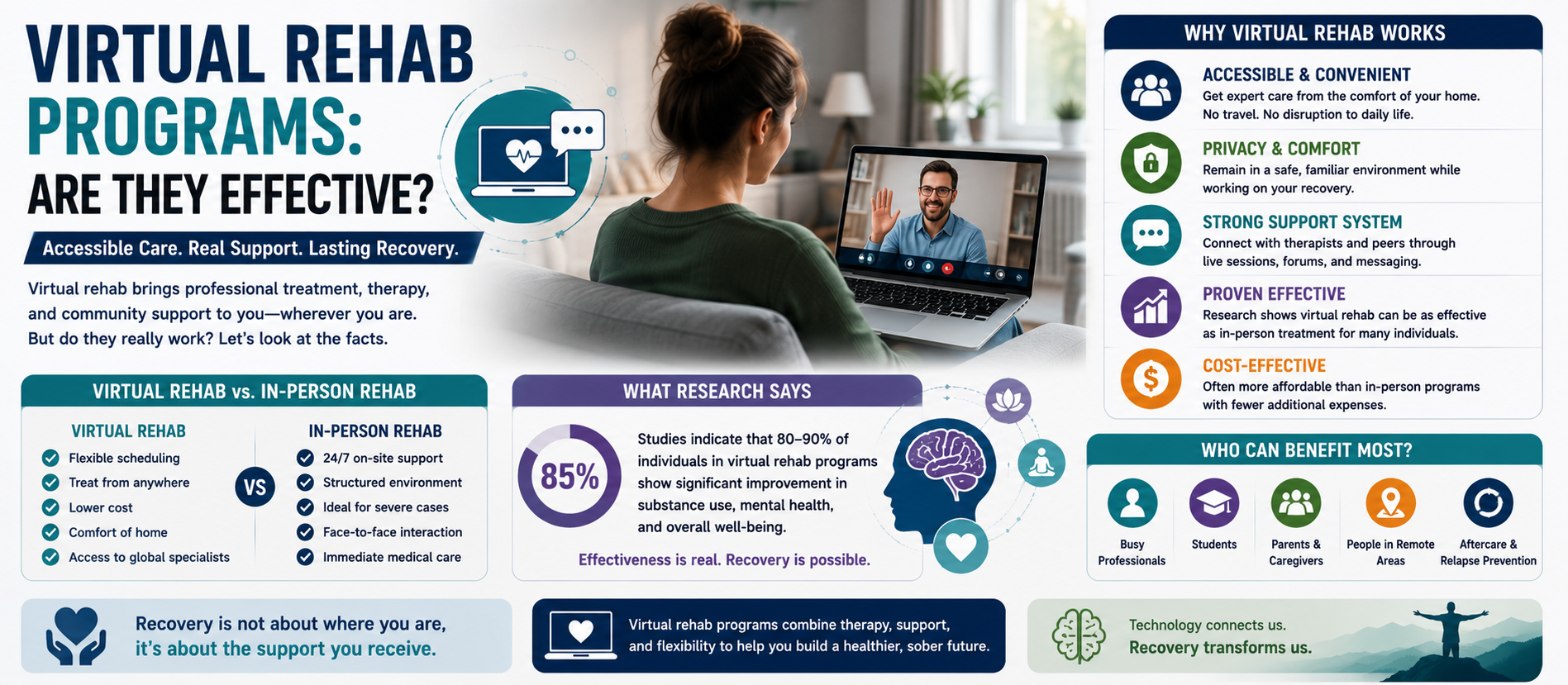
Why Technology Can Help With Relapse Prevention
1. Recovery Apps for Daily Support
2. Digital Cognitive Behavioral Therapy
3. Telehealth and Virtual Counseling
4. Text Messages and Recovery Reminders
5. Craving and Trigger Tracking
6. Digital Peer Support
7. Wearable Technology
8. Automated Recovery Plans
9. Artificial Intelligence in Recovery Support
Introduction
Technology-based relapse prevention strategies are changing how people can stay connected to recovery support. Smartphones, telehealth, web programs, digital therapy tools, text messages, online communities, and wearable devices can extend support beyond a treatment center.
⚠ Watch Out
Relapse prevention is not about predicting every future challenge. It is about recognizing risks, building coping skills, staying connected to care, and responding early when warning signs appear. Technology can support these goals when it is used as part of a broader recovery plan.
Research on digital recovery tools is promising but mixed. A 2026 review found that apps can be useful when they include evidence-based therapy content, personalized feedback, craving-management tools, and connection with peers or clinicians. Engagement remains a major challenge.
What Is Technology-Based Relapse Prevention?
Technology-based relapse prevention uses digital tools to support recovery before, during, or after formal treatment. The technology may deliver education, coping exercises, reminders, monitoring, communication, or access to professional and peer support.
Examples include:
- Recovery and mental health smartphone apps.
- Telehealth counseling and follow-up appointments.
- Secure text-message support.
- Online cognitive behavioral therapy programs.
- Digital recovery communities.
- Electronic recovery journals and craving trackers.
- Wearable devices that support activity, sleep, or health monitoring.
- Automated reminders for appointments, medication, or recovery tasks.
The technology itself is not the treatment. Its value depends on what it delivers, how safely it is used, and whether it supports an appropriate clinical or recovery plan.
Why Technology Can Help With Relapse Prevention
Recovery challenges do not occur only during therapy sessions. Cravings can appear at night, during travel, after a stressful conversation, or when someone encounters an old trigger. A digital tool can provide a coping prompt or connection at the moment support is needed.
Technology can also reduce practical barriers. People who live far from treatment services, have transportation problems, work unusual hours, or feel uncomfortable attending some services in person may find digital options easier to access.
Systematic reviews suggest that digital recovery support services can improve access and may complement formal treatment, although the evidence base is not equally strong for every type of tool.
1. Recovery Apps for Daily Support
Recovery apps can put several tools in one place. Depending on the app, features may include daily check-ins, goal setting, craving logs, coping exercises, educational content, recovery planning, or connections to support networks.
A useful app should encourage active recovery rather than simply display motivational messages. Evidence-based content matters. Privacy and data security also matter because addiction and health information is sensitive.
Research on smartphone interventions suggests that some apps can support continuing care after formal treatment, but studies remain limited and results vary by intervention.
2. Digital Cognitive Behavioral Therapy
Cognitive behavioral therapy, or CBT, teaches people to recognize connections between thoughts, feelings, behaviors, and triggers. Digital CBT can deliver parts of this approach through a website or mobile application.
For relapse prevention, a digital CBT program might help a person identify a high-risk situation, examine unhelpful thinking, choose a coping response, and review what happened afterward.
An umbrella review found promising evidence for app-delivered CBT in substance use disorder care, while also concluding that evidence for mobile apps as a whole is not strong enough to assume that every app is effective.
3. Telehealth and Virtual Counseling
Telehealth allows people to communicate with counselors, therapists, physicians, and other qualified professionals without always traveling to a clinic.
Virtual sessions can support relapse prevention by maintaining continuity of care. A clinician can review cravings, stress, medication needs, recovery goals, and warning signs. Telehealth may be especially useful when distance or scheduling makes frequent in-person visits difficult.
Technology should not replace emergency care. A person experiencing an immediate safety crisis needs appropriate local emergency or crisis support.
4. Text Messages and Recovery Reminders
Short messages can provide timely prompts. A message might remind someone about an appointment, encourage use of a coping skill, prompt a recovery check-in, or direct the person to contact their support network.
Messages work best when they are relevant and not overwhelming. Too many notifications can cause people to ignore the system.
Personalized messaging may be more useful than generic reminders because recovery risks differ from person to person.
5. Craving and Trigger Tracking
A digital journal can help people notice patterns. A person might record the time of a craving, the situation, emotions, intensity, thoughts, and response.
Over time, this information may reveal patterns. For example, cravings may increase after poor sleep, social conflict, isolation, or contact with specific people or places.
Tracking should not become an obsession. The goal is to identify useful patterns and discuss them with a qualified professional when appropriate.
6. Digital Peer Support
Online recovery communities can reduce isolation. People may communicate through moderated forums, group chats, video meetings, or recovery-focused social networks.
Peer support can provide encouragement and a sense of belonging. However, online communities vary greatly in quality. A safe community should have clear rules, active moderation, respectful communication, and protection against harmful content.
Digital peer support should complement, not automatically replace, professional care.
7. Wearable Technology
Wearable devices can track information such as activity, heart rate, sleep, or other health measures. These data may help people notice lifestyle patterns that affect recovery.
For example, poor sleep may coincide with increased stress or cravings. A person can use that information to discuss sleep habits and recovery strategies with a healthcare professional.
Wearables do not diagnose relapse. Their data should be treated as supportive information, not as a substitute for clinical assessment.
8. Automated Recovery Plans
Digital tools can organize a person's relapse prevention plan. A plan may include personal triggers, warning signs, coping skills, emergency contacts, appointments, medication reminders, and preferred support resources.
The plan should be created with the person, not imposed by software. It should also be updated as recovery changes.
9. Artificial Intelligence in Recovery Support
AI can help deliver personalized educational content, summarize journal entries, identify patterns, or provide structured prompts. It may also help clinicians organize information when used within appropriate systems.
However, AI should be used carefully. A general chatbot is not a replacement for an addiction specialist, therapist, physician, or emergency service. AI systems can produce incorrect or unsuitable advice. People should avoid entering unnecessary sensitive health information into unverified tools.
10. Medication and Appointment Reminders
Digital reminders can help people remember appointments, medication schedules, therapy sessions, and other recovery tasks. This can be useful when recovery involves several services.
Medication changes should always be discussed with the prescribing professional. A reminder system should never independently change doses or treatment instructions.
What Makes a Digital Relapse Prevention Tool Effective?
Not every recovery app or online program is equally useful. Stronger tools tend to have a clear therapeutic purpose and connect digital activities to established recovery methods.
Look for:
- Evidence-informed therapeutic content.
- Clear information about the organization or developer.
- Strong privacy and security practices.
- Useful personalization.
- Easy access to human support when needed.
- Simple navigation and readable content.
- Clear instructions about emergencies.
- Regular evaluation and updates.
A 2024 umbrella review found insufficient evidence to recommend mobile apps for substance use disorder treatment as a whole. It identified recovery support services, CBT, and contingency management as promising areas, showing why the specific content of a tool matters more than the label “digital.”
Technology Should Complement Human Support
The strongest approach is often a combination of technology and human care. An app can record a craving, but a counselor can help understand why it happened. A reminder can prompt a meeting, but a support person can provide encouragement. A digital CBT exercise can teach a skill, while a therapist can adapt that skill to a complex situation.
Digital tools are best viewed as bridges between recovery activities, not replacements for relationships and professional care.
Privacy and Security Matter
Recovery information is highly personal. Before using a digital service, review its privacy policy. Understand what information is collected, where it is stored, whether it is shared, and how an account can be deleted.
Use strong passwords and multi-factor authentication when available. Avoid discussing highly sensitive information in public forums. Keep devices updated and use screen locks.
Common Mistakes to Avoid
- Choosing an app only because it has many downloads.
- Assuming every digital health claim is evidence-based.
- Using technology instead of needed professional treatment.
- Ignoring privacy settings.
- Setting too many notifications.
- Tracking data without reviewing useful patterns.
- Relying on AI for urgent medical or addiction crises.
How to Build a Technology-Supported Relapse Prevention Plan
Start with the person's existing recovery plan. Identify common triggers, warning signs, coping skills, support contacts, and professional services.
💡 Key Insight
Then choose only the technology that solves a real problem. For example, use telehealth when travel is a barrier, a reminder system when appointments are difficult to remember, or a craving journal when identifying patterns is useful.
Review the plan regularly. If a tool creates stress, becomes difficult to use, or provides little value, replace it.
How Effective Are Technology-Based Strategies?
The evidence is encouraging but not conclusive. A systematic review of smartphone interventions found that apps may be an effective continuing-care option, while noting that the research base remains small.
Another systematic review found that digital interventions were generally feasible, but they were not consistently effective across substance use outcomes.
This means technology should be selected carefully. The goal is not to use the newest tool. The goal is to use a useful tool that supports proven recovery practices.
Frequently Asked Questions
Can an app prevent relapse?
An app cannot guarantee relapse prevention. It may support coping skills, monitoring, education, reminders, and connection to care.
Can telehealth help with relapse prevention?
Yes. Telehealth can help maintain contact with qualified professionals and support ongoing recovery when appropriate.
Are recovery apps safe to use?
Safety depends on the app. Check its privacy practices, developer information, evidence base, security features, and connection to qualified support.
Can AI replace an addiction counselor?
No. AI can provide general information or structured support, but it should not replace qualified clinical care or emergency services.
Should technology replace in-person treatment?
Not automatically. Digital tools are often most useful when they complement appropriate professional and peer support.
Final Thoughts
Technology-based relapse prevention strategies can make recovery support more accessible, timely, and connected. Apps, telehealth, digital therapy, reminders, online peer groups, and tracking tools can help people practice skills and stay connected between formal treatment sessions.
Technology is not a cure for addiction, and no app can guarantee recovery. The best digital strategy is one that supports evidence-informed treatment, respects privacy, encourages human connection, and fits the person's real needs.
As digital recovery tools continue to develop, the most important question should remain simple: Does this technology help the person take a meaningful next step in recovery?
Digiifrog creates clear, useful, and search-friendly health education content. Visit www.digiifrog.com for digital content and online solutions.
This article is for educational purposes only. It does not replace professional addiction treatment, medical advice, or emergency support.
Ready to Grow?
Talk to us about a strategy tailored to your brand — we will help you stand out in search, AI discovery and social.
Comments (0)
Log in to leave a comment.