📋 Quick Summary
In this article:
What Is Aftercare Following Drug Rehab?
Why Does Aftercare Matter So Much?
1. Aftercare Helps Maintain Treatment Gains
2. Aftercare Supports Relapse Prevention
3. Therapy Can Continue After Rehab
4. Medication Management May Be Part of Aftercare
5. Peer Support Can Reduce Isolation
6. Family Support Can Strengthen Recovery
7. Aftercare Helps Rebuild Daily Life
8. Case Management Can Connect the Pieces
9. Aftercare Can Help With Cravings and High-Risk Situations
10. Aftercare Encourages Long-Term Recovery
💡 Key Insight
Completing drug rehab is an important step. It is not always the end of treatment. For many people, the period after leaving a residential or intensive program brings new challenges. Daily life returns. Old environments may reappear. Stress, cravings, relationship problems, work pressure, and other triggers can test newly developed recovery skills.
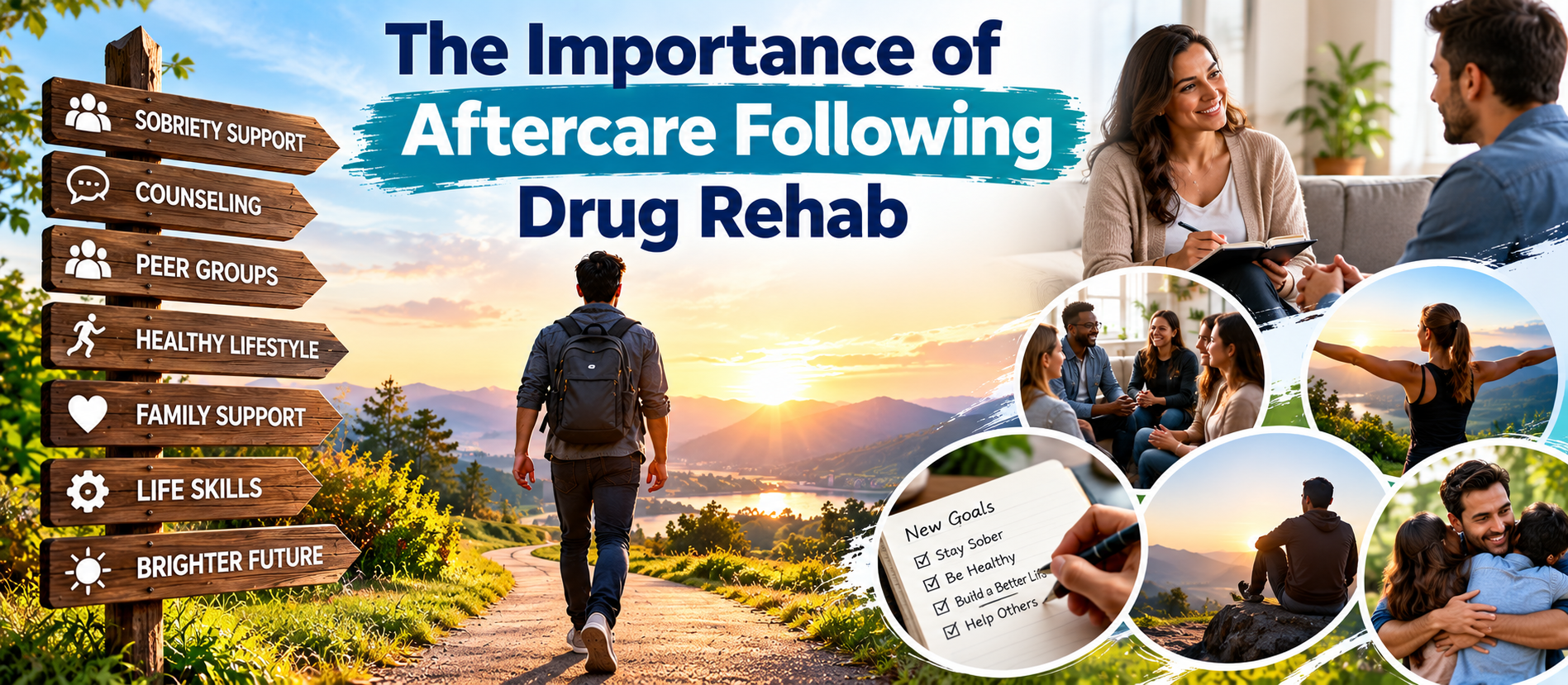
This is why aftercare following drug rehab matters. Aftercare, also called continuing care or recovery management, helps a person carry treatment gains into everyday life. It can include therapy, medical follow-up, peer support, family support, recovery groups, case management, healthy routines, and practical help with housing, work, or education.
The World Health Organization describes recovery management as a long-term process that goes beyond one treatment episode. It can support health, social functioning, community reintegration, and resilience.
What Is Aftercare Following Drug Rehab?
Aftercare is the continuing support provided after the most intensive stage of addiction treatment. The level of support can change over time. A person may begin with frequent appointments and gradually move to less intensive care as stability improves.
Aftercare is not identical for everyone. Someone returning to a stable home with strong support may need a different plan from someone facing homelessness, mental health concerns, family conflict, or limited social support.
WHO recommends recovery-oriented services such as continuing community care, case management, occupation-based support, and peer support for adults with drug dependence, although the strength and certainty of evidence vary by intervention.
Why Does Aftercare Matter So Much?
Rehab can provide structure and intensive support. Everyday life provides a different environment. The transition can expose a person to situations that were easier to avoid during treatment.
SAMHSA describes recovery as a personal process involving health, home, purpose, and community. Its current recovery guidance also recognizes that recovery can involve clinical treatment, medication, peer support, family support, self-care, and other pathways.
1. Aftercare Helps Maintain Treatment Gains
During rehab, a person may learn how to recognize triggers, manage cravings, communicate more effectively, and build healthier routines. These skills need practice outside a controlled treatment environment.
Regular follow-up gives a person an opportunity to discuss what is working and what is not. A counselor or healthcare professional can help adjust the plan when circumstances change.
SAMHSA notes that treatment may take time and that people can connect with recovery support services such as support groups. It also recognizes that treatment plans may need to be fine-tuned when a particular approach is not a good fit.
2. Aftercare Supports Relapse Prevention
Aftercare helps people prepare for cravings and difficult days.
A relapse-prevention plan can identify:
- Personal triggers
- Early warning signs
- People to contact for support
- Healthy coping strategies
- Places or situations that may increase risk
- Steps to take during a crisis
- Professional contacts for urgent support
3. Therapy Can Continue After Rehab
Rehab may introduce therapy, but emotional and behavioral work often continues after discharge. Therapy can help a person understand triggers, manage stress, work through trauma when appropriate, and develop healthier responses to difficult situations.
Different approaches may be useful for different people. WHO recommends psychosocial interventions such as cognitive behavioral therapy and contingency management for people with cocaine and stimulant dependence.
Continuing therapy can also help address problems that become clearer after substance use is reduced. The treatment plan should be based on the person's needs rather than a fixed formula.
4. Medication Management May Be Part of Aftercare
Some substance use disorders can benefit from medications as part of ongoing treatment. For example, medications are used in the treatment of opioid use disorder and alcohol use disorder.
For people receiving medication treatment, follow-up can help healthcare professionals monitor response, side effects, adherence, and changing needs.
WHO's 2025 opioid guidance continues to support evidence-based pharmacological and psychosocial treatment options for opioid dependence.
Medication decisions should always be made with a qualified healthcare professional. A person should not start, stop, or change prescribed treatment without appropriate medical advice.
5. Peer Support Can Reduce Isolation
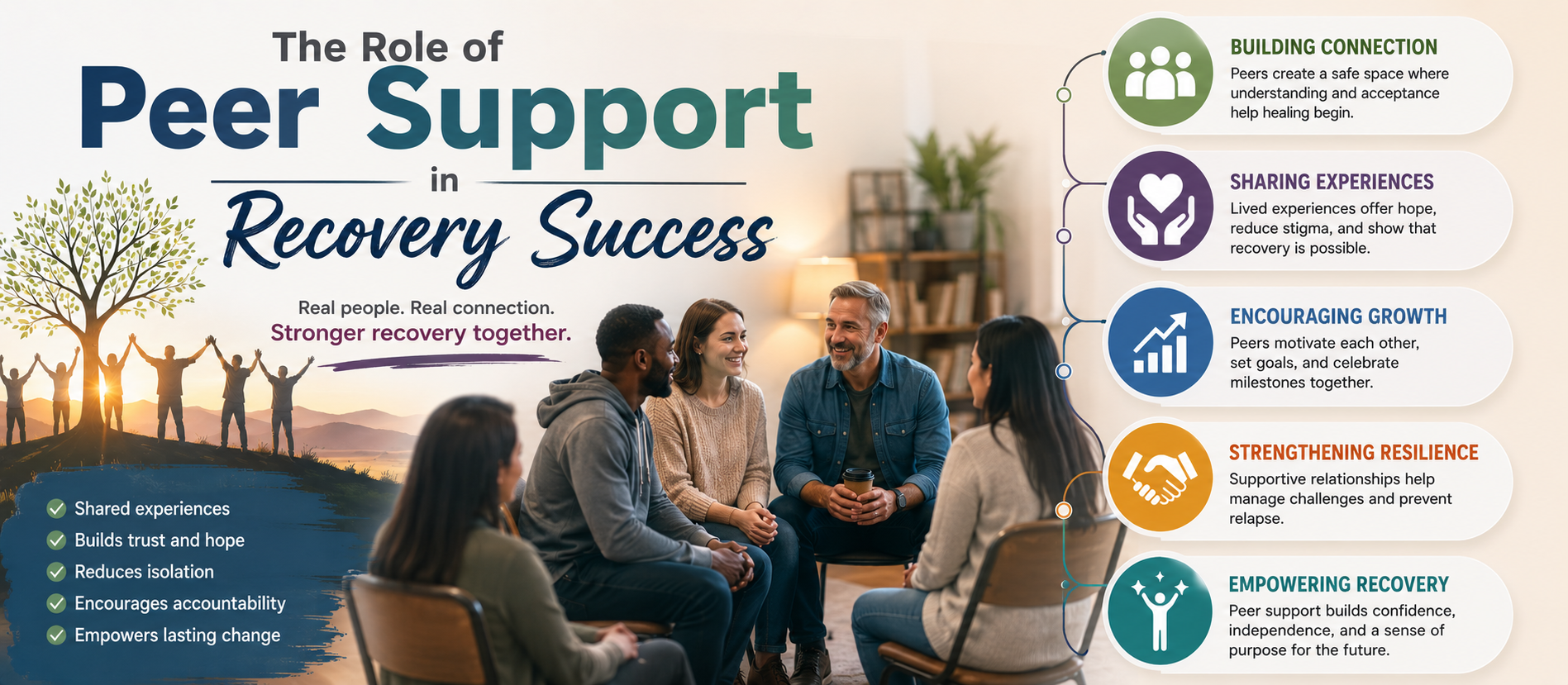
Recovery can feel lonely when a person leaves rehab. Peer support can create connection with people who understand aspects of the recovery experience.
Support may come through mutual-aid groups, peer recovery programs, community organizations, or other recovery networks. The right option depends on personal preference, availability, and clinical needs.
WHO includes peer support and continuing community care among recovery-oriented services that can be considered for adults with drug dependence.
6. Family Support Can Strengthen Recovery
Family members can provide encouragement, practical help, and emotional support. They can also help create a stable home environment.
However, family members should not be expected to become therapists or manage addiction alone. Healthy boundaries are important.
Useful family support may include attending appropriate family sessions, learning about addiction, encouraging treatment appointments, supporting healthy routines, and avoiding behaviors that unintentionally enable harmful substance use.
7. Aftercare Helps Rebuild Daily Life
Recovery also involves rebuilding work, education, housing, finances, relationships, health, and daily routines.
Aftercare can connect people with services that address these practical needs. WHO's recovery-management guidance describes support for issues such as housing, unemployment, workplace problems, social isolation, and relationships.
Small routines can also create stability. Regular sleep, healthy meals, physical activity appropriate to a person's health, appointments, meaningful activities, and supportive relationships can all become part of a recovery lifestyle.
8. Case Management Can Connect the Pieces
Recovery sometimes involves several services. A person may need medical care, therapy, medication, housing assistance, employment support, and community resources.
Case management can help coordinate these needs. A case manager may help with referrals, appointments, benefits, housing resources, vocational services, or communication between providers.
9. Aftercare Can Help With Cravings and High-Risk Situations
Cravings can occur even after a period of stability. Triggers may include people, places, emotions, celebrations, conflict, loneliness, or financial stress.
An aftercare plan should identify practical responses. A person might leave a risky environment, contact a trusted support person, attend a recovery meeting, use a coping strategy learned in therapy, or contact a healthcare professional.
10. Aftercare Encourages Long-Term Recovery
WHO describes recovery management as a continuing process rather than a short program that begins and ends with one treatment episode. The aim is to maintain treatment gains while supporting health, social functioning, and community reintegration.
What Can a Good Aftercare Plan Include?
| Aftercare Element Purpose | |
| Individual therapy | Build coping skills and address emotional or behavioral challenges |
| Medical follow-up | Monitor physical health and ongoing treatment needs |
| Medication management | Support appropriate medication-based treatment when clinically indicated |
| Peer support | Build connection and reduce isolation |
| Family support | Improve communication and strengthen healthy relationships |
| Case management | Connect healthcare and practical community services |
| Relapse-prevention planning | Prepare for cravings, triggers, and high-risk situations |
| Work or education support | Build purpose, independence, and routine |
How Long Should Drug Rehab Aftercare Last?
There is no single aftercare length that works for everyone. The appropriate duration depends on the substance involved, treatment history, health, recovery progress, living environment, support network, and other needs.
Support may be frequent early and less intensive later, while some people need longer-term services.
Continuity matters. SAMHSA measures whether treatment continues within seven or fourteen days after inpatient or residential discharge.
What Happens If Someone Relapses During Aftercare?
A return to substance use can increase health and overdose risks, particularly when tolerance has changed. It should be treated as a reason to seek help, not as a reason to disappear from care.
If there are signs of overdose, severe withdrawal, loss of consciousness, breathing problems, seizures, or another emergency, seek emergency medical help immediately.
How Technology Can Support Aftercare
Digital tools can make some recovery services easier to access. They may support telehealth appointments, reminders, educational resources, peer communication, or recovery planning.
WHO says digitally delivered interventions may be considered for adults using drugs or with drug use disorders, but they should not replace other forms of intervention and should address consent, safety, confidentiality, privacy, and security.
How Families Can Support Aftercare
- Encourage continued professional care.
- Support attendance at appointments.
- Help maintain a stable and safe home environment.
- Learn about triggers and warning signs.
- Respect reasonable boundaries.
- Avoid covering up repeated harmful behavior.
- Encourage healthy routines.
- Seek support for yourself when needed.
How to Choose an Aftercare Program
Before selecting an aftercare service, ask practical questions:
- Who provides the treatment or support?
- Are qualified healthcare or behavioral health professionals involved?
- How is the plan individualized?
- How often will follow-up occur?
- Are medication options available when clinically appropriate?
- Is family involvement offered when suitable?
- Are peer-support options available?
- How are emergencies handled?
- Can the program coordinate with other healthcare providers?
- What are the costs and payment terms?
Aftercare and a Meaningful Life Beyond Rehab
Long-term recovery is also about building a meaningful life beyond substance use.
SAMHSA's recovery framework includes four broad dimensions: health, home, purpose, and community. Purpose can involve work, education, volunteering, family responsibilities, or creative activities. Community includes relationships that provide support, friendship, love, and hope.
Key Takeaways
- Rehab is an important stage, but recovery may continue after discharge.
- Aftercare creates continuity between intensive treatment and everyday life.
- Therapy can help manage triggers, stress, and behavioral challenges.
- Medication follow-up may be important for some substance use disorders.
- Peer and family support can strengthen recovery.
- Case management can connect healthcare with housing, work, education, and other services.
- Relapse-prevention planning helps prepare for high-risk situations.
- There is no universal aftercare duration.
- Technology can support recovery but should not replace appropriate care.
- Long-term recovery can include health, purpose, stable housing, relationships, and community.
Frequently Asked Questions
What is aftercare following drug rehab?
Aftercare is continuing treatment and recovery support after the most intensive stage of rehab. It may include therapy, medical follow-up, medication management, peer support, family support, case management, and community services.
Why is aftercare important after drug rehab?
Aftercare helps people carry treatment skills into everyday life. It can provide ongoing support for cravings, triggers, health needs, relationships, and practical challenges.
How long should aftercare last?
There is no universal duration. Support may be more frequent soon after discharge and become less intensive as stability improves. Some people need longer-term care.
Can aftercare prevent relapse?
Aftercare can support relapse-prevention planning and provide help when risks increase. It cannot guarantee that relapse will never occur.
SEO, AEO, GEO and AI Search Optimization
This article uses direct questions, concise answers, descriptive headings, natural keyword placement, structured lists, a comparison table, and FAQ content. These elements improve readability and make key information easier for search engines and AI systems to understand.
Final Thoughts
The importance of aftercare following drug rehab is simple: recovery does not stop when a person leaves a treatment facility. The transition back to daily life can bring new responsibilities, triggers, and challenges.
Continuing care gives a person a framework for handling those challenges. Therapy, medical support, peer connection, family involvement, practical assistance, and healthy routines can work together as part of an individualized recovery plan.
Aftercare is not a sign that rehab failed. It is a way to continue building on the work already done. Recovery can develop over time, and the right level of support may change as a person's needs change.
Digiifrog publishes practical content about health, technology, AI, digital transformation, and modern online strategies. Visit www.digiifrog.com for more insights.
Sources and Further Reading
- WHO/UNODC – Drug Use Treatment Standards
- WHO – Recovery Services
- SAMHSA – Recovery
- SAMHSA – Treatment
- SAMHSA – Continuity of Care
- WHO – Digital Interventions
Ready to Grow?
Talk to us about a strategy tailored to your brand — we will help you stand out in search, AI discovery and social.

Comments (0)
Log in to leave a comment.