
📋 Quick Summary
In this article:
Quick Answer: What Are Digital Transformation Services?
Why Digital Transformation Matters for Enterprises
1. Digital Transformation Strategy and Consulting
2. Cloud Transformation Services
3. Legacy Application Modernization
Modernization Approaches Include:
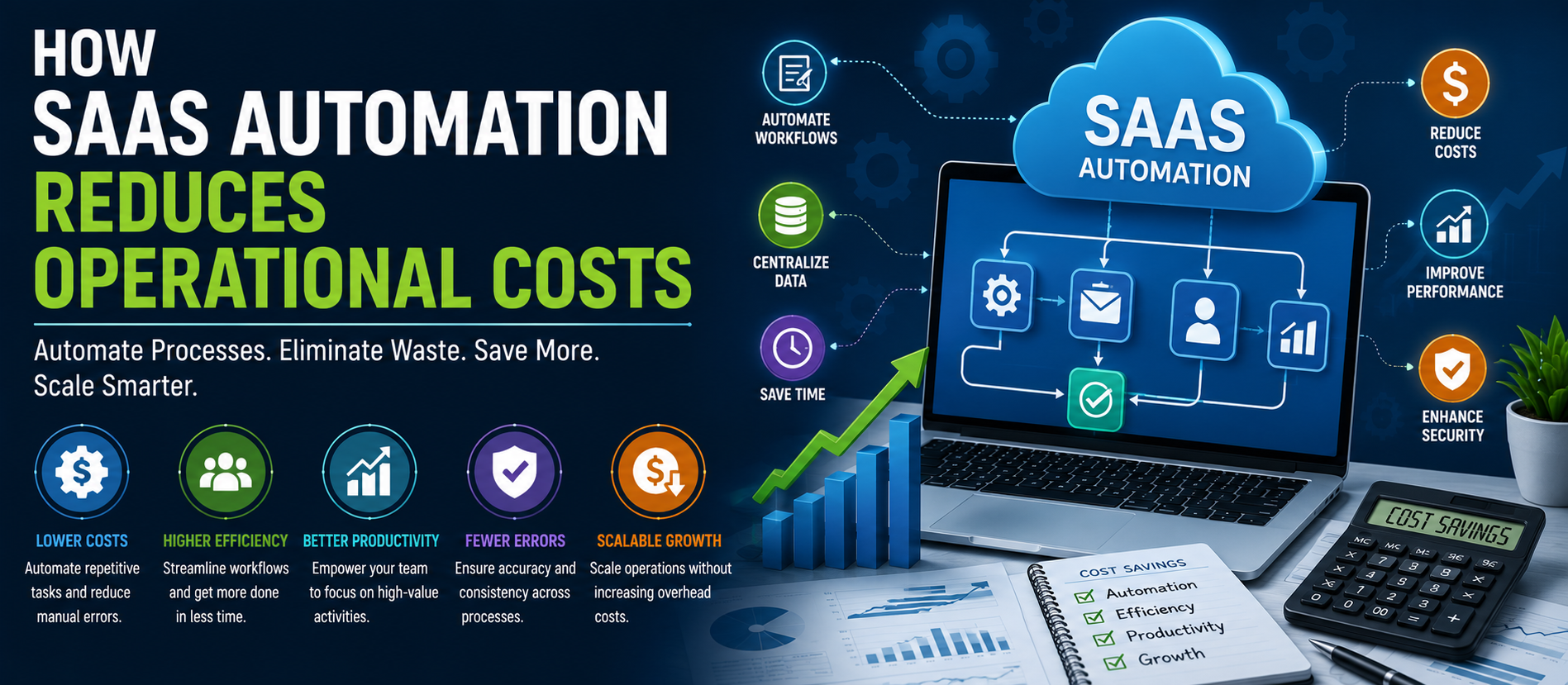
4. Enterprise Automation Services
5. AI and Generative AI Transformation Services
6. Data Analytics and Business Intelligence Services
7. Customer Experience Transformation
8. Enterprise Software Integration Services
Digital transformation services help enterprises modernize technology, improve business processes, use data more effectively, and create better customer experiences. Large organizations often manage complex systems, multiple departments, legacy applications, and large volumes of data. Digital transformation provides a structured way to improve these areas.
Successful transformation is not only about buying new software. It requires clear business goals, the right technology, skilled people, improved processes, and continuous measurement.
This guide explains the top digital transformation services for enterprises, their benefits, and how organizations can choose the right transformation strategy.
Quick Answer: What Are Digital Transformation Services?
Digital transformation services are professional services that help businesses use modern technologies to improve operations, customer experiences, decision-making, products, and business models.
These services can include cloud transformation, AI implementation, automation, data analytics, cybersecurity, software modernization, customer experience transformation, and digital strategy consulting.
Why Digital Transformation Matters for Enterprises
Enterprises operate in a fast-changing environment. Customer expectations are increasing, technology is evolving quickly, and competitors are using automation and artificial intelligence to improve performance.
Without modernization, organizations may face:
- Slow and outdated business processes.
- High technology maintenance costs.
- Disconnected data systems.
- Poor customer experiences.
- Limited operational visibility.
- Difficulty scaling new services.
- Increased cybersecurity risks.
A well-planned digital transformation strategy can help enterprises become more agile and efficient.
1. Digital Transformation Strategy and Consulting
Digital transformation should begin with strategy.
Technology investments can fail when businesses purchase tools without understanding the problem they need to solve. Digital transformation consulting helps enterprises connect technology decisions with business objectives.
Key Services May Include:
- Digital maturity assessments.
- Technology roadmaps.
- Business process analysis.
- Transformation planning.
- Technology investment evaluation.
- Change management planning.
A strong digital strategy identifies where technology can create measurable business value.
2. Cloud Transformation Services
Cloud computing is a major part of enterprise digital transformation.
Cloud transformation services help businesses move applications, infrastructure, and workloads to suitable cloud environments.
Common cloud transformation activities include:
- Cloud readiness assessments.
- Application migration.
- Infrastructure modernization.
- Cloud security planning.
- Cost optimization.
- Cloud operations management.
The goal is not simply to move every system to the cloud. Enterprises should evaluate workloads based on security, performance, cost, compliance, and business requirements.
3. Legacy Application Modernization
💡 Key Insight
Many large organizations depend on older applications that remain important to daily operations.
Legacy systems can create challenges such as:
- High maintenance costs.
- Limited integration capabilities.
- Security concerns.
- Slow development.
- Difficulty finding specialized technical skills.
Application modernization services can help enterprises improve existing systems without always replacing everything at once.
Modernization Approaches Include:
- Rehosting.
- Replatforming.
- Refactoring.
- Application redesign.
- API integration.
The best approach depends on the importance and condition of each application.
4. Enterprise Automation Services
Automation can reduce repetitive work and improve process consistency.
Enterprise automation services may support:
- Workflow automation.
- Document processing.
- Employee onboarding.
- Customer service workflows.
- Finance processes.
- Data synchronization.
Businesses should first understand and simplify the process before automating it.
Automation works best when the underlying workflow is clear and stable.
5. AI and Generative AI Transformation Services
Artificial intelligence is becoming an important part of enterprise transformation.
AI transformation services help organizations identify practical use cases and implement AI responsibly.
Possible enterprise applications include:
- Customer service assistants.
- Document intelligence.
- Predictive analytics.
- Knowledge search.
- Workflow assistance.
- Demand forecasting.
Generative AI can also help employees summarize information, create drafts, and access organizational knowledge.
However, enterprises should consider data security, accuracy, governance, and human oversight before deploying AI systems.
6. Data Analytics and Business Intelligence Services
Enterprises generate large amounts of data. The challenge is turning data into useful insights.
Data transformation services can help businesses:
- Integrate data from different systems.
- Improve data quality.
- Create dashboards.
- Build analytics systems.
- Support better forecasting.
Business intelligence helps leaders understand performance and identify trends.
Reliable data is also essential for AI and automation initiatives.
7. Customer Experience Transformation
Digital transformation should improve the experience of customers.
Customer experience transformation can involve:
- Website modernization.
- Mobile applications.
- Customer portals.
- Personalized communication.
- Digital self-service.
- CRM optimization.
Customers often expect quick and consistent experiences across digital channels.
Enterprises should map the customer journey and identify points where delays or confusion occur.
8. Enterprise Software Integration Services
Large organizations frequently use many software platforms.
Disconnected systems can create duplicate work and inconsistent information.
Integration services help enterprise applications exchange information more effectively.
Integration may connect:
- CRM systems.
- ERP platforms.
- Marketing systems.
- Customer service software.
- Data platforms.
Before integration, organizations should define data ownership and security requirements.
9. Cybersecurity Transformation Services
Digital transformation can increase the number of systems, devices, and connections an enterprise manages.
Cybersecurity should be part of transformation planning from the beginning.
Security transformation services may include:
- Security assessments.
- Identity and access management.
- Cloud security.
- Threat detection.
- Security monitoring.
- Employee awareness programs.
Strong security practices protect business systems, customers, and organizational data.
10. Digital Workplace Transformation
Modern enterprises need digital tools that support employees and collaboration.
Digital workplace transformation can include:
- Collaboration platforms.
- Knowledge management systems.
- Digital employee workflows.
- Remote work technologies.
- Automated internal services.
The goal is to reduce unnecessary friction and help employees access the information and tools they need.
11. DevOps and Agile Transformation Services
Traditional software development can be slow when development and operations teams work separately.
DevOps and Agile transformation services help enterprises improve how software is planned, developed, tested, and released.
Benefits may include:
- Faster software delivery.
- Improved collaboration.
- Better testing practices.
- More reliable releases.
- Continuous improvement.
Transformation requires changes in culture and processes, not only new development tools.
12. Business Process Optimization
Technology alone cannot solve every operational problem.
Business process optimization examines how work moves through the organization.
The goal is to identify:
- Delays.
- Manual tasks.
- Duplicate work.
- Unclear responsibilities.
- Unnecessary approvals.
Improving processes before implementing technology can create better transformation outcomes.
How to Choose the Right Digital Transformation Services
Enterprises should not adopt every available technology. The right services depend on business priorities.
Step 1: Define Business Objectives
Identify the outcome you want to achieve. Examples include improving customer experience, reducing costs, increasing speed, or modernizing technology.
Step 2: Assess Current Capabilities
Review existing systems, processes, skills, and data capabilities.
Step 3: Identify High-Impact Opportunities
Prioritize projects that can create meaningful business value.
Step 4: Build a Transformation Roadmap
Create a phased plan with clear priorities and measurable goals.
Step 5: Choose Technology Carefully
Select tools based on business requirements rather than market trends.
Step 6: Measure Results
Track performance before and after implementation.
Benefits of Digital Transformation for Enterprises
A successful transformation program can provide several benefits:
- Improved operational efficiency.
- Better customer experiences.
- Faster decision-making.
- Greater business agility.
- Better use of enterprise data.
- More scalable technology systems.
- Improved employee productivity.
The value of transformation depends on execution. Technology should support measurable business outcomes.
Common Digital Transformation Challenges
Enterprise transformation can be complex.
Common challenges include:
- Unclear business goals.
- Resistance to change.
- Legacy technology.
- Poor data quality.
- Limited internal skills.
- Security and compliance requirements.
- Weak executive alignment.
Recognizing these challenges early can help organizations create stronger plans.
The Importance of Change Management
Technology projects can fail when employees are not prepared for new ways of working.
Change management should include:
- Clear communication.
- Employee training.
- Leadership support.
- User feedback.
- Gradual adoption plans.
Employees are an important part of every successful transformation.
Digital Transformation KPIs for Enterprises
Measuring results helps organizations understand whether transformation investments are creating value.
Useful KPIs may include:
- Process completion time.
- Operational costs.
- Customer satisfaction.
- Employee productivity.
- System reliability.
- Automation rates.
- Digital adoption rates.
The best metrics depend on the specific transformation goal.
The Role of AI in Enterprise Digital Transformation
AI is becoming a powerful part of digital transformation.
Enterprise AI can support:
- Business intelligence.
- Automation.
- Customer support.
- Document processing.
- Forecasting.
- Knowledge management.
Businesses should start with practical use cases and reliable data.
Responsible AI governance is important when systems handle sensitive information or influence important decisions.
Building a Scalable Digital Transformation Roadmap
Large transformation projects are easier to manage when divided into phases.
Phase 1: Assessment
Understand the current business and technology environment.
Phase 2: Strategy
Define priorities and expected outcomes.
Phase 3: Pilot Projects
Test important ideas on a manageable scale.
Phase 4: Implementation
Deploy successful solutions more broadly.
Phase 5: Optimization
Measure performance and improve continuously.
Future Trends in Enterprise Digital Transformation
Several technologies will continue shaping enterprise transformation:
- Artificial intelligence and AI agents.
- Generative AI.
- Intelligent automation.
- Cloud-native applications.
- Advanced data analytics.
- Cybersecurity automation.
The most successful enterprises will focus on using these technologies to solve real business problems.
SEO, AEO, GEO, and AI Search Optimization
This topic is structured to help people and modern search systems understand the main concepts.
For SEO, relevant keywords include digital transformation services for enterprises, enterprise digital transformation, digital transformation solutions, and enterprise technology modernization.
For AEO, direct answers address common questions such as:
- What are digital transformation services?
- How do enterprises begin digital transformation?
- What technologies support enterprise transformation?
For GEO and AI Search optimization, clear definitions, structured headings, direct answers, and practical explanations help AI-powered search systems understand the topic.
Frequently Asked Questions
What are digital transformation services?
Digital transformation services help organizations use modern technology, data, automation, and improved processes to improve business performance and customer experiences.
What is the first step in enterprise digital transformation?
The first step is to define clear business goals and assess current technology, processes, data, and organizational capabilities.
Which technologies are important for digital transformation?
Important technologies may include cloud computing, artificial intelligence, automation, data analytics, cybersecurity platforms, and modern software integration tools.
How long does digital transformation take?
The timeline depends on the size and complexity of the organization. Many enterprises use phased transformation programs rather than attempting to change everything at once.
Why do digital transformation projects fail?
Common reasons include unclear goals, weak leadership support, poor change management, unrealistic expectations, and choosing technology without a clear business purpose.
Conclusion
Digital transformation services help enterprises build more efficient, agile, secure, and customer-focused organizations.
The most valuable services usually combine strategy, cloud modernization, automation, AI, data analytics, cybersecurity, software integration, and process improvement.
Enterprises should begin with clear business goals. Technology should support measurable outcomes rather than become the goal itself.
A phased approach, strong leadership, employee involvement, and continuous measurement can help organizations achieve better transformation results.
For more insights into digital transformation, enterprise technology, AI automation, business growth, SEO, AEO, GEO, and AI Search optimization, visit www.digiifrog.com.
Important Note
Every enterprise has different technology systems, operational requirements, security needs, and compliance obligations. Organizations should evaluate technical, financial, legal, privacy, and cybersecurity considerations before implementing major transformation initiatives.
Ready to Grow?
Talk to us about a strategy tailored to your brand — we will help you stand out in search, AI discovery and social.

Comments (0)
Log in to leave a comment.