
📋 Quick Summary
In this article:
What Is Neurological Rehabilitation?
Recent Advances in Rehabilitation
Benefits of Early and Ongoing Rehabilitation
Home Recovery and Family Support
Introduction
Neurological rehabilitation helps people recover function and improve quality of life after conditions affecting the brain, spinal cord, or nervous system. Advances in rehabilitation science, technology, and interdisciplinary care have expanded treatment options for people recovering from stroke, traumatic brain injury, spinal cord injury, Parkinson's disease, multiple sclerosis, and other neurological conditions. Recovery goals and outcomes vary from person to person, and treatment plans should always be developed by qualified healthcare professionals.
This WordPress-ready guide from Digiifrog explores modern neurological rehabilitation programs, emerging technologies, evidence-informed therapies, and long-term recovery strategies. It is optimized for SEO, AEO, GEO, and AI Search Optimization.
Website: www.digiifrog.com
What Is Neurological Rehabilitation?
Neurological rehabilitation is a personalized process designed to improve mobility, communication, cognition, independence, and participation in everyday life after neurological illness or injury.
Conditions Commonly Treated
- Stroke
- Traumatic brain injury (TBI)
- Spinal cord injury
- Parkinson's disease
- Multiple sclerosis
- Peripheral nerve disorders
Recent Advances in Rehabilitation
- Robot-assisted gait training
- Virtual reality rehabilitation
- Computer-assisted cognitive therapy
- Functional electrical stimulation (FES)
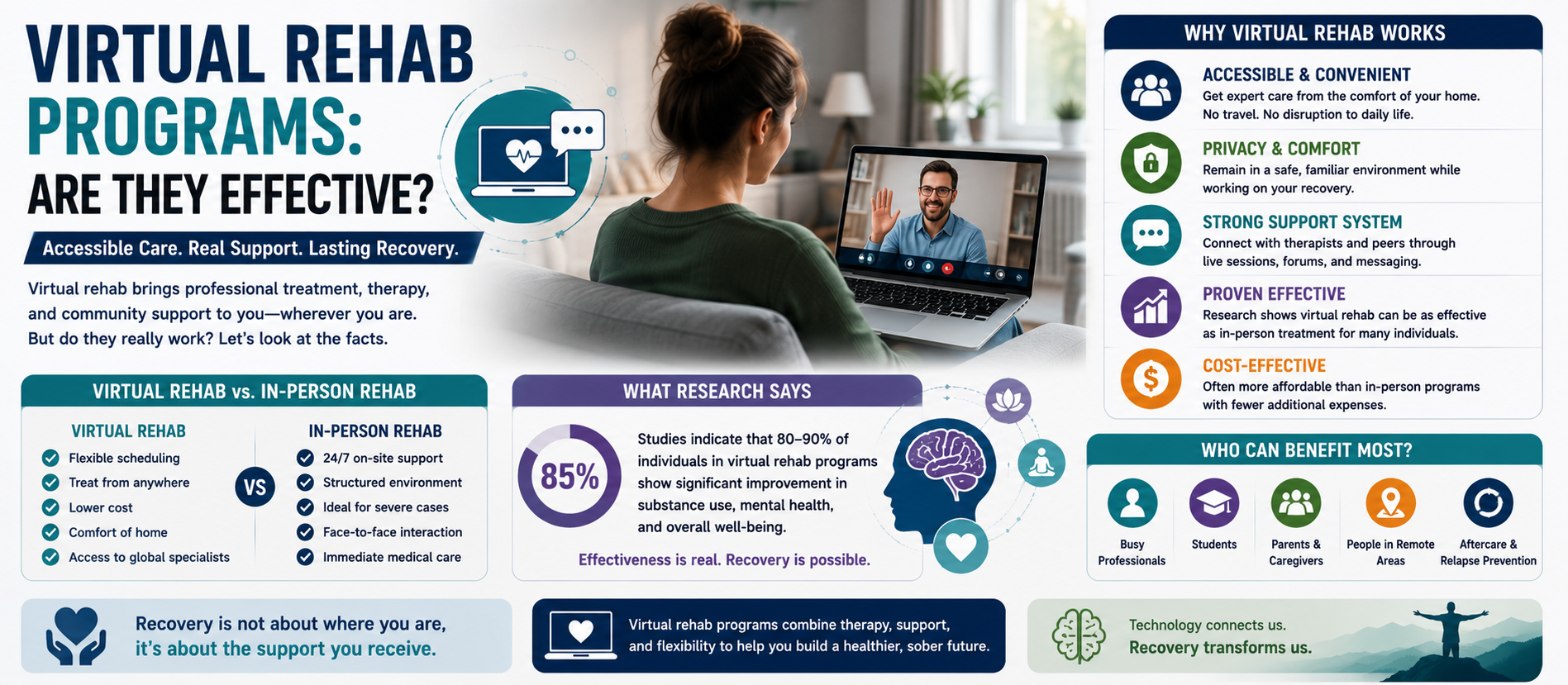
- Tele-rehabilitation services
- Wearable rehabilitation technologies
- AI-assisted movement analysis
Multidisciplinary Care
Modern programs often involve physiatrists, neurologists, physical therapists, occupational therapists, speech-language pathologists, rehabilitation nurses, psychologists, and social workers working together to create individualized treatment plans.
Benefits of Early and Ongoing Rehabilitation
- Improved mobility and balance
- Better communication and swallowing when appropriate
- Greater independence in daily activities
- Enhanced cognitive function
- Improved confidence and quality of life
Home Recovery and Family Support
Home exercise programs, caregiver education, assistive technology, regular follow-up appointments, and community support services help reinforce rehabilitation gains over time.
Frequently Asked Questions
Can neurological rehabilitation improve recovery?
Many people experience meaningful improvements in function and independence with individualized rehabilitation programs.
How long does rehabilitation take?
Recovery timelines differ depending on the condition, severity, overall health, and rehabilitation goals.
Conclusion
Advances in neurological rehabilitation continue to improve recovery opportunities through technology, evidence-informed therapies, and collaborative care. Working closely with experienced rehabilitation professionals helps individuals develop realistic goals and maximize functional recovery.
Digiifrog
Website: www.digiifrog.com
This draft is designed for expansion into a fully original 2,000–2,500+ word article with technology comparisons, rehabilitation pathways, patient case examples, recovery checklists, and 25+ AEO-focused FAQs.
Ready to Grow?
Talk to us about a strategy tailored to your brand — we will help you stand out in search, AI discovery and social.

Comments (0)
Log in to leave a comment.