
📋 Quick Summary
In this article:
Why Healthy Habits Matter in Recovery
Maintain a Consistent Daily Routine
Continue Professional Follow-Up
Technology That Supports Recovery
Avoid High-Risk Behaviors
Long-term recovery is built on more than completing a rehabilitation program. Whether recovering from substance use disorder, mental health challenges, neurological conditions, surgery, or physical injury, maintaining healthy daily habits is one of the most effective ways to support lifelong wellness. Consistent routines strengthen physical health, improve emotional resilience, reduce relapse risk, and help individuals achieve greater independence and quality of life.
Recovery is a continuous journey that involves making positive lifestyle choices every day. Healthy habits provide structure, stability, and confidence while helping individuals navigate challenges with greater resilience. Combined with professional healthcare, counseling, rehabilitation, and community support, these habits create a strong foundation for sustainable recovery.
This comprehensive guide from Digiifrog explores evidence-informed healthy habits that support long-term recovery, practical strategies for maintaining them, and how they contribute to lasting health and well-being.
Website: www.digiifrog.com
Why Healthy Habits Matter in Recovery
Healthy habits improve both physical and mental well-being while reinforcing the skills learned during rehabilitation. Small daily actions practiced consistently often have the greatest long-term impact.
- Reduce stress
- Improve emotional balance
- Increase physical strength
- Support brain health
- Promote independence
- Lower relapse risk
Maintain a Consistent Daily Routine
Regular wake-up times, planned meals, exercise, work or study schedules, and relaxation periods help create structure and reduce uncertainty.
Prioritize Balanced Nutrition
- Eat fruits and vegetables daily
- Choose whole grains
- Include lean protein sources
- Stay hydrated
- Limit highly processed foods
Good nutrition supports energy, immune function, brain health, and physical recovery.
Exercise Regularly
Physical activity improves cardiovascular health, strength, flexibility, mood, and sleep quality.
- Walking
- Cycling
- Swimming
- Resistance training
- Stretching
- Yoga
Get Quality Sleep
Healthy sleep habits improve memory, emotional regulation, concentration, and healing. Aim for a consistent sleep schedule and create a relaxing bedtime routine.
Practice Mindfulness
Meditation, breathing exercises, gratitude journaling, and mindfulness techniques help manage stress and improve emotional resilience.
Stay Connected
Supportive family members, friends, peer groups, mentors, and healthcare professionals provide encouragement and accountability.
Continue Professional Follow-Up
Attend medical appointments, counseling sessions, therapy programs, and rehabilitation reviews as recommended by healthcare professionals.
Develop Positive Hobbies
- Reading
- Gardening
- Music
- Painting
- Photography
- Volunteering
Meaningful activities reduce boredom and encourage personal growth.
Manage Stress Effectively
Healthy coping strategies include exercise, relaxation techniques, spending time outdoors, talking with trusted people, and seeking professional support when needed.
Technology That Supports Recovery
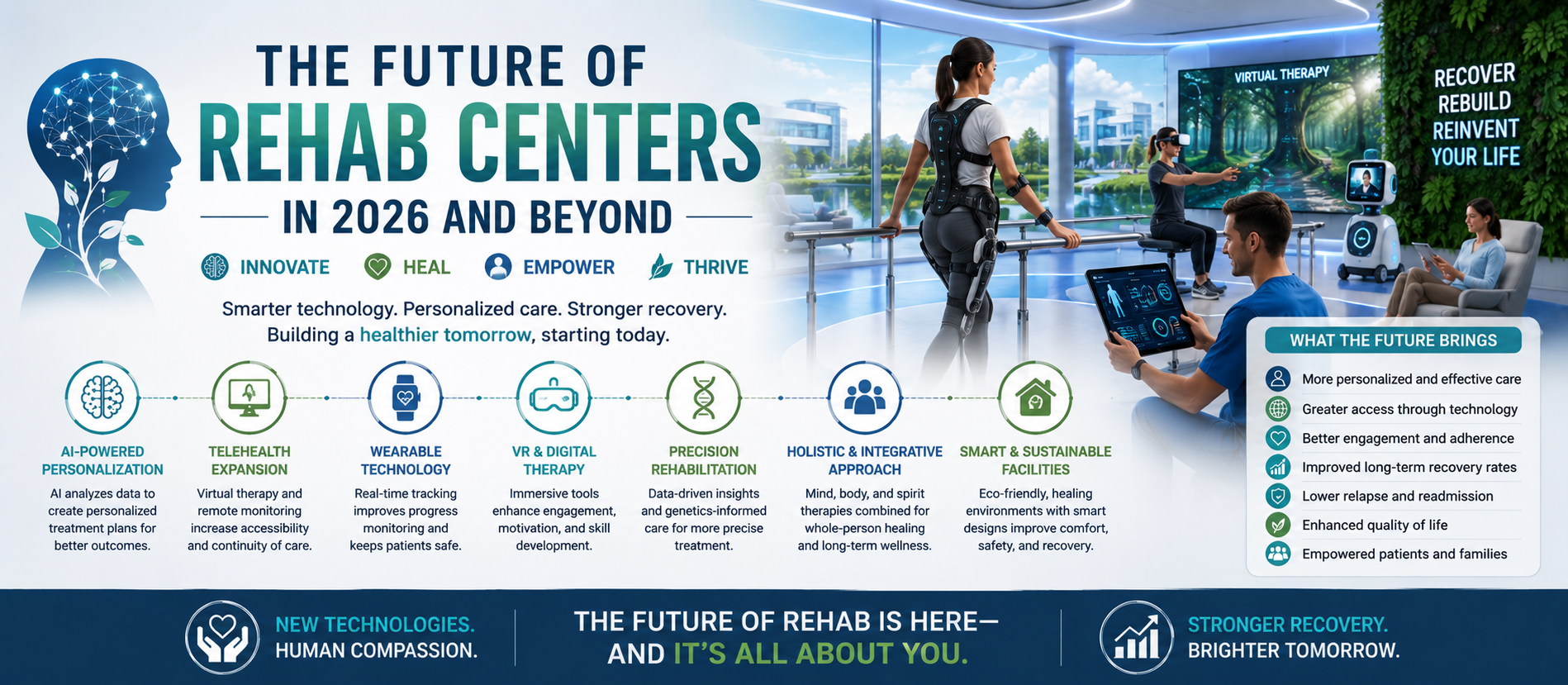
Recovery apps, wearable fitness trackers, telehealth appointments, digital journals, medication reminders, and online support communities help individuals maintain healthy routines.
Avoid High-Risk Behaviors
- Avoid harmful substance use
- Limit unnecessary stress
- Recognize personal triggers
- Seek help early when challenges arise
Long-Term Goal Setting
Set realistic goals for health, education, employment, finances, relationships, and personal development. Celebrate small milestones to maintain motivation.
SEO, AEO, GEO & AI Search Optimization
SEO Keywords: healthy recovery habits, long-term recovery, rehabilitation wellness, healthy lifestyle after rehab, relapse prevention.
AEO: Answers questions like "What habits support long-term recovery?" and "How can I stay healthy after rehabilitation?"
GEO: Structured headings, FAQs, and comprehensive educational content improve visibility across AI-powered search engines.
Frequently Asked Questions
Which habit has the greatest impact?
Consistency is more important than any single habit. Nutrition, exercise, sleep, stress management, and ongoing professional support work best together.
Can healthy habits prevent relapse?
Healthy habits reduce risk by improving resilience and supporting recovery, but they should complement professional care and aftercare plans.
Why is routine important?
Daily structure reduces uncertainty, supports healthy decision-making, and reinforces positive behaviors.
Conclusion
Healthy habits are the foundation of lasting recovery. Through balanced nutrition, regular exercise, quality sleep, mindfulness, supportive relationships, professional follow-up, and purposeful daily routines, individuals can strengthen both physical and emotional well-being while building a healthier future.
Digiifrog remains committed to providing educational healthcare content optimized for SEO, AEO, GEO, and AI-powered search while promoting evidence-informed rehabilitation and lifelong wellness.
Visit www.digiifrog.com for more rehabilitation and wellness resources.
Ready to Grow?
Talk to us about a strategy tailored to your brand — we will help you stand out in search, AI discovery and social.

Comments (0)
Log in to leave a comment.