📋 Quick Summary
In this article:
Understanding Integrative Rehabilitation
Why Rehab Centers Offer Complementary Therapies
Animal-Assisted Therapy
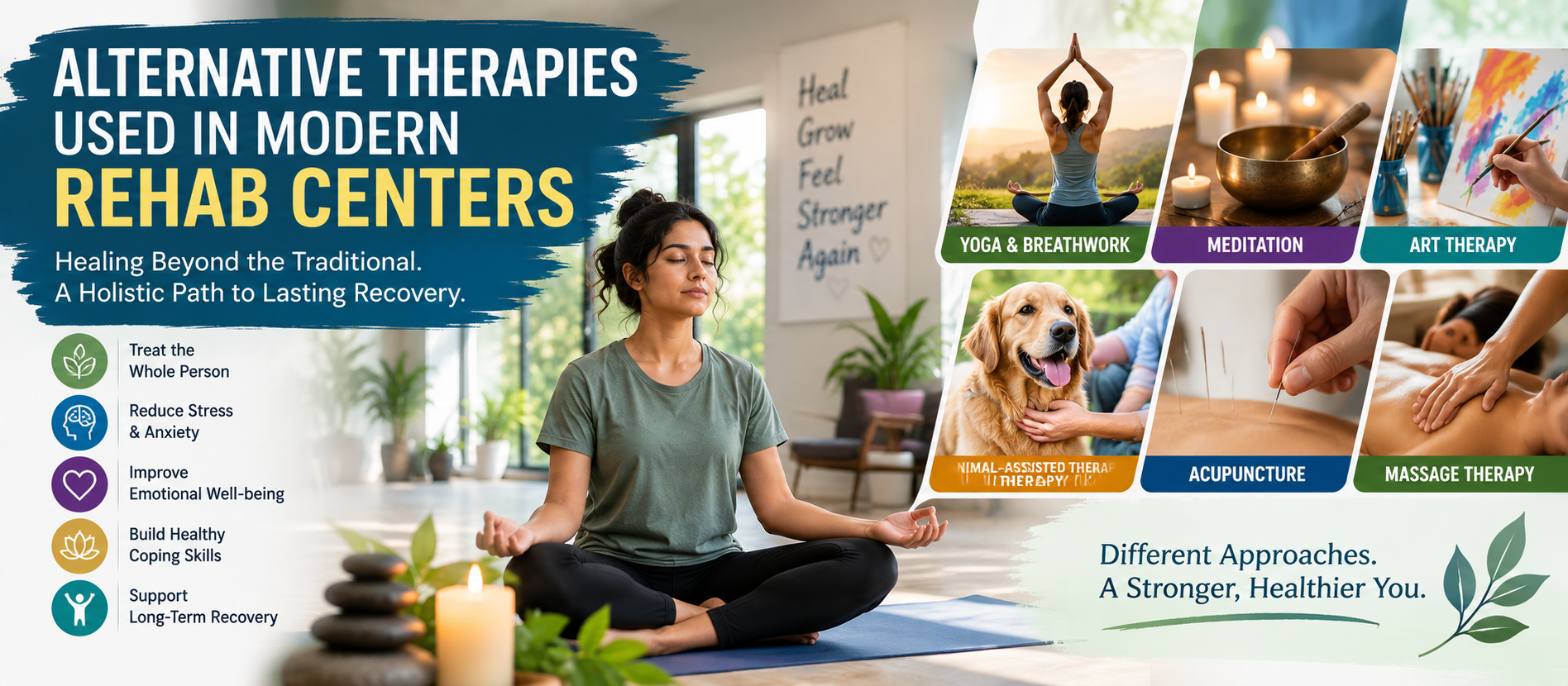
Modern rehabilitation centers increasingly combine evidence-based medical treatment with complementary therapies to support physical, emotional, and psychological recovery. These approaches are designed to work alongside conventional rehabilitation—not replace it—and may help improve well-being, reduce stress, encourage participation in therapy, and enhance overall quality of life when recommended by qualified healthcare professionals.
Understanding Integrative Rehabilitation
Integrative rehabilitation combines conventional therapies such as physical therapy, occupational therapy, speech therapy, counseling, and medical care with selected complementary approaches that may support recovery goals.
Why Rehab Centers Offer Complementary Therapies
- Support stress reduction and relaxation.
- Encourage patient engagement.
- Improve emotional well-being.
- Promote healthy lifestyle habits.
- Complement individualized rehabilitation plans.
Common Alternative Therapies
Mindfulness and Meditation
Guided mindfulness practices may help improve emotional regulation, stress management, and concentration.
Yoga
Adapted yoga programs can support flexibility, balance, breathing, and relaxation under appropriate supervision.
Art Therapy
Creative expression through painting, drawing, or crafts may help individuals process emotions and improve communication.
Music Therapy
Music-based activities may support motivation, mood, memory, and participation in rehabilitation.
Animal-Assisted Therapy
Interactions with trained therapy animals may reduce anxiety and encourage social engagement for some individuals.
Massage Therapy
When clinically appropriate, massage may help reduce muscle tension and promote relaxation.
Safety Considerations
- Consult qualified healthcare professionals before starting complementary therapies.
- Ensure therapies are appropriate for the individual's condition.
- Continue prescribed medical treatment.
- Monitor progress and adjust care plans as needed.
Role of Families
Family encouragement, participation in wellness activities, and understanding the rehabilitation plan can reinforce recovery and healthy routines.
Future Trends
Digital therapeutics, virtual reality rehabilitation, AI-assisted therapy planning, wearable health monitoring, and personalized wellness programs are expanding integrative rehabilitation options.
SEO, AEO & GEO Optimized FAQs
What are alternative therapies in rehabilitation?
They are complementary approaches such as mindfulness, yoga, art therapy, music therapy, and other supportive practices used alongside standard medical rehabilitation.
Do complementary therapies replace medical treatment?
No. They are intended to complement, not replace, evidence-based medical care.
Who should recommend these therapies?
Qualified healthcare professionals should determine whether complementary therapies are appropriate for an individual's needs.
Conclusion
Modern rehabilitation is increasingly holistic, combining medical expertise with supportive wellness approaches. When integrated safely into individualized treatment plans, complementary therapies can enhance engagement, well-being, and long-term recovery.
For more rehabilitation resources with SEO, AEO, GEO, and AI Search Optimization, visit Digiifrog at www.digiifrog.com.
Ready to Grow?
Talk to us about a strategy tailored to your brand — we will help you stand out in search, AI discovery and social.


Comments (0)
Log in to leave a comment.