📋 Quick Summary
In this article:
Best Artificial Intelligence Tools for Businesses
1. AI Chat Assistants
2. AI CRM Platforms
3. AI Marketing Tools
4. AI Customer Support
5. AI Analytics
6. AI Cybersecurity
Benefits of AI for Small Businesses
How to Choose the Right AI Tool
SEO, AEO & GEO Best Practices
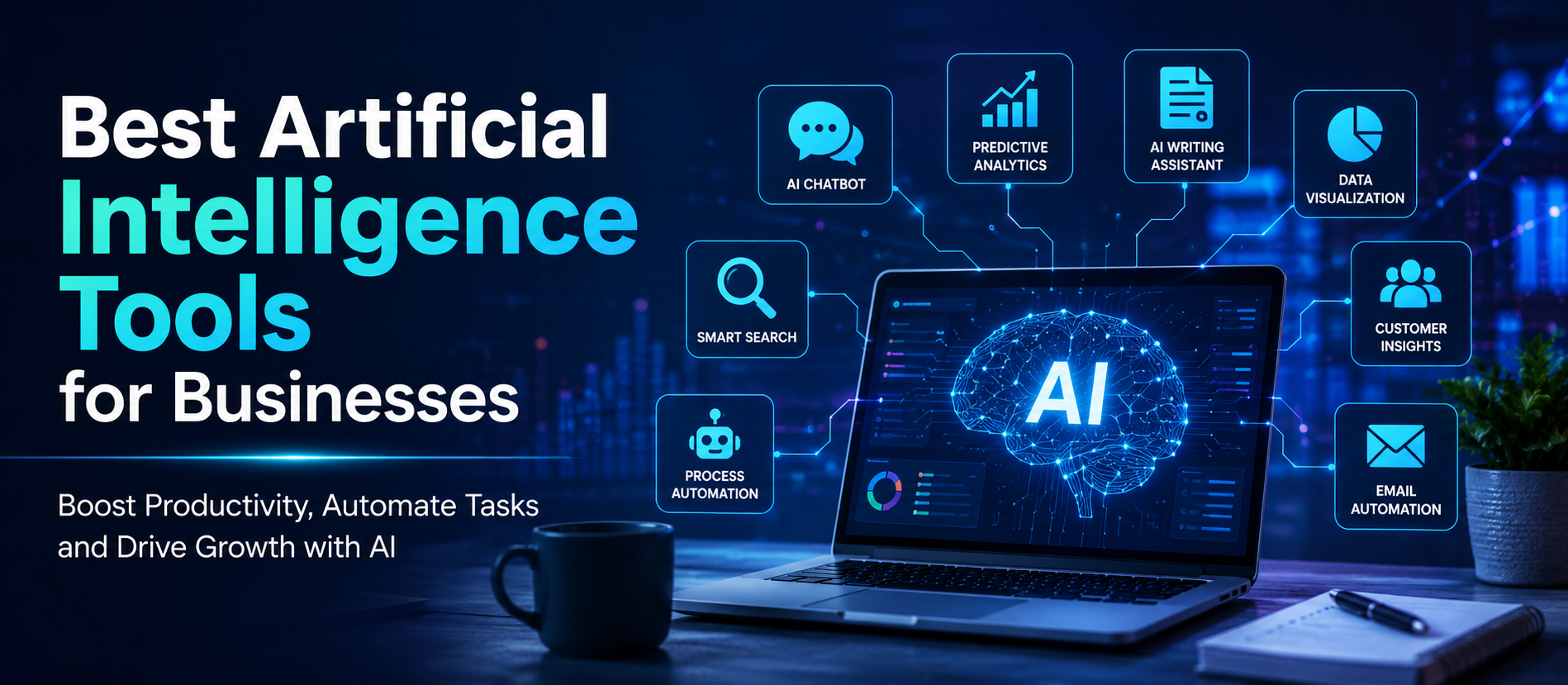
Artificial Intelligence (AI) has become one of the most valuable technologies for organizations of every size. From startups to global enterprises, businesses now use AI to automate repetitive tasks, improve customer experiences, strengthen decision-making, and increase profitability. Whether you operate an eCommerce store, marketing agency, healthcare company, financial institution, or manufacturing business, adopting the right Artificial Intelligence tools can provide a measurable competitive advantage.
Why Businesses Need AI
Modern organizations generate enormous amounts of data every day. AI systems analyze this information much faster than humans, uncovering patterns that help leaders make smarter decisions. AI also powers chatbots, recommendation engines, predictive analytics, workflow automation, fraud detection, and personalized marketing.
- Automate repetitive tasks
- Improve customer service
- Reduce operating costs
- Increase employee productivity
- Generate business insights
- Support data-driven decision making
Best Artificial Intelligence Tools for Businesses
1. AI Chat Assistants
AI chat assistants help teams create emails, reports, proposals, marketing copy, documentation, FAQs, and customer responses within seconds.
2. AI CRM Platforms
Modern CRM systems use AI to score leads, forecast sales, recommend follow-ups, and improve customer retention.
3. AI Marketing Tools
AI assists with keyword research, content optimization, audience segmentation, advertising campaigns, and SEO recommendations.
4. AI Customer Support
Intelligent chatbots provide instant responses, reduce ticket volume, and offer 24/7 customer assistance.
5. AI Analytics
Business intelligence platforms powered by AI transform raw information into actionable dashboards and predictive forecasts.
6. AI Cybersecurity
AI identifies unusual activity, detects threats quickly, and strengthens organizational security.
Benefits of AI for Small Businesses
- Lower operational costs
- Faster customer support
- Higher employee efficiency
- Better marketing ROI
- Improved sales forecasting
- Smarter inventory management
How to Choose the Right AI Tool
Select solutions based on business goals, ease of integration, security, scalability, pricing, training requirements, and vendor support.
SEO, AEO & GEO Best Practices
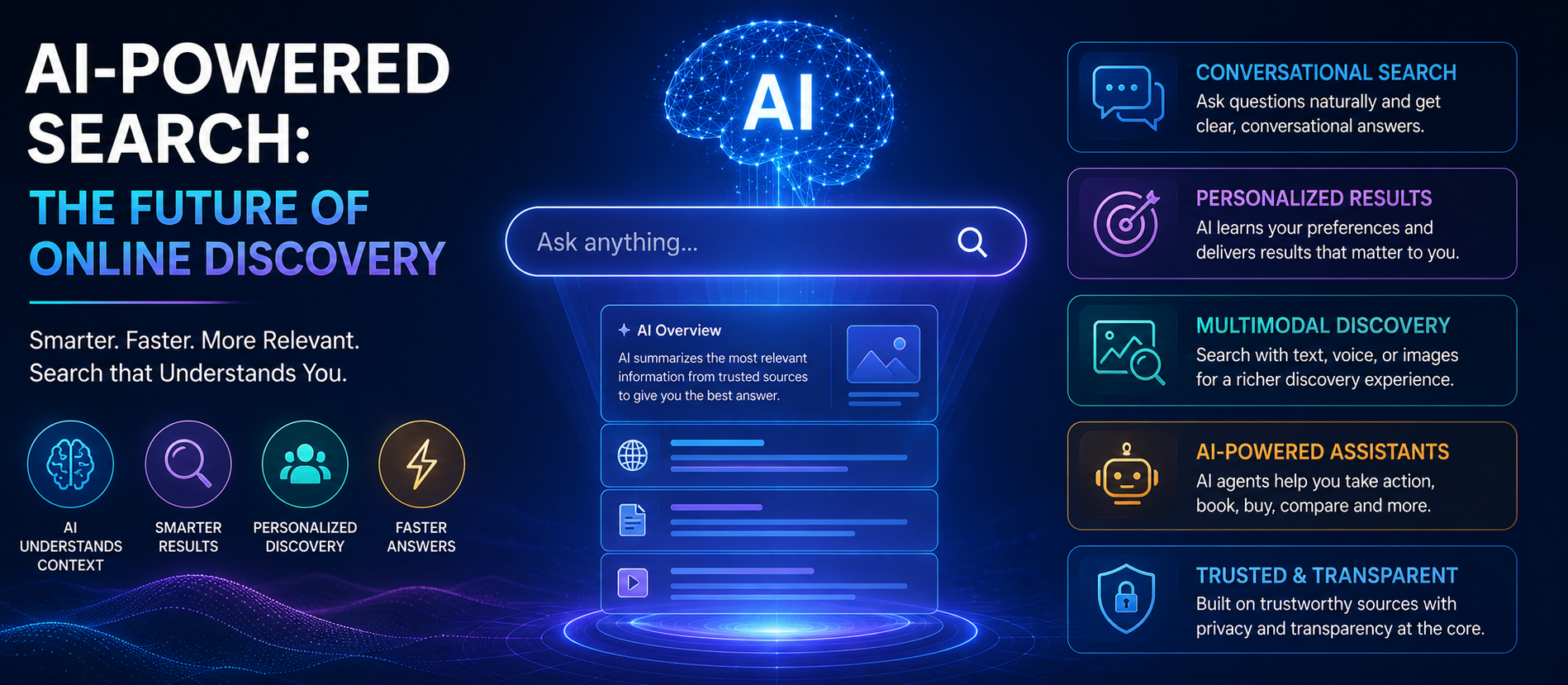
To maximize visibility, optimize content with structured headings, FAQs, conversational answers, semantic keywords, schema markup, and authoritative information. These practices improve performance across traditional search engines and AI-powered search experiences.
Frequently Asked Questions
Which AI tool is best for business?
The ideal tool depends on your goals. Marketing, analytics, automation, customer service, and cybersecurity all require different AI capabilities.
Can small businesses afford AI?
Yes. Many AI platforms offer affordable subscriptions suitable for startups and SMEs.
Does AI replace employees?
No. AI primarily automates repetitive work while enabling employees to focus on higher-value tasks.
Conclusion
Artificial Intelligence tools for businesses are no longer optional—they are strategic assets that improve efficiency, innovation, and customer satisfaction. Organizations that adopt AI responsibly can reduce costs, increase revenue, and stay competitive in rapidly evolving markets.
About Digiifrog
Digiifrog (www.digiifrog.com) provides digital marketing insights covering SEO, AEO, GEO, AI Search Optimization, content marketing, and business growth strategies. Businesses can leverage these best practices to improve online visibility and long-term success.
Target Keywords: Artificial Intelligence tools, AI business tools, AI software, AI automation, AI productivity, AI marketing, AI analytics, AI Search, GEO, AEO, SEO.
Note: Expand each section with additional industry examples, case studies, implementation guidance, comparisons, and FAQs to reach a full 2,000–2,500+ word publication if desired.
Ready to Grow?
Talk to us about a strategy tailored to your brand — we will help you stand out in search, AI discovery and social.
Comments (0)
Log in to leave a comment.