📋 Quick Summary
In this article:
What Is Business Interruption Insurance?
Why Business Continuity Matters
How Business Interruption Insurance Works
What Does Business Interruption Insurance Cover?
The Growing Threat of Natural Disasters
Cyberattacks and Operational Downtime
Business Interruption Insurance vs Property Insurance
This comprehensive guide from Digiifrog explores what business interruption insurance is, how it works, its advantages and limitations, and whether it is a worthwhile investment for modern businesses.
Website: www.digiifrog.com
What Is Business Interruption Insurance?
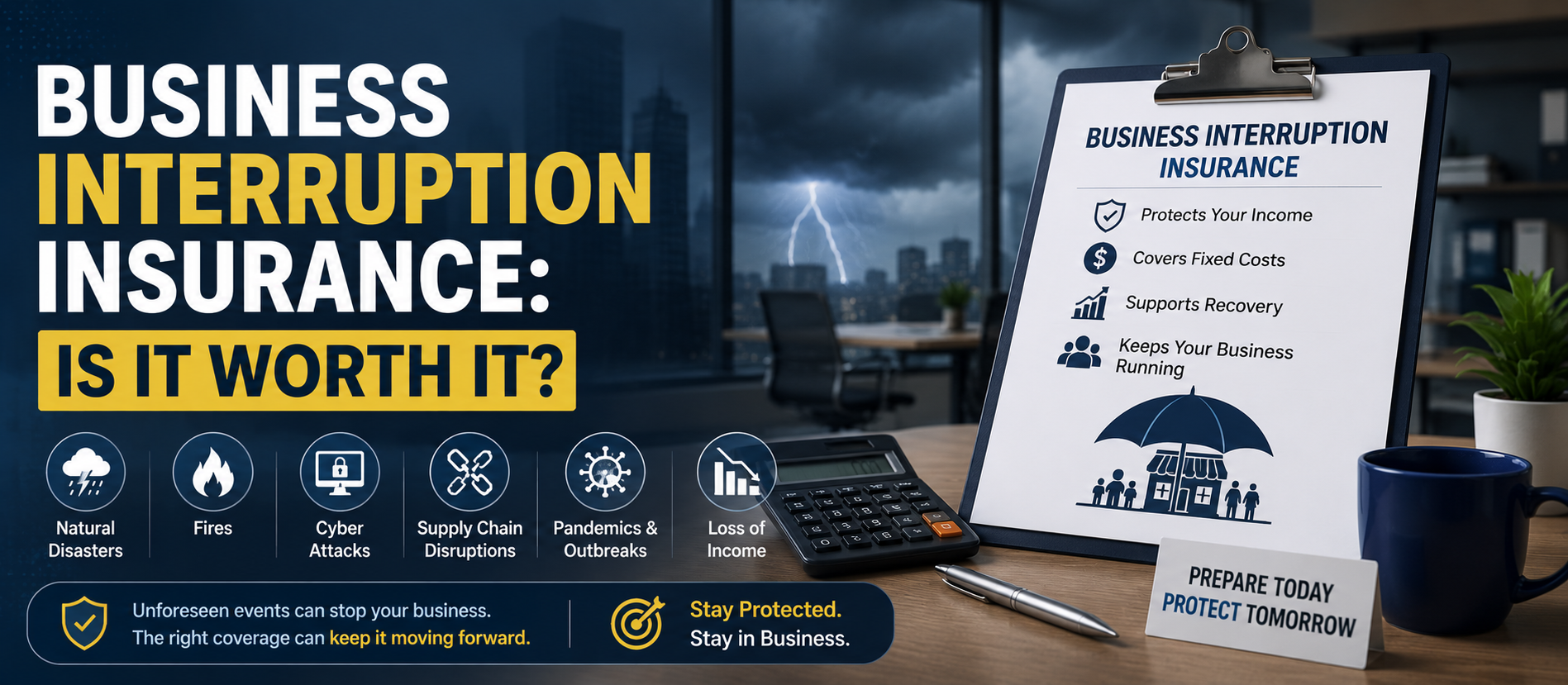
Business interruption insurance is a type of coverage designed to compensate businesses for lost income and certain operating expenses when operations are disrupted due to a covered event.
Unlike property insurance, which covers physical damage to buildings and equipment, business interruption insurance focuses on the financial consequences of an operational shutdown.
Covered events may include:
- Fire damage
- Floods (if covered by policy)
- Storms and natural disasters
- Vandalism
- Equipment damage
- Certain government closures
- Other covered operational disruptions
Why Business Continuity Matters
Every day a business remains closed can result in significant financial losses. Fixed expenses such as rent, salaries, loan payments, utilities, and software subscriptions continue even when revenue stops.
Business interruption insurance helps bridge this gap by providing financial support during recovery periods.
Without adequate protection, many businesses may struggle to survive prolonged interruptions.
How Business Interruption Insurance Works
When a covered event causes operations to stop or significantly slow down, the insurer evaluates the business's historical revenue and operating expenses.
The policy may compensate for:
- Lost profits
- Fixed operating expenses
- Employee payroll
- Temporary relocation costs
- Loan obligations
- Taxes and essential overhead expenses
The goal is to help businesses maintain financial stability until normal operations resume.
What Does Business Interruption Insurance Cover?
- Loss of revenue
- Operating expenses
- Employee wages
- Temporary business locations
- Equipment rental expenses
- Mortgage or lease payments
- Taxes and utility bills
- Professional service fees
💡 Key Insight
Coverage varies by insurer and policy terms, making careful review essential.
What Is Typically Excluded?
Many business owners mistakenly assume all disruptions are covered.
Common exclusions may include:
- Pandemics (depending on policy)
- War and terrorism
- Certain cyber incidents
- Undocumented revenue losses
- Utility outages not specified in coverage
- Uninsured property damage
Understanding exclusions is critical when evaluating policy value.
Industries That Benefit Most
While nearly every business can benefit from interruption coverage, certain industries face higher risks.
- Retail stores
- Restaurants
- Hotels
- Manufacturing facilities
- Healthcare providers
- Professional service firms
- E-commerce operations
- Technology companies
Businesses that rely heavily on physical locations often experience the greatest exposure.
The Growing Threat of Natural Disasters
Natural disasters continue to increase in frequency and severity worldwide. Hurricanes, floods, wildfires, cyclones, and severe storms can shut down businesses for weeks or months.
Business interruption insurance can help companies recover from revenue losses while rebuilding operations.
Cyberattacks and Operational Downtime
Cybersecurity incidents have become a major threat to business continuity.
Ransomware attacks, system failures, and data breaches can halt operations and reduce revenue.
Some insurers now offer specialized cyber business interruption coverage to address these risks.
Supply Chain Disruptions
Global supply chains have become increasingly complex. Delays involving suppliers, logistics providers, or transportation networks can significantly affect business operations.
While standard policies may not cover all supply chain issues, some advanced policies provide contingent business interruption coverage.
Business Interruption Insurance vs Property Insurance
Many business owners confuse these two forms of protection.
Property Insurance
- Covers physical assets
- Protects buildings and equipment
- Pays for repairs or replacement
Business Interruption Insurance
- Protects revenue streams
- Covers operating expenses
- Supports financial continuity
Both coverages often work together to provide comprehensive protection.
Calculating Potential Losses
Before deciding whether coverage is worth it, businesses should evaluate the financial impact of a shutdown.
Questions to consider include:
- How much revenue would be lost daily?
- How long could operations survive without income?
- What fixed expenses continue during closure?
- How quickly could recovery occur?
These calculations help determine appropriate coverage levels.
The Cost of Business Interruption Insurance
Premiums vary depending on:
- Industry type
- Business size
- Annual revenue
- Location risk factors
- Claims history
- Coverage limits
- Deductible selections
For many businesses, the premium cost represents a relatively small expense compared to potential losses from extended downtime.
Advantages of Business Interruption Insurance
- Revenue protection
- Improved financial stability
- Business continuity support
- Employee retention assistance
- Faster recovery after disasters
- Enhanced risk management strategy
- Greater confidence for stakeholders
Potential Drawbacks
- Additional insurance costs
- Coverage limitations
- Waiting periods
- Complex claims processes
- Policy exclusions
These considerations highlight the importance of selecting the right policy.
How AI Is Transforming Business Insurance
Artificial intelligence is changing how insurers assess risk and process claims.
AI-powered systems help:
- Analyze business risks
- Predict operational disruptions
- Improve underwriting accuracy
- Accelerate claims processing
- Detect fraud
- Provide personalized pricing
Businesses increasingly benefit from faster service and more accurate coverage recommendations.
Business Interruption Insurance in the Age of AI Search
As businesses become more dependent on digital infrastructure, online visibility, cloud systems, and AI-powered operations, downtime can have a larger financial impact than ever before.
Companies investing in SEO, GEO, AEO, AI Search visibility, and digital marketing often generate significant revenue through online channels. Operational interruptions can directly affect customer acquisition and sales performance.
Business interruption insurance helps mitigate these risks.
Who Should Strongly Consider Coverage?
- Small businesses
- Retail chains
- Restaurants
- Manufacturers
- Healthcare clinics
- Professional agencies
- Technology firms
- Service providers
If losing several weeks of revenue would seriously impact your business, interruption coverage deserves consideration.
Frequently Asked Questions
Is business interruption insurance mandatory?
No. However, many lenders, landlords, and investors encourage comprehensive coverage.
Does it cover employee salaries?
Many policies provide payroll coverage during qualifying interruptions.
Can it cover cyber-related downtime?
Some policies include cyber business interruption coverage, while others require separate endorsements.
Is it worth it for small businesses?
For many small businesses, the financial protection provided can be invaluable during unexpected disruptions.
Final Verdict: Is It Worth It?
For most businesses, the answer is yes. Business interruption insurance can provide critical financial protection when unexpected events threaten operations. While premiums represent an additional cost, the potential benefits often outweigh the expense, especially for businesses with significant fixed costs or dependence on continuous operations.
In 2026, organizations face increasing risks from natural disasters, cyber threats, supply chain disruptions, and economic uncertainty. A strong business interruption policy can help maintain stability, protect cash flow, and support long-term resilience.
Ultimately, the value of business interruption insurance lies not only in recovering losses but also in helping businesses survive, recover, and continue growing after unexpected setbacks.
For more insurance insights, business protection strategies, AI Search optimization, GEO, AEO, SEO solutions, and digital growth resources, visit Digiifrog at www.digiifrog.com.
Ready to Grow?
Talk to us about a strategy tailored to your brand — we will help you stand out in search, AI discovery and social.

Comments (0)
Log in to leave a comment.