
📋 Quick Summary
In this article:
Types of Insurance First-Time Buyers Should Consider
Step 1: Identify Your Insurance Needs
Step 2: Determine Coverage Requirements
Step 3: Understand Policy Exclusions
💡 Key Insight
Buying insurance for the first time can feel overwhelming. With dozens of policy types, complex terminology, varying coverage options, and countless insurance providers competing for attention, many first-time buyers struggle to determine where to start. Yet insurance remains one of the most important financial tools available for protecting your health, income, assets, family, and future financial security.
In 2026, the insurance industry continues evolving through artificial intelligence, digital underwriting, personalized risk assessment, and online policy management platforms. While these innovations make insurance more accessible, they also create additional choices that can confuse first-time policyholders.
⚠ Watch Out
This comprehensive guide from Digiifrog explains everything first-time insurance buyers need to know, including how insurance works, the types of coverage available, key factors to evaluate, common mistakes to avoid, and strategies for selecting the right policy.
Website: www.digiifrog.com
Why Insurance Is Important
Insurance is designed to protect individuals, families, and businesses from unexpected financial losses. By paying a relatively small premium, policyholders transfer financial risk to an insurance company.
Without insurance, major events can create devastating financial consequences.
Examples include:
- Medical emergencies
- Vehicle accidents
- Property damage
- Disability
- Premature death
- Natural disasters
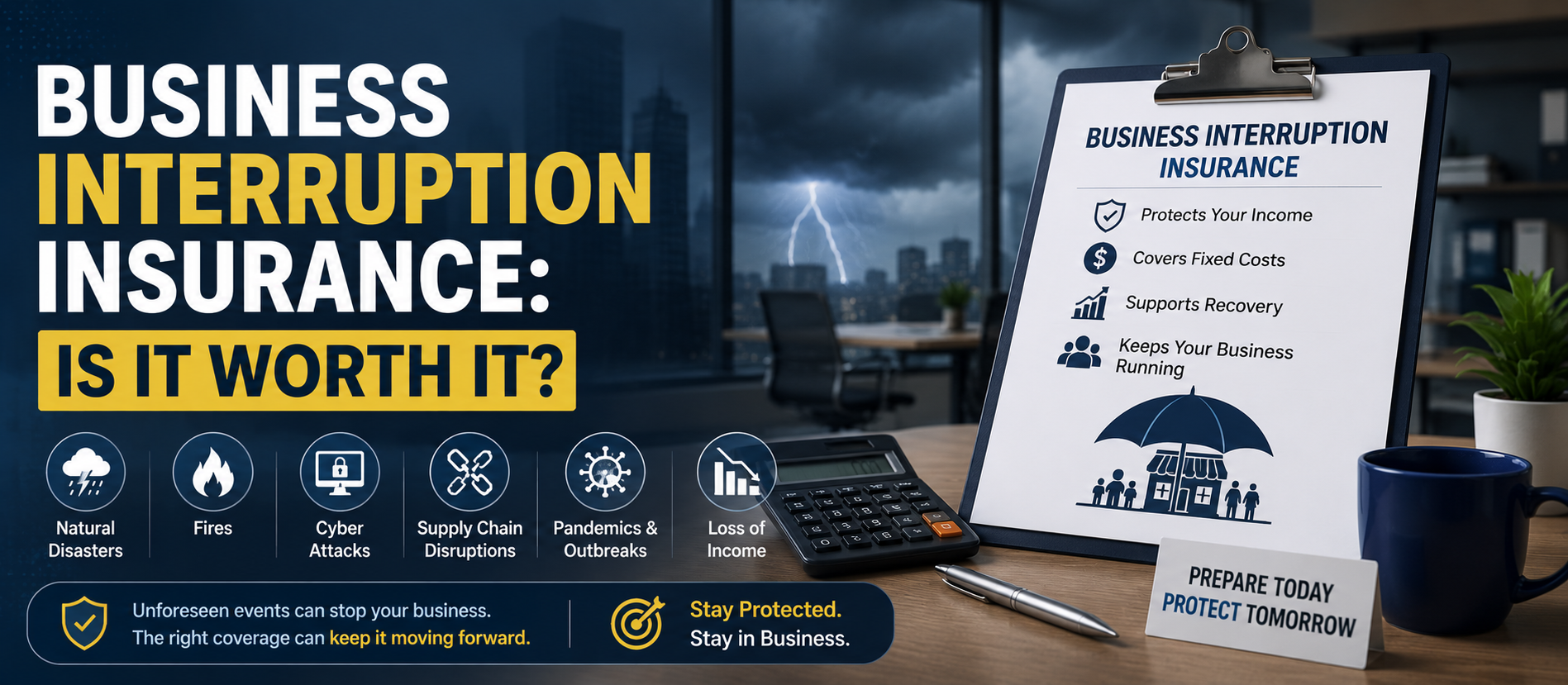
- Business interruptions
- Legal liabilities
Insurance helps reduce these risks and provides peace of mind.
How Insurance Works
Insurance operates on a simple principle known as risk pooling.
Thousands of policyholders pay premiums into a shared pool. When covered events occur, the insurer uses these funds to pay claims.
Key insurance terms include:
- Premium
- Coverage
- Deductible
- Claim
- Policyholder
- Beneficiary
- Policy limit
- Exclusions
Understanding these concepts is essential before purchasing any policy.
Types of Insurance First-Time Buyers Should Consider
Health Insurance
Health insurance helps cover medical expenses including hospitalization, surgeries, doctor consultations, medications, and diagnostic tests.
Life Insurance
Life insurance provides financial protection for dependents if the insured person passes away.
Auto Insurance
Protects against vehicle-related financial losses and liability claims.
Home Insurance
Covers property damage, theft, liability risks, and certain natural disasters.
Travel Insurance
Provides protection against trip disruptions, medical emergencies, and travel-related risks.
Business Insurance
Protects business assets, operations, and legal liabilities.
Step 1: Identify Your Insurance Needs
The first step in buying insurance is understanding your unique financial situation.
Consider:
- Your age
- Income level
- Dependents
- Assets
- Debts
- Occupation
- Lifestyle
- Health condition
Insurance needs vary significantly from one person to another.
Step 2: Determine Coverage Requirements
One of the most common mistakes first-time buyers make is purchasing insufficient coverage.
Coverage should reflect:
- Income replacement needs
- Healthcare expenses
- Debt obligations
- Asset values
- Family responsibilities
- Future financial goals
Adequate coverage ensures meaningful protection when claims arise.
Step 3: Understand Policy Exclusions
Every insurance policy contains exclusions that limit coverage.
Examples may include:
- Pre-existing medical conditions
- Certain natural disasters
- Intentional damage
- Illegal activities
- High-risk activities
Reading exclusions carefully helps avoid unpleasant surprises later.
Step 4: Compare Multiple Insurance Providers
Never purchase the first policy you encounter.
Compare insurers based on:
- Financial strength
- Customer reviews
- Claims settlement record
- Coverage options
- Premium pricing
- Digital services
- Customer support quality
Comparison shopping often leads to better value.
Step 5: Evaluate Deductibles Carefully
A deductible is the amount you pay before insurance coverage begins.
Higher deductibles typically reduce premiums but increase out-of-pocket costs during claims.
First-time buyers should select deductibles that align with their financial capabilities.
Understanding Life Insurance Choices
Term Life Insurance
- Affordable premiums
- Fixed coverage period
- Income replacement protection
- Simple structure
Permanent Life Insurance
- Lifelong coverage
- Cash value accumulation
- Estate planning benefits
- Higher premiums
Many first-time buyers begin with term life insurance due to affordability.
Health Insurance Considerations
When evaluating health insurance plans, focus on:
- Network hospitals
- Coverage limits
- Waiting periods
- Co-payment requirements
- Pre-existing disease coverage
- Cashless treatment options
Medical inflation makes comprehensive coverage increasingly important.
Auto Insurance Buying Tips
Auto insurance buyers should evaluate:
- Liability coverage
- Collision protection
- Comprehensive coverage
- Uninsured motorist benefits
- Deductible options
Minimum legal coverage may not provide sufficient protection.
Home Insurance Essentials
Homeowners should consider:
- Replacement cost coverage
- Property value protection
- Liability coverage
- Natural disaster risks
- Personal property limits
Proper property valuation is critical.
Travel Insurance for Beginners
Travel insurance becomes especially valuable for international trips.
Coverage may include:
- Medical emergencies
- Trip cancellation
- Lost baggage
- Travel delays
- Emergency evacuation
Many travelers underestimate these risks until problems occur.
Digital Insurance and InsurTech Trends
The insurance industry is increasingly powered by digital technologies.
Modern platforms offer:
- Online quotes
- Instant policy issuance
- Mobile claim filing
- Digital document management
- AI-powered customer support
These innovations improve convenience for first-time buyers.
The Role of Artificial Intelligence in Insurance
Artificial intelligence is transforming insurance operations.
AI helps insurers:
- Assess risk
- Detect fraud
- Price policies accurately
- Process claims faster
- Provide personalized recommendations
Consumers increasingly benefit from more tailored insurance products.
Common Insurance Buying Mistakes
- Choosing the cheapest policy only
- Ignoring exclusions
- Underestimating coverage needs
- Failing to compare providers
- Not reviewing policy details
- Providing inaccurate information
- Skipping annual policy reviews
Avoiding these mistakes can improve long-term financial protection.
Questions to Ask Before Purchasing a Policy
- What exactly is covered?
- What exclusions apply?
- How are claims processed?
- What deductibles exist?
- Are there waiting periods?
- How financially strong is the insurer?
- What customer support options are available?
Asking these questions helps clarify policy value.
How Insurance Fits into Financial Planning
Insurance should not be viewed as a standalone purchase.
It works alongside:
- Savings accounts
- Investment portfolios
- Emergency funds
- Retirement plans
- Estate planning strategies
Together, these components create a comprehensive financial protection framework
SEO, AEO, GEO, and AI Search Considerations
Insurance consumers increasingly rely on AI-powered search engines, answer engines, and digital assistants when researching policies.
Insurance providers use:
- SEO optimization
- AEO optimization
- GEO optimization
- AI Search strategies
- Personalized content experiences
These technologies make insurance information more accessible and user-friendly.
Frequently Asked Questions
What insurance should I buy first?
Most individuals prioritize health insurance, followed by life insurance if dependents exist.
How much insurance coverage do I need?
Coverage depends on your financial responsibilities, assets, income, and future goals.
Can I buy insurance online?
Yes. Many insurers now offer fully digital policy purchasing and management.
How often should policies be reviewed?
Experts generally recommend annual reviews or updates after major life changes.
Final Thoughts
Buying insurance for the first time is an important financial milestone. While the process may initially seem complicated, understanding your needs, comparing providers, evaluating coverage carefully, and avoiding common mistakes can help you make confident decisions.
Insurance is not simply an expense—it is an investment in financial security, risk management, and long-term peace of mind. Whether you are purchasing health, life, auto, home, travel, or business insurance, selecting the right coverage today can provide meaningful protection for years to come.
As technology continues transforming the insurance industry through AI, predictive analytics, and digital platforms, first-time buyers have more tools than ever to make informed decisions.
For more insurance insights, personal finance guidance, SEO solutions, GEO optimization, AEO techniques, AI Search strategies, and digital growth resources, visit Digiifrog at www.digiifrog.com.
Ready to Grow?
Talk to us about a strategy tailored to your brand — we will help you stand out in search, AI discovery and social.

Comments (0)
Log in to leave a comment.