
📋 Quick Summary
In this article:
What Is Holistic Rehabilitation?
The Evolution of Addiction Treatment
Core Principles of Holistic Rehab
How Holistic Rehab Supports Long-Term Recovery
Improving Emotional Regulation
Mindfulness and Meditation in Recovery
Nutrition and Recovery Success
Nature-Based Rehabilitation Approaches
Recovery from addiction, substance abuse, and behavioral health challenges is a complex journey that extends far beyond simply stopping the use of drugs or alcohol. Traditional rehabilitation programs have long focused on medical treatment, counseling, and behavioral therapy. However, in recent years, holistic rehabilitation has gained significant attention as a complementary approach that addresses the physical, mental, emotional, social, and spiritual dimensions of recovery.
Holistic rehab seeks to treat the entire person rather than focusing solely on addiction symptoms. By combining evidence-based therapies with wellness practices such as mindfulness, nutrition, exercise, meditation, yoga, and lifestyle development, holistic rehabilitation aims to create a stronger foundation for long-term recovery.
In this comprehensive guide, Digiifrog explores how holistic rehabilitation works, its benefits, limitations, and whether it can truly improve long-term recovery outcomes.
Website: www.digiifrog.com
What Is Holistic Rehabilitation?
Holistic rehabilitation is an integrated treatment approach that considers the whole person rather than focusing exclusively on symptoms of addiction or illness.
Holistic programs often combine traditional therapies with complementary wellness practices designed to improve overall health and well-being.
Key areas addressed include:
- Physical health
- Mental health
- Emotional wellness
- Social relationships
- Spiritual development
- Lifestyle habits
The underlying philosophy is that long-term recovery becomes more sustainable when all aspects of a person's life are addressed.
The Evolution of Addiction Treatment
💡 Key Insight
Historically, addiction treatment focused primarily on detoxification and abstinence. While these components remain important, modern healthcare professionals increasingly recognize that addiction is influenced by a variety of biological, psychological, environmental, and social factors.
As research evolved, treatment programs expanded to include:
- Behavioral therapy
- Mental health treatment
- Relapse prevention planning
- Family support programs
- Wellness interventions
Holistic rehabilitation emerged as a response to the need for more comprehensive recovery models.
Core Principles of Holistic Rehab
Holistic rehabilitation is built on several foundational principles.
- Treating the whole person
- Promoting self-awareness
- Encouraging healthy lifestyles
- Supporting emotional healing
- Building resilience
- Enhancing overall wellness
Rather than replacing traditional treatment, holistic approaches often complement evidence-based therapies.
How Holistic Rehab Supports Long-Term Recovery
⚠ Watch Out
Long-term recovery depends on much more than avoiding substances. Individuals must learn to manage stress, regulate emotions, develop healthy relationships, and build meaningful lives.
Holistic rehabilitation addresses many of these factors simultaneously.
Reducing Stress and Anxiety
Stress is one of the most common relapse triggers. Holistic therapies often emphasize stress management through:
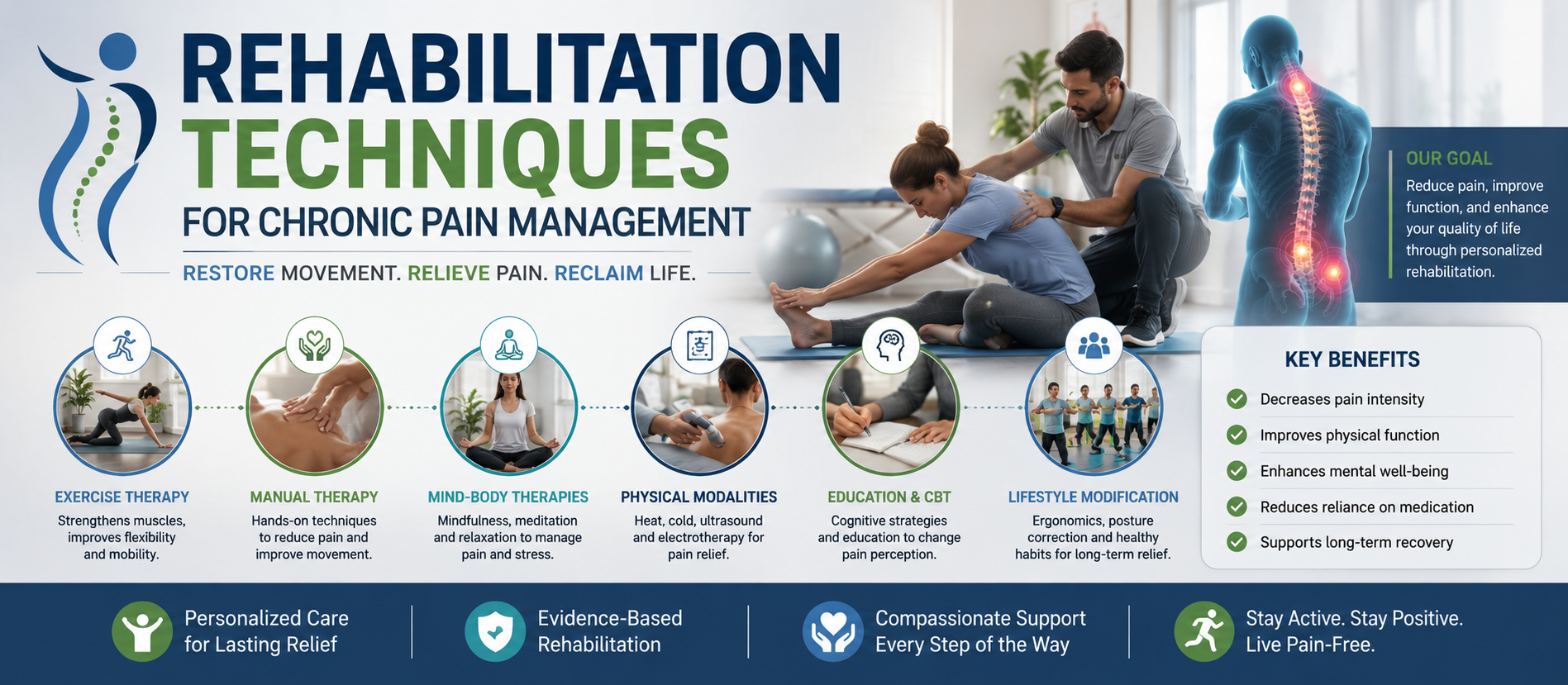
- Meditation
- Breathing exercises
- Mindfulness training
- Yoga practices
These techniques help individuals develop healthier responses to life's challenges.
Improving Emotional Regulation
Many individuals struggle with emotional distress during recovery. Holistic approaches encourage emotional awareness and self-regulation.
Techniques may include:
- Journaling
- Art therapy
- Music therapy
- Mindfulness practices
Improved emotional control can reduce relapse risk and improve quality of life.
Mindfulness and Meditation in Recovery
Mindfulness has become one of the most widely studied holistic recovery techniques.
Mindfulness teaches individuals to focus on the present moment without judgment.
Potential benefits include:
- Reduced cravings
- Improved concentration
- Better emotional awareness
- Lower stress levels
- Enhanced self-control
Many recovery programs incorporate daily mindfulness exercises as part of comprehensive treatment plans.
The Role of Physical Exercise
Exercise contributes significantly to both physical and mental health during recovery.
Regular physical activity may help:
- Improve mood
- Reduce anxiety
- Enhance sleep quality
- Boost energy levels
- Support brain health
Exercise also promotes healthy routines and positive lifestyle changes that reinforce recovery goals.
Nutrition and Recovery Success
Substance abuse often negatively impacts nutrition and overall health. Holistic rehabilitation frequently includes nutritional counseling to support healing.
Healthy nutrition may improve:
- Brain function
- Energy levels
- Mood stability
- Immune system function
- Physical recovery
Balanced diets help individuals rebuild physical wellness after addiction.
Yoga as a Recovery Tool
Yoga combines physical movement, breathing techniques, and mindfulness.
Research suggests yoga may support recovery by:
- Reducing stress
- Improving flexibility
- Enhancing body awareness
- Promoting relaxation
- Supporting emotional balance
Many rehabilitation centers now include yoga classes within treatment programs.
Art and Creative Therapies
Creative therapies provide alternative ways for individuals to express emotions and process experiences.
Examples include:
- Art therapy
- Music therapy
- Creative writing
- Drama therapy
Creative expression can support healing, self-discovery, and emotional growth.
Nature-Based Rehabilitation Approaches
Many holistic programs incorporate outdoor activities and nature exposure.
Nature-based interventions may include:
- Hiking
- Gardening
- Adventure therapy
- Outdoor meditation
- Wilderness programs
Connecting with nature can reduce stress and improve mental well-being.
Addressing Co-Occurring Mental Health Conditions
Many individuals entering treatment experience depression, anxiety, trauma, or other mental health challenges.
Holistic rehabilitation often supports traditional mental health treatment through complementary wellness practices.
When integrated appropriately, these approaches may improve overall treatment outcomes.
The Importance of Sleep in Recovery
Sleep disturbances are common during addiction recovery.
Holistic rehabilitation may promote healthy sleep habits through:
- Sleep hygiene education
- Relaxation exercises
- Mindfulness techniques
- Stress reduction strategies
Quality sleep contributes to emotional stability, cognitive function, and relapse prevention.
Building Healthy Social Connections
Strong social support plays a critical role in long-term recovery success.
Holistic rehabilitation encourages:
- Family involvement
- Peer support participation
- Healthy communication skills
- Relationship development
Supportive relationships help individuals maintain motivation and accountability.
Spiritual Wellness and Recovery
For many individuals, spirituality provides meaning, purpose, and resilience during recovery.
Spiritual wellness may involve:
- Meditation
- Personal reflection
- Faith-based practices
- Community engagement
- Purpose-driven activities
Spiritual development can enhance emotional well-being and recovery commitment.
Scientific Evidence Behind Holistic Rehabilitation
Research increasingly supports many individual components of holistic rehabilitation.
Studies have demonstrated benefits associated with:
- Mindfulness-based interventions
- Exercise programs
- Yoga practices
- Nutritional support
- Stress management techniques
While more research is needed on some holistic approaches, many experts view them as valuable complements to evidence-based treatment.
Potential Limitations of Holistic Rehab
Although holistic rehabilitation offers many benefits, it is not a replacement for professional medical care when needed.
Potential limitations include:
- Variable scientific evidence
- Differences in program quality
- Insurance coverage challenges
- Need for individualized treatment plans
Most experts recommend integrating holistic approaches with evidence-based therapies rather than using them as standalone treatments.
Who Benefits Most from Holistic Rehabilitation?
Holistic rehabilitation may be particularly beneficial for individuals who:
- Experience chronic stress
- Struggle with anxiety or depression
- Want comprehensive wellness support
- Seek healthier lifestyle habits
- Value mind-body approaches
- Need additional relapse prevention tools
Personal preferences and treatment needs should guide program selection.
The Future of Holistic Recovery Programs
As healthcare continues evolving, holistic approaches are becoming increasingly integrated into mainstream rehabilitation programs.
Future developments may include:
- Personalized wellness plans
- Digital mindfulness tools
- AI-assisted recovery support
- Expanded telehealth services
- Integrated wellness platforms
These innovations may further improve recovery accessibility and effectiveness.
SEO, AEO, GEO and AI Search Perspective
As more individuals seek information about addiction recovery online, treatment providers must optimize educational content for modern search behavior.
SEO Keywords:
- Holistic rehabilitation
- Holistic addiction treatment
- Long-term recovery strategies
- Mindfulness in recovery
- Holistic rehab benefits
AEO (Answer Engine Optimization):
- Does holistic rehab work?
- Can holistic rehab prevent relapse?
- What is holistic rehabilitation?
- How does mindfulness support recovery?
GEO (Generative Engine Optimization):
AI-powered search engines increasingly prioritize comprehensive, educational, and trustworthy content that directly answers user questions and provides actionable insights.
Frequently Asked Questions
What is holistic rehab?
Holistic rehabilitation is a treatment approach that addresses physical, emotional, mental, social, and spiritual aspects of recovery.
Can holistic rehab replace traditional treatment?
Most experts recommend using holistic therapies alongside evidence-based medical and psychological treatments.
Does mindfulness reduce relapse risk?
Research suggests mindfulness may help reduce stress, cravings, and emotional reactivity that contribute to relapse.
Why is nutrition important in recovery?
Proper nutrition supports brain function, physical healing, mood stability, and overall health.
Is holistic rehabilitation effective?
Many holistic techniques have demonstrated benefits when integrated into comprehensive recovery programs.
Conclusion
Holistic rehabilitation offers a comprehensive approach to recovery that extends beyond symptom management. By addressing physical health, emotional wellness, mental resilience, lifestyle habits, social support, and spiritual growth, holistic programs help individuals build stronger foundations for long-term success.
While holistic approaches should generally complement rather than replace evidence-based treatment, many individuals find that integrating mindfulness, exercise, nutrition, yoga, creative therapies, and wellness practices enhances their recovery experience and improves overall quality of life.
As research and healthcare innovation continue to evolve, holistic rehabilitation is likely to play an increasingly important role in supporting sustainable long-term recovery.
Digiifrog remains committed to providing educational resources focused on rehabilitation, wellness, healthcare innovation, SEO, AEO, GEO, and AI-powered search experiences.
Visit www.digiifrog.com for more informative rehabilitation and recovery articles.
Ready to Grow?
Talk to us about a strategy tailored to your brand — we will help you stand out in search, AI discovery and social.
Comments (0)
Log in to leave a comment.