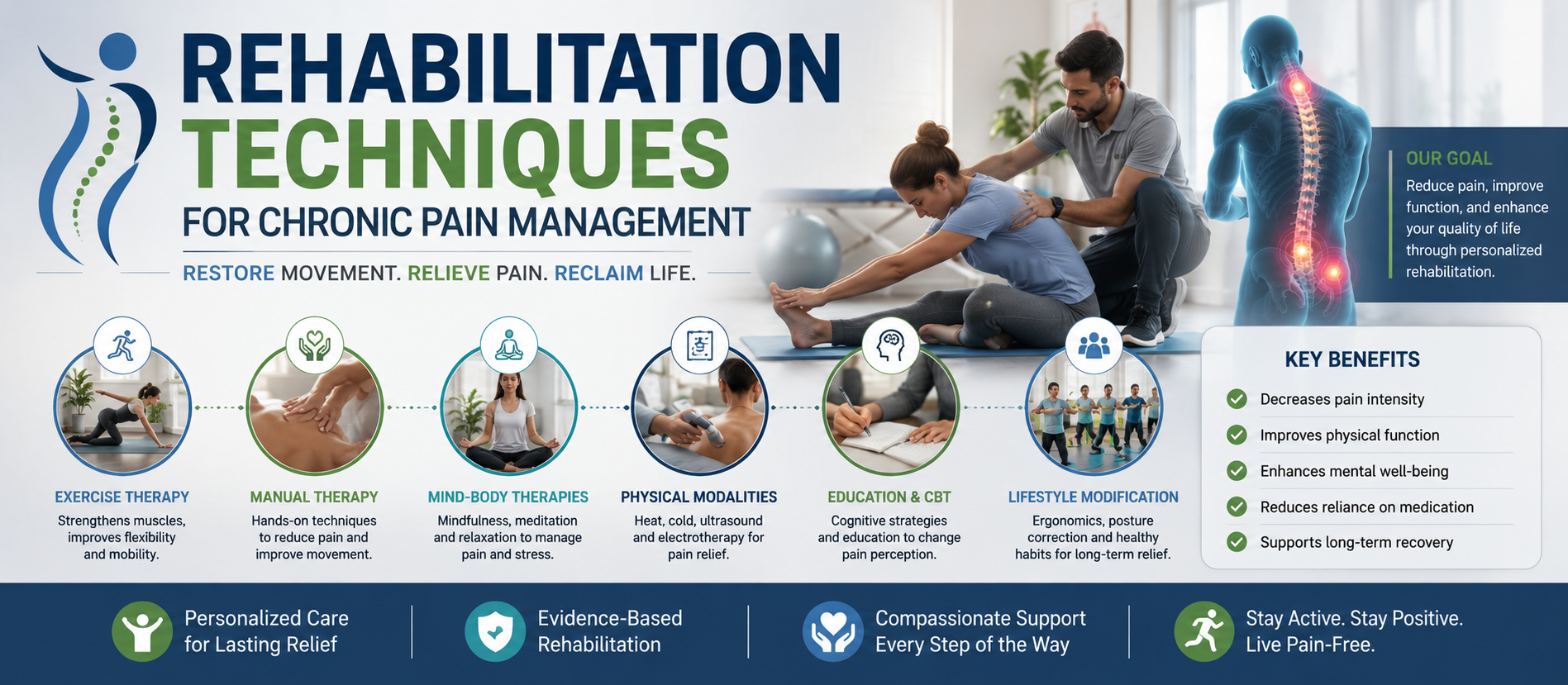
📋 Quick Summary
In this article:
The Goals of Pain Rehabilitation
Physical Therapy for Chronic Pain
Cognitive Behavioral Therapy (CBT)
Mindfulness-Based Pain Management
Exercise Therapy and Movement Programs
⚠ Watch Out
Chronic pain affects millions of people worldwide and is one of the leading causes of disability, reduced productivity, and diminished quality of life. Unlike acute pain, which serves as a warning signal for injury or illness, chronic pain persists for months or even years and often continues beyond the expected healing period. Managing chronic pain requires a comprehensive approach that addresses physical, emotional, psychological, and social factors.
Modern rehabilitation programs have transformed chronic pain management by focusing not only on reducing pain but also on improving function, mobility, independence, and overall well-being. Through evidence-based rehabilitation techniques, individuals can regain control of their lives and achieve meaningful improvements in daily activities.
This comprehensive guide from Digiifrog explores the most effective rehabilitation techniques used in chronic pain management and explains how these approaches contribute to long-term recovery and improved quality of life.
Website: www.digiifrog.com
Understanding Chronic Pain
Chronic pain is generally defined as pain that persists for longer than three months or continues after the normal healing process should have been completed. It can affect virtually any part of the body and may result from injury, illness, surgery, nerve damage, or unknown causes.
Common chronic pain conditions include:
- Lower back pain
- Neck pain
- Arthritis
- Fibromyalgia
- Neuropathic pain
- Migraine disorders
- Complex regional pain syndrome
- Post-surgical pain syndromes
Because chronic pain often impacts physical and emotional health simultaneously, rehabilitation focuses on treating the whole person rather than simply targeting symptoms.
The Goals of Pain Rehabilitation
💡 Key Insight
Modern rehabilitation programs emphasize function rather than complete pain elimination. While reducing pain is important, improving quality of life remains the primary objective.
Key goals include:
- Reducing pain intensity
- Improving physical function
- Increasing mobility
- Enhancing independence
- Supporting emotional well-being
- Improving sleep quality
- Reducing reliance on medications
- Promoting long-term self-management
Physical Therapy for Chronic Pain
Physical therapy remains one of the most effective rehabilitation techniques for chronic pain management. Physical therapists develop personalized treatment plans designed to improve movement, strength, flexibility, and endurance.
Therapeutic Exercises
Exercise is often considered the cornerstone of chronic pain rehabilitation.
- Strengthening exercises
- Stretching programs
- Range-of-motion activities
- Balance training
- Core stabilization exercises
Regular physical activity helps reduce stiffness, improve circulation, and support long-term pain management.
Manual Therapy
Hands-on techniques performed by physical therapists may help improve joint mobility and reduce muscle tension.
- Joint mobilization
- Soft tissue massage
- Myofascial release
- Trigger point therapy
Occupational Therapy
Occupational therapists help individuals perform daily activities more effectively despite chronic pain.
Areas of focus include:
- Dressing and grooming
- Workplace modifications
- Energy conservation techniques
- Adaptive equipment training
- Home safety improvements
The goal is to maximize independence while minimizing pain-related limitations.
Cognitive Behavioral Therapy (CBT)
Chronic pain often affects mental health, leading to anxiety, depression, frustration, and stress. Cognitive Behavioral Therapy helps patients identify negative thought patterns and develop healthier coping strategies.
Benefits include:
- Reduced pain-related distress
- Improved emotional resilience
- Enhanced coping skills
- Better stress management
- Improved quality of life
CBT has become a key component of multidisciplinary pain rehabilitation programs.
Mindfulness-Based Pain Management
Mindfulness techniques teach individuals to focus on the present moment without judgment.
Research suggests mindfulness may help:
- Reduce pain perception
- Improve emotional regulation
- Decrease anxiety
- Enhance relaxation
- Promote acceptance
Mindfulness practices often include meditation, breathing exercises, and body-awareness techniques.
Exercise Therapy and Movement Programs
Regular movement is essential for chronic pain management.
Common rehabilitation exercise programs include:
- Walking programs
- Aquatic therapy
- Yoga
- Tai Chi
- Pilates
- Low-impact aerobic exercise
These activities improve flexibility, endurance, balance, and overall physical function.
Aquatic Rehabilitation
Water-based therapy offers unique benefits for individuals experiencing pain during traditional exercise.
Water provides:
- Reduced joint stress
- Natural resistance training
- Improved mobility
- Enhanced circulation
- Greater exercise tolerance
Aquatic rehabilitation is particularly helpful for arthritis, fibromyalgia, and musculoskeletal pain conditions.
Pain Neuroscience Education
Modern rehabilitation increasingly incorporates education about how pain works within the nervous system.
Patients learn:
- How pain signals are processed
- The relationship between stress and pain
- The role of the brain in pain perception
- Strategies for self-management
Understanding pain mechanisms often reduces fear and improves treatment participation.
Relaxation Techniques
Stress and tension frequently worsen chronic pain symptoms. Relaxation techniques help calm the nervous system.
- Deep breathing exercises
- Progressive muscle relaxation
- Guided imagery
- Meditation practices
- Biofeedback training
Regular relaxation practice can improve both physical and emotional well-being.
Biofeedback Therapy
Biofeedback uses electronic monitoring to help individuals gain awareness and control over certain physiological functions.
Patients learn to manage:
- Muscle tension
- Heart rate
- Breathing patterns
- Stress responses
This technique can be particularly useful for headaches, muscle pain, and stress-related conditions.
Multidisciplinary Pain Rehabilitation Programs
Many rehabilitation centers now use multidisciplinary treatment teams.
These teams may include:
- Physicians
- Physical therapists
- Occupational therapists
- Psychologists
- Nurses
- Pain specialists
- Social workers
Collaborative care provides a more comprehensive and effective treatment experience.
Sleep Management Strategies
Poor sleep and chronic pain often reinforce each other. Improving sleep quality can significantly reduce pain-related symptoms.
Strategies include:
- Consistent sleep schedules
- Sleep hygiene education
- Relaxation before bedtime
- Limiting caffeine consumption
- Creating a comfortable sleep environment
Nutrition and Chronic Pain
Diet can influence inflammation, energy levels, and overall health.
Nutrition-focused rehabilitation may encourage:
- Balanced meals
- Anti-inflammatory foods
- Hydration
- Weight management
- Reduced processed food consumption
Healthy eating supports physical recovery and overall wellness.
Technology in Pain Rehabilitation
Technology is playing an increasingly important role in modern rehabilitation programs.
- Telehealth consultations
- Pain management apps
- Wearable activity trackers
- Virtual rehabilitation programs
- Remote monitoring systems
Digital tools improve accessibility and help patients remain engaged with treatment plans.
The Importance of Self-Management
Long-term pain management depends heavily on self-management skills.
Successful patients often learn to:
- Monitor symptoms
- Manage stress effectively
- Stay physically active
- Maintain healthy routines
- Recognize flare-up triggers
Empowering individuals to take an active role in their care improves long-term outcomes.
SEO, AEO, GEO and AI Search Perspective
As healthcare information becomes increasingly digital, rehabilitation providers must create content optimized for modern search behaviors.
SEO Keywords:
- Chronic pain rehabilitation
- Pain management therapy
- Physical therapy for chronic pain
- Chronic pain treatment techniques
- Pain rehabilitation programs
AEO (Answer Engine Optimization):
- What is the best rehabilitation technique for chronic pain?
- Can physical therapy reduce chronic pain?
- How does rehabilitation help pain management?
- What therapies work for chronic pain?
GEO (Generative Engine Optimization):
AI-powered search platforms increasingly prioritize detailed, trustworthy, and educational content that directly answers user questions and provides actionable information
Frequently Asked Questions
Can chronic pain be completely cured?
Some conditions improve significantly with treatment, while others require ongoing management. Rehabilitation focuses on improving function and quality of life.
Is exercise safe for chronic pain patients?
When guided by healthcare professionals, exercise is often one of the most effective treatments for chronic pain.
How long does pain rehabilitation take?
Treatment duration varies depending on the condition, severity, and individual goals.
Can therapy help with chronic pain?
Yes. Psychological therapies such as CBT can improve coping skills and reduce pain-related distress.
What is the most effective pain management strategy?
Multidisciplinary approaches that combine physical, psychological, educational, and lifestyle interventions often provide the best outcomes.
Conclusion
Chronic pain management requires more than temporary symptom relief. Modern rehabilitation techniques focus on helping individuals improve function, increase independence, strengthen resilience, and enhance overall quality of life.
Through physical therapy, occupational therapy, mindfulness, education, exercise, psychological support, and multidisciplinary care, individuals can develop effective strategies for managing chronic pain and achieving meaningful improvements in daily living.
As healthcare continues to evolve, rehabilitation programs are becoming increasingly personalized, accessible, and evidence-based, providing new opportunities for individuals living with chronic pain.
Digiifrog remains committed to delivering educational resources focused on rehabilitation, wellness, healthcare innovation, SEO, AEO, GEO, and AI-powered search experiences.
Visit www.digiifrog.com for more informative healthcare and rehabilitation articles.
Ready to Grow?
Talk to us about a strategy tailored to your brand — we will help you stand out in search, AI discovery and social.
Comments (0)
Log in to leave a comment.