
📋 Quick Summary
In this article:
What Does Rehab Actually Mean?
Can Rehab Really Change Your Life?
1. Rehab Can Help Break the Cycle of Substance Use
2. Rehab Can Improve Physical Health
3. Therapy Can Change How a Person Responds to Triggers
4. Rehab Can Help Rebuild Daily Structure
5. Rehab Can Help Repair Relationships
6. Rehab Can Help Build a Sense of Purpose
7. Recovery Support Can Reduce Isolation
8. Rehab Can Teach Relapse-Prevention Skills
Does Everyone Need Inpatient Rehab?
💡 Key Insight
Can rehab really change your life? For many people, entering treatment can be an important turning point. But rehab is not a magic reset button. Recovery is a process that can involve medical care, therapy, family support, healthy routines, practical planning, and long-term support.
The goal is not simply to stop using alcohol or drugs for a short period. A strong recovery plan can also help a person improve health, manage triggers, rebuild relationships, develop useful routines, and create a meaningful life beyond substance use.
This guide explains what rehab can realistically do, what it cannot guarantee, and how treatment can become the beginning of lasting change.
What Does Rehab Actually Mean?
Rehab is a broad term for treatment and rehabilitation services that help people address substance use disorders and related challenges. Treatment can happen in residential programs, outpatient services, hospitals, clinics, and community-based programs.
The right level of care depends on the person's needs. The World Health Organization describes rehabilitation for substance use disorders as a longer-term process that can combine psychosocial, medical, and recovery-oriented approaches.
Can Rehab Really Change Your Life?
Yes, treatment can create an opportunity for major positive change. But the change usually comes from a combination of treatment, personal effort, support, and time.
Rehab can help a person interrupt harmful patterns and build new skills. It can provide a structured environment where immediate health needs are addressed and recovery goals can be developed.
SAMHSA defines recovery as a process of change through which people improve health and wellness, live self-directed lives, and work toward their full potential. Its recovery guidance highlights health, home, purpose, and community as important dimensions of recovery.
1. Rehab Can Help Break the Cycle of Substance Use
Addiction can create a repeating cycle. A person may use a substance to cope with stress, emotional pain, withdrawal, cravings, or difficult circumstances. Short-term relief can then lead to further problems.
Treatment creates space to interrupt that cycle. Depending on the substance and the person's health, medical professionals may manage withdrawal and provide medications when appropriate.
Evidence-based medications are available for alcohol use disorder and opioid use disorder. SAMHSA notes that medications can be combined with counseling and behavioral therapies as part of a whole-person approach.
2. Rehab Can Improve Physical Health
Long-term substance use can affect many areas of physical health. The effects vary by substance, dose, duration, route of use, and individual health.
During treatment, healthcare professionals can assess medical needs and identify problems that may have been ignored during active addiction. A treatment plan may include medical monitoring, nutrition support, sleep improvement, exercise, medication management, and referrals to other healthcare services.
3. Therapy Can Change How a Person Responds to Triggers
Stopping substance use is only one part of recovery. A person also needs tools for handling situations that can trigger cravings or harmful behavior.
Therapy can help people identify patterns, understand emotional triggers, challenge unhelpful thinking, and practice healthier coping strategies. Approaches may include cognitive behavioral therapy, motivational interviewing, family therapy, group counseling, and other evidence-based interventions.
The exact therapy should be matched to the person's needs. WHO and SAMHSA emphasize individualized, evidence-based care rather than a single treatment model for everyone.
4. Rehab Can Help Rebuild Daily Structure
Addiction can disrupt sleep, meals, work, education, finances, relationships, and personal responsibilities. A structured treatment environment can help a person begin rebuilding daily habits.
- Regular sleep and wake times
- Healthy meals
- Medication or treatment appointments
- Therapy sessions
- Physical activity suited to the person's health
- Time for family or supportive relationships
- Work, education, or meaningful activities
- Planned strategies for high-risk situations
These habits may appear simple, but consistency can make recovery more manageable.
5. Rehab Can Help Repair Relationships
Substance use can affect family members, partners, friends, and colleagues. Trust may be damaged by broken promises, financial problems, secrecy, conflict, or repeated crises.
Recovery does not guarantee that every relationship will return to its previous state. Some relationships may need time, boundaries, honest communication, or professional support.
Family therapy can sometimes help people understand the effects of addiction and develop healthier communication patterns. Recovery can also involve learning to accept responsibility without becoming trapped in shame.
6. Rehab Can Help Build a Sense of Purpose
Life can become centered around obtaining, using, recovering from, or hiding substance use. When that cycle changes, a person may suddenly have more time but not know how to use it.
Purpose can come from many sources. It may involve work, education, parenting, volunteering, creative activities, spirituality, sport, community service, or personal goals.
SAMHSA's recovery framework includes purpose as a major dimension of recovery. Meaningful daily activities can help people build independence and participate in community life.
7. Recovery Support Can Reduce Isolation
Isolation can make recovery harder. Supportive people can provide encouragement, accountability, practical help, and a sense of connection.
Support can come from family, friends, therapists, peer groups, recovery communities, healthcare professionals, or community organizations. WHO identifies peer support and continuing community care as recovery-oriented options for adults with drug dependence.
8. Rehab Can Teach Relapse-Prevention Skills
Recovery includes learning what to do when cravings, stress, conflict, loneliness, or other triggers appear.
⚠ Watch Out
A relapse-prevention plan may identify personal triggers, warning signs, coping strategies, supportive contacts, and steps to take when risk increases.
A setback should not automatically be treated as total failure. Recovery plans can be reviewed and adjusted. The appropriate response depends on the situation and may require renewed clinical support.
Does Everyone Need Inpatient Rehab?
No. Treatment setting should be based on clinical needs, safety, available support, and the person's circumstances.
Some people may benefit from residential treatment. Others may receive effective care through outpatient services, intensive outpatient programs, medication treatment, counseling, or combinations of these approaches.
SAMHSA notes that treatment combinations and care settings should be based on individual needs and can change as a person responds to treatment.
What Rehab Cannot Guarantee
It is important to keep expectations realistic. Rehab cannot guarantee that a person will never experience cravings, stress, setbacks, or relapse.
It also cannot guarantee that relationships will immediately heal, employment will return, or every health problem will disappear.
Recovery is often a long-term process. Continued care may be useful after a residential program ends. This can include outpatient treatment, medication management, counseling, peer support, family support, or community services.
Life After Rehab: Why Aftercare Matters
Leaving rehab can feel exciting and challenging at the same time. The person is moving from a structured treatment environment back into ordinary life, where old triggers may still exist.
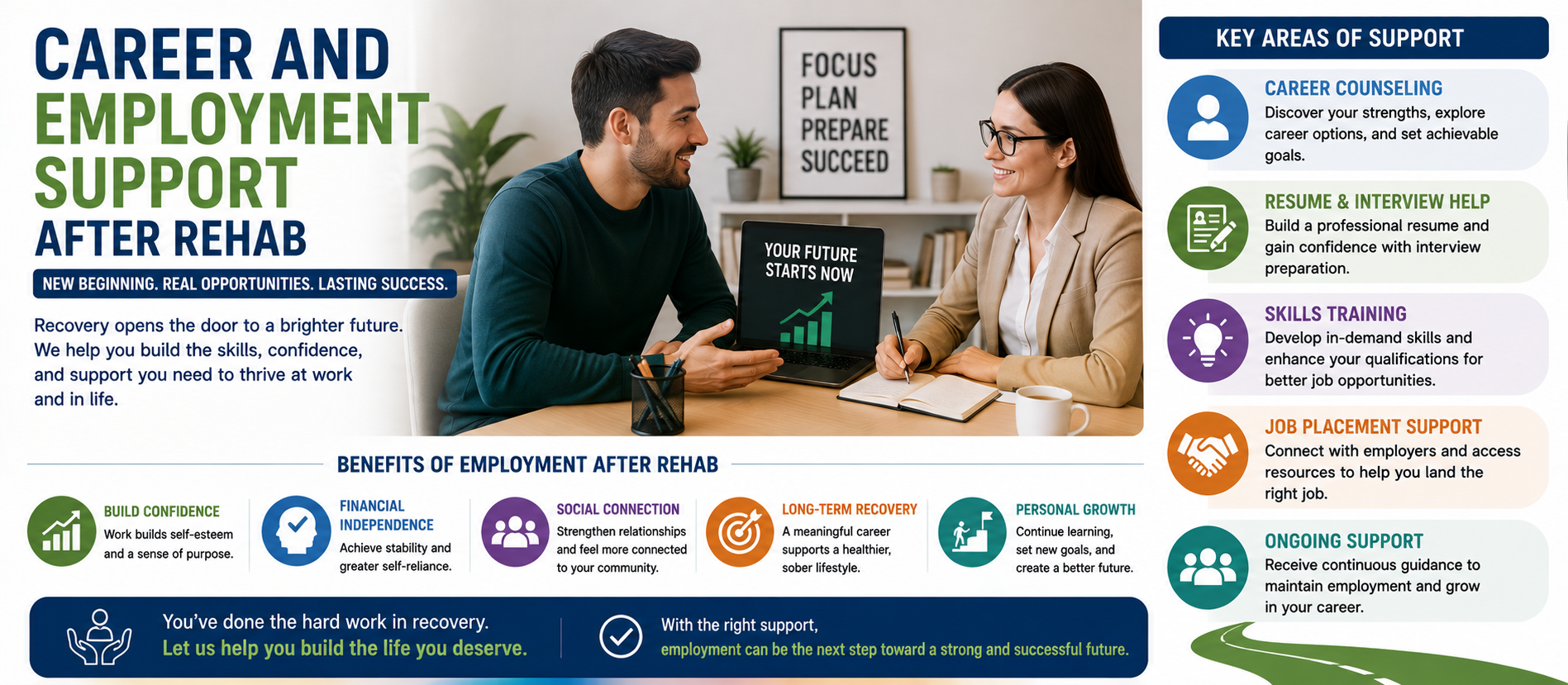
Aftercare can help bridge that transition. A plan may include therapy appointments, recovery meetings, medication follow-up, healthy routines, employment or education goals, and emergency contacts.
Can Technology Support Recovery?
Digital tools can provide reminders, educational information, telehealth access, appointment support, or recovery resources. Some digitally delivered interventions may be useful for adults with drug use disorders.
WHO recommends that digital interventions should not replace other forms of care and should address informed consent, safety, confidentiality, privacy, and security.
How Families Can Support Someone in Rehab
- Listen without constantly judging.
- Encourage professional treatment.
- Respect reasonable treatment boundaries.
- Avoid covering up harmful behavior.
- Learn about addiction and recovery.
- Support healthy routines.
- Take care of your own physical and emotional needs.
How to Know Whether a Rehab Program Is Appropriate
Before choosing a program, ask practical questions.
- Does the program provide evidence-based treatment?
- Are qualified medical and behavioral health professionals involved?
- How is the treatment plan individualized?
- How are withdrawal and medical emergencies handled?
- What therapies are offered?
- Are medications for applicable substance use disorders available when clinically appropriate?
- What happens after the program ends?
- How does the program involve family when appropriate?
- What are the total costs and payment terms?
Signs That Professional Help May Be Needed
Consider speaking with a qualified healthcare professional when substance use is causing repeated problems with health, relationships, work, education, finances, or safety.
Urgent medical help is especially important when there are signs of overdose, severe withdrawal, loss of consciousness, breathing problems, seizures, severe confusion, or another medical emergency.
Withdrawal from some substances, particularly alcohol and certain sedative medications, can be medically dangerous. Do not assume that stopping suddenly is always safe. A healthcare professional can advise on appropriate care.
Can Rehab Really Change Your Life? Key Takeaways
- Rehab can be a major starting point for recovery.
- Recovery is a process, not a single event.
- Treatment should be individualized.
- Medical care and behavioral therapy can work together.
- Support from family, peers, and community can matter.
- Aftercare helps maintain progress after structured treatment ends.
- Setbacks can require adjustment and renewed support.
- A meaningful life after rehab can include health, purpose, relationships, work, education, and community.
Frequently Asked Questions
Can rehab really change your life?
Rehab can provide treatment, structure, skills, and support that help a person begin meaningful change. Long-term outcomes depend on many factors, including the person's needs, treatment quality, ongoing support, and continued recovery work.
How long does rehab take?
There is no single correct length for everyone. Treatment duration and intensity should reflect individual needs and response to care. Some people need short-term stabilization, while others benefit from longer treatment and continuing support.
Can someone recover without inpatient rehab?
Yes. Depending on clinical needs, outpatient treatment, medication treatment, counseling, peer support, and other services may be appropriate. A qualified professional can help determine a suitable level of care.
Is relapse always a failure?
A return to substance use is a serious event, but it does not mean recovery is impossible. It can be a signal that the treatment or support plan needs review. Immediate professional help is important when safety is at risk.
What is the most important part of recovery?
There is no single element that works for everyone. Effective recovery plans often combine appropriate treatment, healthy routines, supportive relationships, coping skills, and continuing care.
SEO, AEO, GEO and AI Search Optimization
This article is structured around direct questions and answers, clear headings, concise paragraphs, natural keyword placement, lists, and FAQ content. These features improve readability for people and make important information easier for search and AI systems to identify.
Final Thoughts
Can rehab really change your life? Rehab can become a powerful starting point, but lasting recovery is usually built over time. Treatment can help a person stabilize, understand patterns, develop coping skills, improve health, reconnect with supportive people, and create new goals.
The next chapter does not have to be perfect. It needs to be supported, practical, and sustainable. With appropriate professional care and ongoing support, recovery can become more than stopping a harmful behavior. It can become the process of building a healthier and more purposeful life.
Digiifrog publishes practical content about health, technology, AI, digital transformation, and modern online strategies. Visit www.digiifrog.com for more insights.
Sources and Further Reading
- SAMHSA – Treatment Options for Substance Use Disorder
- SAMHSA – Substance Use Disorder Treatment
- SAMHSA – About Recovery
- WHO/UNODC – International Standards for the Treatment of Drug Use Disorders
- WHO – Recovery-Oriented Services
- WHO – Digitally Delivered Interventions
Ready to Grow?
Talk to us about a strategy tailored to your brand — we will help you stand out in search, AI discovery and social.

Comments (0)
Log in to leave a comment.