📋 Quick Summary
In this article:
Quick Answer: How Can You Support a Loved One Through Rehab Recovery?
Understanding That Recovery Is a Process
Learn About the Rehabilitation Process
Be Present Without Being Controlling
Practice Non-Judgmental Communication
Use Encouragement Instead of Pressure
How Families Can Help With Daily Recovery
Introduction
When someone you love enters rehabilitation, the recovery journey can affect the entire family. You may feel hopeful, worried, relieved, confused, or uncertain about what happens next. You may want to help but not know the right words or actions.
Supporting a loved one through rehab recovery requires patience, understanding, and realistic expectations. Recovery can involve physical, emotional, behavioral, or lifestyle changes. Depending on the type of rehabilitation, a person may be recovering from substance use, an injury, surgery, illness, or another serious health challenge.
Family support can be valuable. However, supporting someone does not mean controlling their recovery or taking responsibility for every decision they make. Healthy support involves encouragement, communication, boundaries, and respect for the treatment plan created by qualified professionals.
This guide explains practical ways to support a loved one during and after rehabilitation. It focuses on clear communication, family involvement, healthy boundaries, relapse awareness where relevant, practical assistance, and caregiver wellbeing.
Quick Answer: How Can You Support a Loved One Through Rehab Recovery?
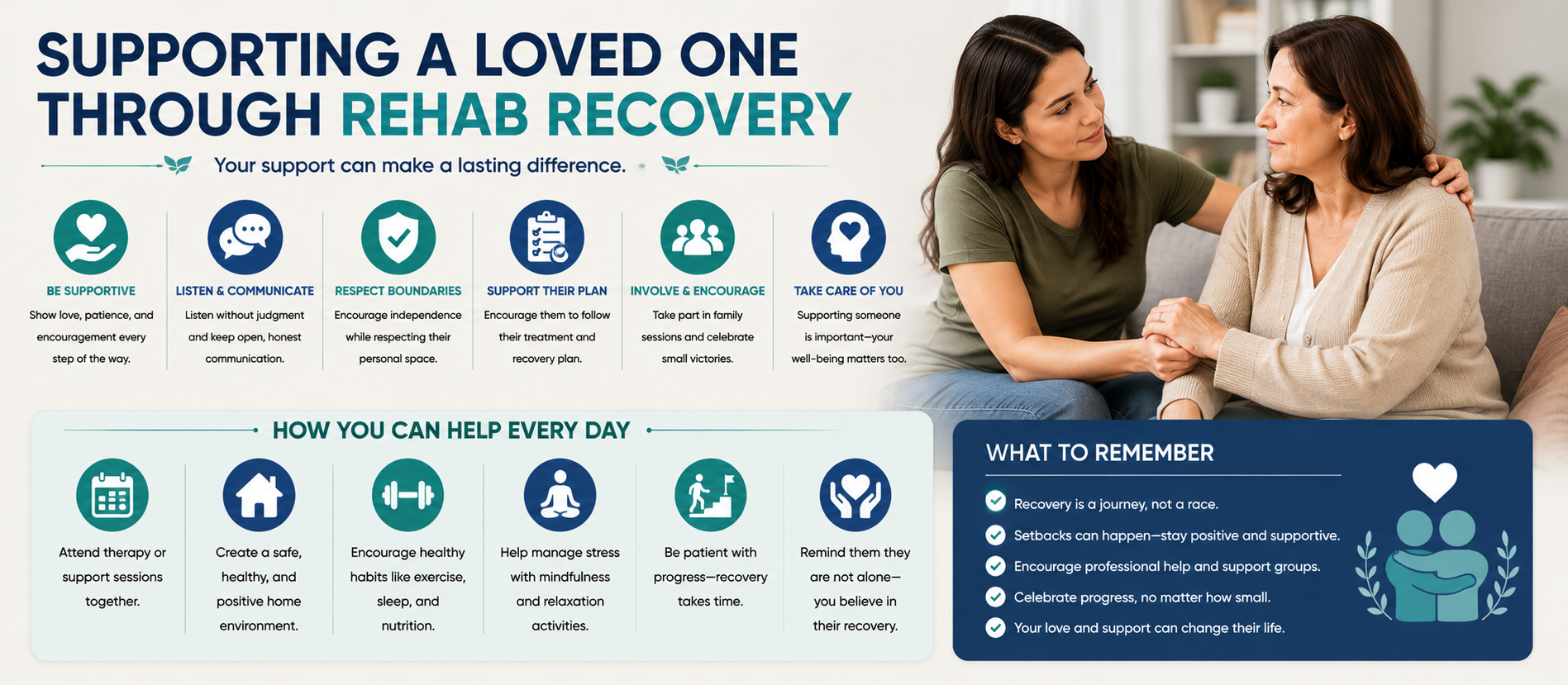
You can support a loved one through rehab recovery by listening without judgment, encouraging them to follow their treatment plan, respecting healthy boundaries, learning about their condition, helping with practical needs when appropriate, and taking care of your own wellbeing.
The most helpful support is usually consistent rather than controlling. Recovery belongs to the person receiving treatment, while family and friends can provide encouragement and a stable support system.
Understanding That Recovery Is a Process
One of the most important things families can understand is that recovery takes time.
Rehabilitation is rarely a simple process with a fixed finish line. A person may make rapid progress in some areas and slower progress in others. Good days and difficult days can both occur.
Depending on the type of rehabilitation, recovery may involve:
- Physical healing
- Learning or relearning daily skills
- Managing pain or discomfort
- Changing habits and routines
- Addressing emotional challenges
- Developing healthier coping strategies
- Building confidence and independence
Try not to compare your loved one's recovery with another person's experience. Every individual has different health needs, treatment goals, and circumstances.
Learn About the Rehabilitation Process
Knowledge can help reduce fear and confusion.
Ask your loved one or, when appropriate and with proper consent, members of the treatment team about the general recovery process.
You may want to understand:
- What type of rehabilitation is being provided
- What the main recovery goals are
- What challenges may occur during recovery
- How family members can participate
- What support may be needed after treatment
Respect privacy rules and your loved one's right to control personal medical information. Healthcare professionals may not be able to discuss treatment details without the person's permission.
Be Present Without Being Controlling
Many people in recovery want support but also want to maintain a sense of independence.
Being supportive may mean saying:
- "I am here when you want to talk."
- "How can I support you today?"
- "I am proud of the effort you are making."
- "Would you like help with this, or would you prefer to handle it yourself?"
Try to avoid taking control of every decision. Recovery can involve rebuilding confidence, and allowing a person to make appropriate choices may be part of that process.
Practice Non-Judgmental Communication
Communication can become difficult when families are stressed.
You may feel frustrated about past events or worried about future problems. However, criticism and blame can make open communication more difficult.
Try to focus on the present.
Helpful communication habits include:
- Listening before responding
- Allowing the person to explain their feelings
- Using calm language
- Avoiding insults and personal attacks
- Asking questions instead of making assumptions
- Giving the person time to respond
You do not need to agree with every decision to communicate respectfully.
Use Encouragement Instead of Pressure
Encouragement can help a person stay connected to recovery goals.
Pressure can sometimes have the opposite effect.
Instead of saying:
"You should be better by now."
You could say:
"I know recovery has been difficult. I can see that you are continuing to work on it."
Instead of focusing only on what has not happened, recognize meaningful effort and progress.
Respect the Treatment Plan
Rehabilitation programs are usually designed around individual needs.
Encourage your loved one to follow guidance from qualified healthcare and rehabilitation professionals.
Do not encourage them to:
- Stop prescribed treatment without professional advice
- Ignore activity restrictions
- Skip follow-up appointments
- Use unapproved treatments instead of necessary medical care
If your loved one has concerns about treatment, encourage them to discuss those concerns directly with the appropriate healthcare professional.
How Families Can Help With Daily Recovery
Practical help can make recovery easier, particularly during the early stages.
Depending on the situation, you may be able to help with:
- Transportation to appointments
- Preparing appropriate meals
- Organizing the home for safety
- Managing temporary household responsibilities
- Helping remember appointments when requested
- Providing encouragement for prescribed rehabilitation activities
Before helping, ask what the person actually needs. Unrequested assistance can sometimes make a person feel less independent.
Support Healthy Daily Routines
Healthy routines can provide structure during recovery.
A daily routine may include:
- Regular sleep times
- Scheduled meals
- Rehabilitation exercises or therapy
- Appointments
- Appropriate physical activity
- Time for relaxation
You can support the routine without becoming responsible for enforcing every part of it.
Encourage Independence
Helping too much can sometimes slow a person's confidence in managing daily life.
Ask yourself:
- Can my loved one safely do this task independently?
- Would guidance be more helpful than doing the task for them?
- Have they asked for assistance?
Encouraging safe independence can be an important part of rehabilitation.
Set Healthy Boundaries
Supporting someone does not mean accepting every behavior.
Healthy boundaries can protect both the person in recovery and the people supporting them.
Examples of boundaries may include:
- Speaking respectfully during disagreements
- Not accepting threats or violence
- Protecting personal finances
- Maintaining your own work and family responsibilities
- Not covering up harmful behavior
Boundaries should be clear, realistic, and communicated calmly.
Setting a boundary is not the same as abandoning someone. It can be part of maintaining a healthier relationship.
Avoid Enabling Harmful Behavior
Family members often want to protect a loved one from pain or consequences. Sometimes this desire can unintentionally support unhealthy patterns.
What enabling looks like depends on the situation. It may involve repeatedly solving problems that the person needs to address or protecting them from consequences in ways that interfere with recovery.
If you are unsure how to provide help without enabling harmful behavior, consider discussing the situation with a qualified counselor, family therapist, or rehabilitation professional.
Supporting Someone Recovering From Substance Use
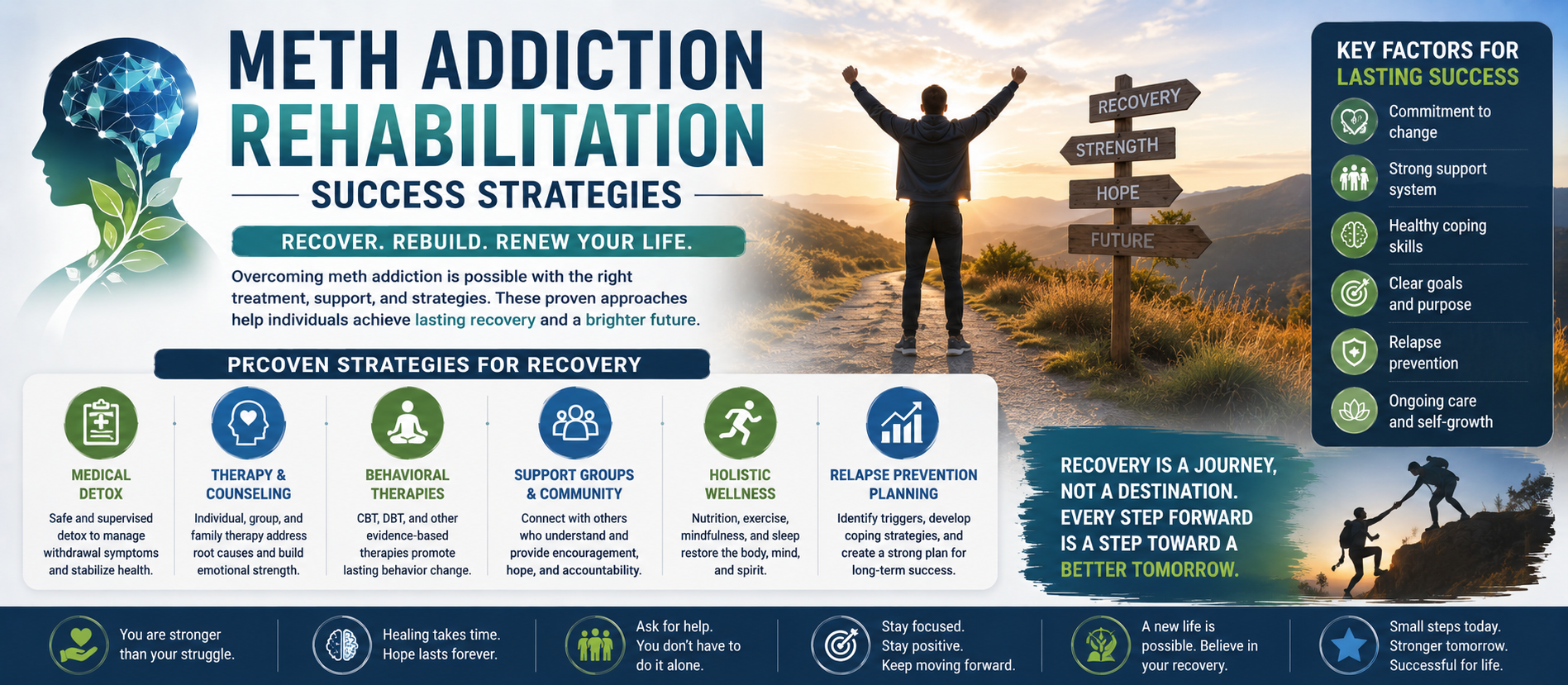
Substance use recovery can involve unique challenges. A person may need to manage cravings, avoid triggers, attend therapy, rebuild relationships, and develop healthier coping strategies.
Helpful family support may include:
- Encouraging participation in continuing treatment
- Supporting healthy routines
- Learning about recovery and relapse prevention
- Avoiding unnecessary judgment and shame
- Maintaining clear personal boundaries
Family members should not attempt to provide medical detoxification or emergency treatment themselves. Withdrawal from some substances can be dangerous and may require medical supervision.
Understanding Relapse and Return to Use
For substance use recovery, a return to substance use can happen during the recovery process. It is important to treat the situation seriously while avoiding shame-based responses.
A return to use may indicate that the treatment or recovery plan needs additional support or adjustment.
Encourage the person to contact their treatment provider or another qualified professional as soon as possible.
If there is an overdose, severe withdrawal, loss of consciousness, difficulty breathing, or another emergency, contact local emergency services immediately.
Supporting Emotional Recovery
Rehabilitation can bring up difficult emotions.
Your loved one may experience:
- Fear about the future
- Frustration about limitations
- Sadness or grief
- Anxiety
- Embarrassment
- Anger
You do not need to solve every emotional problem.
Sometimes the most helpful response is to listen and say:
"That sounds really difficult."
"I understand why you feel frustrated."
"Would you like to talk about what might help?"
If emotional distress becomes severe or persistent, encourage professional mental health support.
Celebrate Progress Without Creating Pressure
Small achievements can matter during recovery.
Examples include:
- Attending a therapy session
- Completing a new daily activity independently
- Following a recovery routine
- Returning to a hobby
- Reaching a physical rehabilitation milestone
Celebrate progress, but do not turn every achievement into pressure for faster results.
Family Therapy and Support Groups
Recovery can affect relationships throughout the family.
Family therapy may help people improve communication, understand recovery, and address relationship challenges.
Support groups may also give family members an opportunity to speak with others who understand similar experiences.
Not every family needs the same type of support. Ask a healthcare provider or rehabilitation professional about appropriate resources.
How to Handle Difficult Conversations
Some conversations may involve fear, disappointment, or disagreement.
Before starting a difficult discussion:
- Choose a calm time
- Focus on one issue at a time
- Speak about specific behaviors instead of attacking the person's character
- Listen to the other person's perspective
- Take a break if emotions become overwhelming
For example, instead of saying:
"You never care about this family."
Try:
"I feel worried when communication stops because I do not know if you are safe."
This approach focuses on your experience rather than assigning blame.
Do Not Expect Recovery to Be Perfect
Families sometimes expect rehabilitation to immediately solve every problem.
In reality, recovery may involve setbacks, changing goals, and ongoing support.
⚠ Watch Out
Try to avoid thinking in terms of complete success or complete failure.
Progress can continue even when recovery is difficult.
Recognize Signs That Additional Support May Be Needed
Encourage professional help when your loved one experiences new or worsening problems such as:
- Severe emotional distress
- Significant changes in behavior
- Increasing isolation
- Inability to manage basic daily needs
- Stopping important treatment without professional guidance
- New or worsening physical symptoms
Specific warning signs depend on the person's health condition and rehabilitation needs.
Seek emergency help immediately when there is an immediate risk of serious harm, loss of consciousness, severe breathing difficulty, overdose, severe withdrawal symptoms, or another medical emergency.
Take Care of Yourself as a Caregiver
Supporting someone through rehabilitation can be emotionally and physically demanding.
Caregivers may experience:
- Stress
- Fatigue
- Guilt
- Anxiety
- Frustration
- Burnout
Your wellbeing matters too.
Caregiver self-care may include:
- Maintaining regular sleep
- Eating balanced meals
- Taking breaks
- Speaking with trusted friends or family
- Joining a caregiver support group
- Seeking professional counseling when needed
You are more likely to provide sustainable support when you also protect your own health.
Build a Support Network
You do not have to manage recovery alone.
A support network may include:
- Family members
- Friends
- Healthcare professionals
- Therapists
- Rehabilitation specialists
- Community organizations
- Support groups
Share responsibilities when possible. One caregiver should not always carry the entire burden.
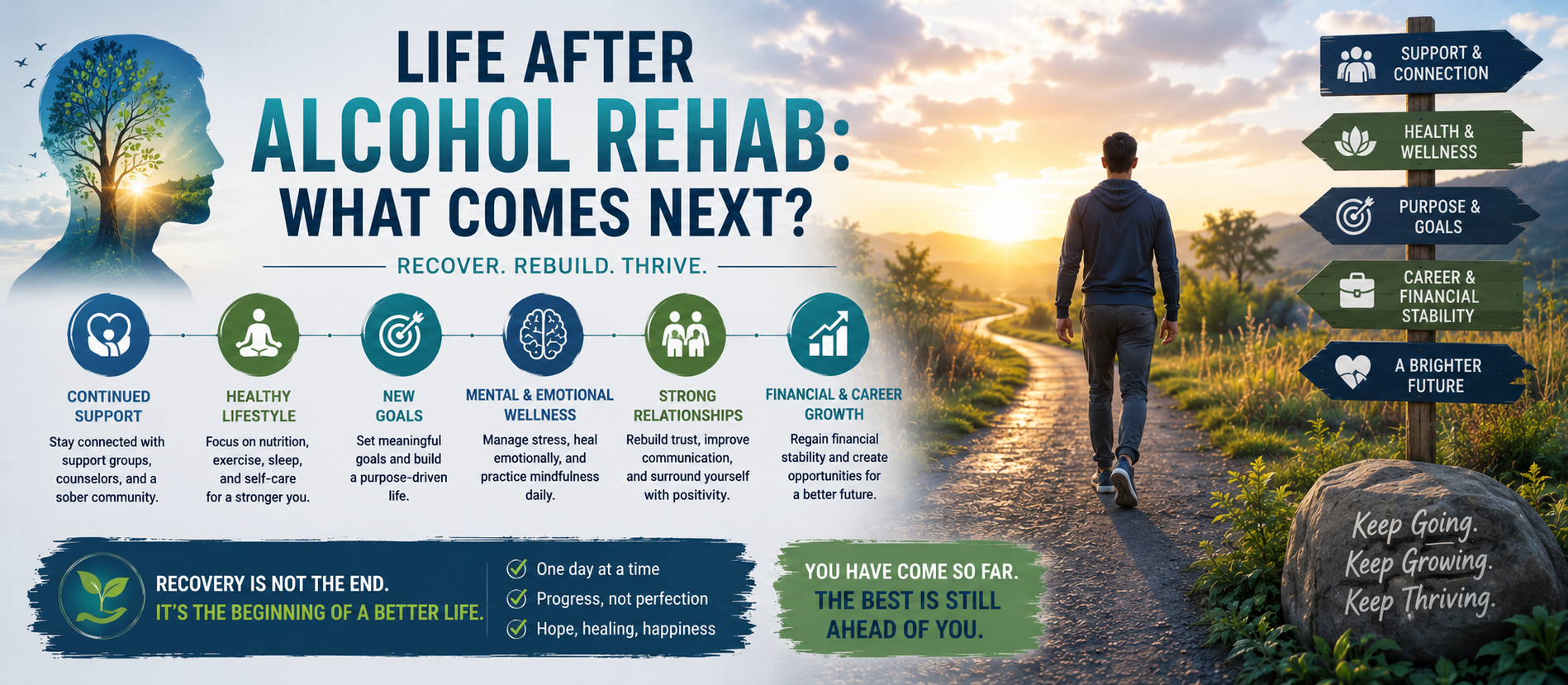
Planning for Life After Formal Rehabilitation
Leaving a rehabilitation program can be an important transition.
Before discharge or completion of a program, the person and family may need to consider:
- Follow-up appointments
- Continuing therapy
- Medication management when applicable
- Transportation needs
- Home safety
- Work or school plans
- Ongoing emotional support
Ask the treatment team about discharge planning and available community resources.
Create a Supportive Home Environment
A supportive environment should be safe, calm, and appropriate for the person's recovery needs.
This may involve:
- Reducing unnecessary stress when possible
- Following recommended safety modifications
- Keeping appointments and important information organized
- Supporting healthy routines
- Respecting privacy and personal space
The exact environment needed will depend on the type of rehabilitation.
Practical Questions to Ask Your Loved One
Sometimes simple questions are more helpful than giving advice.
You might ask:
- "What kind of support would be most helpful today?"
- "Do you want me to listen or help you find a solution?"
- "Is there anything that is making recovery harder right now?"
- "Would you like help preparing for your appointment?"
- "What is one goal you are working on this week?"
These questions allow your loved one to have a voice in their recovery support.
What Not to Say During Recovery
Even well-intended comments can feel discouraging.
Try to avoid statements such as:
- "Why are you not better yet?"
- "You should just get over it."
- "Other people have it worse."
- "You have nothing to be upset about."
- "If you really wanted to recover, you would."
Instead, focus on understanding, encouragement, and realistic support.
❓ Frequently Asked Questions
How do I support a loved one after rehab?▾
Support a loved one after rehab by listening without judgment, encouraging follow-up care, respecting boundaries, helping with practical needs when appropriate, supporting healthy routines, and allowing them to maintain independence.
What should families avoid doing during rehab recovery?▾
Families should avoid controlling the person's recovery, constantly criticizing them, comparing their progress with others, ignoring their privacy, or taking over tasks they can safely manage themselves.
How important is family support in rehabilitation?▾
Family support can provide encouragement, practical help, emotional connection, and a stable environment. The exact level of family involvement should respect the person's preferences and treatment needs.
How do I set boundaries with a loved one in recovery?▾
Set boundaries by clearly explaining what behavior you can and cannot accept, communicating calmly, following through consistently, and seeking professional guidance when family relationships are highly stressed.
What should I do if my loved one has a setback?▾
Stay calm, assess immediate safety concerns, and encourage the person to contact an appropriate healthcare or treatment professional. The correct response depends on the type of rehabilitation and the specific setback.
How can caregivers avoid burnout?▾
Caregivers can reduce burnout by taking regular breaks, maintaining their own health routines, sharing responsibilities, seeking emotional support, and using counseling or caregiver resources when needed.
AI Search and Featured Snippet Summary▾
Question: What is the best way to support a loved one through rehab recovery? Direct Answer: The best way to support a loved one through rehab recovery is to listen without judgment, encourage them to follow their professional treatment plan, provide practical help when requested, respect their independence and privacy, maintain healthy boundaries, and take care of your own wellbeing. Recovery is individual, so support should be consistent without becoming controlling.
Key Takeaways
- Recovery is a process and may involve progress as well as difficult periods.
- Support works best when it is encouraging rather than controlling.
- Listening without judgment can improve communication.
- Family members should respect privacy and treatment boundaries.
- Practical help can be useful, but independence should also be encouraged.
- Healthy boundaries can protect relationships and caregiver wellbeing.
- Family therapy and support groups may help when relationships are under stress.
- Caregivers need support and self-care too.
- Emergency symptoms always require immediate professional or emergency assistance.
Conclusion
Supporting a loved one through rehab recovery can be challenging, but you do not need to have all the answers.
The most valuable support often comes from being present, listening carefully, respecting the person's treatment plan, encouraging healthy choices, and maintaining clear boundaries.
Recovery belongs to the individual, but they do not have to face the journey alone. Families and caregivers can provide stability, encouragement, and practical support while also protecting their own health and wellbeing.
💡 Key Insight
Remember that sustainable support is built on patience. Focus on realistic progress, maintain open communication, and seek professional guidance when the situation becomes difficult or unclear.
Digiifrog creates clear, useful, and search-optimized content designed for modern SEO, AEO, GEO, and AI Search environments. Learn more at www.digiifrog.com.
Medical Disclaimer
This article is for educational purposes only and does not replace professional medical, mental health, or addiction treatment advice. Rehabilitation needs are individual. Always follow guidance from qualified healthcare and rehabilitation professionals. Seek emergency assistance immediately when there is a risk of serious harm, overdose, severe withdrawal, loss of consciousness, severe breathing difficulty, or another medical emergency.
Ready to Grow?
Talk to us about a strategy tailored to your brand — we will help you stand out in search, AI discovery and social.
Comments (0)
Log in to leave a comment.