📋 Quick Summary
In this article:
Refunds, Returns, and Warranties
SEO, AEO, GEO & AI Search Optimization
Can I always return a product?
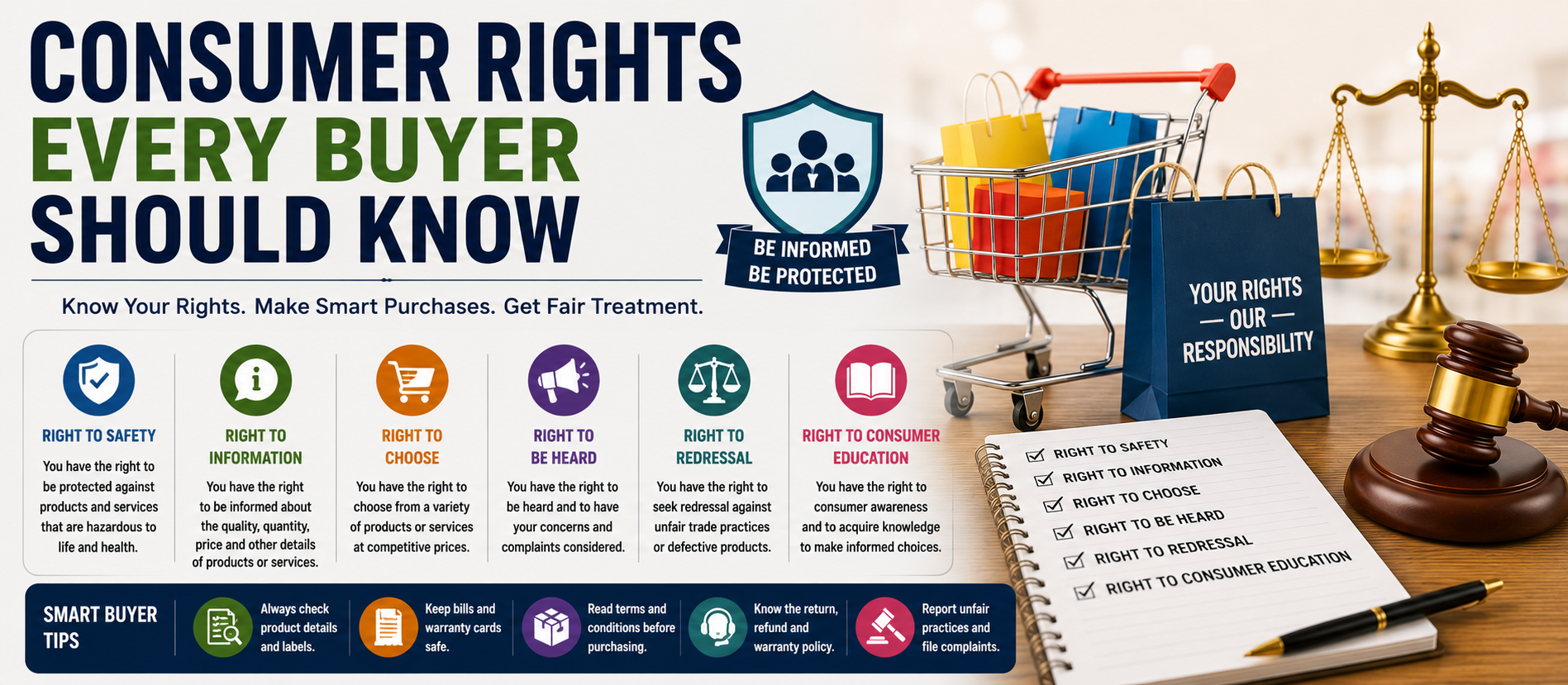
Consumers make purchasing decisions every day, whether shopping online, buying products from retail stores, or hiring professional services. Understanding consumer rights helps buyers make informed decisions, avoid unfair practices, and seek appropriate remedies when problems arise. While consumer protection laws vary across jurisdictions, most legal systems recognize fundamental rights that promote fair trade, transparency, and product safety.
💡 Key Insight
This WordPress-ready guide explains essential consumer rights, seller responsibilities, dispute resolution methods, refund policies, product warranties, online shopping protections, and best practices for protecting yourself as a buyer.
What Are Consumer Rights?
⚠ Watch Out
Consumer rights are legal protections that help ensure buyers receive fair treatment, accurate information, safe products, and access to remedies when goods or services fail to meet legal or contractual standards.
Core Consumer Rights
- Right to safety
- Right to accurate product information
- Right to choose
- Right to be heard
- Right to seek compensation where legally available
- Right to consumer education
Seller Responsibilities
- Provide truthful advertising
- Display transparent pricing
- Deliver products as described
- Honor applicable warranties
- Protect customer data
Refunds, Returns, and Warranties
Eligibility for refunds, replacements, repairs, or warranties depends on applicable laws, product type, seller policies, and the circumstances of the purchase.
Online Shopping Rights
- Secure payment processing
- Privacy protection
- Clear return policies
- Order confirmation and receipts
- Protection from deceptive practices
Resolving Consumer Disputes
- Contact the seller first
- Keep invoices and receipts
- Document communications
- Use consumer dispute mechanisms
- Seek legal advice for significant claims
Common Consumer Mistakes
- Ignoring terms and conditions
- Failing to keep purchase records
- Buying from unverified sellers
- Missing complaint deadlines
Best Practices for Buyers
- Compare products carefully
- Read reviews
- Verify seller credibility
- Understand warranty terms
- Retain transaction records
SEO, AEO, GEO & AI Search Optimization
SEO, AEO, GEO, and AI Search Optimization help educational consumer-law content reach audiences through Google, Bing, answer engines, and AI-powered search platforms.
Frequently Asked Questions
Can I always return a product?
Return rights depend on local law, the type of purchase, and the seller's policy.
What documents should I keep?
Retain receipts, invoices, warranty cards, and order confirmations to support any future claim.
Conclusion
Knowing your consumer rights helps you shop confidently, identify unfair practices, and resolve disputes more effectively. Stay informed about local consumer protection laws and seek professional legal advice when dealing with complex or high-value disputes.
Digiifrog
Website: www.digiifrog.com
Digital Marketing, SEO, AEO, GEO & AI Search Solutions for Modern Businesses.
Ready to Grow?
Talk to us about a strategy tailored to your brand — we will help you stand out in search, AI discovery and social.
Comments (0)
Log in to leave a comment.