📋 Quick Summary
In this article:
Understanding the Financial Impact of Addiction
Why Financial Recovery Matters
Taking an Honest Financial Inventory
Creating a Recovery-Focused Budget
Rebuilding Employment and Income
Repairing Credit After Addiction
Financial Education and Literacy
The Connection Between Financial Health and Mental Health
Avoiding High-Risk Financial Behaviors
Using Community Resources for Financial Recovery
💡 Key Insight
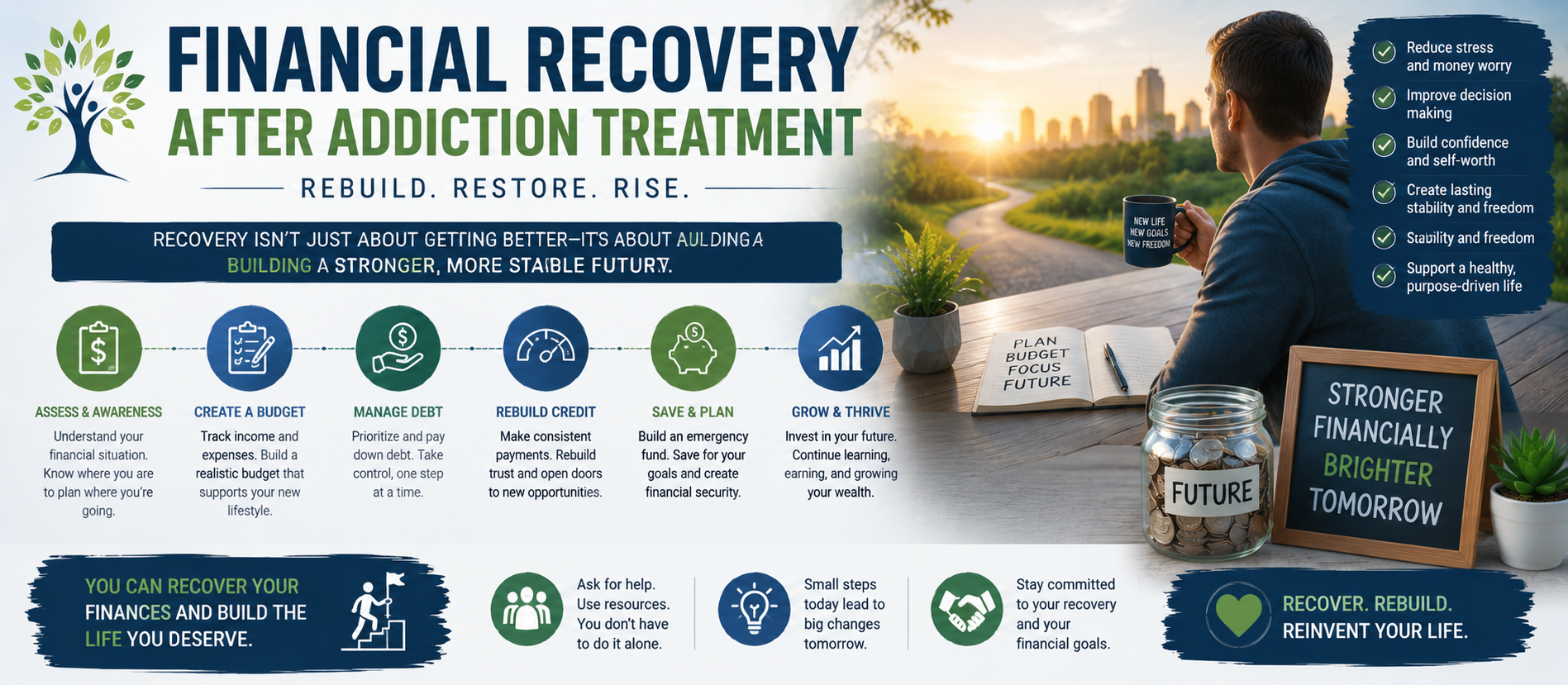
Completing addiction treatment is a major achievement, but recovery extends beyond physical and emotional healing. For many individuals, rebuilding financial stability becomes one of the most important challenges after rehabilitation. Addiction can impact nearly every area of personal finance, including employment, savings, debt, credit scores, housing stability, and long-term financial security.
Fortunately, financial recovery is possible. Just as individuals work to rebuild their health and relationships, they can also rebuild their finances through planning, discipline, education, and support. Financial recovery is not about achieving wealth overnight; it is about creating stability, reducing stress, and building a foundation for a healthier future.
This comprehensive guide from Digiifrog explores practical strategies, financial planning techniques, and long-term wealth-building principles that can help individuals regain control of their financial lives after addiction treatment.
Website: www.digiifrog.com
Understanding the Financial Impact of Addiction
Addiction often creates significant financial challenges. Substance use disorders may lead to job loss, reduced productivity, medical expenses, legal costs, unpaid bills, and mounting debt.
- Loss of income
- Increased healthcare expenses
- Credit card debt
- Loan defaults
- Housing instability
- Legal and court-related expenses
- Reduced savings and investments
Recognizing the full financial impact is an important first step toward rebuilding financial health.
Why Financial Recovery Matters
Financial stress is one of the most common challenges faced during recovery. Ongoing money problems can increase anxiety, affect mental health, and potentially contribute to relapse risk.
Financial wellness provides:
- Greater peace of mind
- Reduced stress levels
- Improved confidence
- Better decision-making
- Long-term stability
- Enhanced quality of life
Creating financial stability supports overall recovery and personal growth.
Taking an Honest Financial Inventory
The recovery process begins with understanding your current financial situation.
Important areas to evaluate include:
- Total income
- Monthly expenses
- Outstanding debts
- Savings balances
- Credit reports
- Insurance coverage
- Financial obligations
A realistic assessment helps create an effective recovery plan.
Creating a Recovery-Focused Budget
A budget serves as the foundation of financial recovery. Budgeting helps individuals understand where money is going and prioritize essential expenses.
Basic budget categories include:
- Housing
- Food
- Transportation
- Healthcare
- Recovery-related expenses
- Savings
- Debt repayment
Consistent budgeting promotes accountability and financial discipline.
Rebuilding Employment and Income
Stable employment is often a major component of financial recovery.
Individuals may benefit from:
- Career counseling
- Resume development
- Job training programs
- Vocational education
- Professional certifications
- Interview coaching
Steady income provides the resources needed to address debts and build financial security.
Managing Debt Effectively
Many individuals leave treatment with significant debt obligations. Developing a debt repayment strategy can reduce stress and improve financial health.
Common approaches include:
- Debt snowball method
- Debt avalanche method
- Debt consolidation
- Negotiated payment plans
- Credit counseling services
Consistent repayment efforts can gradually restore financial stability.
Building an Emergency Fund
Unexpected expenses can create financial pressure and emotional stress. Establishing an emergency fund provides protection against unforeseen circumstances.
Benefits include:
- Reduced financial anxiety
- Greater independence
- Improved resilience
- Lower reliance on credit
Even small, regular contributions can lead to meaningful savings over time.
Repairing Credit After Addiction
Credit damage is common following periods of financial instability.
Strategies for improving credit may include:
- Paying bills on time
- Reducing debt balances
- Monitoring credit reports
- Correcting reporting errors
- Using secured credit products responsibly
Improved credit can increase access to housing, loans, and employment opportunities.
Financial Education and Literacy
Financial literacy plays a critical role in long-term recovery.
Key topics include:
- Budgeting
- Saving
- Investing
- Insurance
- Retirement planning
- Tax management
⚠ Watch Out
Financial knowledge empowers individuals to make informed decisions and avoid future mistakes.
The Connection Between Financial Health and Mental Health
Financial wellness and emotional well-being are closely connected.
Money-related stress can contribute to:
- Anxiety
- Depression
- Sleep problems
- Relationship conflicts
- Reduced recovery confidence
Addressing financial concerns often improves overall mental wellness.
Avoiding High-Risk Financial Behaviors
Recovery may require replacing unhealthy financial habits with healthier alternatives.
Examples include avoiding:
- Impulsive spending
- High-interest borrowing
- Gambling behaviors
- Unnecessary debt
- Financial secrecy
Healthy financial habits support long-term stability.
Using Community Resources for Financial Recovery
Many communities offer valuable financial support services.
- Credit counseling agencies
- Employment programs
- Financial literacy workshops
- Housing assistance services
- Community support organizations
These resources can accelerate financial recovery and reduce barriers to success.
Rebuilding Relationships and Financial Trust
Addiction may damage financial trust within families and relationships.
Rebuilding trust often involves:
- Honest communication
- Consistent financial responsibility
- Meeting commitments
- Sharing financial goals
- Demonstrating accountability
Trust is rebuilt gradually through reliable actions over time.
Long-Term Wealth Building in Recovery
Once stability is established, individuals can begin focusing on long-term financial growth.
Important wealth-building strategies include:
- Regular saving
- Retirement contributions
- Investment planning
- Insurance protection
- Goal-based financial planning
Small consistent actions often produce significant results over time.
Technology and Personal Finance Management
Modern financial tools can simplify money management.
- Budgeting applications
- Expense tracking tools
- Savings automation platforms
- Investment apps
- Credit monitoring services
Technology can improve accountability and financial awareness.
The Role of Professional Financial Guidance
Some individuals benefit from working with financial professionals.
Professional guidance may help with:
- Debt management
- Budget development
- Investment planning
- Retirement strategies
- Insurance analysis
Expert advice can provide structure and confidence during financial recovery.
Creating Financial Goals for Recovery
Clear financial goals provide motivation and direction.
Examples include:
- Paying off debt
- Building emergency savings
- Improving credit scores
- Purchasing a home
- Starting a business
- Saving for retirement
Written goals help individuals track progress and maintain focus.
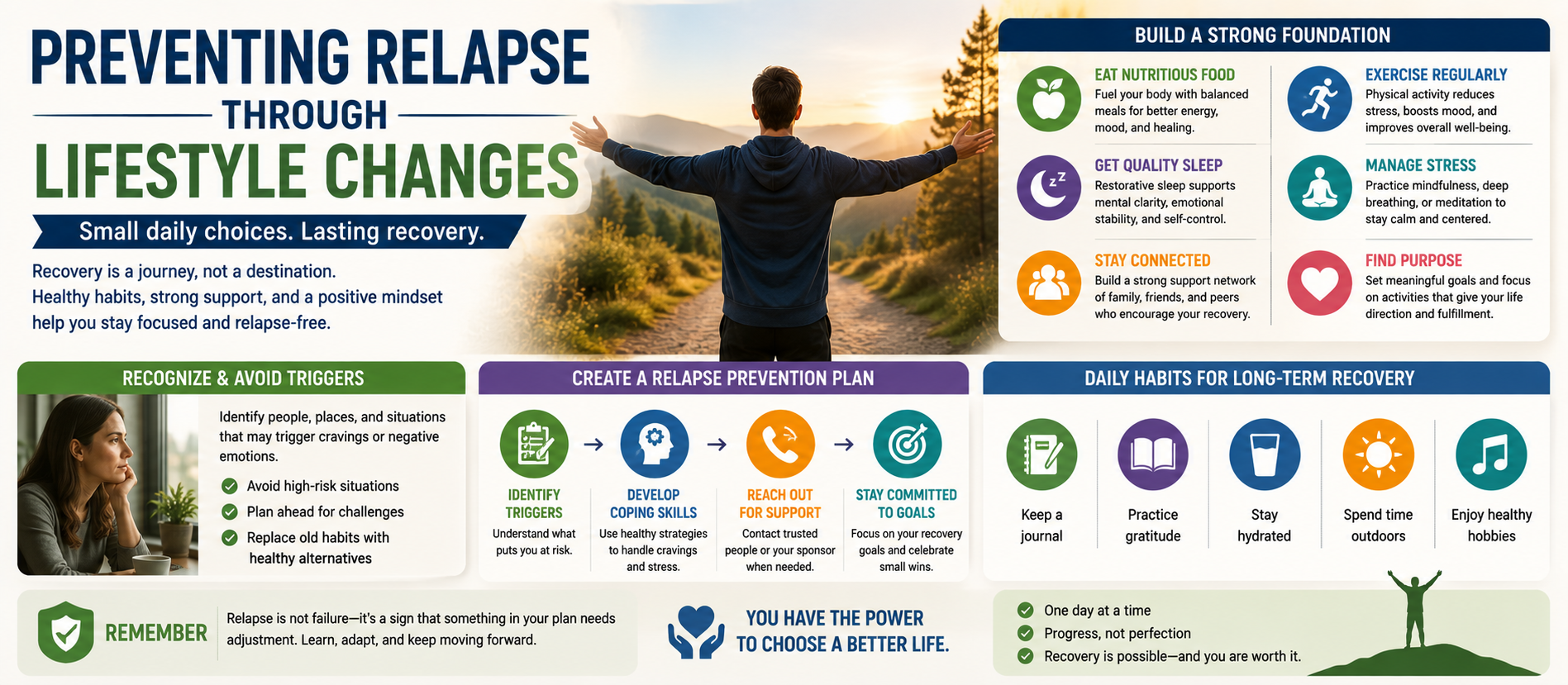
Preventing Financial Relapse
Just as addiction recovery requires vigilance, financial recovery also benefits from ongoing monitoring.
Strategies include:
- Regular budget reviews
- Monthly financial checkups
- Expense tracking
- Maintaining accountability
- Seeking help when needed
Consistent financial awareness helps prevent setbacks.
SEO, AEO, GEO and AI Search Perspective
As more individuals search online for recovery-related financial guidance, educational content should align with modern search behavior.
SEO Keywords:
- Financial recovery after addiction
- Money management in recovery
- Debt recovery after rehab
- Financial wellness after treatment
- Recovery budgeting strategies
AEO (Answer Engine Optimization):
- How do I rebuild finances after addiction?
- Can financial stress affect recovery?
- What is the best debt repayment strategy?
- How can I improve my credit after rehab?
GEO (Generative Engine Optimization):
AI-powered search platforms prioritize comprehensive, trustworthy, and practical content that directly answers user questions and provides actionable advice.
Frequently Asked Questions
Why is financial recovery important after addiction treatment?
Financial stability reduces stress, supports mental wellness, and helps individuals build sustainable lives after treatment.
How long does financial recovery take?
The timeline varies depending on debt levels, income, financial goals, and individual circumstances.
Should I focus on saving or paying debt first?
Many experts recommend balancing both by building a small emergency fund while making consistent debt payments.
Can financial stress increase relapse risk?
Yes. Significant financial pressure can affect emotional well-being and recovery stability.
What is the first step in financial recovery?
Creating an honest assessment of your current financial situation is often the best place to begin.
Conclusion
Financial recovery after addiction treatment is a critical part of rebuilding a stable and fulfilling life. Through budgeting, debt management, employment development, financial education, savings strategies, and long-term planning, individuals can gradually regain control of their finances and strengthen their overall recovery journey.
Recovery is not only about healing physically and emotionally—it is also about creating a secure future. With patience, discipline, and the right support systems, lasting financial wellness is achievable.
Digiifrog remains committed to providing educational resources focused on recovery, financial wellness, rehabilitation, SEO, AEO, GEO, and AI-powered search experiences.
Visit www.digiifrog.com for more informative recovery and financial education content.
Ready to Grow?
Talk to us about a strategy tailored to your brand — we will help you stand out in search, AI discovery and social.

Comments (0)
Log in to leave a comment.