📋 Quick Summary
In this article:
Why Social Media Is Attractive to Cyber Criminals
Common Social Media Attack Techniques
AEO & GEO Optimized FAQs
💡 Key Insight
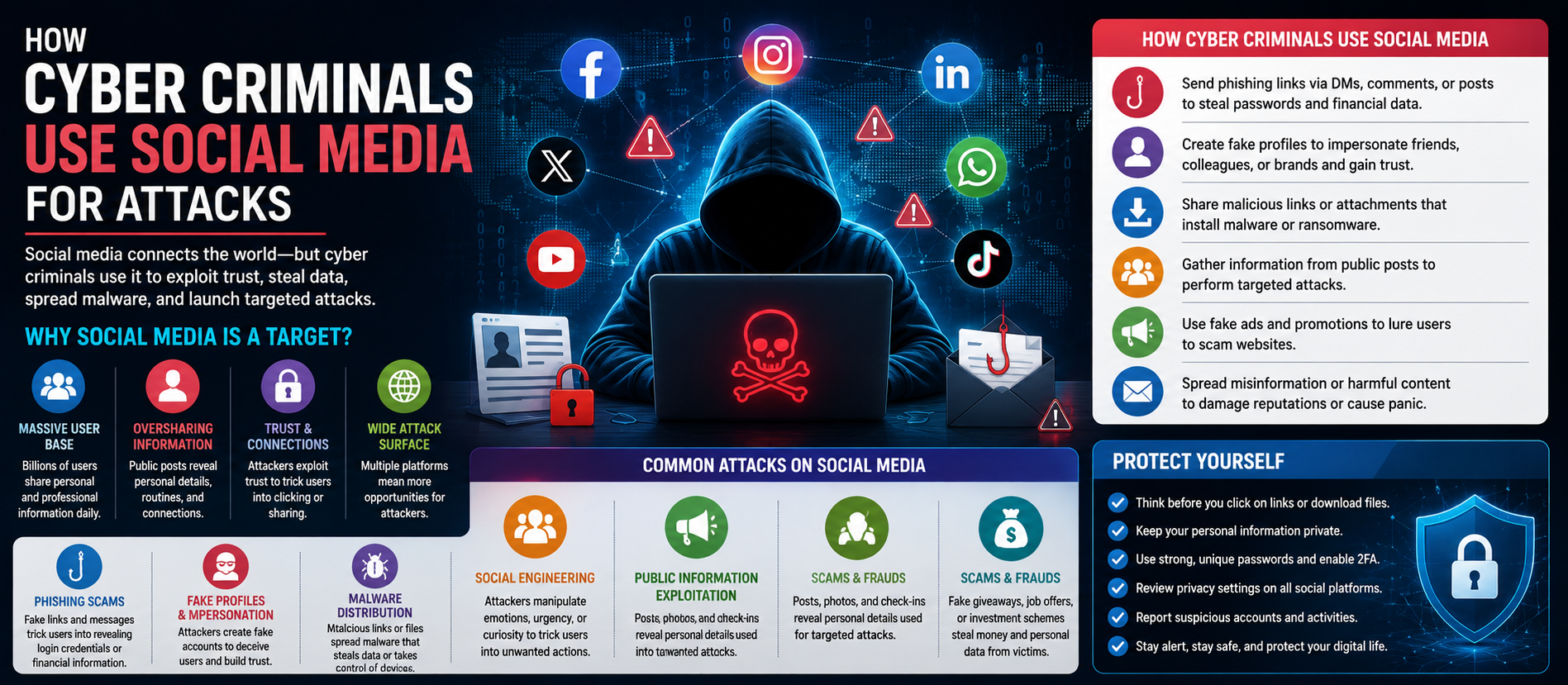
Social media has become an essential part of everyday life, helping people connect, communicate, and share information. Unfortunately, these same platforms have also become valuable tools for cyber criminals. Attackers exploit trust, public information, and human psychology to steal credentials, distribute malware, commit fraud, and launch targeted cyber attacks.
This WordPress-ready guide explains how cyber criminals use social media for attacks, common techniques, real-world risks, prevention strategies, and future trends. The article is optimized for SEO, AEO, GEO, and AI Search optimization.
Why Social Media Is Attractive to Cyber Criminals
- Large volumes of publicly shared personal information.
- Easy communication with potential victims.
- High levels of user trust.
- Fast content sharing across global audiences.
Common Social Media Attack Techniques
Phishing Messages
Attackers send fake messages, friend requests, or support notifications containing malicious links designed to steal passwords or financial information.
Fake Profiles
Criminals create convincing fake accounts to impersonate businesses, celebrities, recruiters, or friends.
Social Engineering
Publicly available personal information helps attackers build trust before requesting confidential data.
Malware Distribution
Malicious files and shortened links may install malware or redirect users to fraudulent websites.
Business Targeting
Organizations may face brand impersonation, executive impersonation, recruitment scams, and credential theft.
Warning Signs
- Unexpected urgent messages.
- Requests for passwords or verification codes.
- Unknown shortened URLs.
- Profiles with little history or suspicious activity.
How to Stay Safe
- Enable Multi-Factor Authentication (MFA).
- Review privacy settings regularly.
- Verify account identities before responding.
- Avoid clicking suspicious links.
- Use strong, unique passwords.
- Report fake accounts and scams.
- Keep devices and apps updated.
Best Practices for Businesses
- Train employees about phishing and social engineering.
- Monitor brand impersonation.
- Use social media policies.
- Protect official accounts with MFA.
Future Trends
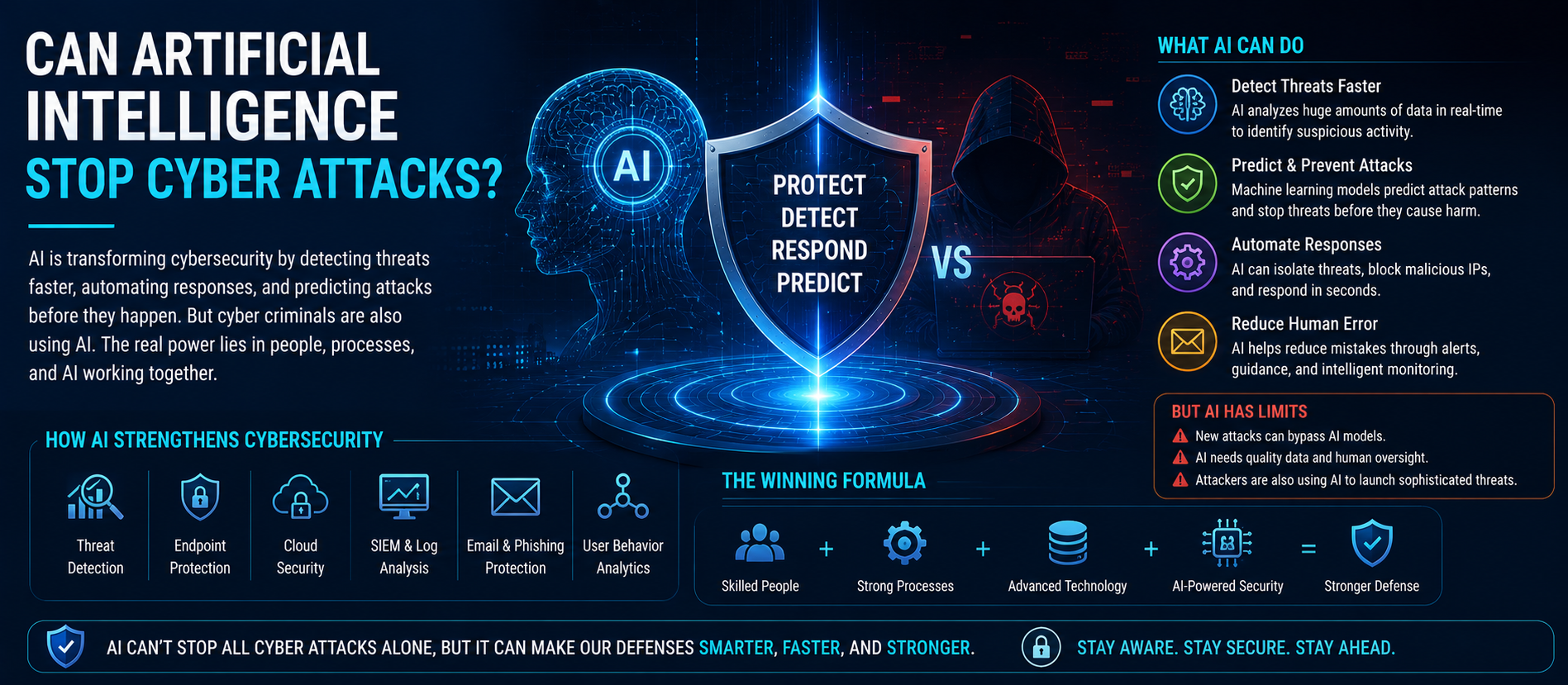
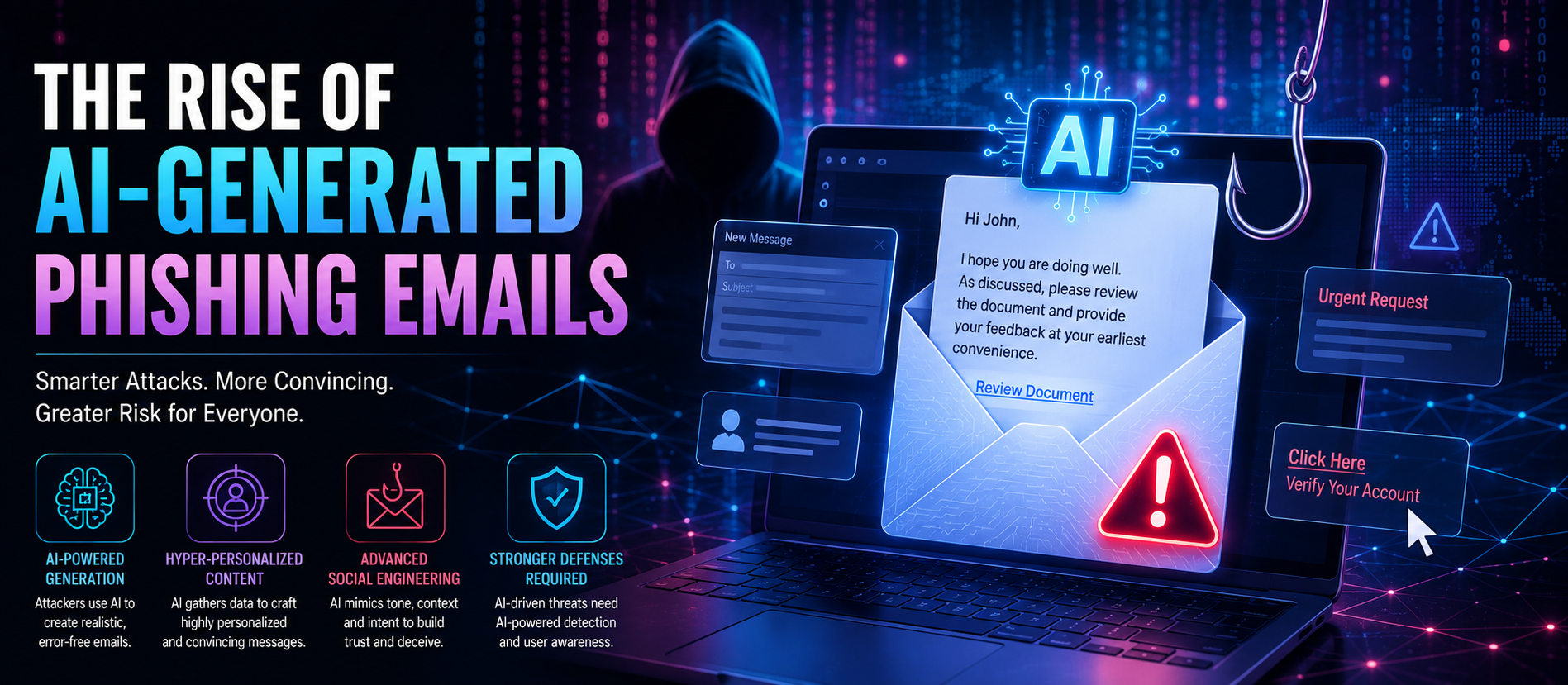
AI-generated scams, deepfake content, automated phishing campaigns, and sophisticated impersonation attacks are expected to increase, making cyber awareness even more important.
AEO & GEO Optimized FAQs
How do cyber criminals use social media?
They exploit trust through phishing, fake profiles, malware links, impersonation, and social engineering.
How can users protect themselves?
Use MFA, strong passwords, privacy controls, verify identities, and avoid suspicious links.
Why are businesses targeted?
Businesses possess valuable information and trusted brands that attackers try to exploit.
Conclusion
Understanding how cyber criminals misuse social media helps individuals and organizations reduce risk. Combining security awareness, strong authentication, cautious online behavior, and continuous monitoring creates a safer digital environment.
For more expert insights on Cyber Security, SEO, AEO, GEO, and AI Search Optimization, visit Digiifrog at www.digiifrog.com.
Ready to Grow?
Talk to us about a strategy tailored to your brand — we will help you stand out in search, AI discovery and social.
Comments (0)
Log in to leave a comment.