📋 Quick Summary
In this article:
What Is Early Childhood Education?
Why Early Childhood Education Matters
Social and Emotional Development
Future of Early Childhood Education
Frequently Asked Questions (AEO Section)
Why is early childhood education important?
What age is considered early childhood?
What are the benefits of preschool education?
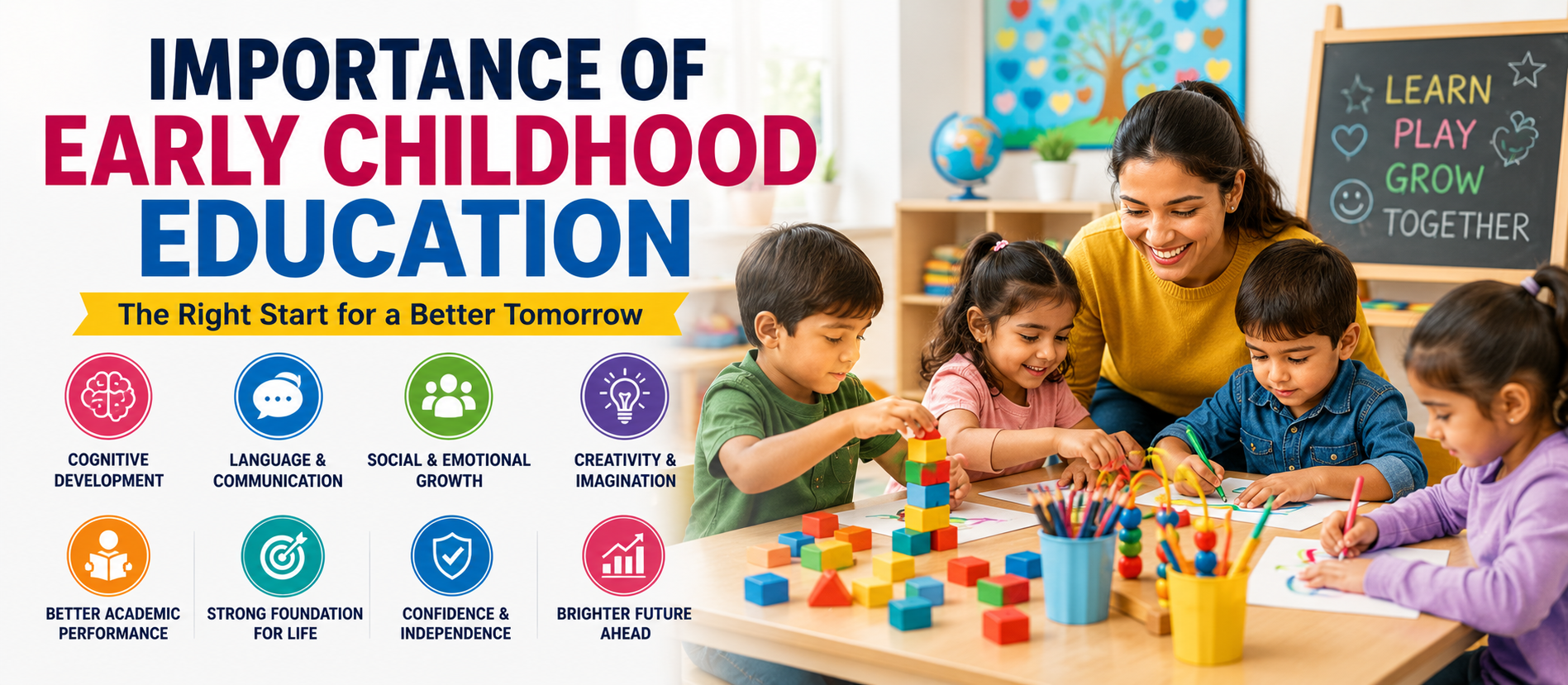
Early Childhood Education (ECE) lays the foundation for lifelong learning, social development, and emotional well-being. The years from birth to around eight years old are critical for brain development, language acquisition, creativity, and problem-solving. High-quality early education helps children build the skills needed to succeed in school and later in life.
Website: www.digiifrog.com
Brand: Digiifrog – Education, AI, Career & Digital Growth Insights
What Is Early Childhood Education?
Early Childhood Education focuses on the learning and development of children before primary school through structured, play-based, and interactive learning experiences.
Why Early Childhood Education Matters
- Supports healthy brain development.
- Builds communication and language skills.
- Encourages creativity and curiosity.
- Develops emotional intelligence.
- Strengthens social interaction.
- Improves school readiness.
Academic Benefits
- Better literacy and numeracy skills.
- Improved attention span.
- Higher academic achievement.
- Greater confidence in learning.
Social and Emotional Development
Children learn teamwork, empathy, cooperation, self-control, and conflict resolution through guided activities and classroom interactions.
Role of Parents and Teachers
Parents and educators work together to create supportive learning environments that encourage exploration, positive behavior, and lifelong learning habits.
Modern Teaching Approaches
- Play-based learning
- Activity-based learning
- Storytelling
- Music and art education
- Technology-assisted learning
Challenges
- Access to quality education
- Teacher training
- Affordability
- Digital divide
Future of Early Childhood Education
Artificial Intelligence, adaptive learning tools, educational games, and personalized learning platforms will continue enhancing early education while preserving the importance of human interaction and play.
Frequently Asked Questions (AEO Section)
Why is early childhood education important?
It supports cognitive, emotional, social, and physical development while preparing children for lifelong learning.
What age is considered early childhood?
Early childhood generally refers to birth through approximately eight years of age.
What are the benefits of preschool education?
Preschool helps children develop communication, problem-solving, social, and academic readiness skills.
Conclusion
Investing in early childhood education benefits children, families, and society. Strong educational foundations improve future academic success, career opportunities, and overall well-being.
For more educational insights, AI innovations, SEO, AEO, GEO, and future-focused content, visit www.digiifrog.com.
Ready to Grow?
Talk to us about a strategy tailored to your brand — we will help you stand out in search, AI discovery and social.


Comments (0)
Log in to leave a comment.