
📋 Quick Summary
In this article:
What Is Industrial Real Estate?
Why Industrial Real Estate Is Growing
E-Commerce Continues Driving Warehouse Demand
The Rise of Last-Mile Logistics Facilities
Supply Chain Resilience Is Reshaping Demand
Nearshoring and Reshoring Manufacturing
Automation Is Transforming Industrial Buildings
Artificial Intelligence and Smart Warehouses
Cold Storage Demand Is Expanding
Data Centers Are Becoming Important Industrial Assets
Urban Industrial Properties Remain Valuable
Multistory Warehouses Are Emerging
💡 Key Insight
Industrial real estate has become one of the most important sectors of the global property market. The rapid expansion of e-commerce, logistics networks, advanced manufacturing, data-driven supply chains, cloud infrastructure, and last-mile delivery services has increased demand for warehouses, distribution centers, logistics hubs, cold storage facilities, manufacturing properties, and specialized industrial assets.
This comprehensive guide examines the major industrial real estate growth trends shaping the market, the opportunities and risks for investors and developers, and the strategies property professionals can use to remain competitive. The article is structured for WordPress publishing and incorporates SEO, AEO, GEO, and AI Search optimization principles for improved visibility across traditional search engines and AI-powered discovery platforms.
What Is Industrial Real Estate?
Industrial real estate includes properties used for manufacturing, storage, distribution, research, logistics, assembly, data processing, and other business operations. These assets are essential to modern commerce because they connect producers, suppliers, retailers, and consumers.
- Warehouses
- Distribution centers
- Manufacturing facilities
- Logistics hubs
- Cold storage facilities
- Data centers
- Flex industrial spaces
- Research and development facilities
- Last-mile delivery centers
Why Industrial Real Estate Is Growing
Several structural changes are driving long-term demand for industrial property. Online shopping requires extensive fulfillment infrastructure, manufacturers are reconsidering global supply chains, businesses need modern warehouses, and consumers expect faster delivery.
Industrial real estate is also benefiting from technology investment, automation, artificial intelligence, renewable energy adoption, and the expansion of data-intensive industries.
E-Commerce Continues Driving Warehouse Demand
E-commerce remains one of the strongest demand drivers in industrial real estate. Online retailers need strategically located warehouses and fulfillment centers to store inventory, process orders, and deliver products quickly.
As consumers expect faster shipping, companies require larger and more sophisticated logistics networks. This creates demand for properties near population centers, transportation corridors, ports, airports, and major highways.
The Rise of Last-Mile Logistics Facilities
Last-mile delivery is the final stage of the distribution process, where products move from local facilities to customers. This stage is often expensive and operationally complex.
Industrial properties located close to dense residential and commercial markets can help companies reduce delivery times and transportation costs. As same-day and next-day delivery expectations grow, strategically located last-mile facilities are becoming increasingly valuable.
Supply Chain Resilience Is Reshaping Demand
Recent disruptions have encouraged companies to strengthen supply chains and maintain larger inventory reserves. Businesses increasingly seek additional warehouse capacity, diversified distribution networks, and facilities closer to customers.
This shift from extremely lean inventory systems toward more resilient supply chain strategies can support demand for industrial space over the long term.
Nearshoring and Reshoring Manufacturing
Companies are reassessing where products are manufactured. Nearshoring moves production closer to major consumer markets, while reshoring returns manufacturing operations to domestic locations.
These strategies can create demand for manufacturing facilities, supplier parks, logistics properties, and distribution centers in regions with skilled labor, infrastructure, reliable energy, and supportive government policies.
Automation Is Transforming Industrial Buildings
Modern warehouses increasingly use robotics, automated storage and retrieval systems, artificial intelligence, sensors, and advanced inventory management technologies.
Properties designed for automation may require higher ceilings, stronger floors, greater power capacity, improved connectivity, and flexible layouts. Older buildings that cannot support modern logistics technologies may require significant upgrades.
Artificial Intelligence and Smart Warehouses
AI-powered systems are improving demand forecasting, inventory management, route optimization, equipment maintenance, security, and energy efficiency.
Smart industrial buildings can collect operational data and use predictive analytics to improve performance. Investors and developers increasingly evaluate digital infrastructure when assessing industrial property opportunities.
Cold Storage Demand Is Expanding
Cold storage facilities support food distribution, pharmaceuticals, biotechnology, grocery delivery, and temperature-sensitive products.
These specialized properties require advanced refrigeration systems, reliable power supplies, strict operating standards, and experienced management. Limited supply and high construction costs can create opportunities for investors who understand the sector.
Data Centers Are Becoming Important Industrial Assets
The expansion of cloud computing, streaming, artificial intelligence, digital services, and connected devices is increasing demand for data center capacity.
Data centers require substantial electricity, cooling infrastructure, fiber connectivity, security, and suitable locations. Power availability is becoming one of the most important factors affecting future data center development.
Urban Industrial Properties Remain Valuable
Industrial land near major cities is often limited because of residential development, zoning restrictions, and competition from other property uses.
Well-located urban warehouses and logistics facilities can benefit from strong tenant demand because they provide access to large consumer populations and transportation networks.
Multistory Warehouses Are Emerging
In land-constrained markets, developers are experimenting with multistory industrial facilities. These properties allow businesses to operate closer to consumers while using expensive urban land more efficiently.
Successful multistory warehouses require careful planning for truck access, loading systems, vertical transportation, and operational efficiency.
Industrial Outdoor Storage Is Attracting Investors
Industrial outdoor storage properties provide space for construction materials, vehicles, equipment, containers, and other business assets.
Limited zoning availability and growing demand from logistics, infrastructure, construction, and service businesses have increased investor interest in this specialized property segment.
Flex Industrial Space Supports Growing Businesses
Flex industrial properties combine warehouse, office, showroom, research, and light manufacturing space.
These buildings appeal to small and medium-sized businesses that need adaptable properties capable of supporting multiple operational functions.
Sustainability Is Reshaping Industrial Development
Environmental performance is becoming increasingly important for industrial tenants, investors, lenders, and governments.
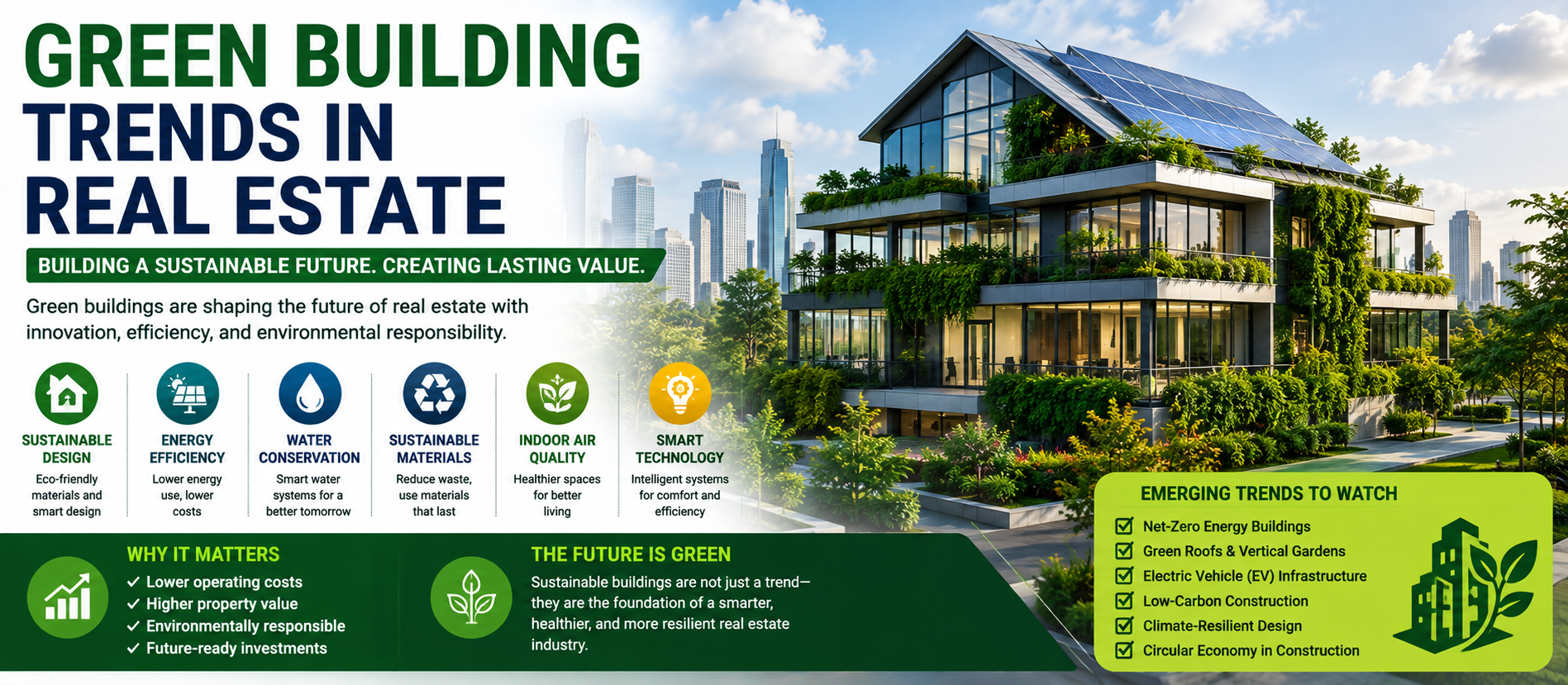
Modern industrial projects may incorporate solar panels, energy-efficient lighting, smart building systems, water conservation, electric vehicle charging infrastructure, sustainable materials, and green building certifications.
Solar Energy and Large Industrial Roofs
Warehouses and distribution centers often have large roof areas suitable for solar installations. Renewable energy systems may reduce electricity expenses, support corporate sustainability goals, and create additional value for property owners.
Electric Vehicle Infrastructure Creates New Demand
The expansion of electric delivery fleets, commercial vehicles, and transportation networks is increasing demand for charging infrastructure.
Industrial properties with sufficient electrical capacity and strategically planned charging systems may become more attractive to logistics companies and transportation operators.
Location Remains a Critical Investment Factor
Successful industrial real estate investing depends heavily on location. Investors should evaluate access to highways, ports, airports, rail networks, population centers, labor markets, suppliers, customers, utilities, and future infrastructure projects.
Properties located within established logistics corridors may benefit from stronger tenant demand and long-term appreciation potential.
Rental Growth and Lease Structures
Industrial properties often use longer lease agreements than many residential investments. Depending on the market and lease structure, tenants may be responsible for taxes, insurance, maintenance, and other operating costs.
Investors should analyze rental growth potential, lease expiration schedules, tenant credit quality, renewal probabilities, and future supply before purchasing industrial assets.
Institutional Investment in Industrial Real Estate
Pension funds, insurance companies, private equity firms, real estate investment trusts, sovereign wealth funds, and other institutional investors have increased their exposure to industrial property.
Institutional interest reflects the sector's potential for recurring income, long-term demand, portfolio diversification, and exposure to logistics and digital economy growth.
Opportunities for Smaller Investors
Industrial investing is not limited to large institutions. Smaller investors may participate through small warehouses, flex properties, light industrial facilities, industrial condominiums, partnerships, syndications, and publicly traded real estate investment trusts.
Investors should choose strategies that match their available capital, experience, risk tolerance, and management capabilities.
Risks in Industrial Real Estate Investing
- Economic slowdowns
- Tenant concentration
- Interest rate volatility
- Environmental contamination
- Technology obsolescence
- High development costs
- Zoning restrictions
- Infrastructure limitations
- Oversupply in specific markets
Thorough due diligence and conservative financial analysis can help investors manage these risks.
How to Analyze an Industrial Property
Investors should evaluate property location, building condition, tenant quality, lease terms, market rents, vacancy rates, operating expenses, capital expenditure requirements, environmental conditions, utility capacity, transportation access, and competing supply.
Financial analysis should include net operating income, capitalization rate, debt service coverage, cash-on-cash return, potential appreciation, and downside scenarios.
The Future of Industrial Real Estate
Over the coming years, industrial real estate is expected to become increasingly technology-driven, energy-intensive, automated, and strategically connected to global and regional supply chains.
Artificial intelligence, robotics, smart buildings, sustainable construction, renewable energy, advanced manufacturing, cold-chain logistics, and data infrastructure are likely to create new opportunities while changing the requirements of successful industrial properties.
SEO Strategies for Industrial Real Estate Businesses
Industrial property companies can improve organic search visibility by publishing detailed market reports, location pages, property guides, investment analysis, logistics insights, warehouse leasing resources, and educational articles.
Effective SEO strategies include keyword research, strong page titles, internal linking, structured data, fast-loading pages, mobile optimization, original expertise, and location-specific content.
AEO for Industrial Real Estate Content
Answer Engine Optimization focuses on creating clear, direct answers to questions asked by investors, tenants, developers, and businesses.
FAQ sections, concise definitions, comparison tables, structured headings, and well-organized explanations can improve the chances of content being selected for featured snippets and answer-based search experiences.
GEO and Generative AI Discovery
Generative Engine Optimization helps businesses create authoritative, context-rich content that can be understood and referenced by AI-powered search systems.
Industrial real estate websites should publish original market analysis, transparent explanations, expert insights, location data, and comprehensive resources that demonstrate credibility and topical authority.
AI Search Optimization for Industrial Property Marketing
AI-powered search platforms increasingly influence how users research warehouses, logistics facilities, investment opportunities, and commercial property trends.
Content designed for AI Search Optimization should answer specific questions, use clear structure, include meaningful context, maintain factual accuracy, and provide genuinely useful information rather than relying on keyword repetition.
Frequently Asked Questions
Why is industrial real estate growing?
Industrial real estate growth is supported by e-commerce, logistics expansion, supply chain restructuring, manufacturing investment, cloud computing, AI infrastructure, and demand for specialized facilities.
What types of industrial properties are in demand?
Warehouses, distribution centers, last-mile facilities, cold storage properties, data centers, flex industrial buildings, and modern manufacturing facilities are among the important segments.
Is industrial real estate a good investment?
Industrial property can offer recurring rental income, long leases, diversification, and appreciation potential, but investment performance depends on location, tenant quality, property condition, financing, market supply, and economic conditions.
How is AI changing industrial real estate?
AI is improving warehouse automation, demand forecasting, predictive maintenance, energy management, market analysis, tenant services, and investment decision-making.
Will sustainability affect industrial property values?
Energy efficiency, renewable energy, EV infrastructure, green certifications, and smart building technologies may improve operating performance and marketability as tenants and investors place greater emphasis on sustainability.
Final Thoughts
Industrial real estate is evolving from a traditional property sector into a critical component of the modern digital economy. E-commerce, logistics, manufacturing, artificial intelligence, data centers, cold storage, automation, and sustainability are reshaping how industrial buildings are designed, financed, operated, and valued.
Investors and developers who understand these structural trends, conduct disciplined due diligence, select strong locations, and adapt properties to future tenant requirements may be well positioned to benefit from the sector's long-term opportunities.
For industrial real estate companies, brokers, investors, developers, and property service providers, digital visibility is also becoming essential. Publishing authoritative content optimized for SEO, AEO, GEO, and AI Search can help businesses reach decision-makers across Google, Bing, AI assistants, and emerging discovery platforms.
Digiifrog helps real estate professionals, industrial property businesses, developers, investors, and agencies grow through advanced SEO, AEO, GEO, AI Search optimization, content marketing, and digital marketing strategies.
Website: www.digiifrog.com
Ready to Grow?
Talk to us about a strategy tailored to your brand — we will help you stand out in search, AI discovery and social.

Comments (0)
Log in to leave a comment.