📋 Quick Summary
In this article:
Self-Awareness
Decision-Making
Problem-Solving
Meta Title: Leadership Skills Every Student Should Learn | Future-Ready Student Guide
💡 Key Insight
Meta Description: Discover the essential leadership skills every student should develop, including communication, teamwork, emotional intelligence, decision-making, adaptability, and responsible AI literacy.
Website: www.digiifrog.com
Brand: Digiifrog – Education, AI, Career & Digital Growth Insights
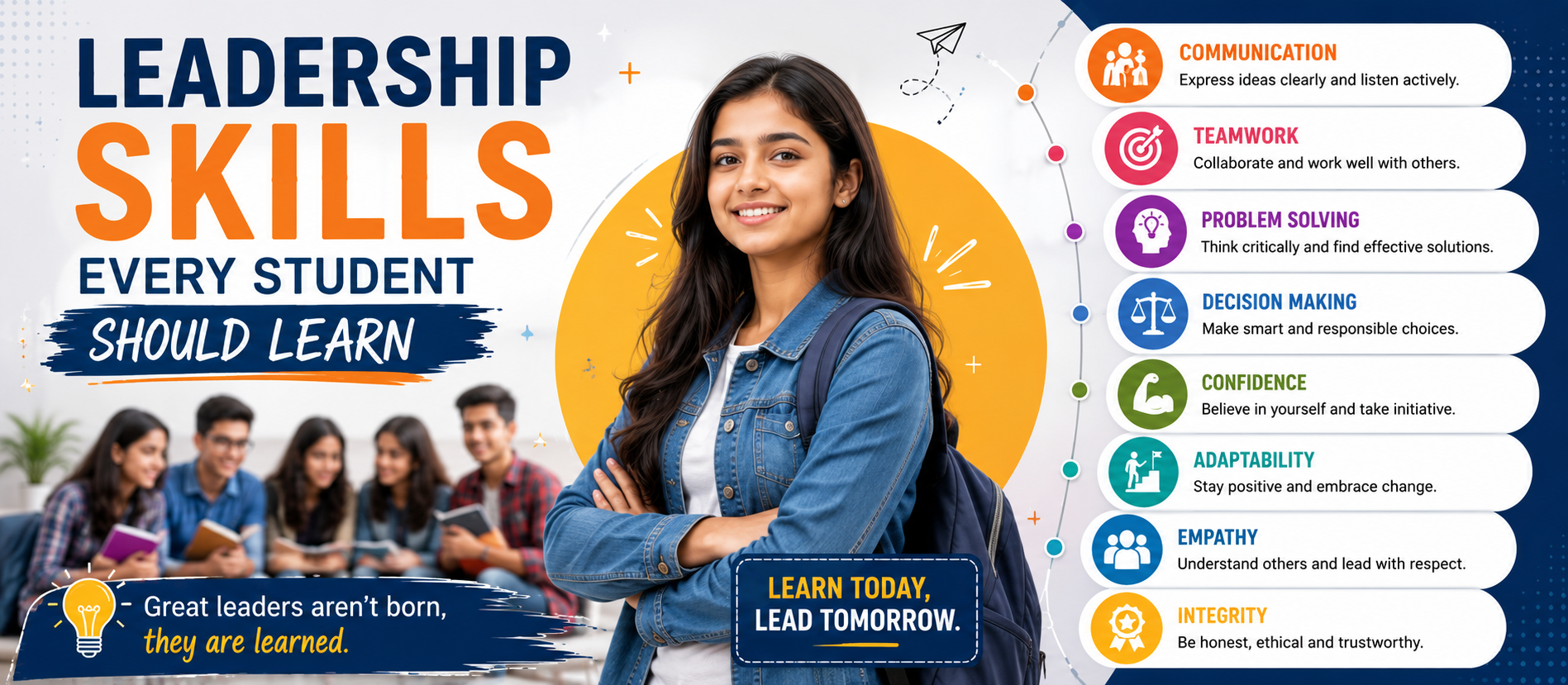
Leadership is no longer reserved for managers, politicians, or business executives. In today's rapidly changing world, every student benefits from developing leadership skills that strengthen academic performance, career readiness, collaboration, confidence, and personal growth. Whether leading a classroom project, participating in student organizations, volunteering, launching a startup, or preparing for future employment, leadership abilities help students create positive influence and solve real-world problems.
This comprehensive guide explains the leadership skills every student should learn, practical ways to develop them, the role of technology and AI, and why leadership remains one of the most valuable lifelong competencies. The article is optimized for SEO, AEO, GEO, and AI Search visibility and is presented by Digiifrog.
Self-Awareness
Understanding strengths, weaknesses, values, and goals helps students make better decisions and grow continuously.
- Why it matters
- How students can practice it
- Benefits for academic success
- Career relevance
Communication
Clear speaking, writing, listening, and presentation skills help leaders build trust and share ideas effectively.
- Why it matters
- How students can practice it
- Benefits for academic success
- Career relevance
Active Listening
Strong leaders listen carefully, ask thoughtful questions, and respect different viewpoints before making decisions.
- Why it matters
- How students can practice it
- Benefits for academic success
- Career relevance
Teamwork and Collaboration
Leadership often means helping teams succeed by encouraging participation, cooperation, and shared responsibility.
- Why it matters
- How students can practice it
- Benefits for academic success
- Career relevance
Critical Thinking
Students should evaluate evidence, question assumptions, and analyze problems before choosing solutions.
- Why it matters
- How students can practice it
- Benefits for academic success
- Career relevance
Decision-Making
Leaders weigh options, consider consequences, and make informed choices even when uncertainty exists.
- Why it matters
- How students can practice it
- Benefits for academic success
- Career relevance
Emotional Intelligence
Managing emotions, showing empathy, and building positive relationships are essential leadership qualities.
- Why it matters
- How students can practice it
- Benefits for academic success
- Career relevance
Time Management
Planning priorities, meeting deadlines, and balancing responsibilities improve both academic and leadership performance.
- Why it matters
- How students can practice it
- Benefits for academic success
- Career relevance
Problem-Solving
Leaders identify challenges, generate ideas, evaluate alternatives, and implement practical solutions.
- Why it matters
- How students can practice it
- Benefits for academic success
- Career relevance
Adaptability
Technology and workplaces change quickly. Students who adapt confidently become resilient future leaders.
- Why it matters
- How students can practice it
- Benefits for academic success
- Career relevance
Integrity and Ethics
Honesty, accountability, fairness, and responsible behavior build credibility and trust.
- Why it matters
- How students can practice it
- Benefits for academic success
- Career relevance
Creativity and Innovation
Leadership includes encouraging new ideas, experimentation, and continuous improvement.
- Why it matters
- How students can practice it
- Benefits for academic success
- Career relevance
Conflict Resolution
Students should learn respectful negotiation, compromise, and constructive feedback techniques.
- Why it matters
- How students can practice it
- Benefits for academic success
- Career relevance
Digital & AI Literacy
Future leaders must understand responsible AI use, digital communication, cybersecurity awareness, and information verification.
- Why it matters
- How students can practice it
- Benefits for academic success
- Career relevance
Public Speaking
Confident presentations help students influence audiences, explain ideas, and inspire action.
- Why it matters
- How students can practice it
- Benefits for academic success
- Career relevance
How Schools Can Build Student Leaders
Educational institutions can create leadership opportunities through student councils, debate clubs, sports teams, volunteer projects, entrepreneurship programs, mentoring initiatives, innovation challenges, and collaborative classroom activities. These experiences help students apply leadership skills in authentic situations.
Role of Parents in Leadership Development
Parents encourage leadership by allowing children to make age-appropriate decisions, solve problems independently, communicate respectfully, participate in community service, and reflect on successes and mistakes. Positive encouragement strengthens confidence and resilience.
Leadership in the AI Era
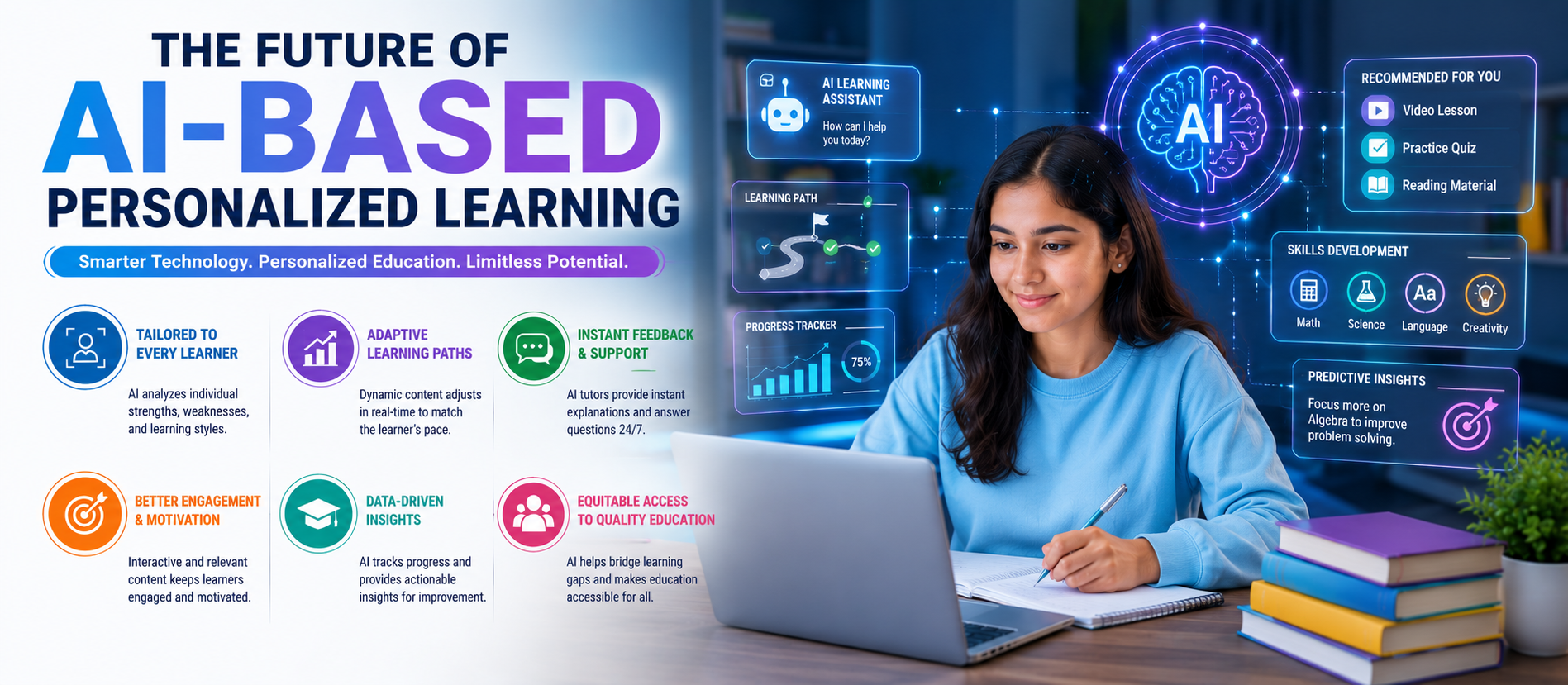
Artificial intelligence is transforming education and employment. Future leaders will need ethical judgment, creativity, communication, empathy, digital literacy, and the ability to work effectively with AI tools rather than relying on them blindly. Responsible technology use and critical evaluation remain essential.
Practical Daily Habits
- Set meaningful goals.
- Volunteer for responsibilities.
- Practice public speaking.
- Read regularly.
- Accept constructive feedback.
- Reflect on decisions.
- Help classmates succeed.
- Continue lifelong learning.
Leadership Challenges Students May Face
Fear of failure, limited confidence, communication difficulties, time pressure, and conflict are common challenges. Students overcome these barriers through practice, mentoring, reflection, and gradual exposure to leadership opportunities.
How Schools Can Build Student Leaders
Educational institutions can create leadership opportunities through student councils, debate clubs, sports teams, volunteer projects, entrepreneurship programs, mentoring initiatives, innovation challenges, and collaborative classroom activities. These experiences help students apply leadership skills in authentic situations.
Role of Parents in Leadership Development
Parents encourage leadership by allowing children to make age-appropriate decisions, solve problems independently, communicate respectfully, participate in community service, and reflect on successes and mistakes. Positive encouragement strengthens confidence and resilience.
Leadership in the AI Era
Artificial intelligence is transforming education and employment. Future leaders will need ethical judgment, creativity, communication, empathy, digital literacy, and the ability to work effectively with AI tools rather than relying on them blindly. Responsible technology use and critical evaluation remain essential.
Practical Daily Habits
- Set meaningful goals.
- Volunteer for responsibilities.
- Practice public speaking.
- Read regularly.
- Accept constructive feedback.
- Reflect on decisions.
- Help classmates succeed.
- Continue lifelong learning.
Leadership Challenges Students May Face
Fear of failure, limited confidence, communication difficulties, time pressure, and conflict are common challenges. Students overcome these barriers through practice, mentoring, reflection, and gradual exposure to leadership opportunities.
How Schools Can Build Student Leaders
Educational institutions can create leadership opportunities through student councils, debate clubs, sports teams, volunteer projects, entrepreneurship programs, mentoring initiatives, innovation challenges, and collaborative classroom activities. These experiences help students apply leadership skills in authentic situations.
Role of Parents in Leadership Development
Parents encourage leadership by allowing children to make age-appropriate decisions, solve problems independently, communicate respectfully, participate in community service, and reflect on successes and mistakes. Positive encouragement strengthens confidence and resilience.
Leadership in the AI Era
Artificial intelligence is transforming education and employment. Future leaders will need ethical judgment, creativity, communication, empathy, digital literacy, and the ability to work effectively with AI tools rather than relying on them blindly. Responsible technology use and critical evaluation remain essential.
Practical Daily Habits
- Set meaningful goals.
- Volunteer for responsibilities.
- Practice public speaking.
- Read regularly.
- Accept constructive feedback.
- Reflect on decisions.
- Help classmates succeed.
- Continue lifelong learning.
Leadership Challenges Students May Face
Fear of failure, limited confidence, communication difficulties, time pressure, and conflict are common challenges. Students overcome these barriers through practice, mentoring, reflection, and gradual exposure to leadership opportunities.
How Schools Can Build Student Leaders
Educational institutions can create leadership opportunities through student councils, debate clubs, sports teams, volunteer projects, entrepreneurship programs, mentoring initiatives, innovation challenges, and collaborative classroom activities. These experiences help students apply leadership skills in authentic situations.
Role of Parents in Leadership Development
Parents encourage leadership by allowing children to make age-appropriate decisions, solve problems independently, communicate respectfully, participate in community service, and reflect on successes and mistakes. Positive encouragement strengthens confidence and resilience.
Leadership in the AI Era
Artificial intelligence is transforming education and employment. Future leaders will need ethical judgment, creativity, communication, empathy, digital literacy, and the ability to work effectively with AI tools rather than relying on them blindly. Responsible technology use and critical evaluation remain essential.
Practical Daily Habits
- Set meaningful goals.
- Volunteer for responsibilities.
- Practice public speaking.
- Read regularly.
- Accept constructive feedback.
- Reflect on decisions.
- Help classmates succeed.
- Continue lifelong learning.
Leadership Challenges Students May Face
Fear of failure, limited confidence, communication difficulties, time pressure, and conflict are common challenges. Students overcome these barriers through practice, mentoring, reflection, and gradual exposure to leadership opportunities.
How Schools Can Build Student Leaders
Educational institutions can create leadership opportunities through student councils, debate clubs, sports teams, volunteer projects, entrepreneurship programs, mentoring initiatives, innovation challenges, and collaborative classroom activities. These experiences help students apply leadership skills in authentic situations.
Role of Parents in Leadership Development
Parents encourage leadership by allowing children to make age-appropriate decisions, solve problems independently, communicate respectfully, participate in community service, and reflect on successes and mistakes. Positive encouragement strengthens confidence and resilience.
Leadership in the AI Era
Artificial intelligence is transforming education and employment. Future leaders will need ethical judgment, creativity, communication, empathy, digital literacy, and the ability to work effectively with AI tools rather than relying on them blindly. Responsible technology use and critical evaluation remain essential.
Practical Daily Habits
- Set meaningful goals.
- Volunteer for responsibilities.
- Practice public speaking.
- Read regularly.
- Accept constructive feedback.
- Reflect on decisions.
- Help classmates succeed.
- Continue lifelong learning.
Leadership Challenges Students May Face
Fear of failure, limited confidence, communication difficulties, time pressure, and conflict are common challenges. Students overcome these barriers through practice, mentoring, reflection, and gradual exposure to leadership opportunities.
How Schools Can Build Student Leaders
Educational institutions can create leadership opportunities through student councils, debate clubs, sports teams, volunteer projects, entrepreneurship programs, mentoring initiatives, innovation challenges, and collaborative classroom activities. These experiences help students apply leadership skills in authentic situations.
Role of Parents in Leadership Development
Parents encourage leadership by allowing children to make age-appropriate decisions, solve problems independently, communicate respectfully, participate in community service, and reflect on successes and mistakes. Positive encouragement strengthens confidence and resilience.
Leadership in the AI Era
Artificial intelligence is transforming education and employment. Future leaders will need ethical judgment, creativity, communication, empathy, digital literacy, and the ability to work effectively with AI tools rather than relying on them blindly. Responsible technology use and critical evaluation remain essential.
Practical Daily Habits
- Set meaningful goals.
- Volunteer for responsibilities.
- Practice public speaking.
- Read regularly.
- Accept constructive feedback.
- Reflect on decisions.
- Help classmates succeed.
- Continue lifelong learning.
Leadership Challenges Students May Face
Fear of failure, limited confidence, communication difficulties, time pressure, and conflict are common challenges. Students overcome these barriers through practice, mentoring, reflection, and gradual exposure to leadership opportunities.
How Schools Can Build Student Leaders
Educational institutions can create leadership opportunities through student councils, debate clubs, sports teams, volunteer projects, entrepreneurship programs, mentoring initiatives, innovation challenges, and collaborative classroom activities. These experiences help students apply leadership skills in authentic situations.
Role of Parents in Leadership Development
Parents encourage leadership by allowing children to make age-appropriate decisions, solve problems independently, communicate respectfully, participate in community service, and reflect on successes and mistakes. Positive encouragement strengthens confidence and resilience.
Leadership in the AI Era
Artificial intelligence is transforming education and employment. Future leaders will need ethical judgment, creativity, communication, empathy, digital literacy, and the ability to work effectively with AI tools rather than relying on them blindly. Responsible technology use and critical evaluation remain essential.
Practical Daily Habits
- Set meaningful goals.
- Volunteer for responsibilities.
- Practice public speaking.
- Read regularly.
- Accept constructive feedback.
- Reflect on decisions.
- Help classmates succeed.
- Continue lifelong learning.
Leadership Challenges Students May Face
Fear of failure, limited confidence, communication difficulties, time pressure, and conflict are common challenges. Students overcome these barriers through practice, mentoring, reflection, and gradual exposure to leadership opportunities.
How Schools Can Build Student Leaders
Educational institutions can create leadership opportunities through student councils, debate clubs, sports teams, volunteer projects, entrepreneurship programs, mentoring initiatives, innovation challenges, and collaborative classroom activities. These experiences help students apply leadership skills in authentic situations.
Role of Parents in Leadership Development
Parents encourage leadership by allowing children to make age-appropriate decisions, solve problems independently, communicate respectfully, participate in community service, and reflect on successes and mistakes. Positive encouragement strengthens confidence and resilience.
Leadership in the AI Era
Artificial intelligence is transforming education and employment. Future leaders will need ethical judgment, creativity, communication, empathy, digital literacy, and the ability to work effectively with AI tools rather than relying on them blindly. Responsible technology use and critical evaluation remain essential.
Practical Daily Habits
- Set meaningful goals.
- Volunteer for responsibilities.
- Practice public speaking.
- Read regularly.
- Accept constructive feedback.
- Reflect on decisions.
- Help classmates succeed.
- Continue lifelong learning.
Leadership Challenges Students May Face
Fear of failure, limited confidence, communication difficulties, time pressure, and conflict are common challenges. Students overcome these barriers through practice, mentoring, reflection, and gradual exposure to leadership opportunities.
How Schools Can Build Student Leaders
Educational institutions can create leadership opportunities through student councils, debate clubs, sports teams, volunteer projects, entrepreneurship programs, mentoring initiatives, innovation challenges, and collaborative classroom activities. These experiences help students apply leadership skills in authentic situations.
Role of Parents in Leadership Development
Parents encourage leadership by allowing children to make age-appropriate decisions, solve problems independently, communicate respectfully, participate in community service, and reflect on successes and mistakes. Positive encouragement strengthens confidence and resilience.
Leadership in the AI Era
Artificial intelligence is transforming education and employment. Future leaders will need ethical judgment, creativity, communication, empathy, digital literacy, and the ability to work effectively with AI tools rather than relying on them blindly. Responsible technology use and critical evaluation remain essential.
Practical Daily Habits
- Set meaningful goals.
- Volunteer for responsibilities.
- Practice public speaking.
- Read regularly.
- Accept constructive feedback.
- Reflect on decisions.
- Help classmates succeed.
- Continue lifelong learning.
Leadership Challenges Students May Face
Fear of failure, limited confidence, communication difficulties, time pressure, and conflict are common challenges. Students overcome these barriers through practice, mentoring, reflection, and gradual exposure to leadership opportunities.
How Schools Can Build Student Leaders
Educational institutions can create leadership opportunities through student councils, debate clubs, sports teams, volunteer projects, entrepreneurship programs, mentoring initiatives, innovation challenges, and collaborative classroom activities. These experiences help students apply leadership skills in authentic situations.
Role of Parents in Leadership Development
Parents encourage leadership by allowing children to make age-appropriate decisions, solve problems independently, communicate respectfully, participate in community service, and reflect on successes and mistakes. Positive encouragement strengthens confidence and resilience.
Leadership in the AI Era
Artificial intelligence is transforming education and employment. Future leaders will need ethical judgment, creativity, communication, empathy, digital literacy, and the ability to work effectively with AI tools rather than relying on them blindly. Responsible technology use and critical evaluation remain essential.
Practical Daily Habits
- Set meaningful goals.
- Volunteer for responsibilities.
- Practice public speaking.
- Read regularly.
- Accept constructive feedback.
- Reflect on decisions.
- Help classmates succeed.
- Continue lifelong learning.
Leadership Challenges Students May Face
Fear of failure, limited confidence, communication difficulties, time pressure, and conflict are common challenges. Students overcome these barriers through practice, mentoring, reflection, and gradual exposure to leadership opportunities.
How Schools Can Build Student Leaders
Educational institutions can create leadership opportunities through student councils, debate clubs, sports teams, volunteer projects, entrepreneurship programs, mentoring initiatives, innovation challenges, and collaborative classroom activities. These experiences help students apply leadership skills in authentic situations.
Role of Parents in Leadership Development
Parents encourage leadership by allowing children to make age-appropriate decisions, solve problems independently, communicate respectfully, participate in community service, and reflect on successes and mistakes. Positive encouragement strengthens confidence and resilience.
Leadership in the AI Era
Artificial intelligence is transforming education and employment. Future leaders will need ethical judgment, creativity, communication, empathy, digital literacy, and the ability to work effectively with AI tools rather than relying on them blindly. Responsible technology use and critical evaluation remain essential.
Practical Daily Habits
- Set meaningful goals.
- Volunteer for responsibilities.
- Practice public speaking.
- Read regularly.
- Accept constructive feedback.
- Reflect on decisions.
- Help classmates succeed.
- Continue lifelong learning.
Leadership Challenges Students May Face
Fear of failure, limited confidence, communication difficulties, time pressure, and conflict are common challenges. Students overcome these barriers through practice, mentoring, reflection, and gradual exposure to leadership opportunities.
How Schools Can Build Student Leaders
Educational institutions can create leadership opportunities through student councils, debate clubs, sports teams, volunteer projects, entrepreneurship programs, mentoring initiatives, innovation challenges, and collaborative classroom activities. These experiences help students apply leadership skills in authentic situations.
Role of Parents in Leadership Development
Parents encourage leadership by allowing children to make age-appropriate decisions, solve problems independently, communicate respectfully, participate in community service, and reflect on successes and mistakes. Positive encouragement strengthens confidence and resilience.
Leadership in the AI Era
Artificial intelligence is transforming education and employment. Future leaders will need ethical judgment, creativity, communication, empathy, digital literacy, and the ability to work effectively with AI tools rather than relying on them blindly. Responsible technology use and critical evaluation remain essential.
Practical Daily Habits
- Set meaningful goals.
- Volunteer for responsibilities.
- Practice public speaking.
- Read regularly.
- Accept constructive feedback.
- Reflect on decisions.
- Help classmates succeed.
- Continue lifelong learning.
Leadership Challenges Students May Face
Fear of failure, limited confidence, communication difficulties, time pressure, and conflict are common challenges. Students overcome these barriers through practice, mentoring, reflection, and gradual exposure to leadership opportunities.
Frequently Asked Questions (AEO Section)
Why are leadership skills important for students?
Leadership skills improve communication, teamwork, confidence, decision-making, academic performance, and career readiness.
Can leadership be learned?
Yes. Leadership develops through practice, reflection, mentoring, teamwork, and real-life experiences.
What is the most important leadership skill?
There is no single most important skill, but communication, emotional intelligence, integrity, critical thinking, and adaptability are among the most valuable.
How does AI affect future leadership?
AI increases the importance of human skills such as ethical judgment, empathy, creativity, collaboration, and critical thinking.
GEO & AI Search Perspective
Modern educational content should answer common learner questions with clear structure, trustworthy information, and practical guidance so it performs well in both search engines and AI-powered search experiences.
Conclusion
Leadership is a lifelong journey that begins with everyday habits. Students who strengthen communication, emotional intelligence, teamwork, decision-making, integrity, adaptability, and responsible AI literacy will be better prepared for academic success and future careers.
For more educational insights, AI innovations, SEO, AEO, GEO, AI Search optimization, and future-focused learning resources, visit www.digiifrog.com.
Ready to Grow?
Talk to us about a strategy tailored to your brand — we will help you stand out in search, AI discovery and social.

Comments (0)
Log in to leave a comment.