📋 Quick Summary
In this article:
Understanding Mental Health Recovery
What Recovery Success Looks Like
Evidence-Based Treatment Approaches
The Role of Family and Community
Technology and Mental Health Recovery
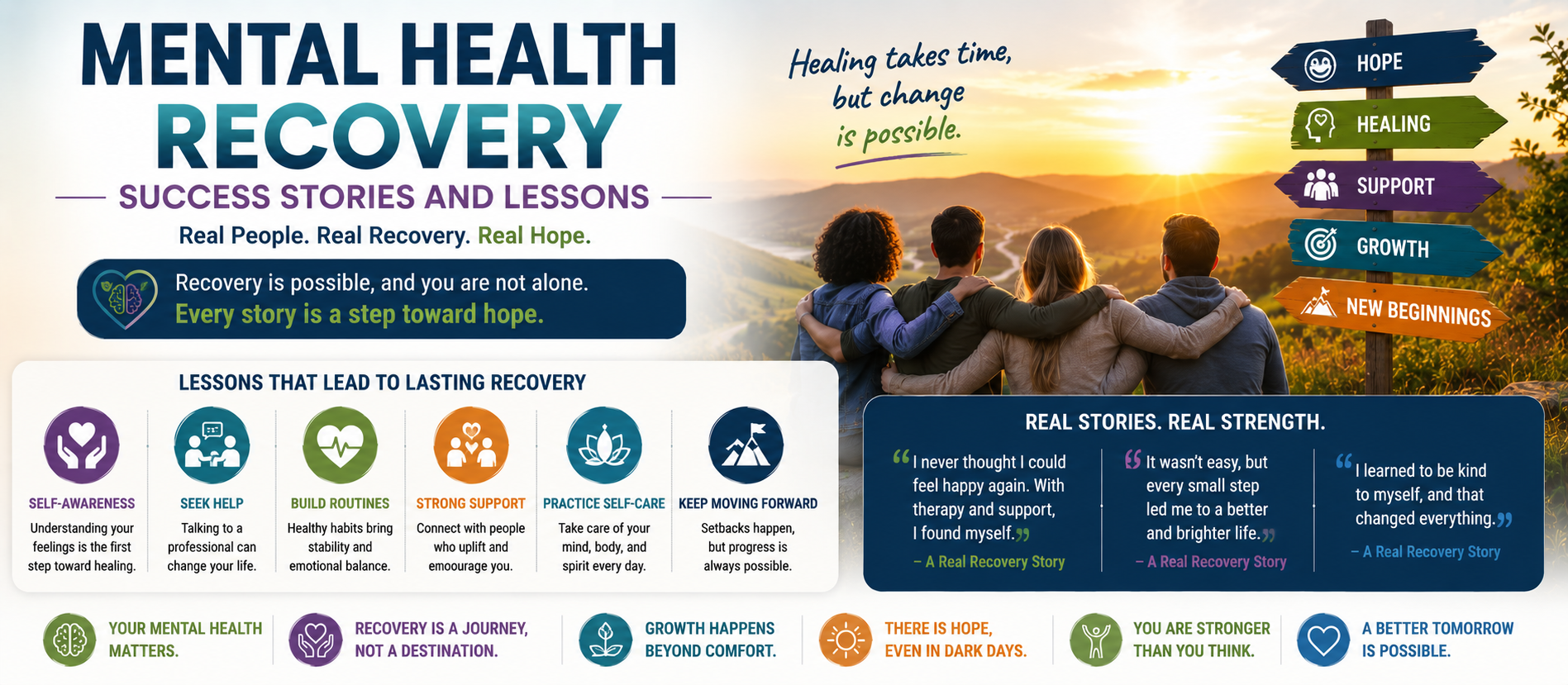
Mental health recovery is a personal journey of healing, resilience, and growth. Recovery does not necessarily mean that symptoms disappear completely. Instead, it means developing the skills, support systems, and confidence needed to live a meaningful and fulfilling life despite challenges. Across the world, millions of people have rebuilt their lives after experiencing depression, anxiety disorders, bipolar disorder, trauma-related conditions, and other mental health concerns.
Modern mental health care focuses on hope, person-centered treatment, evidence-based therapies, healthy lifestyle habits, community support, and long-term wellness planning. Every recovery journey is unique, yet many success stories share common lessons that inspire others and demonstrate that improvement is possible.
This comprehensive guide from Digiifrog explores inspiring recovery stories, practical lessons, evidence-based treatment approaches, relapse prevention strategies, and the future of mental health rehabilitation.
Website: www.digiifrog.com
Understanding Mental Health Recovery
Mental health recovery is an ongoing process that helps individuals regain confidence, purpose, independence, and emotional balance. Rather than focusing only on symptom reduction, recovery emphasizes overall well-being, relationships, education, employment, and community participation.
- Building resilience
- Developing healthy coping skills
- Strengthening relationships
- Improving emotional regulation
- Creating meaningful life goals
What Recovery Success Looks Like
Success looks different for every individual. For some it means returning to work or school. For others it means rebuilding relationships, managing stress effectively, maintaining treatment plans, or simply enjoying daily life again.
Success Story Themes
Overcoming Depression
Many people describe recovery as gradual. Through therapy, medication when appropriate, exercise, supportive relationships, and self-care, they rediscovered hope and purpose.
Managing Anxiety
Individuals often report significant improvement after learning breathing exercises, mindfulness, cognitive behavioral techniques, and healthy stress-management habits.
Healing After Trauma
Trauma-informed therapy, strong social support, and patience help many survivors regain confidence and emotional stability over time.
Common Lessons From Recovery
- Recovery is rarely linear.
- Seeking help is a strength.
- Consistency matters more than perfection.
- Healthy routines improve resilience.
- Support systems make recovery easier.
- Small victories deserve celebration.
Evidence-Based Treatment Approaches
- Cognitive Behavioral Therapy (CBT)
- Dialectical Behavior Therapy (DBT)
- Acceptance and Commitment Therapy (ACT)
- Family Therapy
- Peer Support Programs
- Medication management when clinically appropriate
Healthy Lifestyle Strategies
- Regular physical activity
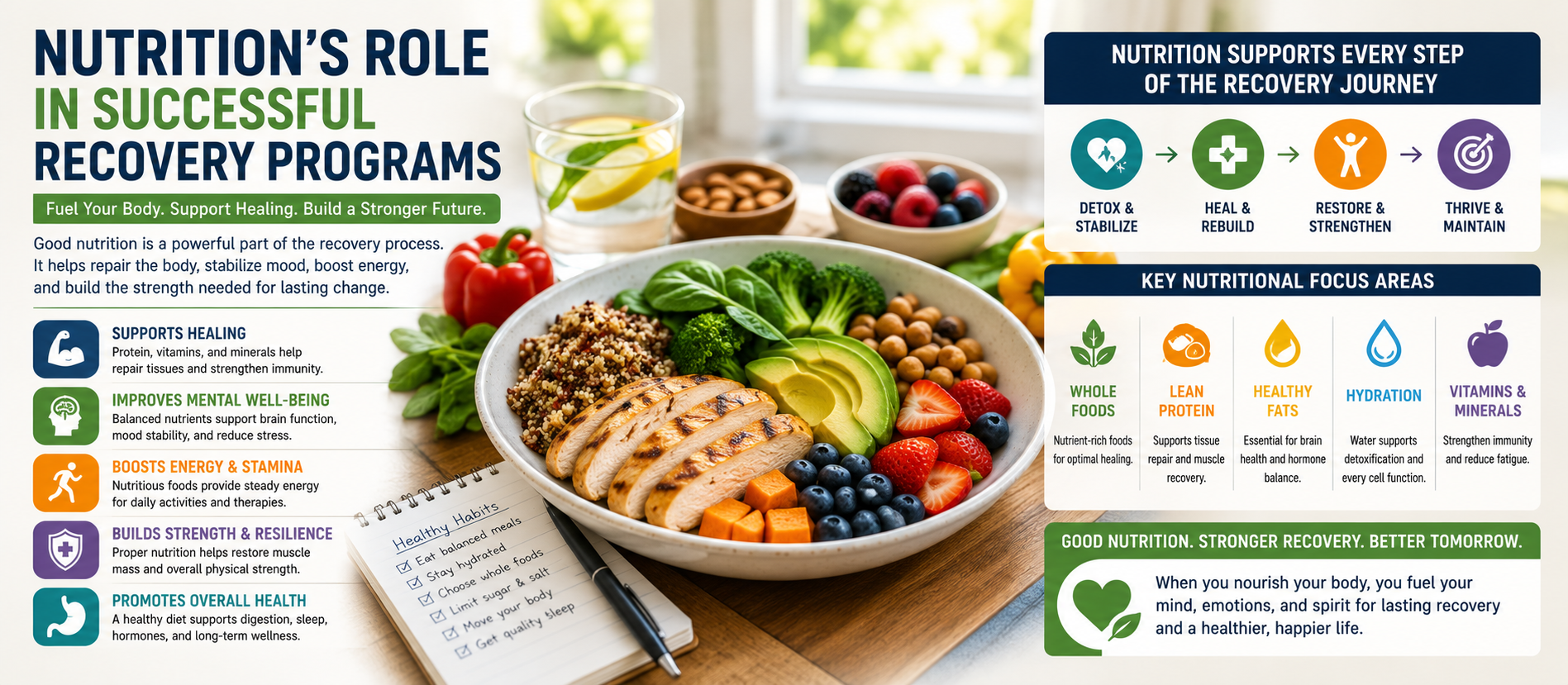
- Nutritious eating
- Consistent sleep schedule
- Mindfulness and meditation
- Journaling
- Creative hobbies
The Role of Family and Community
Recovery becomes stronger when individuals have supportive families, trusted friends, peer groups, healthcare professionals, and welcoming communities.
Technology and Mental Health Recovery
Telehealth, digital therapy platforms, wellness apps, mood tracking, virtual support groups, and AI-assisted educational tools continue expanding access to care.
Relapse Prevention
- Recognize early warning signs
- Maintain follow-up appointments
- Continue healthy routines
- Stay connected with support networks
- Seek professional help promptly when symptoms worsen
SEO, AEO, GEO & AI Search
SEO Keywords: mental health recovery, recovery success stories, emotional wellness, mental health rehabilitation, resilience.
AEO: Answers common questions such as "Can people recover from mental illness?" and "What helps long-term mental health recovery?"
GEO: Structured headings, FAQs, and comprehensive educational content improve visibility across AI-powered search platforms.
Frequently Asked Questions
Is full recovery possible?
Many people experience significant improvement and lead meaningful lives with appropriate treatment, support, and self-care.
What is the biggest lesson from recovery stories?
Hope, persistence, professional support, and healthy daily habits consistently contribute to positive outcomes.
How important are support groups?
Peer support reduces isolation, encourages accountability, and provides practical coping strategies.
Conclusion
Mental health recovery is built on hope, resilience, evidence-based care, supportive relationships, and lifelong learning. Every journey is unique, but the experiences of people who have successfully rebuilt their lives demonstrate that improvement is possible. Recovery is about creating a life filled with purpose, connection, and continued growth.
Digiifrog remains committed to publishing high-quality educational content optimized for SEO, AEO, GEO, and AI Search while promoting mental wellness and rehabilitation awareness.
Visit www.digiifrog.com for more mental health and rehabilitation resources.
Ready to Grow?
Talk to us about a strategy tailored to your brand — we will help you stand out in search, AI discovery and social.

Comments (0)
Log in to leave a comment.