📋 Quick Summary
In this article:
The Growth of Online Shopping and Consumer Risks
Understanding Consumer Rights in Online Shopping
Common Online Shopping Disputes
1. Product Not Delivered
2. Defective or Damaged Products
3. Counterfeit Goods
4. Refund and Return Disputes
5. Unauthorized Charges and Payment Fraud
6. Misleading Advertising Claims
Legal Solutions for Online Shopping Disputes
Use Marketplace Resolution Programs
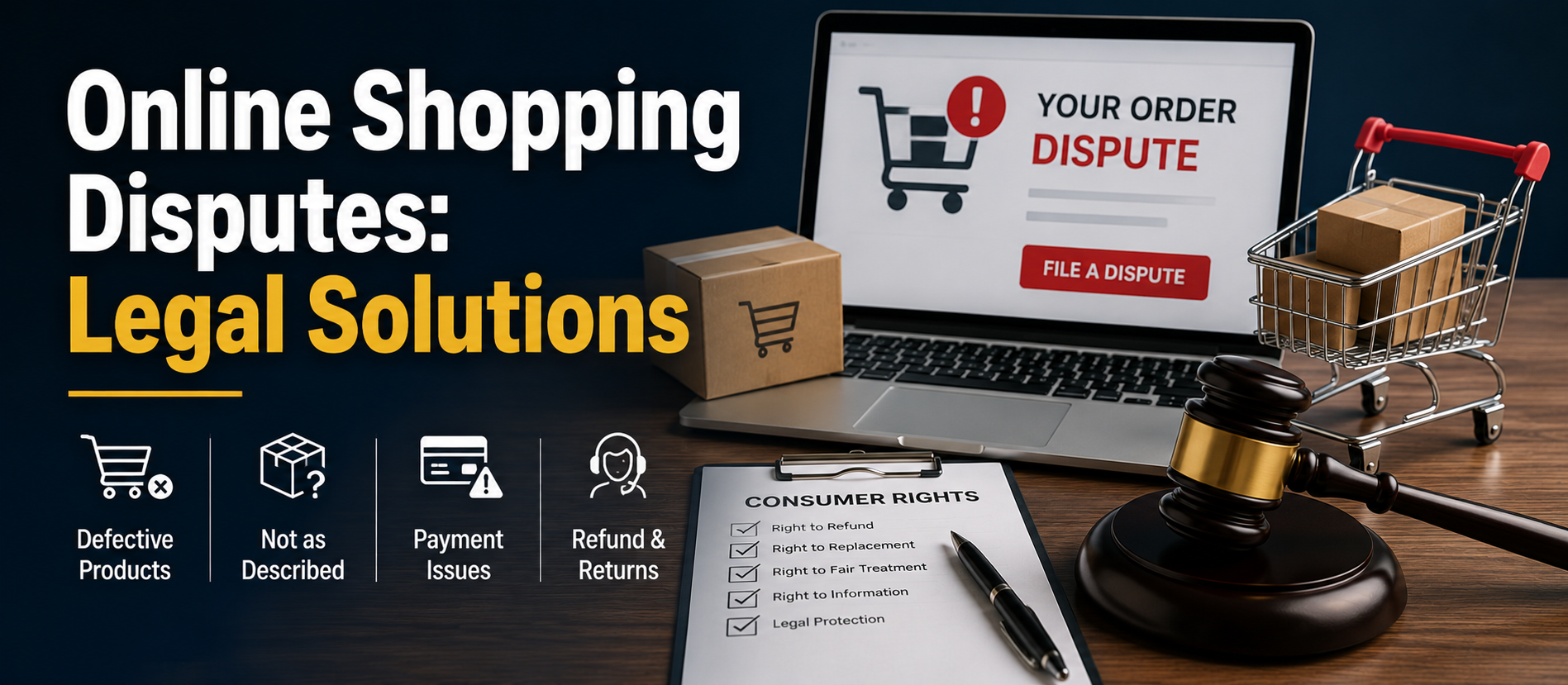
Online shopping has transformed the way consumers purchase products and services. From electronics and clothing to groceries and digital products, eCommerce platforms have made shopping more convenient than ever. However, the rapid growth of online commerce has also increased the number of consumer disputes involving delayed deliveries, defective products, refund refusals, payment fraud, counterfeit goods, misleading advertisements, and privacy violations.
💡 Key Insight
As online transactions continue to expand globally in 2026, understanding the legal solutions available for resolving online shopping disputes has become increasingly important for consumers, businesses, and eCommerce platforms alike.
This comprehensive guide from Digiifrog (www.digiifrog.com) explores the most common online shopping disputes, applicable consumer rights, dispute resolution methods, legal remedies, and best practices for protecting yourself in the digital marketplace.
The Growth of Online Shopping and Consumer Risks
The global eCommerce industry continues to grow at an unprecedented rate. Millions of consumers purchase products online every day through marketplaces, brand websites, mobile applications, and social commerce platforms.
While online shopping offers convenience, lower prices, and broader product selection, it also introduces legal and financial risks.
Common online shopping issues include:
- Products not delivered
- Delayed shipping
- Damaged goods
- Defective products
- Counterfeit merchandise
- Refund disputes
- Unauthorized transactions
- Misleading advertisements
- Data privacy violations
- Subscription billing disputes
Understanding Consumer Rights in Online Shopping
Consumers generally enjoy legal protections when purchasing products online. Consumer protection laws are designed to ensure fair treatment, transparency, and accountability.
Key consumer rights often include:
- Right to accurate product information
- Right to receive purchased goods
- Right to fair refund policies
- Right to product safety
- Right to data privacy
- Right to dispute unauthorized charges
- Right to legal remedies for fraud
Understanding these rights can significantly improve a consumer's ability to resolve disputes successfully.
Common Online Shopping Disputes
1. Product Not Delivered
⚠ Watch Out
One of the most frequent online shopping complaints involves products that never arrive despite successful payment.
Potential causes include:
- Shipping errors
- Fraudulent sellers
- Lost packages
- Inventory issues
- Logistics failures
Consumers should retain order confirmations, invoices, tracking information, and communication records when seeking resolution.
2. Defective or Damaged Products
Consumers often receive items that arrive damaged or fail to function as advertised.
Legal remedies may include:
- Replacement products
- Repairs
- Full refunds
- Partial refunds
- Warranty claims
Photographic evidence can strengthen claims during dispute resolution.
3. Counterfeit Goods
Counterfeit products remain a significant concern within online marketplaces.
Common examples include:
- Fake luxury items
- Unauthorized electronics
- Counterfeit cosmetics
- Imitation branded products
Consumers may have legal claims against sellers that knowingly market counterfeit merchandise.
4. Refund and Return Disputes
Many disputes arise when sellers refuse returns or deny refund requests.
Issues frequently involve:
- Hidden return policies
- Missed refund deadlines
- Store credit instead of refunds
- Improper product descriptions
Consumers should carefully review return policies before purchasing.
5. Unauthorized Charges and Payment Fraud
Online payment fraud can occur when unauthorized transactions appear on a consumer's account.
Examples include:
- Credit card fraud
- Identity theft
- Duplicate billing
- Subscription scams
Immediate reporting can improve recovery outcomes.
6. Misleading Advertising Claims
Some businesses use deceptive marketing practices that create unrealistic expectations.
Potential violations include:
- False product claims
- Misleading pricing
- Hidden fees
- Fake discounts
- Inaccurate product images
Consumer protection laws often prohibit deceptive advertising practices.
Legal Solutions for Online Shopping Disputes
Contact the Seller Directly
The first step in resolving a dispute typically involves communicating directly with the seller.
Consumers should:
- Explain the issue clearly
- Provide supporting evidence
- Request a specific remedy
- Maintain written records
Use Marketplace Resolution Programs
Many eCommerce platforms offer buyer protection programs designed to resolve disputes efficiently.
These programs may provide:
- Refund guarantees
- Mediation services
- Transaction investigations
- Seller accountability measures
Credit Card Chargebacks
Consumers may dispute certain charges through their financial institutions.
Chargebacks may be available when:
- Products are not delivered
- Unauthorized charges occur
- Fraud is involved
- Merchandise significantly differs from descriptions
Consumer Protection Agencies
Government agencies often investigate complaints involving unfair business practices.
Filing complaints may encourage businesses to resolve disputes quickly.
Alternative Dispute Resolution (ADR)
ADR mechanisms offer cost-effective alternatives to traditional litigation.
- Mediation
- Arbitration
- Online dispute resolution systems
These processes frequently resolve disputes faster than court proceedings.
Small Claims Court
Consumers may pursue legal action through small claims courts when negotiations fail.
Small claims procedures generally involve:
- Lower costs
- Simplified processes
- Faster resolutions
- Limited damages claims
Business Responsibilities in eCommerce
Businesses operating online have legal obligations toward consumers.
Best practices include:
- Providing accurate product descriptions
- Disclosing policies clearly
- Protecting customer data
- Honoring warranties
- Responding promptly to complaints
- Maintaining transparent pricing
Data Privacy and Online Shopping Disputes
Privacy concerns continue to play a major role in online commerce.
Consumers expect businesses to:
- Protect personal information
- Secure payment data
- Prevent unauthorized access
- Provide privacy disclosures
- Limit data misuse
Failure to safeguard consumer data may lead to legal claims and regulatory penalties.
Cross-Border Online Shopping Challenges
International purchases create additional legal complexities.
Challenges include:
- Jurisdiction disputes
- Customs issues
- Currency conversion problems
- International shipping delays
- Foreign consumer protection laws
Consumers should understand applicable terms before completing international transactions.
How Consumers Can Protect Themselves
- Research sellers thoroughly
- Read reviews carefully
- Use secure payment methods
- Retain transaction records
- Review return policies
- Avoid suspicious offers
- Monitor account activity
- Verify website security
Future Trends in Online Shopping Disputes
As eCommerce continues evolving, new legal challenges are emerging.
Key trends include:
- AI-powered dispute resolution
- Enhanced buyer protection programs
- Stronger data privacy regulations
- Cross-border consumer protection initiatives
- Blockchain-based transaction verification
- Automated fraud detection systems
SEO, AEO, GEO, and AI Search Optimization Perspective
Businesses creating legal and consumer-focused content should optimize for SEO, AEO (Answer Engine Optimization), GEO (Generative Engine Optimization), and AI Search Optimization.
Common search queries include:
- How do I get a refund for an online purchase?
- What are my rights in an online shopping dispute?
- Can I sue an online seller?
- How does a chargeback work?
- What should I do if my package never arrives?
- How can I report online shopping fraud?
Answer-focused content improves visibility in search engines and AI-powered information platforms.
Frequently Asked Questions (FAQ)
Can I get a refund if an online product never arrives?
In many cases, consumers may request refunds, chargebacks, or platform-assisted dispute resolution.
What evidence should I keep during a dispute?
Keep receipts, order confirmations, tracking records, product photos, and communications with sellers.
Can I dispute unauthorized online charges?
Yes. Financial institutions often provide procedures for disputing fraudulent or unauthorized transactions.
Are online sellers legally responsible for defective products?
Depending on applicable laws, sellers may be required to provide repairs, replacements, refunds, or warranty support.
How can I avoid online shopping scams?
Research sellers, use secure payment methods, review policies carefully, and avoid deals that appear too good to be true.
Conclusion
Online shopping disputes are becoming increasingly common as digital commerce expands globally. Fortunately, consumers have multiple legal remedies available, including direct negotiation, marketplace protection programs, chargebacks, consumer protection agencies, mediation, arbitration, and court action.
Understanding your rights and maintaining proper documentation can significantly improve the chances of a successful outcome. Businesses that prioritize transparency, compliance, and customer service can reduce disputes while building long-term consumer trust.
For more insights on legal rights, business compliance, SEO, GEO, AI Search, and digital marketing strategies, visit Digiifrog at www.digiifrog.com.
Ready to Grow?
Talk to us about a strategy tailored to your brand — we will help you stand out in search, AI discovery and social.

Comments (0)
Log in to leave a comment.