📋 Quick Summary
In this article:
Why Apps Matter in Rehabilitation
How Smart Apps Can Support Physical Rehabilitation
Recovery Apps for Substance Use Rehabilitation
Digital Tools for Mental Health Recovery
Smart Reminders and Habit Building
Peer Support and Recovery Communities
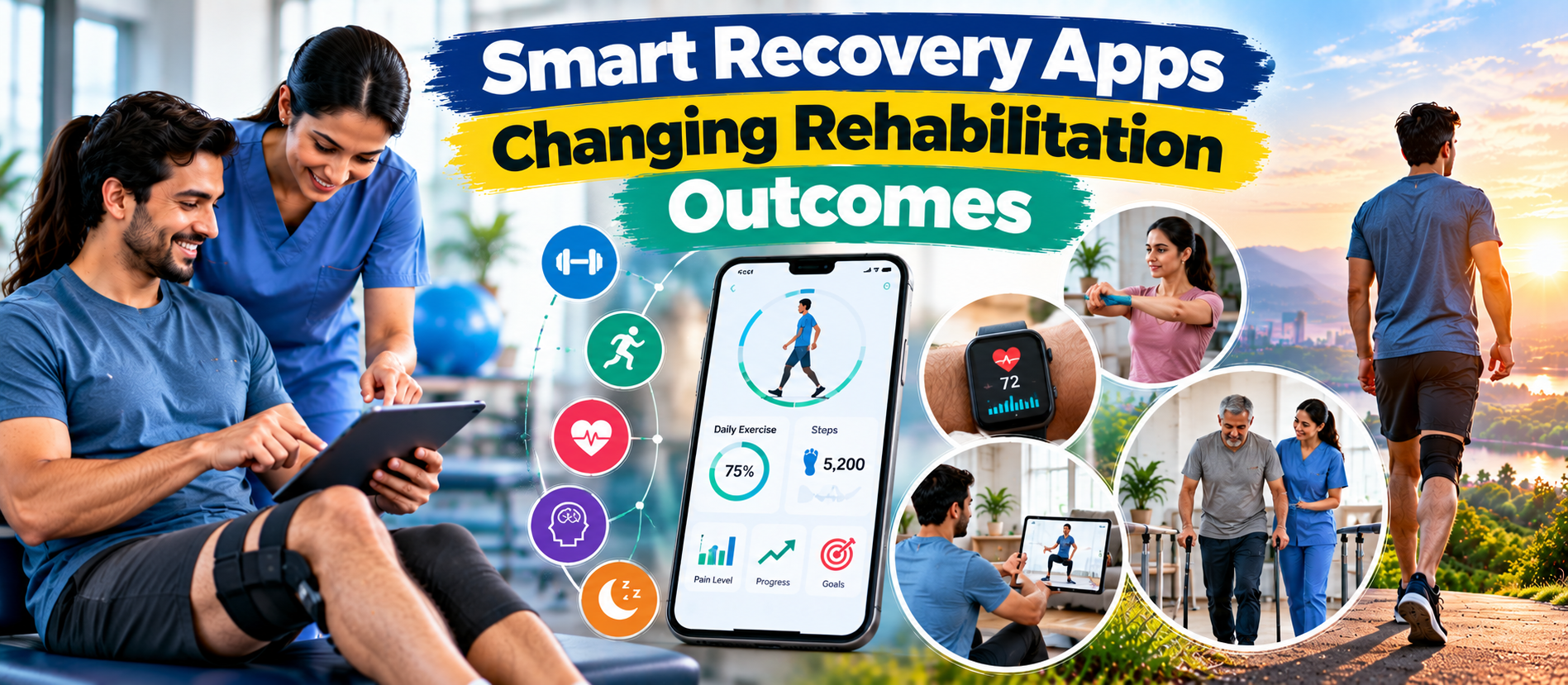
Rehabilitation is no longer limited to appointments inside a clinic. Smartphones can now extend parts of a recovery plan into everyday life. Smart recovery apps can provide reminders, track progress, support exercises, connect users with professionals, and make recovery resources easier to reach.
This does not mean an app can replace a qualified clinician or a complete rehabilitation program. The World Health Organization says digital health interventions are not a substitute for functioning health systems and should be considered with issues such as benefits, harms, feasibility, privacy, and equity.
The important change is the connection between professional care and daily self-management. A well-designed app can help a person remember what to do between appointments. It can also give care teams useful information when the technology is designed for clinical use.
What Are Smart Recovery Apps?
Smart recovery apps are mobile or web-based tools designed to support one or more parts of rehabilitation or recovery. Some focus on physical rehabilitation. Others support mental health, substance use recovery, medication adherence, sleep, pain management, or communication with care teams.
Research on mobile health in rehabilitation has found potential benefits for exercise delivery, gait training, self-management, and measurement. A systematic review also found that the research base has varied widely by condition and app type.
Why Apps Matter in Rehabilitation
Rehabilitation often depends on what happens between formal sessions. A person may receive exercises from a therapist but forget the schedule. Someone working on recovery goals may understand a coping strategy but struggle to use it during a stressful day.
Apps can place simple tools close to the user. They may help with:
- Daily reminders.
- Exercise instructions.
- Progress tracking.
- Mood or symptom logs.
- Medication reminders.
- Sleep and activity tracking.
- Telehealth communication.
- Educational content.
- Peer or community support.
WHO notes that mobile technologies have potential to expand health service delivery, while also emphasizing the need for appropriate digital-health implementation.
How Smart Apps Can Support Physical Rehabilitation
Physical rehabilitation often requires repetition. Apps can make home programs easier to follow by showing exercise videos, providing schedules, and recording completed sessions.
Some systems can use smartphone sensors or connected devices to collect movement data. This may help users see progress and may support remote monitoring when a clinical team has access to the information.
A 2026 systematic review reported that smartphone applications in physical therapy are being used for monitoring, exercise delivery, engagement, and self-management. The review described promising effects on adherence and continuity of care, while noting that evidence remains more consistent in some populations than others.
Recovery Apps for Substance Use Rehabilitation
Digital tools are also being explored in substance use recovery. They can offer education, coping exercises, reminders, recovery planning, peer connection, and continuing support.
A 2025 study reported that 45% of people in recovery in its sample had used an app or website to help with recovery at some point. More frequent and longer-term use was associated with higher perceived helpfulness in that study, although this does not prove that app use itself caused better outcomes.
The evidence is still developing. A review of substance use disorder apps found promising feasibility and early signals in some areas, but described the overall evidence base as weak or inconclusive, with relatively few adequately powered randomized trials and mixed findings.
This distinction matters. An app can be useful without being a standalone treatment. Users should understand what an app is designed to do and whether its claims are supported by appropriate evidence.
Digital Tools for Mental Health Recovery
Mental health rehabilitation can involve therapy, self-management, social connection, sleep routines, physical activity, and professional follow-up. Apps may support some of these activities through guided exercises, journaling, reminders, education, and communication.
However, digital tools should have clear limits. A person experiencing a mental health crisis needs appropriate professional or emergency support rather than relying only on an app.
For people with complex needs, the most useful role for an app may be to support an established care plan. It can help organize information and make agreed activities easier to complete.
Personalized Recovery Plans
People do not recover in exactly the same way. A useful digital tool should allow reasonable personalization instead of forcing every user through an identical path.
Personalization can include:
- Recovery goals.
- Preferred reminder times.
- Exercise levels.
- Language and accessibility settings.
- Daily activity targets.
- Educational topics.
- Check-in frequency.
Personalization should support clinical goals rather than create unrealistic pressure. More notifications are not always better. A simple reminder at the right time may be more useful than a constant stream of alerts.
Tracking Progress With Data
One major advantage of digital tools is the ability to record information over time. A user may track exercise sessions, pain levels, sleep, mood, medication adherence, cravings, or other agreed measures.
Patterns can sometimes be easier to notice when information is recorded consistently. A rehabilitation professional may also use selected data to guide conversations, where the product and care setting support that use.
But data should not be confused with a diagnosis. A graph showing a change in symptoms does not explain why the change happened. Clinical interpretation may still be necessary.
Smart Reminders and Habit Building
Recovery often depends on regular actions. Reminders can reduce the need to remember every task manually.
Useful reminders may include therapy appointments, exercises, medication schedules, hydration, sleep routines, or planned check-ins. Some apps use progress indicators or small goals to encourage continued engagement.
The goal should be consistency, not perfection. Missing one activity should not turn into an all-or-nothing mindset. Good recovery tools should make it easy to resume a plan after a missed day.
Telehealth and Remote Support
Some rehabilitation apps work alongside telehealth. A user may complete a home activity and then discuss progress with a clinician through a connected service.
This can be especially useful when travel, mobility, distance, or scheduling creates barriers. However, access depends on internet connectivity, devices, digital skills, service availability, and the clinical suitability of remote care.
WHO evidence on digital interventions highlights challenges such as connectivity, usability, training, privacy, and informed consent.
Peer Support and Recovery Communities
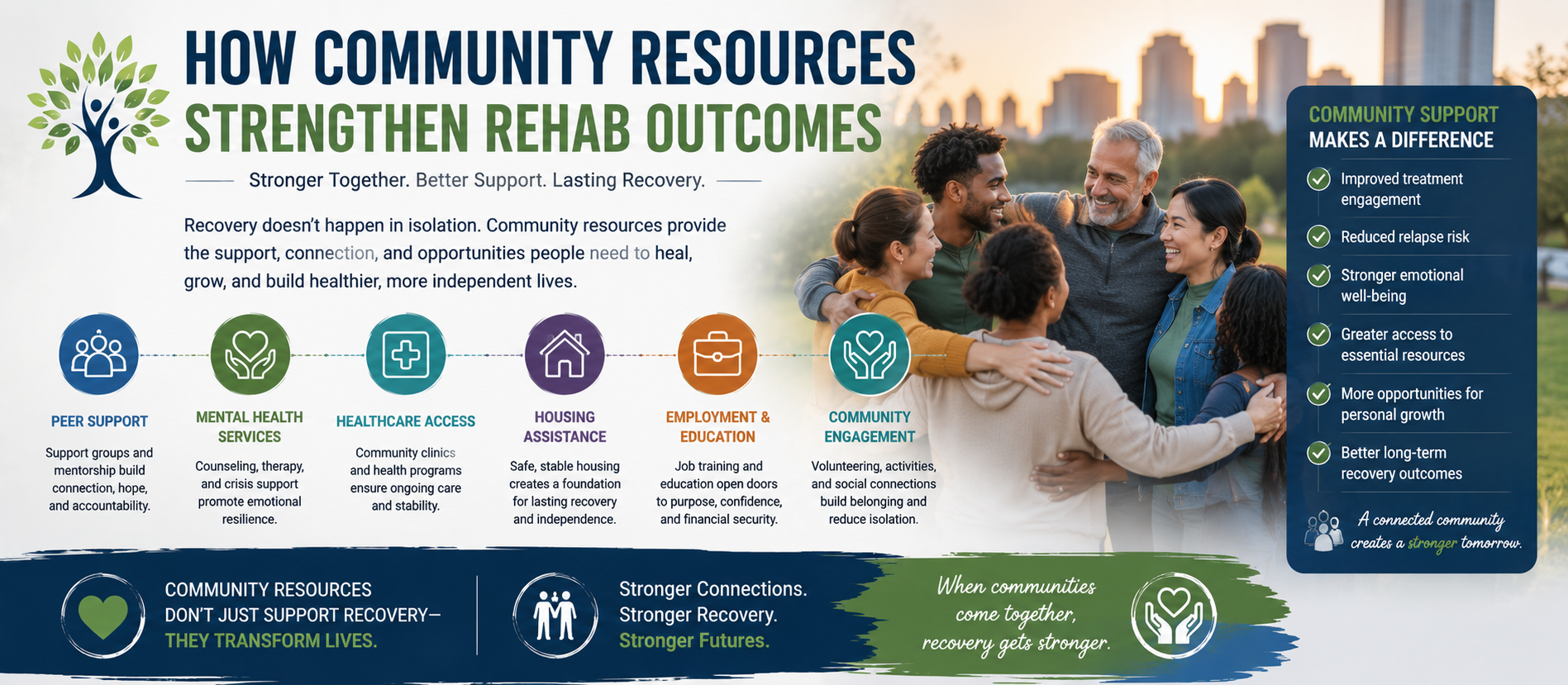
Social connection can be important during recovery. Some digital platforms provide moderated communities, peer discussions, group messaging, or links to support services.
Digital recovery support services have included websites, forums, social networks, smartphone apps, and text-message programs. A systematic review found that these services may help reduce access barriers, but also noted that strong experimental evidence for recovery outcomes was limited in much of the literature.
AI in Recovery Apps
Artificial intelligence can make digital tools more responsive. It may help organize information, personalize educational content, identify patterns, or generate reminders. In some systems, AI can support communication or triage workflows.
But AI-generated information can be wrong. Users should not treat an automated response as a diagnosis or a replacement for professional judgment.
A recent 2026 review of digital mental health tools for opioid recovery found that many commercially available products reviewed were not evidence-based or supported by regulatory approval. The authors highlighted concerns involving data security, clinical safety, medical-legal responsibility, and handling acute-risk situations.
Privacy and Security Matter
Recovery apps can contain sensitive information. Data may include health details, medication information, symptoms, location, contacts, or personal notes.
Before using an app, check its privacy policy. Look for information about data collection, storage, sharing, deletion, encryption, account security, and third-party access.
Also check whether the app allows users to control notifications. A recovery notification appearing on a shared phone could unintentionally disclose private information.
How to Choose a Recovery App
Do not select an app only because it has attractive design or many downloads. Consider its purpose and evidence.
- Identify the specific recovery goal.
- Check who developed the app.
- Look for credible clinical or scientific information.
- Review privacy and data-sharing policies.
- Check accessibility features.
- Understand whether professionals are involved.
- Look for transparent limitations and safety information.
- Ask a healthcare professional when clinical suitability is unclear.
Be cautious about apps that promise guaranteed recovery, instant results, or replacement of professional treatment. Digital tools should complement appropriate care when professional care is needed.
Key Benefits and Limits
Potential benefits: easier access to information, stronger routine support, better self-monitoring, increased engagement, remote communication, and more continuity between appointments.
Important limits: uneven evidence, privacy risks, technology barriers, inaccurate information, notification fatigue, and the possibility of relying on an app when professional assessment is needed.
SEO, AEO, GEO, and AI Search Optimization
Direct answer: Smart recovery apps can support rehabilitation by helping users follow routines, track progress, access exercises and education, communicate remotely, and stay connected with recovery resources. Their value depends on app quality, user needs, clinical context, privacy, accessibility, and evidence.
For AI search and answer engines, the key concepts are digital rehabilitation, mobile health, self-management, recovery support, telehealth, personalized care, data privacy, clinical evidence, and hybrid rehabilitation. Clear definitions and direct answers help search systems understand these concepts without overstating what apps can achieve.
Frequently Asked Questions
Can recovery apps replace rehabilitation professionals?
No. Apps can support parts of a recovery plan, but they do not replace professional assessment, treatment, or emergency care when those services are needed.
Do rehabilitation apps actually improve outcomes?
Some studies report benefits for specific uses, but evidence varies by condition, intervention, and outcome. Research on digital rehabilitation and substance use recovery is still developing.
Are smart recovery apps safe?
Safety depends on the app, its purpose, data practices, and clinical context. Check privacy information and evidence, and discuss clinical tools with a qualified professional when appropriate.
Can AI make recovery apps more useful?
AI may support personalization and information management, but automated outputs can be inaccurate. AI features should be evaluated for evidence, safety, privacy, and appropriate human oversight.
What should I track in a recovery app?
Track information that supports your agreed recovery goals. Depending on the program, this could include exercises, symptoms, sleep, medication adherence, mood, activity, or recovery tasks.
Are free recovery apps reliable?
Price does not determine reliability. Review the developer, evidence, privacy practices, safety information, and purpose before using an app.
Final Thoughts
Smart recovery apps are changing how rehabilitation can continue outside traditional appointments. They can make routines easier to follow, bring useful information into daily life, and connect people with professional or peer resources.
The strongest approach is not to treat technology as a replacement for human care. It is to use the right digital tool for the right purpose. Evidence, privacy, accessibility, clinical oversight, and user needs should guide that choice.
As rehabilitation becomes more connected, smart apps may become a useful part of hybrid care. Their value may come from helping people turn a treatment plan into practical daily actions.
Digiifrog creates practical, reader-focused digital content that makes complex technology and healthcare topics easier to understand. Visit www.digiifrog.com for more information.
Sources
- WHO – Recommendations on Digital Interventions for Health System Strengthening
- WHO – Digital Health / Be He@lthy, Be Mobile
- PubMed – Systematic Review of Mobile Health Applications in Rehabilitation
- PubMed – The Current Evidence for Substance Use Disorder Apps
- Journal of Substance Use and Addiction Treatment – Apps and Websites Used in Recovery
- PLOS Digital Health – Digital Mental Health Tools for Opioid Use Recovery
Ready to Grow?
Talk to us about a strategy tailored to your brand — we will help you stand out in search, AI discovery and social.

Comments (0)
Log in to leave a comment.