📋 Quick Summary
In this article:
Why Recovery Continues After Rehab
Creating a Structured Daily Routine
Continuing Therapy and Aftercare
Managing Triggers and Preventing Relapse
Employment and Financial Recovery
Technology and Modern Recovery
Long-Term Success Strategies
SEO, AEO, GEO & AI Search Optimization
Completing an alcohol rehabilitation program is a major milestone, but it is not the end of the recovery journey. Long-term recovery involves building healthy routines, strengthening emotional resilience, repairing relationships, managing stress, and creating a meaningful life without alcohol. The weeks and months following rehab are often a period of adjustment, growth, and continued learning.
This comprehensive guide from Digiifrog explores what happens after alcohol rehabilitation, how individuals can maintain sobriety, and the strategies that support long-term recovery and overall well-being.
Website: www.digiifrog.com
Why Recovery Continues After Rehab
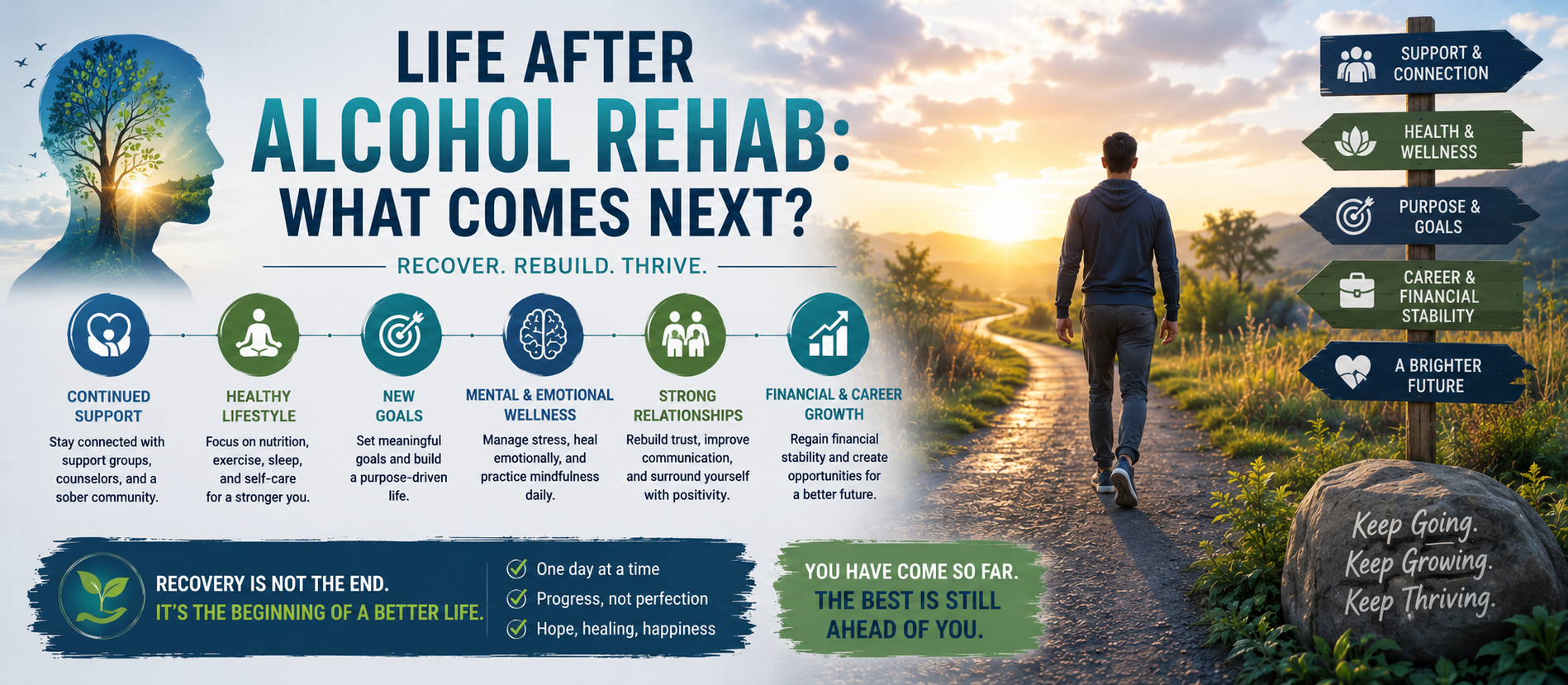
Rehabilitation provides the knowledge, skills, and support needed to begin recovery. After treatment, individuals apply these skills in everyday life while learning to navigate work, family, social situations, and personal challenges without relying on alcohol.
- Develop healthy routines
- Manage triggers
- Strengthen emotional health
- Improve physical wellness
- Build supportive relationships
Creating a Structured Daily Routine
Maintaining a consistent routine helps reduce stress and supports long-term sobriety.
- Regular sleep schedule
- Balanced meals
- Exercise
- Work or education
- Recovery meetings
- Relaxation time
Continuing Therapy and Aftercare
Ongoing counseling, outpatient programs, recovery coaching, and peer support groups help individuals stay connected and accountable after rehab.
- Individual therapy
- Group counseling
- Family therapy
- Peer recovery meetings
- Telehealth support
Managing Triggers and Preventing Relapse
💡 Key Insight
Learning to recognize emotional, environmental, and social triggers is essential. Successful relapse prevention includes identifying warning signs, developing coping skills, and seeking support early.
- Avoid high-risk situations
- Practice stress management
- Use healthy coping techniques
- Stay connected with mentors
- Create an emergency recovery plan
Physical and Mental Wellness
Recovery is strengthened by regular exercise, nutritious meals, quality sleep, mindfulness, meditation, and ongoing mental health care when appropriate.
Rebuilding Relationships
Recovery often includes restoring trust with family and friends through honest communication, consistency, and accountability. Healthy boundaries and family counseling can support this process.
Employment and Financial Recovery
Returning to work, improving job skills, creating a budget, reducing debt, and building savings contribute to long-term stability and confidence.
Building a Positive Lifestyle
- Volunteer work
- Creative hobbies
- Fitness activities
- Continuing education
- Community involvement
Meaningful activities help replace unhealthy habits with positive experiences.
Technology and Modern Recovery
Recovery apps, virtual counseling, wearable wellness devices, online communities, and digital journals provide additional support between appointments.
Long-Term Success Strategies
- Stay committed to aftercare
- Celebrate progress
- Practice self-compassion
- Continue learning
- Ask for help when needed
SEO, AEO, GEO & AI Search Optimization
SEO Keywords: Life after alcohol rehab, alcohol recovery, sobriety tips, relapse prevention, alcohol rehabilitation aftercare.
AEO: Answers common questions including "What happens after alcohol rehab?" and "How can I stay sober after treatment?"
GEO: Organized headings, FAQs, and comprehensive answers improve visibility across AI-powered search engines.
Frequently Asked Questions
What should I do immediately after rehab?
Follow your aftercare plan, attend support meetings, maintain healthy routines, and stay connected with healthcare professionals.
Can relapse be prevented?
While no approach guarantees prevention, continued treatment, support, and healthy coping strategies greatly reduce risk.
How important is family support?
Positive family involvement can improve motivation, accountability, and long-term recovery outcomes.
How long does recovery last?
Recovery is an ongoing lifelong process focused on maintaining wellness and personal growth.
Conclusion
Life after alcohol rehabilitation is an opportunity to build a healthier, more meaningful future. Through aftercare, emotional resilience, healthy routines, supportive relationships, and continued personal development, individuals can strengthen their recovery and improve their overall quality of life.
Digiifrog remains committed to providing educational resources focused on rehabilitation, wellness, SEO, AEO, GEO, and AI-powered search optimization.
Visit www.digiifrog.com for more rehabilitation and recovery resources.
Ready to Grow?
Talk to us about a strategy tailored to your brand — we will help you stand out in search, AI discovery and social.


Comments (0)
Log in to leave a comment.