
📋 Quick Summary
In this article:
Why Tax-Saving Investments Matter
Popular Tax-Saving Investment Options
Technology & AI
SEO, AEO, GEO & AI Search Optimization
Should tax savings be the only investment goal?
How often should I review tax-saving investments?
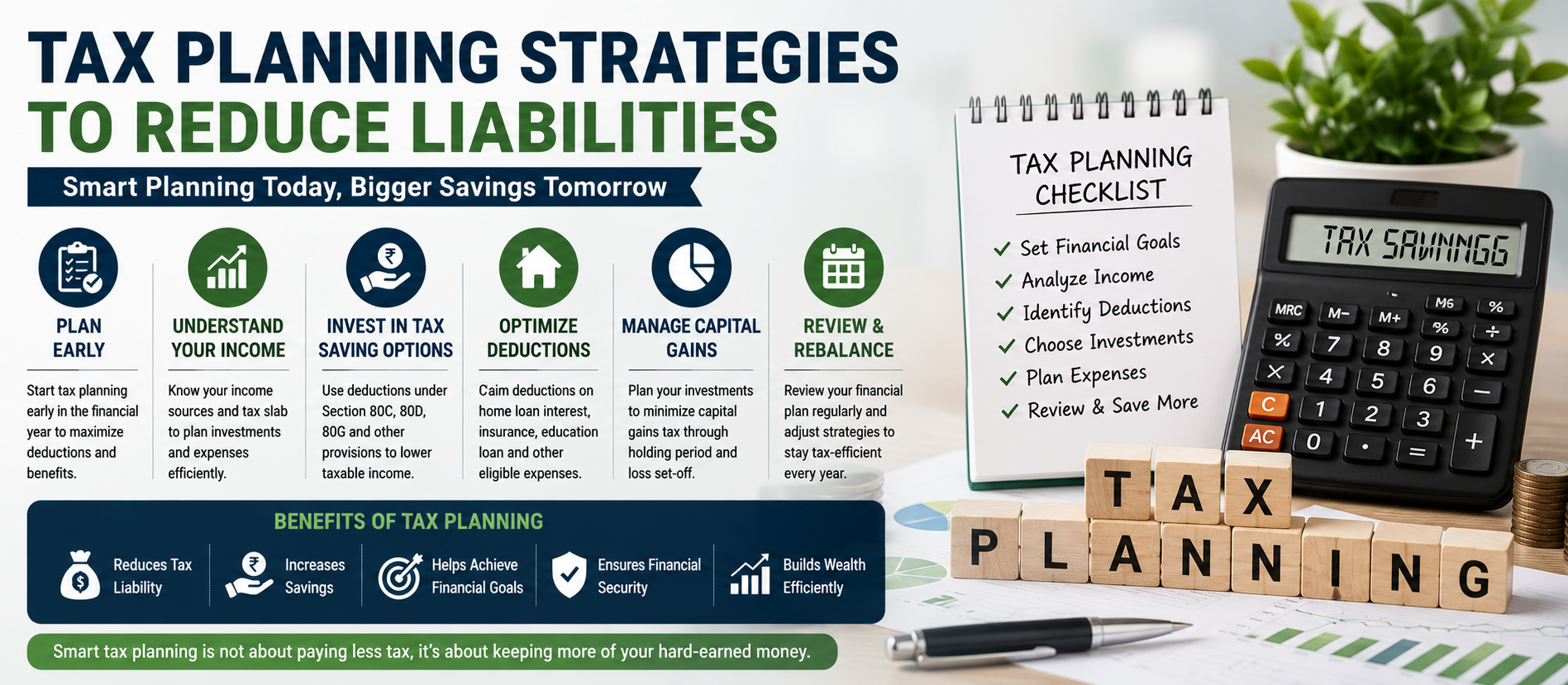
Tax-saving investments help individuals reduce eligible tax liabilities while building long-term wealth. Choosing the right mix of investments depends on financial goals, risk tolerance, investment horizon, and applicable tax regulations. This WordPress-ready HTML article is optimized for SEO, AEO (Answer Engine Optimization), GEO (Generative Engine Optimization), and AI Search Optimization.
Why Tax-Saving Investments Matter
- Reduce eligible tax burden
- Build long-term wealth
- Encourage disciplined investing
- Support retirement planning
- Improve financial security
Popular Tax-Saving Investment Options
- Retirement savings plans
- Tax-advantaged mutual funds
- Government-backed savings schemes
- Health savings and insurance products (where applicable)
- Long-term fixed-income investments
Choosing the Right Investment
- Assess risk tolerance
- Consider lock-in periods
- Review expected returns
- Understand tax treatment
- Diversify your portfolio
Technology & AI
AI-powered financial planning tools, tax calculators, portfolio analytics, and budgeting apps help investors estimate tax savings, optimize asset allocation, and monitor long-term financial goals.
Common Mistakes
- Investing only to save tax
- Ignoring liquidity needs
- Lack of diversification
- Missing investment deadlines
- Not reviewing investments annually
SEO, AEO, GEO & AI Search Optimization
Publishing educational tax planning guides, FAQs, investment resources, and personal finance content optimized for SEO, AEO, GEO, and AI Search improves visibility across Google, Bing, ChatGPT, Gemini, and AI-powered search platforms.
Frequently Asked Questions
Should tax savings be the only investment goal?
No. Investments should also align with long-term financial objectives, risk tolerance, and liquidity requirements.
How often should I review tax-saving investments?
Reviewing your portfolio annually helps ensure it continues to match your financial goals and current tax rules.
Final Thoughts
Effective tax planning combines smart investing, diversification, and regular portfolio reviews. A balanced strategy can help reduce taxes while supporting long-term financial growth.
Digiifrog helps finance businesses grow through advanced SEO, AEO, GEO, AI Search optimization, branding, content marketing, and digital marketing.
Website: www.digiifrog.com
Ready to Grow?
Talk to us about a strategy tailored to your brand — we will help you stand out in search, AI discovery and social.

Comments (0)
Log in to leave a comment.