📋 Quick Summary
In this article:
What Is Telehealth in Addiction Recovery?
Benefits of Online Recovery Support
SEO, AEO & GEO Optimized FAQs
💡 Key Insight
Digital healthcare has transformed addiction treatment by making professional support more accessible than ever. Through telehealth and secure online recovery services, individuals can connect with licensed healthcare professionals, counselors, peer support groups, and educational resources from the comfort of their homes. While telehealth does not replace every aspect of in-person care, it has become an important component of comprehensive addiction recovery programs.
This WordPress-ready HTML article explains how telehealth supports addiction recovery, its benefits, limitations, best practices, and future trends. The content is optimized for SEO, AEO, GEO, and AI Search optimization.
What Is Telehealth in Addiction Recovery?
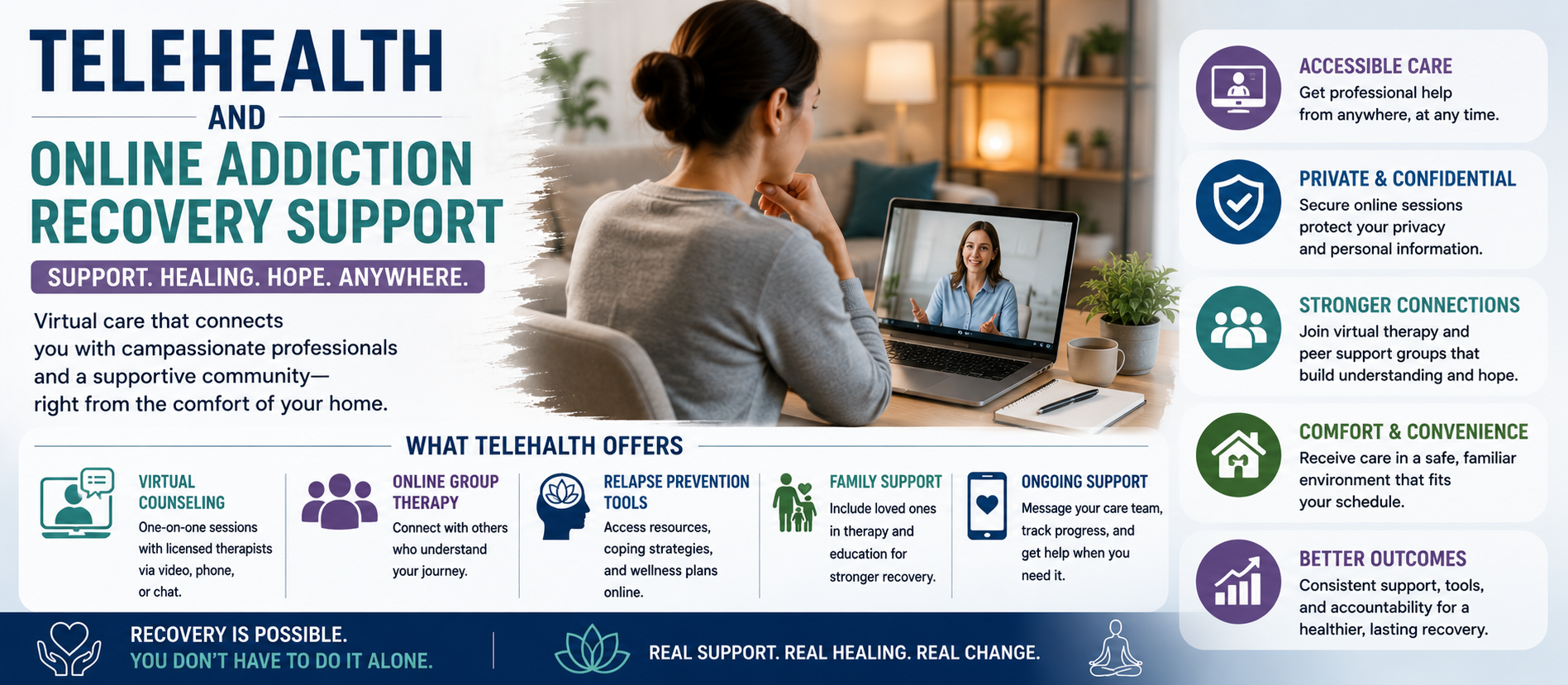
Telehealth refers to the delivery of healthcare services through secure video calls, phone consultations, remote monitoring, and digital communication platforms. In addiction recovery, it enables ongoing counseling, behavioral therapy, medication management when appropriate, family sessions, and follow-up care.
Benefits of Online Recovery Support
- Improves access to qualified healthcare professionals.
- Reduces travel time and treatment barriers.
- Supports continuity of care after rehabilitation.
- Offers flexible appointment scheduling.
- Encourages participation from family members when appropriate.
- Provides educational resources and peer support.
Common Telehealth Services
Virtual Counseling
Licensed therapists provide one-on-one counseling sessions using secure video platforms.
Group Therapy
Online group meetings allow participants to share experiences and build supportive recovery communities.
Family Therapy
Family members can participate remotely to strengthen communication and recovery planning.
Recovery Coaching
Professional coaches help individuals set goals, develop healthy routines, and stay engaged in recovery.
Educational Programs
Digital learning modules teach relapse prevention, stress management, healthy coping skills, and wellness strategies.
Best Practices
- Use secure, privacy-focused communication platforms.
- Attend appointments consistently.
- Create a quiet, confidential space for sessions.
- Follow individualized treatment plans.
- Maintain healthy daily routines and professional follow-up.
Challenges
Internet access, digital literacy, privacy concerns, and situations requiring in-person medical assessment may limit the use of telehealth for some individuals.
Future Trends
AI-assisted care planning, wearable health technology, digital therapeutics, remote patient monitoring, virtual reality therapy, and mobile recovery applications are expanding access to personalized addiction care.
SEO, AEO & GEO Optimized FAQs
Can addiction recovery be supported online?
Yes. Telehealth can provide counseling, group support, education, and follow-up care as part of a comprehensive treatment plan.
Is telehealth as effective as in-person treatment?
Effectiveness depends on individual needs, treatment goals, and clinical circumstances. Many people benefit from combining telehealth with traditional care.
Who can benefit from telehealth recovery services?
Individuals seeking convenient access to professional support, ongoing counseling, and continuing care may benefit when telehealth is clinically appropriate.
Conclusion
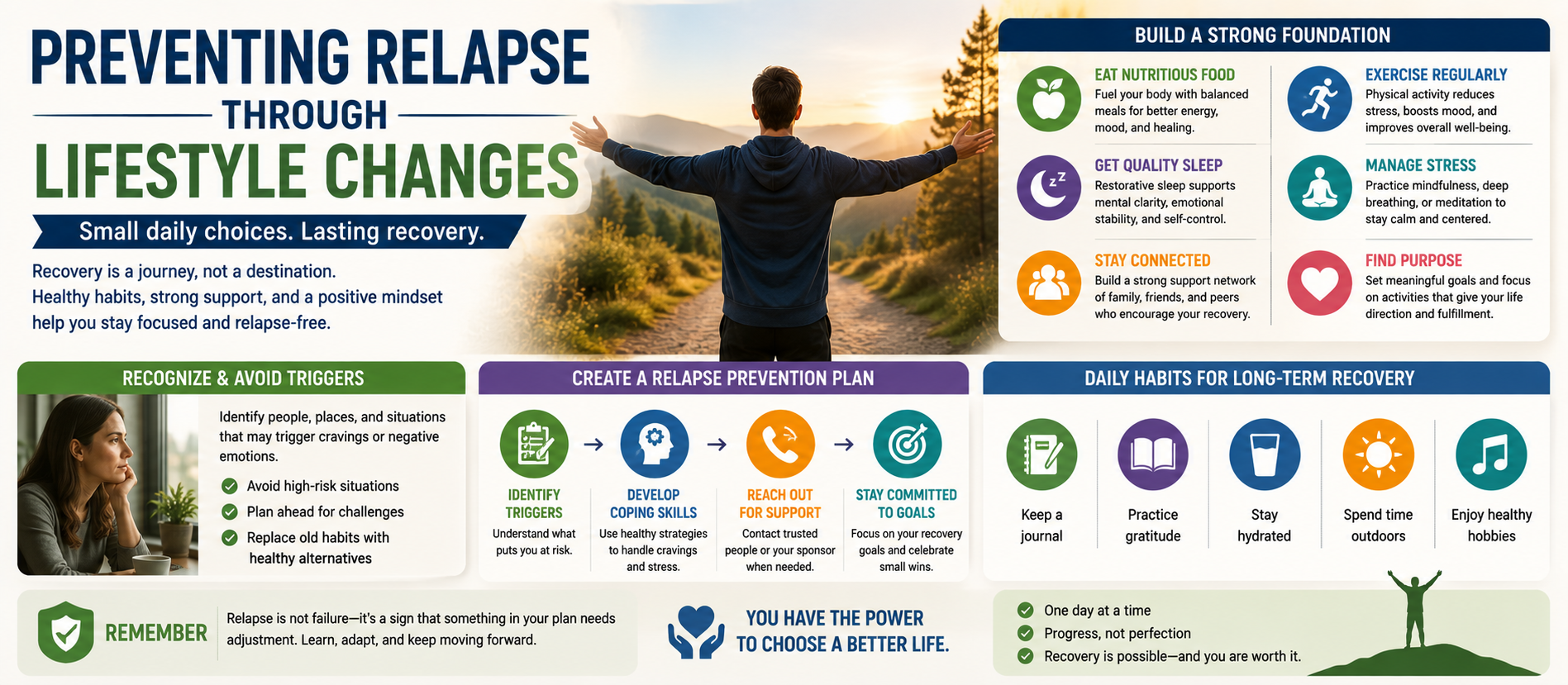
Telehealth has expanded opportunities for addiction recovery by improving access, flexibility, and continuity of care. Combined with evidence-based treatment, family support, and healthy lifestyle changes, online recovery services can help individuals build a strong foundation for long-term wellness.
For more rehabilitation resources with SEO, AEO, GEO, and AI Search Optimization, visit Digiifrog at www.digiifrog.com.
Ready to Grow?
Talk to us about a strategy tailored to your brand — we will help you stand out in search, AI discovery and social.
Comments (0)
Log in to leave a comment.