📋 Quick Summary
In this article:
What Are Extracurricular Activities?
Why Extracurricular Activities Matter
Academic Benefits of Extracurricular Activities
Improving Communication Skills
Developing Teamwork and Collaboration
Enhancing Self-Confidence
Encouraging Creativity and Innovation
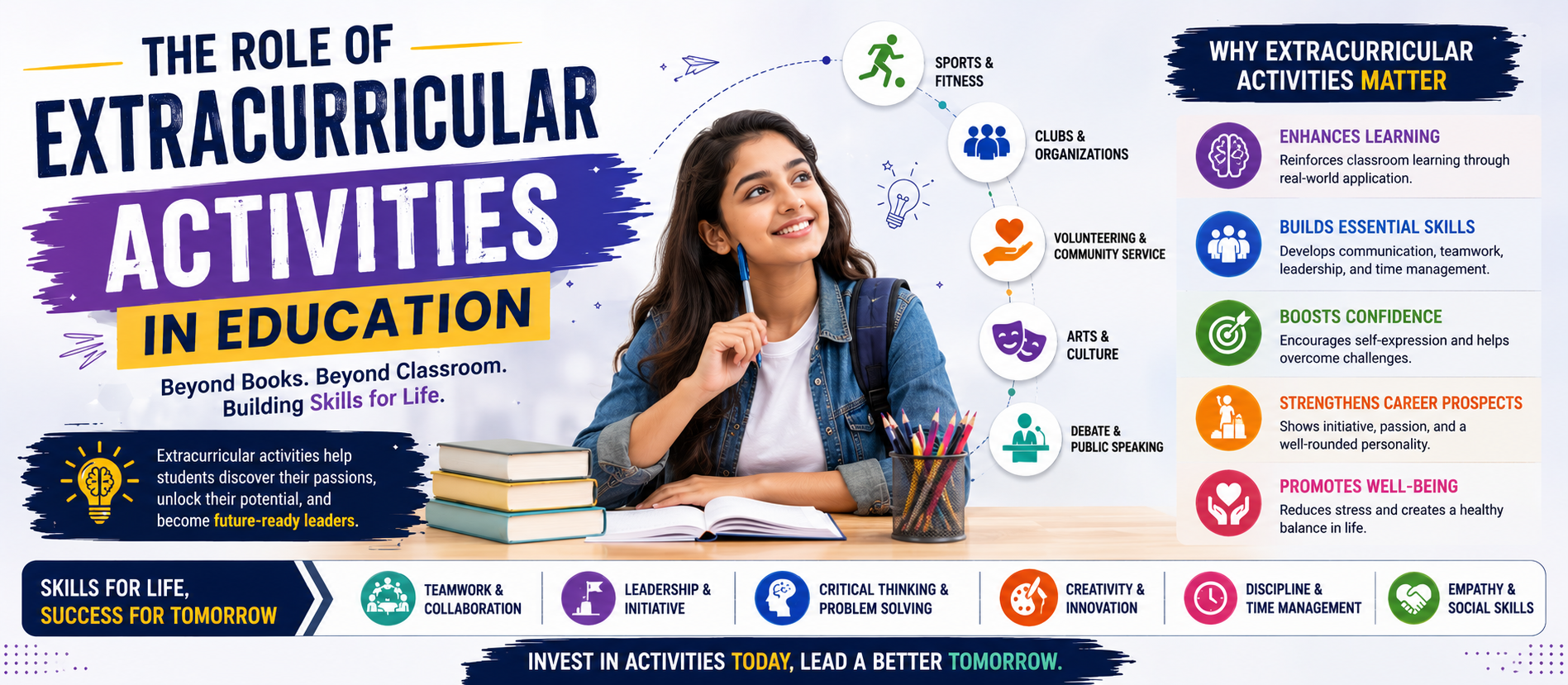
Education is not limited to textbooks, examinations, and classroom lectures. True learning extends beyond academics and includes the development of social, emotional, physical, and leadership skills. Extracurricular activities play a vital role in achieving this broader educational mission by helping students discover talents, build confidence, develop teamwork, and prepare for future careers.
💡 Key Insight
In modern education systems, extracurricular activities are increasingly recognized as essential components of student development. Whether through sports, music, debate clubs, drama, community service, student leadership, coding clubs, robotics teams, or cultural organizations, students gain valuable experiences that complement academic learning.
This comprehensive guide explores the importance of extracurricular activities in education, their benefits, challenges, and future relevance. The article is optimized for SEO, AEO, GEO, and AI Search visibility and is presented by Digiifrog.
Website: www.digiifrog.com
Brand: Digiifrog – Education, AI, Career & Digital Growth Insights
What Are Extracurricular Activities?
Extracurricular activities are organized programs and experiences that take place outside the formal academic curriculum. They provide opportunities for students to pursue interests, develop skills, and engage with peers in meaningful ways.
- Sports and athletics
- Music and performing arts
- Drama and theatre
- Debate and public speaking
- Science clubs
- Robotics programs
- Student government
- Community service projects
- Cultural organizations
- Entrepreneurship clubs
Why Extracurricular Activities Matter
Education aims to develop well-rounded individuals. Academic success alone may not prepare students for real-world challenges. Extracurricular activities provide practical experiences that support personal growth and lifelong success.
These activities help students:
- Build confidence
- Develop leadership skills
- Improve communication abilities
- Strengthen teamwork
- Enhance creativity
- Develop discipline
- Improve time management
Academic Benefits of Extracurricular Activities
Many studies suggest that students who participate in extracurricular activities often perform better academically.
Improved Time Management
Students learn how to balance academics, activities, and personal responsibilities effectively.
Greater Motivation
Participation increases engagement with school and creates a stronger sense of belonging.
Enhanced Cognitive Skills
Activities such as chess, debate, coding, and robotics strengthen critical thinking and problem-solving abilities.
Higher Academic Achievement
Students involved in organized activities frequently demonstrate improved attendance, concentration, and academic performance.
Building Leadership Skills
Leadership development is one of the most valuable outcomes of extracurricular participation.
Students gain opportunities to:
- Lead teams
- Organize events
- Manage projects
- Make decisions
- Resolve conflicts
- Motivate peers
These experiences help prepare students for future professional and community leadership roles.
Improving Communication Skills
Communication is an essential life skill. Activities such as debate clubs, student government, theatre, and public speaking competitions help students develop confidence and clarity in communication.
Students learn to:
- Express ideas effectively
- Listen actively
- Collaborate with others
- Present information clearly
- Engage in constructive discussions
Developing Teamwork and Collaboration
Most extracurricular activities require cooperation and collaboration.
Students learn:
- Shared responsibility
- Group problem-solving
- Respect for diverse perspectives
- Conflict management
- Team communication
These skills are highly valued in modern workplaces.
Enhancing Self-Confidence
Participating in activities outside the classroom helps students discover strengths and talents they may not realize they possess.
Success in sports, arts, leadership, or community service often increases:
- Self-esteem
- Confidence
- Independence
- Personal motivation
Encouraging Creativity and Innovation
Creative activities provide opportunities for students to think differently and explore new ideas.
Examples include:
- Art clubs
- Music programs
- Creative writing groups
- Design competitions
- Innovation challenges
Creativity is increasingly important in an AI-driven economy.
Physical and Mental Health Benefits
Sports and recreational activities contribute significantly to student well-being.
Physical Benefits
- Improved fitness
- Better coordination
- Healthier lifestyles
- Reduced health risks
Mental Benefits
- Reduced stress
- Improved mood
- Greater resilience
- Enhanced emotional well-being
Career Preparation and Employability
Employers increasingly value candidates with leadership experience, teamwork abilities, and communication skills.
Extracurricular participation demonstrates:
- Initiative
- Responsibility
- Adaptability
- Commitment
- Collaboration skills
These qualities can strengthen university applications and job prospects.
The Role of Community Service
Volunteer programs and community service projects help students develop empathy, civic responsibility, and social awareness.
Benefits include:
- Community engagement
- Leadership development
- Social responsibility
- Personal growth
Technology-Based Extracurricular Activities
Modern schools increasingly offer technology-focused activities.
- Robotics clubs
- Coding competitions
- AI learning programs
- Digital media clubs
- Cybersecurity teams
These programs prepare students for future careers in technology and innovation.
Challenges of Extracurricular Participation
- Time management difficulties
- Scheduling conflicts
- Resource limitations
- Financial barriers
- Balancing academics and activities
Schools should provide support to help students participate effectively while maintaining academic priorities.
The Future of Extracurricular Activities
As education evolves, extracurricular programs will become increasingly important. Future activities may integrate artificial intelligence, virtual reality, entrepreneurship, sustainability initiatives, and global collaboration projects.
Schools that embrace innovation will provide students with broader opportunities for personal and professional development.
Frequently Asked Questions (AEO Section)
Why are extracurricular activities important in education?
They help students develop leadership, communication, teamwork, creativity, confidence, and life skills beyond academics.
Do extracurricular activities improve academic performance?
Many studies show that students involved in extracurricular activities often demonstrate better engagement, motivation, and academic achievement.
Which extracurricular activities are most beneficial?
The best activities depend on student interests, but sports, leadership programs, debate clubs, robotics, music, and community service are highly valuable.
Can extracurricular activities help with college admissions?
Yes. Universities often value leadership, community involvement, achievements, and well-rounded student profiles.
How do extracurricular activities prepare students for careers?
They develop transferable skills such as teamwork, leadership, communication, problem-solving, and adaptability.
Conclusion
Extracurricular activities play a crucial role in modern education by supporting academic achievement, personal growth, leadership development, creativity, and career readiness. They help students become confident, capable, and well-rounded individuals prepared for future challenges.
As educational systems continue to evolve, extracurricular participation will remain a vital component of student success. Schools, parents, and educators should encourage students to explore activities that align with their interests and aspirations.
For more educational insights, AI innovations, SEO, AEO, GEO, and future-focused content, visit www.digiifrog.com.
Ready to Grow?
Talk to us about a strategy tailored to your brand — we will help you stand out in search, AI discovery and social.

Comments (0)
Log in to leave a comment.