📋 Quick Summary
In this article:
The Modern Travel Landscape in 2026
Medical Emergencies Abroad Can Be Expensive
Emergency Medical Evacuation Protection
Trip Cancellation Risks Continue to Grow
Flight Delays and Travel Disruptions
Lost, Delayed, or Stolen Baggage
Climate Change Is Increasing Travel Risks
Remote Workers and Digital Nomads Need Protection
Cybersecurity Risks During Travel
Travel Insurance and International Healthcare Access
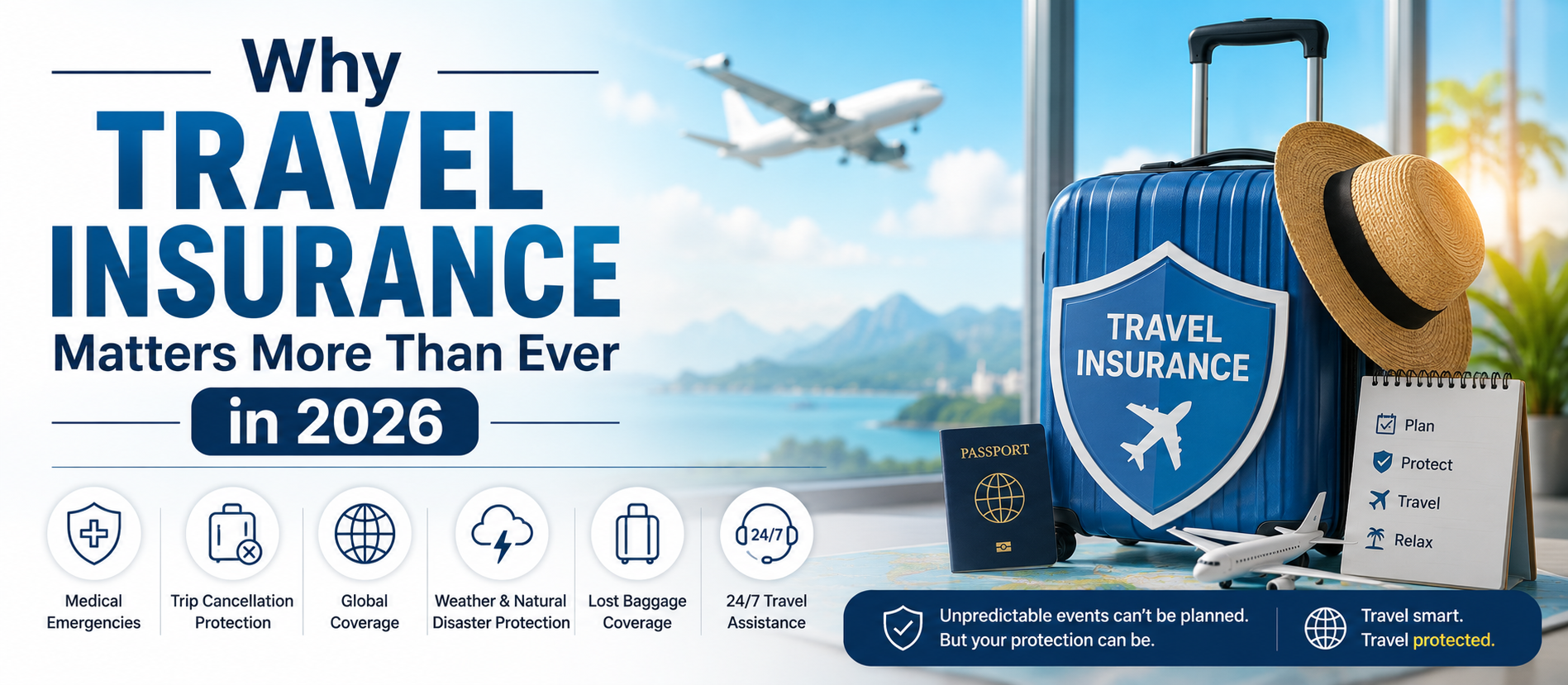
Travel has evolved dramatically over the past few years. In 2026, travelers are exploring more destinations, embracing remote work opportunities, booking international vacations, and seeking unique experiences around the world. However, along with increased travel opportunities come greater risks, uncertainties, and unexpected challenges. This is why travel insurance matters more than ever in 2026.
From flight cancellations and medical emergencies to natural disasters, political disruptions, lost baggage, and cyber-related travel risks, modern travelers face a wide range of potential problems. Travel insurance provides a critical financial safety net that can protect travelers from substantial losses and unexpected expenses.
💡 Key Insight
In this comprehensive guide from Digiifrog, we explore the growing importance of travel insurance, examine emerging travel risks, discuss essential coverage options, and explain why travel insurance should be considered an essential part of every travel plan in 2026.
Website: www.digiifrog.com
The Modern Travel Landscape in 2026
Global travel has become more accessible than ever. Digital booking platforms, affordable air travel, remote work flexibility, and expanding tourism industries have encouraged millions of people to travel internationally.
At the same time, travelers must navigate a more complex environment that includes:
- Changing entry requirements
- Medical risks abroad
- Climate-related disruptions
- Transportation delays
- Cybersecurity concerns
- Geopolitical uncertainty
- Unexpected travel restrictions
These challenges make travel insurance an increasingly valuable investment.
What Is Travel Insurance?
Travel insurance is a specialized insurance product designed to protect travelers against financial losses and unexpected events that may occur before or during a trip.
Depending on the policy, travel insurance may cover:
- Trip cancellation
- Trip interruption
- Medical emergencies
- Emergency evacuation
- Lost baggage
- Travel delays
- Personal liability
- Accidental death benefits
Coverage varies among providers, making policy comparison essential.
Medical Emergencies Abroad Can Be Expensive
One of the biggest reasons travel insurance matters in 2026 is the high cost of medical treatment in many countries.
Healthcare expenses can be extremely expensive for international visitors.
Potential costs include:
- Hospitalization
- Emergency surgery
- Ambulance transportation
- Prescription medications
- Diagnostic testing
- Specialist consultations
Without insurance, these expenses may create severe financial hardship.
Emergency Medical Evacuation Protection
In serious situations, travelers may require transportation to specialized medical facilities or even repatriation to their home country.
Medical evacuation costs can be extremely high, especially when air ambulances or international transport services are required.
Travel insurance can help cover these substantial expenses.
Trip Cancellation Risks Continue to Grow
Travel plans are vulnerable to many unexpected disruptions.
Common trip cancellation reasons include:
- Illness
- Family emergencies
- Natural disasters
- Weather events
- Work-related obligations
- Political unrest
- Transportation failures
Trip cancellation coverage helps reimburse prepaid, non-refundable travel expenses when covered circumstances occur.
Flight Delays and Travel Disruptions
Air travel remains vulnerable to delays and operational disruptions.
Causes may include:
- Severe weather
- Technical issues
- Labor disputes
- Airport congestion
- Air traffic control problems
Travel insurance can provide compensation for accommodations, meals, transportation, and other expenses resulting from covered delays.
Lost, Delayed, or Stolen Baggage
Baggage issues continue to affect travelers worldwide.
Travel insurance may provide coverage for:
- Lost luggage
- Delayed baggage
- Damaged belongings
- Stolen personal items
This protection helps travelers replace essential items and minimize inconvenience.
Climate Change Is Increasing Travel Risks
Climate-related events are becoming more frequent and severe.
Travelers may encounter:
- Floods
- Wildfires
- Heat waves
- Hurricanes
- Cyclones
- Severe storms
Natural disasters can disrupt travel plans, damage infrastructure, and create safety concerns.
Travel insurance provides valuable protection against these unpredictable events.
Adventure Travel Is Growing
Many travelers now seek adventure experiences such as:
- Scuba diving
- Mountain climbing
- Trekking
- Skiing
- Paragliding
- Surfing
Adventure activities often involve increased risks.
Specialized travel insurance plans can provide coverage for sports-related injuries and emergency evacuations.
Remote Workers and Digital Nomads Need Protection
The rise of remote work has created a new generation of travelers known as digital nomads.
These individuals often spend extended periods abroad while working remotely.
Travel insurance can help protect against:
- Medical emergencies
- Trip interruptions
- Equipment loss
- Emergency transportation
- Liability issues
Long-term travel insurance solutions are becoming increasingly important for this growing segment.
Cybersecurity Risks During Travel
Travelers increasingly rely on digital services, online bookings, mobile payments, and public Wi-Fi networks.
This creates cybersecurity vulnerabilities including:
- Identity theft
- Data breaches
- Financial fraud
- Device theft
- Account compromise
Some modern travel insurance policies now include cyber-related protection and assistance services.
Travel Insurance and International Healthcare Access
Healthcare systems vary significantly between countries.
Travel insurance often provides access to:
- Emergency medical networks
- 24/7 assistance centers
- Multilingual support services
- Hospital referrals
- Medical transportation coordination
These services can be invaluable during emergencies in unfamiliar locations.
Understanding Different Types of Travel Insurance
Single-Trip Insurance
Designed for one specific journey.
Multi-Trip Insurance
Provides coverage for multiple trips within a policy period.
International Travel Insurance
Focuses on overseas travel risks.
Domestic Travel Insurance
Protects travelers within their home country.
Student Travel Insurance
Provides coverage tailored to students studying abroad.
Senior Citizen Travel Insurance
Addresses age-related medical and travel concerns.
How Artificial Intelligence Is Changing Travel Insurance
Artificial intelligence is transforming the insurance industry.
AI-powered systems help insurers:
- Process claims faster
- Detect fraud
- Improve risk assessment
- Personalize coverage recommendations
- Provide virtual customer support
- Predict travel-related disruptions
These innovations improve customer experience and operational efficiency.
What to Look for in a Travel Insurance Policy
When evaluating travel insurance options, travelers should consider:
- Medical coverage limits
- Emergency evacuation benefits
- Trip cancellation protection
- Baggage coverage
- Adventure activity coverage
- Exclusions and limitations
- Claim procedures
- Customer support quality
Comparing policies carefully helps ensure adequate protection.
Common Travel Insurance Mistakes
- Waiting until the last minute to purchase coverage
- Ignoring policy exclusions
- Underestimating medical costs abroad
- Selecting inadequate coverage limits
- Failing to disclose relevant information
- Assuming all policies offer identical protection
⚠ Watch Out
Avoiding these mistakes can improve travel security and financial protection.
The Financial Value of Travel Insurance
Many travelers view insurance as an optional expense.
However, compared to potential losses from medical emergencies, trip cancellations, or evacuations, travel insurance often represents a relatively small investment with substantial financial benefits.
The peace of mind provided by comprehensive coverage is often worth far more than the policy cost itself.
Frequently Asked Questions
Is travel insurance necessary in 2026?
Given increasing travel risks, healthcare costs, climate disruptions, and global uncertainty, travel insurance is more important than ever.
Does travel insurance cover medical emergencies?
Most comprehensive travel insurance policies include emergency medical coverage, subject to policy terms and limits.
Can travel insurance cover trip cancellations?
Yes. Many policies reimburse prepaid, non-refundable expenses when covered cancellation reasons apply.
Do digital nomads need travel insurance?
Absolutely. Long-term travelers and remote workers often benefit from specialized travel insurance solutions.
Future Trends in Travel Insurance
The future of travel insurance will likely involve AI-driven personalization, real-time risk monitoring, integrated travel platforms, digital claims processing, telemedicine services, and expanded cyber protection.
As travel continues evolving, insurance products will become increasingly tailored to individual traveler profiles and specific journey risks.
Final Thoughts
Travel insurance matters more than ever in 2026 because the travel environment has become increasingly complex and unpredictable. Medical emergencies, climate-related disruptions, cybersecurity threats, transportation delays, and changing global conditions create significant risks for travelers.
A comprehensive travel insurance policy provides essential financial protection, emergency support, and peace of mind. Whether you are planning a family vacation, business trip, study-abroad program, adventure expedition, or digital nomad journey, travel insurance should be considered a fundamental part of responsible travel planning.
Investing in the right coverage can help ensure that unexpected events do not derail your travel experiences or financial security.
For more insurance insights, travel planning resources, SEO strategies, GEO optimization, AEO techniques, AI Search content, digital marketing solutions, and business growth guidance, visit Digiifrog at www.digiifrog.com.
Ready to Grow?
Talk to us about a strategy tailored to your brand — we will help you stand out in search, AI discovery and social.


Comments (0)
Log in to leave a comment.