📋 Quick Summary
In this article:
What Are Affordable Social Media Management Services?
Why Small Businesses Need Social Media Management
1. Choose the Right Social Media Platforms
2. Start With a Clear Social Media Strategy
3. Use a Monthly Content Calendar
A Balanced Content Mix May Include
4. Create Content for the Platform, Not Just One Generic Post
5. Use AI to Improve Efficiency—Not Replace Strategy
6. Focus on Content Quality and Consistency
7. Include Community Management Where It Matters
Focus Keyword: Affordable Social Media Management Services
Affordable social media management services can help small businesses maintain a professional online presence without hiring a full in-house marketing team. However, affordable should not mean random posting, copied captions, or choosing the lowest possible price. The best approach is to focus on the platforms, content, workflows, and goals that matter most to the business.
In 2026, social media management can include content planning, graphic design, short-form video, scheduling, community engagement, profile optimization, analytics, advertising support, and AI-assisted workflows. A practical service package should match the company's audience, budget, and growth goals.
Designfo helps businesses develop connected digital strategies that include social media management, SEO, content marketing, website optimization, marketing automation, AEO, GEO, and AI Search Optimization.
What Are Affordable Social Media Management Services?
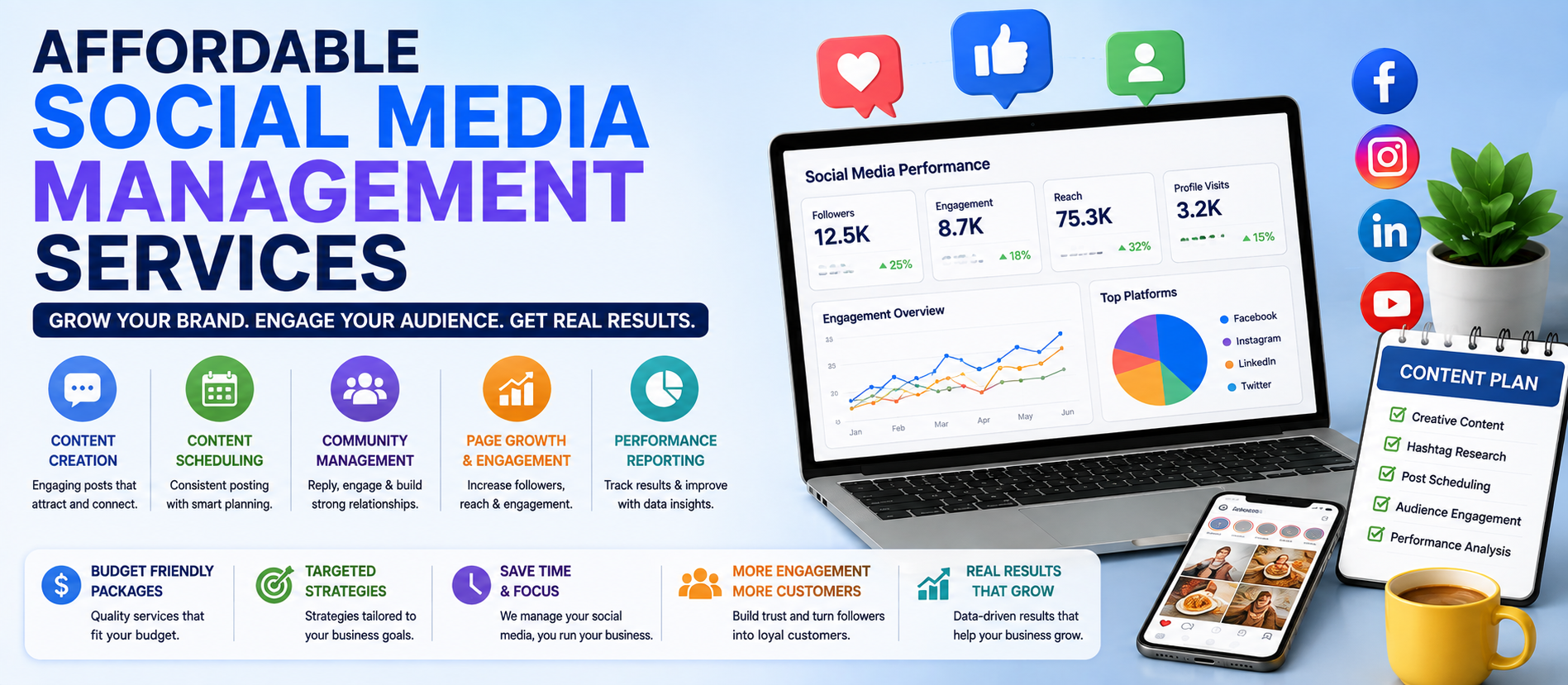
Social media management services involve planning, creating, publishing, monitoring, and improving a business's presence on selected social platforms. An affordable service usually focuses on a clearly defined scope rather than trying to manage every platform at enterprise scale.
A typical package may include:
- Social media strategy and content planning
- Monthly content calendars
- Graphic and visual content creation
- Captions, hashtags, and platform-specific copy
- Post scheduling and publishing
- Profile optimization
- Basic community management
- Performance reporting
- Recommendations for future content
The exact scope should always be clear before work begins.
Why Small Businesses Need Social Media Management
Small business owners often have the expertise to run their companies but not enough time to plan, create, publish, and analyze content consistently. Social media management can provide a structured process.
LinkedIn's current small-business guidance emphasizes setting clear goals, choosing the platforms where the target audience is active, creating useful content, engaging consistently, and measuring results.
Meta also highlights the importance of maintaining complete business information, responding to interactions, and using performance insights to understand which content and actions are working.
1. Choose the Right Social Media Platforms
One of the biggest mistakes small businesses make is trying to publish everywhere. A more affordable and effective strategy starts by identifying where potential customers actually spend time.
Common Platform Choices
- Facebook: Community building, local businesses, customer communication, and advertising.
- Instagram: Visual brands, products, services, Reels, and creator-style content.
- LinkedIn: B2B companies, professional services, thought leadership, and recruitment.
- YouTube: Educational videos, demonstrations, tutorials, and long-form content.
- WhatsApp: Customer communication, follow-up, support, and business messaging.
💡 Key Insight
The right platform mix depends on audience behavior and business objectives. Managing two important platforms well is often better than posting weak content across six platforms.
2. Start With a Clear Social Media Strategy
Affordable does not mean operating without a strategy. Every business should decide what it wants social media to achieve.
Possible Goals
- Increase brand awareness
- Generate website traffic
- Build trust and authority
- Generate enquiries and leads
- Promote products or services
- Support customer retention
- Build a local or professional community
A good strategy connects content with these goals and defines how performance will be measured.
3. Use a Monthly Content Calendar
A content calendar makes social media management more efficient. Instead of deciding what to post every morning, the business can plan topics, formats, campaigns, events, promotions, and calls to action in advance.
A Balanced Content Mix May Include
- Educational content
- Industry tips and insights
- Product or service information
- Customer stories and testimonials
- Behind-the-scenes content
- Frequently asked questions
- Promotional posts
- Seasonal or event-based content
LinkedIn's small-business guidance also recommends reviewing analytics and using a content calendar to identify what works and refine future publishing.
4. Create Content for the Platform, Not Just One Generic Post
Every platform has different audience expectations and formats. The same core idea can be adapted into a LinkedIn post, Instagram carousel, short video, Facebook update, or website article.
This approach improves efficiency while allowing each piece of content to feel appropriate for its platform.
5. Use AI to Improve Efficiency—Not Replace Strategy
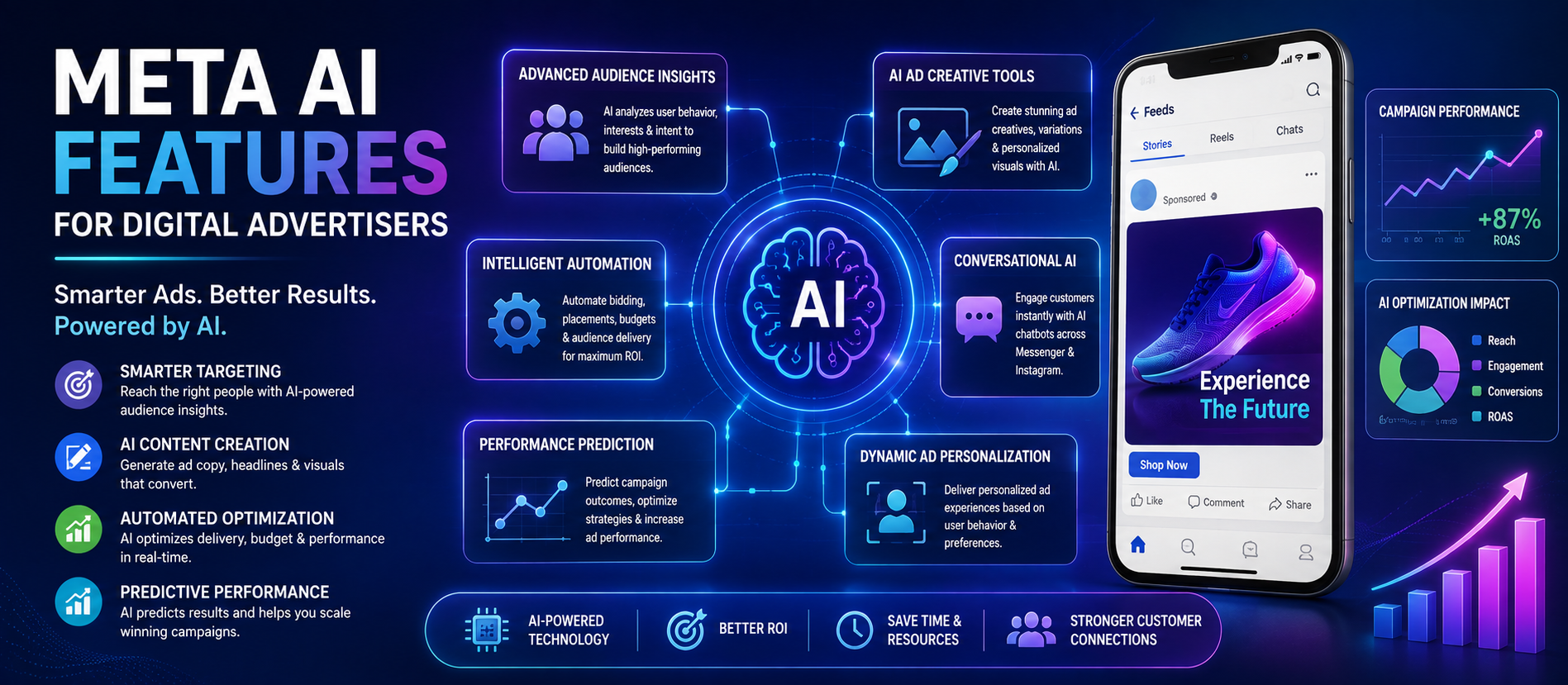
AI tools can support affordable social media management by helping teams brainstorm ideas, organize content, create first drafts, adapt captions, and automate repetitive tasks. Meta's current guidance describes AI-assisted workflows for planning, content creation, and social media management.
However, AI-generated content should still be reviewed for accuracy, brand voice, originality, and relevance. The best workflow combines automation with human judgment.
6. Focus on Content Quality and Consistency
Small businesses do not need to publish dozens of low-quality posts every week. A sustainable schedule with useful, recognizable, and well-designed content is often more practical.
Consistency helps the audience recognize the brand, while quality helps build trust. The right posting frequency should depend on resources, platform, audience activity, and content quality.
7. Include Community Management Where It Matters
Social media is not only a publishing channel. Customers may comment, ask questions, send direct messages, or share feedback. A management plan should define who monitors these interactions and how quickly important enquiries are handled.
Meta's business guidance emphasizes responding to messages and interactions as part of maintaining customer relationships.
8. Measure More Than Likes
Likes can provide feedback, but they should not be the only measure of success. Track metrics connected to the original business objective.
Useful Metrics Include
- Reach and impressions
- Engagement rate
- Video views and retention
- Website clicks
- Profile visits
- Direct messages
- Qualified leads
- Bookings or sales where measurable
Use the data to identify successful content patterns and improve future campaigns.
What Makes Social Media Management Affordable?
Affordability is usually created through focus and efficient systems—not by cutting every activity to the lowest level.
1. Limit the Number of Platforms
Start with the channels that matter most instead of paying for unnecessary management everywhere.
2. Define a Realistic Content Volume
A package should clearly state how many posts, videos, stories, or other assets are included.
3. Reuse Strong Ideas Intelligently
One expert article, customer story, or video can be adapted into multiple useful formats.
4. Use Templates and Brand Systems
Consistent design systems reduce production time while maintaining visual quality.
5. Automate Repetitive Workflows
Scheduling, approvals, reminders, reporting, and lead follow-up can be streamlined with the right tools.
How Much Do Affordable Social Media Management Services Cost?
Pricing varies significantly based on platform count, posting frequency, content formats, strategy, community management, reporting, and whether advertising is included. Recent 2026 market guides also show wide differences between freelancers, small agencies, and full-service providers, so businesses should compare deliverables rather than assuming that two packages with similar prices provide the same service.
When comparing packages, ask exactly what is included:
- How many platforms?
- How many posts per month?
- Are graphics included?
- How many videos or Reels?
- Is strategy included?
- Is scheduling included?
- Are comments and messages monitored?
- Are paid ads included or separate?
- How often are reports provided?
Common Affordable Social Media Packages
Starter Package
- 1–2 priority platforms
- Basic profile optimization
- Monthly content calendar
- Consistent branded posts
- Captions and scheduling
- Basic monthly reporting
Growth Package
- Multiple content formats
- Posts, carousels, and short videos
- Content strategy
- More detailed reporting
- Community engagement support
- Campaign planning
Advanced Growth Package
- Multi-platform management
- Video content and creative campaigns
- Community management
- Paid campaign support
- Marketing automation integration
- Conversion and lead tracking
The best package is not the largest one. It is the package aligned with the current stage of the business.
Social Media, SEO, AEO, GEO, and AI Search
Social media management should not operate separately from the rest of a digital strategy. Strong content ideas can support websites, blogs, SEO, email campaigns, and customer education.
For SEO, social content can distribute useful resources and strengthen brand awareness. For AEO, businesses can turn common customer questions into concise, useful answers. For GEO and AI Search Optimization, the long-term focus should be on clear business information, original expertise, useful content, and consistent brand signals across important digital properties.
The goal is not to publish content merely because an algorithm might reward it. Create information that helps potential customers understand a problem, compare options, or take the next step.
How Designfo Supports Social Media Growth
Designfo provides practical digital marketing solutions designed around business goals and growth priorities.
Designfo Services
- Affordable Social Media Management
- Social Media Content Strategy
- Graphic Design and Creative Content
- Short-Form Video and Campaign Content
- SEO and Content Marketing
- Website and Landing Page Optimization
- Marketing Automation
- AEO, GEO, and AI Search Optimization
- Digital Advertising and Growth Strategy
A connected approach helps businesses move from simple posting toward a system that supports visibility, engagement, lead generation, and long-term growth.
How to Choose the Right Social Media Management Service
- Define your business goals.
- Identify where your audience is active.
- Choose the platforms that matter most.
- Ask for a clear scope of work.
- Review examples of previous content.
- Confirm who creates, approves, and publishes content.
- Ask how performance is measured.
- Understand which services cost extra.
- Ensure you retain access to your accounts and data.
- Start with a focused plan and improve based on results.
Common Mistakes to Avoid
- Posting on every platform without a strategy.
- Buying the cheapest package without checking deliverables.
- Measuring only followers and likes.
- Using copied or generic content.
- Ignoring comments and customer messages.
- Publishing without a content calendar.
- Using AI content without human review.
- Expecting organic social media alone to create immediate sales.
- Running paid ads without conversion tracking.
- Changing strategy constantly without enough data.
Frequently Asked Questions
What are affordable social media management services?
They are services designed to help businesses plan, create, publish, monitor, and improve social media content within a defined and cost-conscious scope.
How many social media platforms should a small business use?
Start with the platforms where your target customers are most active. It is usually better to manage a small number of important channels consistently than to spread resources too widely.
Do affordable packages include social media advertising?
Not always. Paid advertising is often a separate service because campaign management and ad spend involve additional strategy, optimization, and budget.
Can AI make social media management cheaper?
AI can reduce time spent on repetitive tasks and help with ideation and drafting, but human review is still important for strategy, accuracy, creativity, and brand consistency.
How long does it take to see results?
Early signals such as reach, engagement, and traffic may appear relatively quickly, while stronger brand awareness, trust, leads, and sales usually require consistent work and ongoing optimization.
Conclusion
Affordable social media management services should help a business use its marketing budget more intelligently. The best approach begins with clear goals, the right platforms, useful content, consistent publishing, responsive communication, and meaningful measurement.
In 2026, businesses can also use AI and automation to improve efficiency, but technology should support—not replace—strategy and human judgment. By connecting social media with SEO, AEO, GEO, AI Search Optimization, website performance, and marketing automation, businesses can build a stronger and more connected digital presence.
Designfo
Website: www.designfo.in
Ready to Grow?
Talk to us about a strategy tailored to your brand — we will help you stand out in search, AI discovery and social.

Comments (0)
Log in to leave a comment.