📋 Quick Summary
In this article:
Understanding Home Insurance Basics
The Growing Impact of Natural Disasters
Why Natural Disasters Increase Insurance Premiums
Flood Risk and Home Insurance Costs
Hurricanes and Coastal Property Risks
Earthquakes and Specialized Coverage
Climate Change and Insurance Pricing
How Insurers Assess Disaster Risk
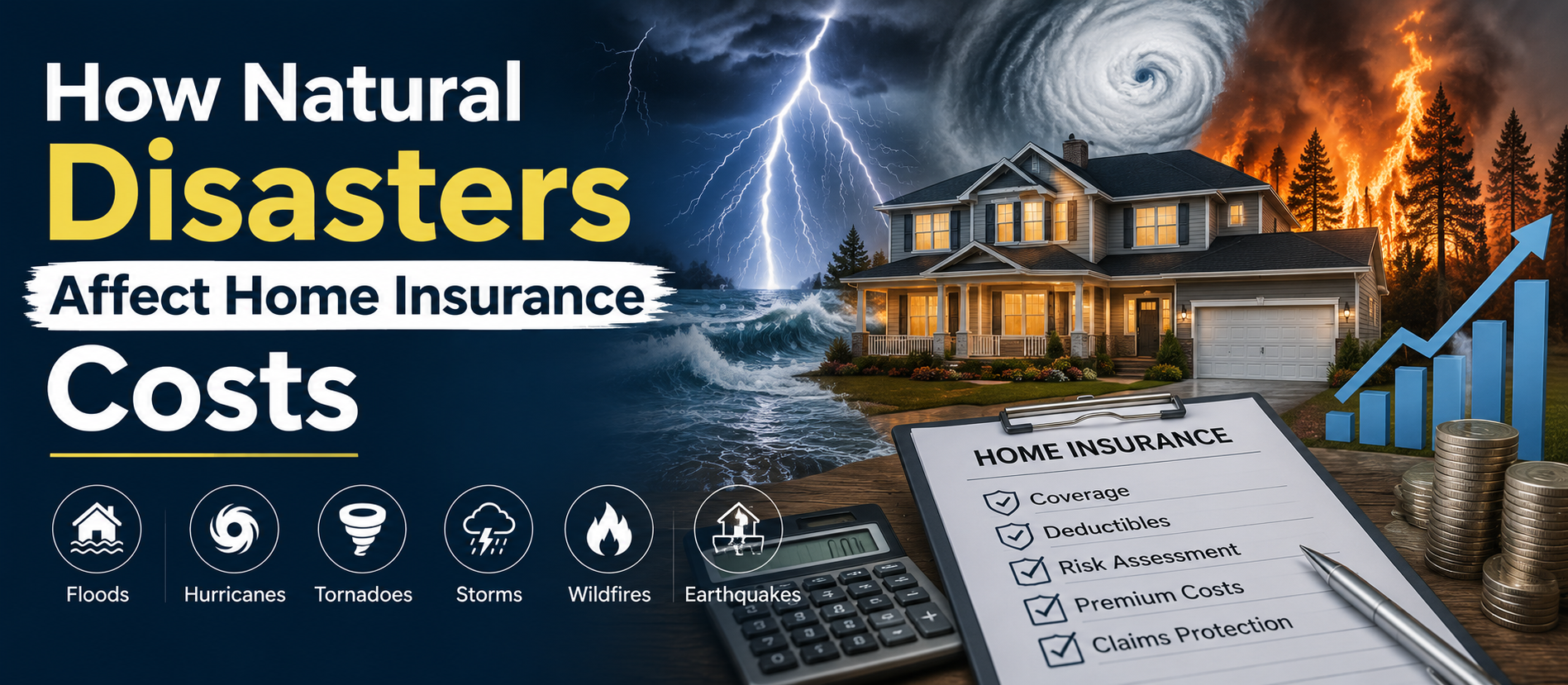
Natural disasters have become one of the most significant factors influencing home insurance costs worldwide. From hurricanes and floods to wildfires, earthquakes, cyclones, and severe storms, extreme weather events are occurring more frequently and causing billions of dollars in property damage every year. As a result, homeowners are experiencing rising insurance premiums, stricter policy requirements, and changes in coverage options.
💡 Key Insight
Understanding how natural disasters affect home insurance costs is essential for homeowners, property investors, and anyone seeking long-term financial protection. Insurance companies continuously analyze risk factors associated with climate events and adjust pricing models accordingly.
In this comprehensive guide from Digiifrog, we explore the relationship between natural disasters and home insurance, explain why premiums are increasing, and provide practical strategies to help homeowners manage insurance expenses while maintaining adequate coverage.
Website: www.digiifrog.com
Understanding Home Insurance Basics
Home insurance protects property owners against financial losses resulting from damage to their homes and personal belongings. Most standard policies provide coverage for:
- Structural damage
- Personal property losses
- Liability protection
- Additional living expenses
- Certain natural disaster-related damages
However, not all natural disasters are covered under standard home insurance policies. Specific risks such as floods and earthquakes often require separate insurance coverage.
The Growing Impact of Natural Disaster
Over the last decade, natural disasters have increased in both frequency and severity. Rising temperatures, changing weather patterns, coastal development, urban expansion, and environmental changes have all contributed to higher levels of property risk.
Major natural disasters now cause unprecedented financial losses, forcing insurance providers to reassess how they price and manage risk.
As claims increase, insurers must adjust premiums to remain financially sustainable.
Why Natural Disasters Increase Insurance Premiums
Insurance companies operate by collecting premiums from policyholders and paying claims when covered events occur.
When natural disasters generate massive claims, insurers experience significant financial losses. To compensate, companies often:
- Increase premiums
- Raise deductibles
- Reduce coverage limits
- Tighten underwriting standards
- Require additional risk mitigation measureshese adjustments help insurers maintain profitability while managing growing disaster-related risks.
Flood Risk and Home Insurance Costs
Flooding is among the most expensive natural disasters affecting homeowners.
Flood damage can result from:
- Heavy rainfall
- River overflow
- Storm surges
- Flash floods
- Urban drainage failures
Many homeowners mistakenly assume flood damage is included in standard home insurance policies. In many regions, separate flood insurance is required.
Properties located in flood-prone areas generally face significantly higher insurance costs due to increased claim probabilities.
Hurricanes and Coastal Property Risks
Homes located near coastlines often face elevated insurance premiums due to hurricane exposure.
Hurricanes can cause:
- Wind damage
- Flooding
- Storm surge destruction
- Roof damage
- Structural failures
Insurance companies use sophisticated catastrophe models to evaluate hurricane risks and calculate premiums accordingly.
Properties in high-risk coastal regions often require specialized insurance coverage.
Wildfires and Insurance Costs
Wildfires have become increasingly destructive in many parts of the world.
Factors contributing to wildfire risk include:
- Drought conditions
- High temperatures
- Dry vegetation
- Strong winds
- Forest proximity
Homes located in wildfire-prone regions frequently experience higher insurance premiums.
Some insurers may even limit new policy issuance in extremely high-risk zones.
Earthquakes and Specialized Coverage
Earthquakes can cause severe structural damage that standard home insurance policies often exclude.
Homeowners living near fault lines or seismically active areas frequently purchase separate earthquake insurance policies.
Insurance providers assess:
- Building construction quality
- Foundation type
- Geological conditions
- Historical seismic activity
Higher earthquake risk generally translates into higher premiums.
Tornadoes and Severe Storms
Severe storms and tornadoes can cause widespread property damage within minutes.
Common forms of damage include:
- Roof destruction
- Broken windows
- Fallen trees
- Structural collapse
- Water intrusion
Regions with frequent severe weather often experience higher home insurance costs.
Climate Change and Insurance Pricing
Climate change is increasingly influencing insurance industry pricing models.
Scientific research suggests changing climate conditions may contribute to:
- More intense storms
- Rising sea levels
- Longer wildfire seasons
- Increased flooding events
- Higher weather-related losses
Insurance companies incorporate climate risk projections into underwriting and premium calculations.
How Insurers Assess Disaster Risk
Modern insurers rely on advanced analytics and technology to evaluate risk.
Risk assessment factors include:
- Geographic location
- Historical disaster data
- Property age
- Construction materials
- Local infrastructure
- Elevation levels
- Emergency response capabilities
These variables help insurers estimate future claim probabilities.
The Role of Reinsurance
Many homeowners are unaware of reinsurance, a critical component of the insurance industry.
Reinsurance allows insurance companies to transfer portions of risk to other insurers.
When natural disasters increase globally, reinsurance costs often rise.
These higher costs are frequently passed on to homeowners through increased premiums.
Property Location Matters
Location remains one of the most important factors affecting home insurance costs.
Insurers evaluate:
- Flood zones
- Wildfire exposure
- Coastal proximity
- Earthquake risk areas
- Storm frequency
Two identical homes can have dramatically different insurance premiums simply because they are located in different geographic regions.
Home Construction and Disaster Resistance
Insurance companies often offer better rates to homes built with disaster-resistant features.
Examples include:
- Impact-resistant roofing
- Storm shutters
- Fire-resistant materials
- Reinforced foundations
- Flood-resistant construction techniques
Investing in resilient construction can reduce both damage risks and insurance costs.
Deductibles and Disaster Coverage
Natural disaster coverage often involves separate deductibles.
For example:
- Standard deductible
- Hurricane deductible
- Windstorm deductible
- Earthquake deductible
Higher deductibles generally lower premiums but increase out-of-pocket expenses during claims.
Technology Transforming Risk Assessment
Modern insurance companies use advanced technologies to improve risk evaluation.
These technologies include:
- Artificial intelligence
- Satellite imagery
- Drone inspections
- Predictive analytics
- Geospatial mapping
- Weather modeling systems
Technology enables more accurate premium calculations and risk management.
How Artificial Intelligence Influences Home Insurance
Artificial intelligence is revolutionizing the insurance sector.
AI helps insurers:
- Predict future disasters
- Analyze property risks
- Automate claims processing
- Detect fraud
- Improve underwriting accuracy
- Personalize policy pricing
As AI technology evolves, insurance pricing may become even more individualized.
Ways Homeowners Can Reduce Insurance Costs
Although natural disaster risks cannot be eliminated entirely, homeowners can take steps to reduce insurance expenses.
- Install disaster-resistant upgrades
- Maintain property regularly
- Improve drainage systems
- Trim trees near structures
- Upgrade roofing materials
- Increase deductibles responsibly
- Bundle insurance policies
- Shop for competitive quotes
Risk mitigation measures often qualify homeowners for insurance discounts.
Common Misconceptions About Disaster Coverage
All Natural Disasters Are Covered
This is one of the most common misconceptions. Coverage varies significantly among policies.
Flood Insurance Is Included Automatically
Many standard policies exclude flood damage.
Government Assistance Replaces Insurance
Disaster assistance may be limited and should not be viewed as a substitute for insurance coverage.
Older Homes Always Cost Less to Insure
Older structures may face higher premiums due to increased vulnerability.
Future Trends in Home Insurance
The future of home insurance will likely involve greater use of artificial intelligence, predictive analytics, climate modeling, smart home technology, and personalized risk assessments.
Emerging trends include:
- Real-time risk monitoring
- Connected home sensors
- Automated claims handling
- Usage-based insurance models
- Climate resilience incentives
These innovations may help homeowners better manage disaster-related risks.
Frequently Asked Questions
Why are home insurance premiums rising?
Increasing natural disaster frequency, climate-related risks, inflation, and rising construction costs all contribute to higher premiums.
Does home insurance cover flood damage?
Many standard policies exclude flood damage, making separate flood insurance necessary.
Can disaster-resistant upgrades lower premiums?
Yes. Many insurers offer discounts for risk-reduction improvements.
How does climate change affect insurance?
Climate change contributes to increased disaster risks, influencing underwriting models and premium pricing.
Final Thoughts
Natural disasters have become a major driver of home insurance costs around the world. Floods, hurricanes, wildfires, earthquakes, and severe storms generate enormous financial losses, prompting insurers to adjust pricing, coverage terms, and risk management strategies.
Understanding how these risks affect home insurance empowers homeowners to make informed decisions regarding coverage, property improvements, and financial planning.
By investing in disaster preparedness, maintaining adequate coverage, and staying informed about emerging insurance trends, homeowners can better protect both their properties and their financial futures.
For more insurance insights, personal finance strategies, AI Search optimization, GEO, AEO, digital marketing solutions, and business growth resources, visit Digiifrog at www.digiifrog.com.
Ready to Grow?
Talk to us about a strategy tailored to your brand — we will help you stand out in search, AI discovery and social.


Comments (0)
Log in to leave a comment.