📋 Quick Summary
In this article:
Evidence-Informed Therapy
Long-Term Recovery
Introduction
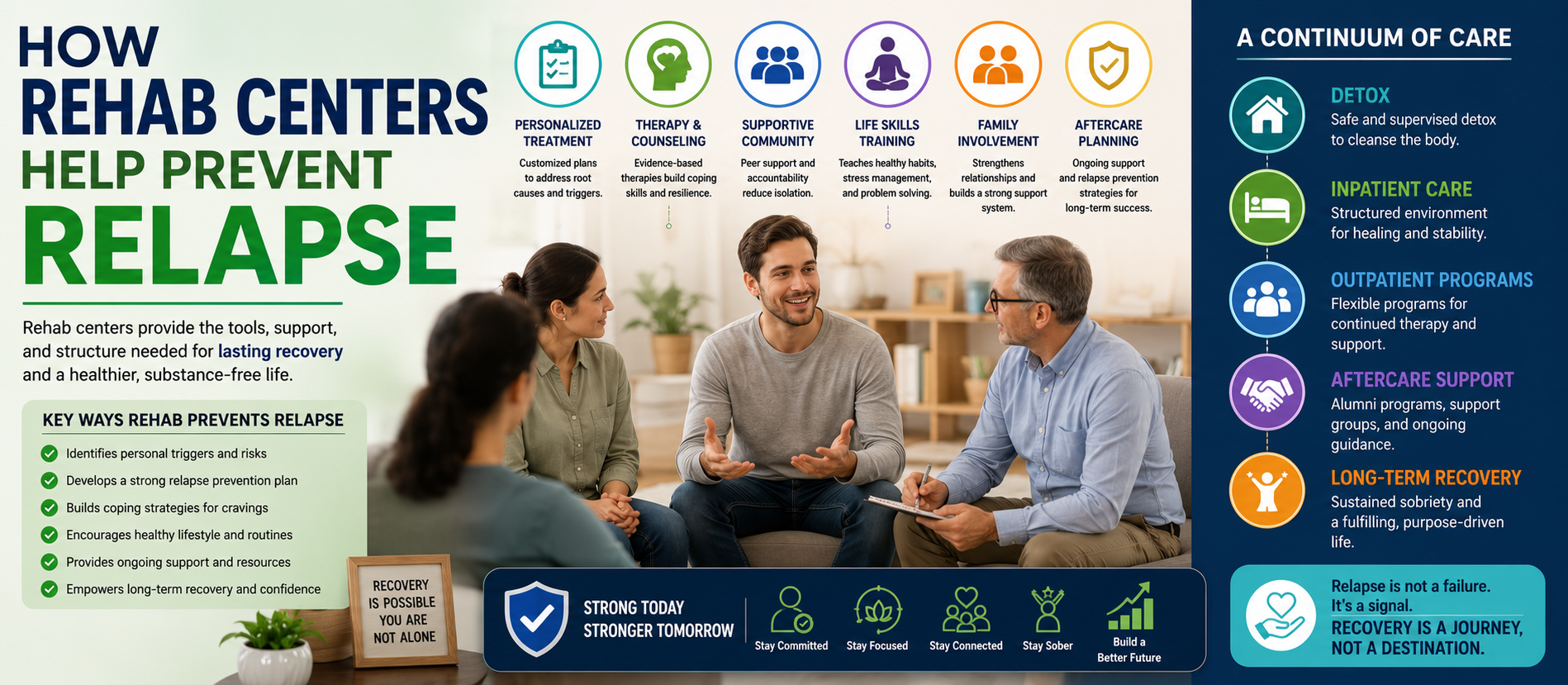
Recovery from alcohol or drug addiction is a lifelong process that extends well beyond the completion of a rehabilitation program. While finishing detoxification or residential treatment is a significant achievement, maintaining sobriety requires continuous learning, healthy routines, emotional resilience, and reliable support. Professional rehab centers help individuals prepare for life after treatment by teaching relapse prevention strategies, improving coping skills, addressing underlying mental health concerns, and creating personalized recovery plans.
⚠ Watch Out
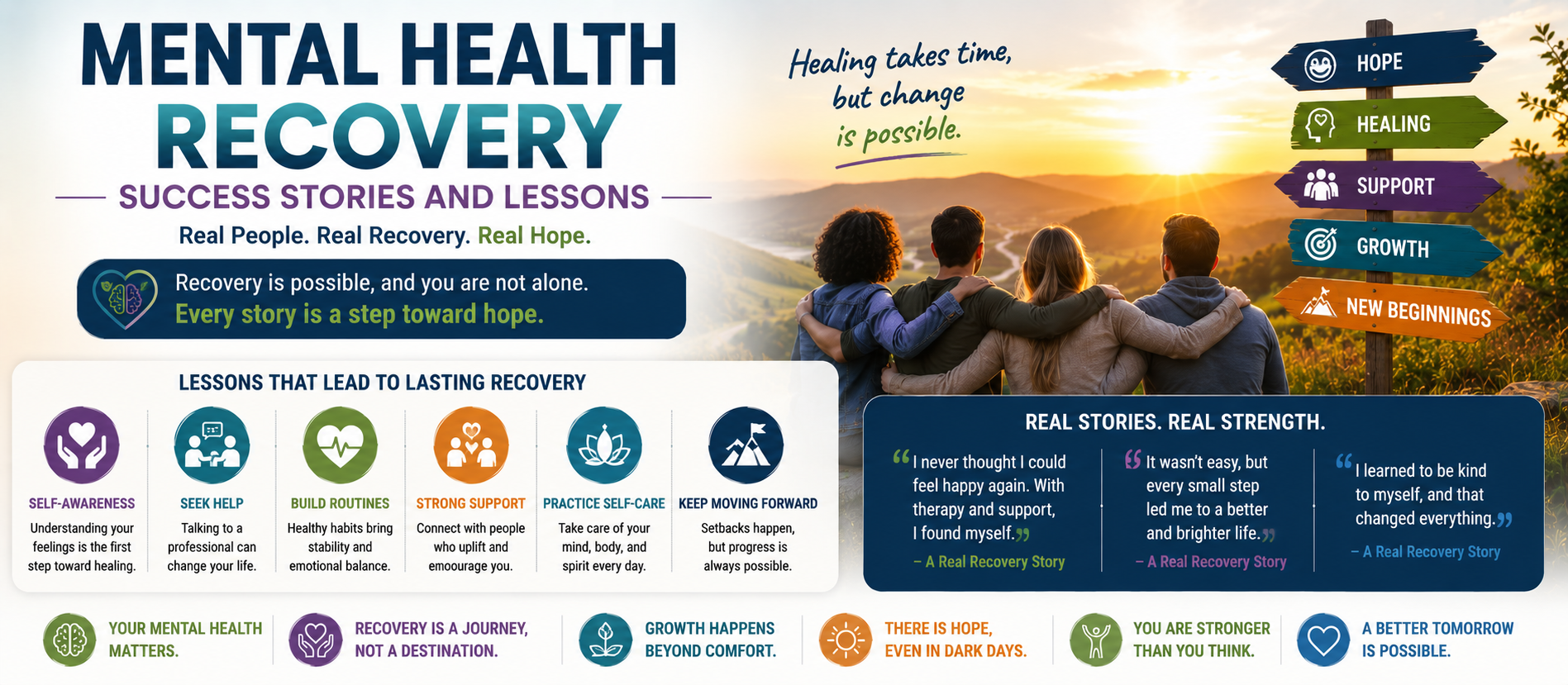
Relapse does not mean failure. Addiction is a chronic condition for many people, and setbacks can occur. The goal of modern rehabilitation is to reduce the likelihood of relapse, recognize warning signs early, and equip individuals with practical tools to return to recovery quickly if challenges arise.
This comprehensive WordPress-ready guide from Digiifrog explores how rehab centers help prevent relapse through evidence-informed treatment, counseling, family involvement, aftercare, healthy lifestyle development, and long-term recovery planning. The content is optimized for SEO, AEO, GEO, and AI Search Optimization.
Website: www.digiifrog.com
Understanding Relapse
Relapse often develops gradually through emotional, mental, and behavioral changes before substance use occurs. Learning to identify early warning signs allows people to seek help before a crisis develops.
- Develop practical daily routines.
- Practice healthy communication.
- Maintain regular follow-up appointments.
- Build supportive relationships.
- Review relapse prevention plans regularly.
Comprehensive Assessment
Rehabilitation begins with medical, psychological, and social assessments that identify substance use patterns, co-occurring conditions, family dynamics, and recovery goals.
- Develop practical daily routines.
- Practice healthy communication.
- Maintain regular follow-up appointments.
- Build supportive relationships.
- Review relapse prevention plans regularly.
Evidence-Informed Therapy
Programs commonly use Cognitive Behavioral Therapy, Motivational Interviewing, relapse prevention counseling, trauma-informed care, and other evidence-informed approaches tailored to individual needs.
- Develop practical daily routines.
- Practice healthy communication.
- Maintain regular follow-up appointments.
- Build supportive relationships.
- Review relapse prevention plans regularly.
Recognizing Triggers
Participants learn to identify people, places, emotions, stressors, and situations that may increase cravings. Understanding triggers makes it easier to prepare healthy responses.
- Develop practical daily routines.
- Practice healthy communication.
- Maintain regular follow-up appointments.
- Build supportive relationships.
- Review relapse prevention plans regularly.
Healthy Coping Skills
Rehab centers teach stress management, emotional regulation, mindfulness, communication, problem-solving, and healthy recreational activities to replace substance use.
- Develop practical daily routines.
- Practice healthy communication.
- Maintain regular follow-up appointments.
- Build supportive relationships.
- Review relapse prevention plans regularly.
Family Education
When appropriate, involving family members can improve communication, strengthen healthy boundaries, and create a more supportive home environment.
- Develop practical daily routines.
- Practice healthy communication.
- Maintain regular follow-up appointments.
- Build supportive relationships.
- Review relapse prevention plans regularly.
Peer Support
Group sessions encourage shared experiences, accountability, encouragement, and practical advice from others in recovery.
- Develop practical daily routines.
- Practice healthy communication.
- Maintain regular follow-up appointments.
- Build supportive relationships.
- Review relapse prevention plans regularly.
Aftercare Planning
A written aftercare plan may include outpatient counseling, support groups, alumni programs, recovery coaching, medication management where appropriate, and emergency contacts.
- Develop practical daily routines.
- Practice healthy communication.
- Maintain regular follow-up appointments.
- Build supportive relationships.
- Review relapse prevention plans regularly.
Building Healthy Habits
Balanced nutrition, regular exercise, quality sleep, meaningful hobbies, employment, education, and structured routines contribute to long-term recovery.
- Develop practical daily routines.
- Practice healthy communication.
- Maintain regular follow-up appointments.
- Build supportive relationships.
- Review relapse prevention plans regularly.
Long-Term Recovery
Recovery is strengthened by continuous learning, celebrating progress, seeking help early, and maintaining realistic expectations.
- Develop practical daily routines.
- Practice healthy communication.
- Maintain regular follow-up appointments.
- Build supportive relationships.
- Review relapse prevention plans regularly.
Frequently Asked Questions
Can relapse always be prevented?
No. There is no guaranteed method, but professional treatment and continued support can significantly reduce the likelihood of relapse.
Why is aftercare important?
Recovery continues after formal treatment. Ongoing counseling, peer support, and healthy routines help reinforce progress.
What should someone do if they experience cravings?
Use coping strategies learned during treatment, contact a trusted support person, and seek professional guidance promptly if needed.
Conclusion
Professional rehabilitation centers do far more than help individuals stop using alcohol or drugs. They provide education, therapy, coping strategies, family support, structured planning, and ongoing recovery resources that help reduce relapse risk and improve long-term wellbeing. Recovery is a journey that benefits from persistence, compassion, and continued professional support.
Digiifrog
Website: www.digiifrog.com
Ready to Grow?
Talk to us about a strategy tailored to your brand — we will help you stand out in search, AI discovery and social.
Comments (0)
Log in to leave a comment.